Antioxidant dog meals are not just a trend. They are one of the simplest ways to support your dog’s immune system, protect cells from oxidative stress, and gently back up joints, skin, heart, and brain health over time. Instead of only relying on commercial “superfood” claims, this guide walks through eight homemade antioxidant meals designed with real ingredients you can recognize and measure in your own kitchen.
Each recipe in this collection is built around whole food sources of antioxidants like berries, leafy greens, orange vegetables, and omega rich proteins, then backed up with smart use of evidence based supplements. If you are new to cooking for your dog, you can always start with our broader Homemade Dog Food Guide and then come back to this antioxidant focused set once you are comfortable with the basics.
Quick Overview – The 8 Antioxidant Dog Meals
Before you scroll down into the full recipe cards, here is a quick snapshot of how each of the eight antioxidant dog meals is positioned. This helps you quickly match your dog’s current needs with the right bowl idea.
Blueberry Salmon Antioxidant Bowl
A bright, berry forward bowl that pairs omega rich salmon with blueberries, soft grains, and greens for everyday immune support and a little “spa day” feel in the food bowl.
Kale & Turkey Antioxidant Power Mix
Lean ground turkey, kale, and orange vegetables come together in a cozy mash that feels familiar but quietly layers in fiber, antioxidants, and gentle energy for daily routines.
Cranberry Chicken Antioxidant Stew
A soft chicken based stew that adds pumpkin, rice, and dog safe cranberry for dogs who could use a little extra help around urinary comfort and whole body antioxidant coverage.
Spinach & Sardine Antioxidant Omega Bowl
A super simple omega bowl using canned sardines, spinach, and gentle grains, ideal for skin, coat, and joint focused days when you still want dinner to feel easy and practical.
Pumpkin, Blueberry & Turkey Antioxidant Mash
A soft, scoopable mash that leans on lean turkey, pumpkin, and blueberries for dogs who like comfort food textures but still benefit from a steady stream of natural antioxidants.
Broccoli Beef Antioxidant Comfort Stew
A classic comfort style beef stew lightened up with small cut broccoli, carrots, and grains so you keep the cozy feeling while sneaking in green and orange antioxidant support.
Apple, Spinach & Chicken Antioxidant Skillet
A quick skillet meal with diced chicken, apple, spinach, and soft carbs that works well on busy weeknights when you want something fresh, light, and easy to portion.
Mixed Berry & Whitefish Antioxidant Recovery Bowl
A gentle whitefish and mixed berry bowl with soft carbs and vegetables, designed for quieter, lower activity days when you still want quiet antioxidant support without heaviness.
The 8 Antioxidant Dog Meal Recipes
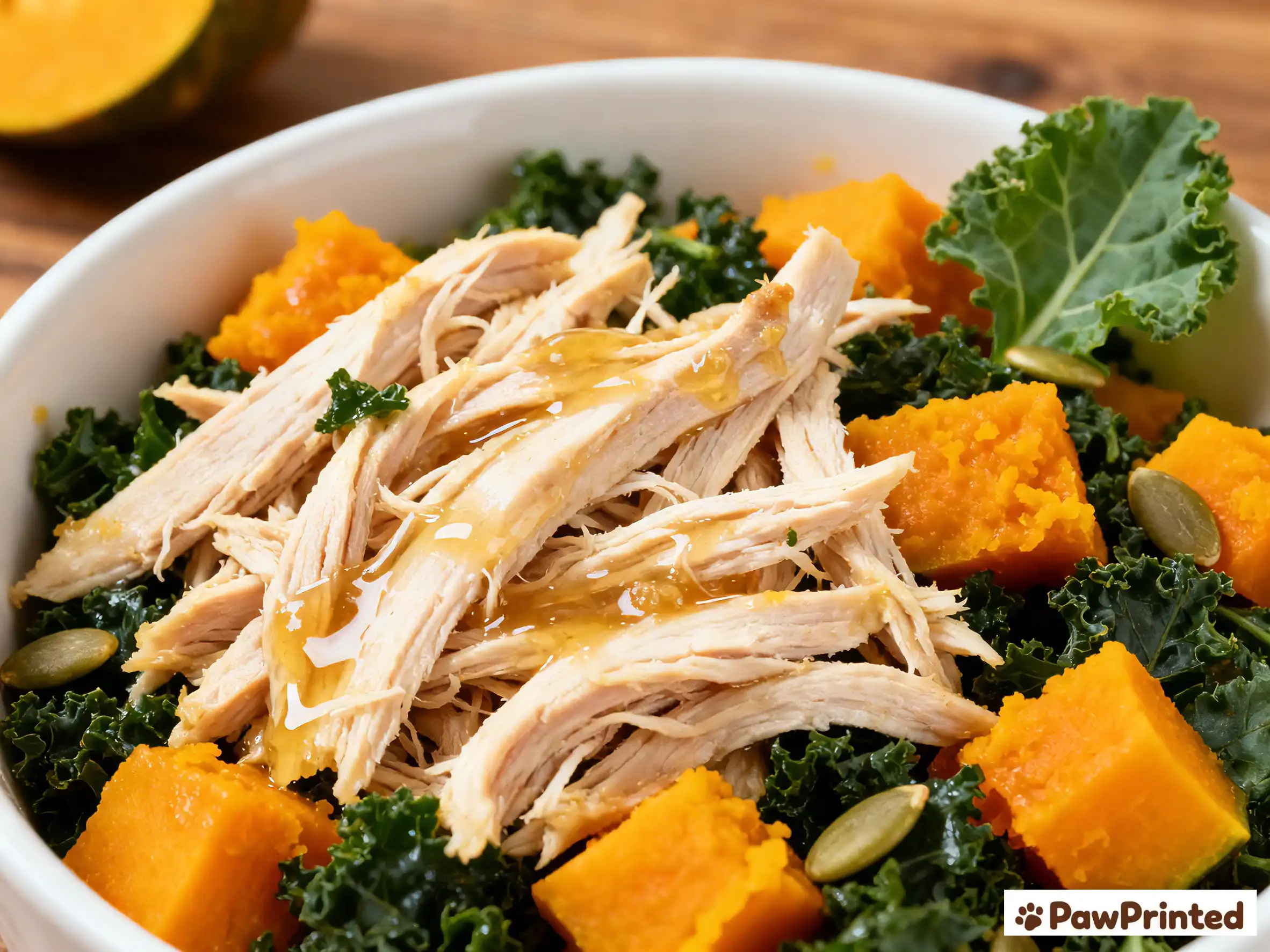
Blueberry Salmon Antioxidant Bowl
- Nonstick pan or small pot
- – Mixing bowl
- Wooden spoon or silicone spatula
- Kitchen scale or measuring cups
- Cooked salmon flaked and cooled
- Cooked brown rice or oats
- Fresh or frozen blueberries unsweetened
- Finely chopped spinach
- Olive oil or salmon oil
- Calcium supplement as advised by your vet
- Cook the salmon thoroughly, remove bones and skin, then flake into small pieces.
- Stir the cooked rice or oats into the warm salmon until evenly combined.
- Fold in the blueberries and finely chopped spinach so they are well distributed.
- Finish with a small drizzle of oil and the vet approved calcium source.
- Cool to room temperature and serve an appropriate portion size for your dog, refrigerating any leftover within 2 hours.
Nutricost Organic Blueberry Powder on top so the benefits stay steady even if we are between grocery runs. For bigger cooking days, I batch the salmon and grains in the
T-fal 12 Qt Nonstick Stockpot and freeze half cup portions in
Souper Cubes 1/2 Cup Trays, so I can just grab one or two blocks instead of restarting from scratch.
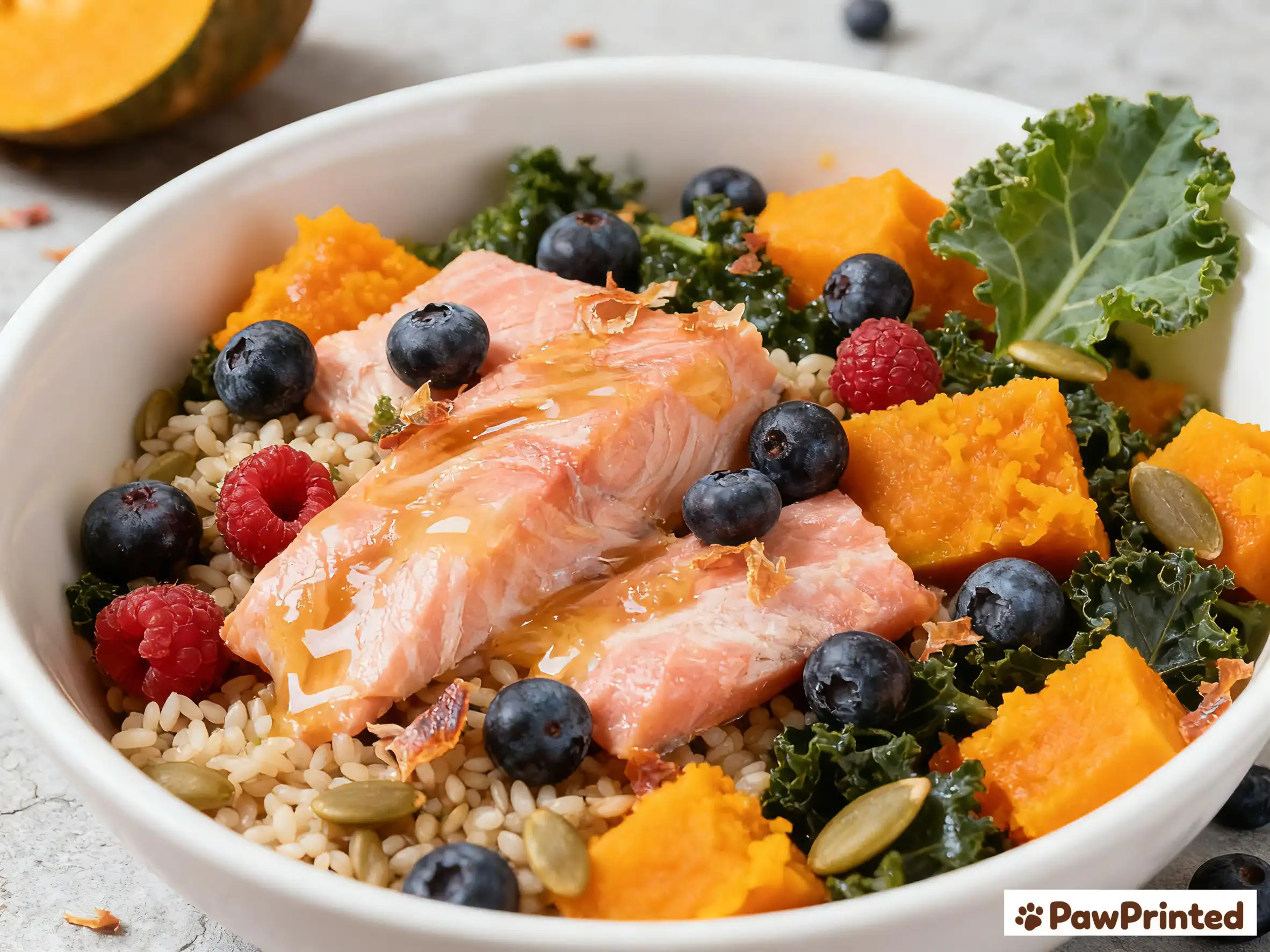
Kale & Turkey Antioxidant Power Mix
- Brown the lean turkey in a nonstick pan, breaking it into small crumbles and cooking until no pink remains.
- Add the chopped kale and a splash of low sodium broth, then gently simmer until the greens are soft.
- Stir in the mashed sweet potato or pumpkin until the mixture becomes a soft, spoonable texture.
- Finish with a small drizzle of oil and your vet approved calcium source, mixing thoroughly.
- Allow the meal to cool to room temperature, then serve in smaller portions if your dog is new to richer antioxidant foods.
- Lean ground turkey
- Finely chopped kale stems removed
- Mashed sweet potato or pumpkin puree plain, unsweetened
- Low sodium chicken or turkey broth
- Olive oil or flaxseed oil
- Calcium supplement as advised by your vet
- Nonstick skillet or sauté pan
- Mixing spoon
- Measuring spoons and cups
- Heat safe bowl
Missing Link Superfood Mix so Ethan still gets a broad layer of antioxidants, omegas and micronutrients even when I keep the base recipe simple. When I want tighter portion control, especially for dogs that gain weight easily, cooking smaller runs in the
CAROTE 4 Cup Portion Control Pan and weighing each serving with the
Etekcity Digital Kitchen Scale helps keep calories and nutrients consistent.
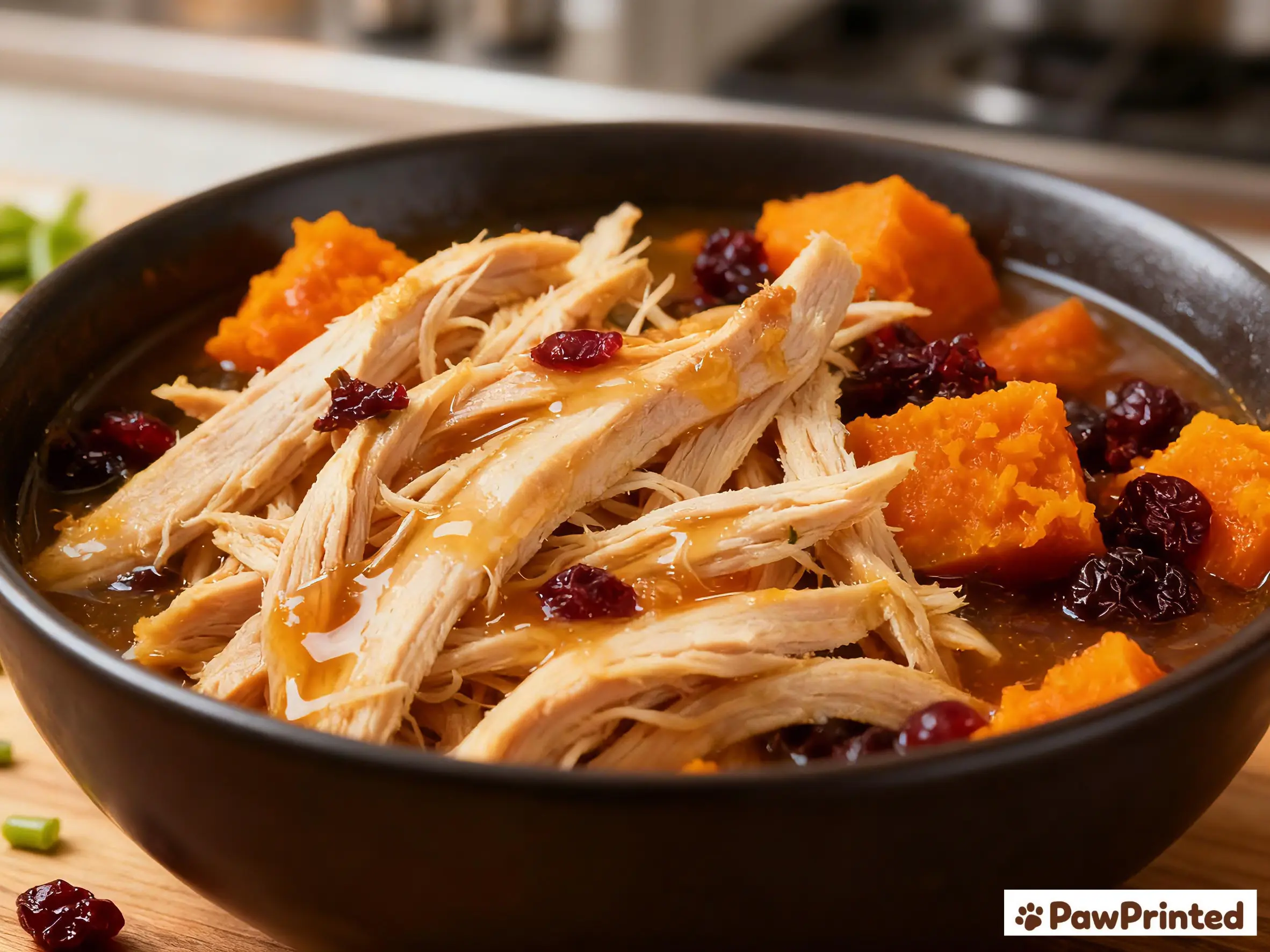
Cranberry Chicken Antioxidant Stew
- Ladle or large spoon
- Cutting board and knife
- – Measuring cups
- Skinless chicken breast or thigh diced
- Unsweetened dried cranberries or low sugar cranberry puree dog safe
- Pumpkin puree plain, unsweetened
- Cooked white or brown rice
- Low sodium chicken broth
- Small amount of finely chopped green beans
- Vet approved calcium source
- Gently simmer the diced chicken in low sodium broth until fully cooked and tender.
- Add the green beans and cook until they are soft but not mushy.
- Stir in the pumpkin puree, cooked rice and dog safe cranberry, adjusting the broth so the stew stays thick but spoonable.
- Remove from heat, add the calcium source and mix well so it is evenly distributed.
- Cool completely before serving, and start with smaller portions if your dog has not had cranberries before.
NaturVet Cranberry Support so the active cranberry ingredients stay consistent even when we rotate through different meals. I usually simmer bigger batches in the
COOKER KING 3 Qt Ceramic Saucepan and then freeze thick, stew like blocks in
Souper Cubes 1/2 Cup Trays, which makes alternating between fresh stew and dry food much easier.
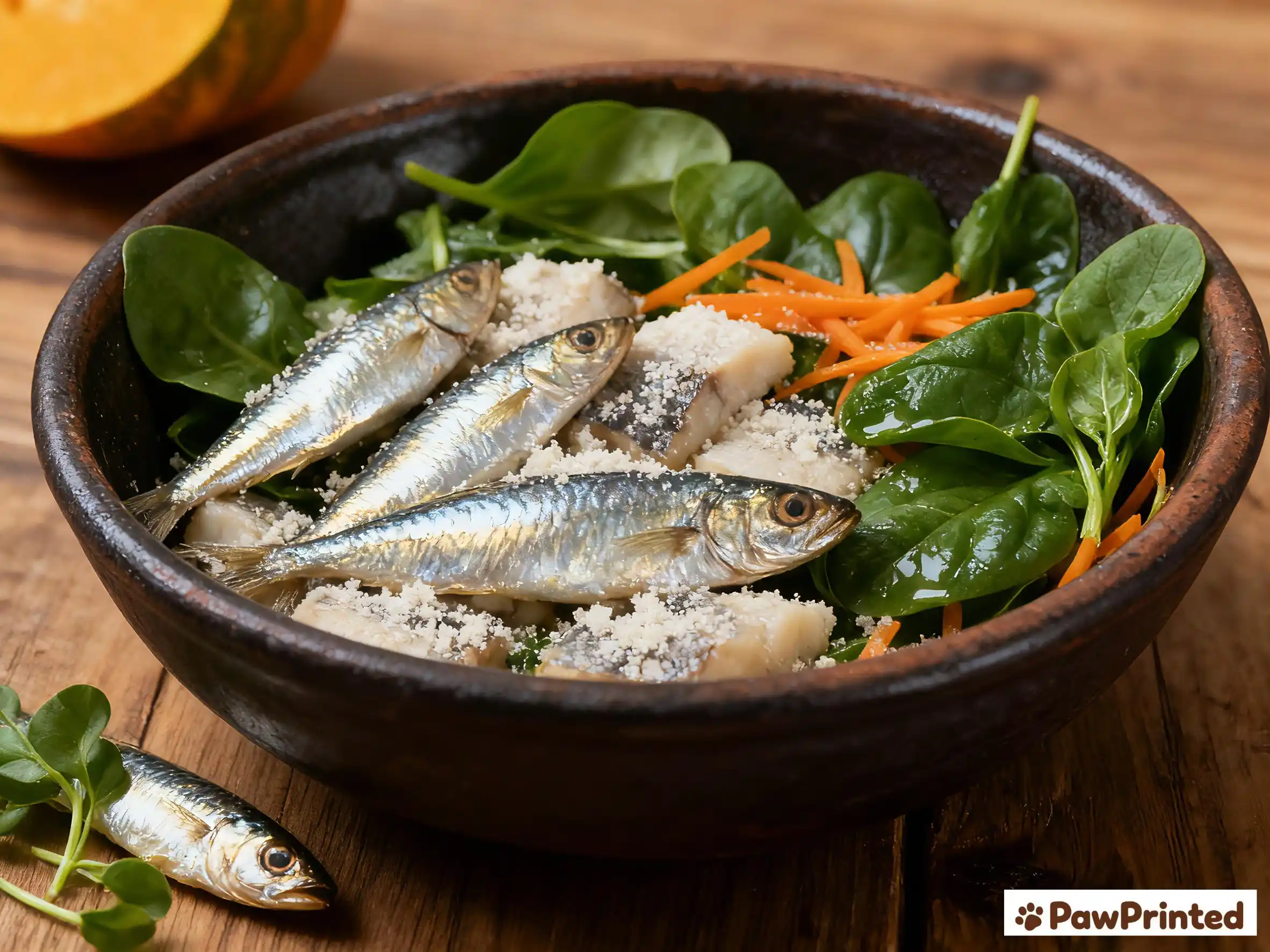
Spinach & Sardine Antioxidant Omega Bowl
- – Mixing bowl
- Fork or potato masher
- – Measuring cups
- Spoon for serving
- Canned sardines in water drained (no added salt)
- Cooked barley oats or rice
- Finely chopped spinach or baby spinach
- Small amount of grated carrot
- A splash of warm water or low sodium broth
- Vet approved calcium source if needed
- Mash the drained sardines in a bowl until they break into fine flakes.
- Fold in the cooked grains, chopped spinach and grated carrot until evenly mixed.
- Loosen the texture with a little warm water or broth so it is easy to lap and chew.
- Add the calcium source if your overall plan requires it, and mix thoroughly.
- Serve at room temperature, starting with modest portions for dogs that are new to fish based meals.
Finn Salmon Oil over his regular food so his EPA and DHA intake does not depend on what I cooked that evening. If you are worried about overfeeding rich fish meals, you can portion smaller bowls with the help of the
Etekcity Digital Kitchen Scale and keep extra mixed grains and sardines in
Souper Cubes 1/2 Cup Trays for quick thaw and serve nights.
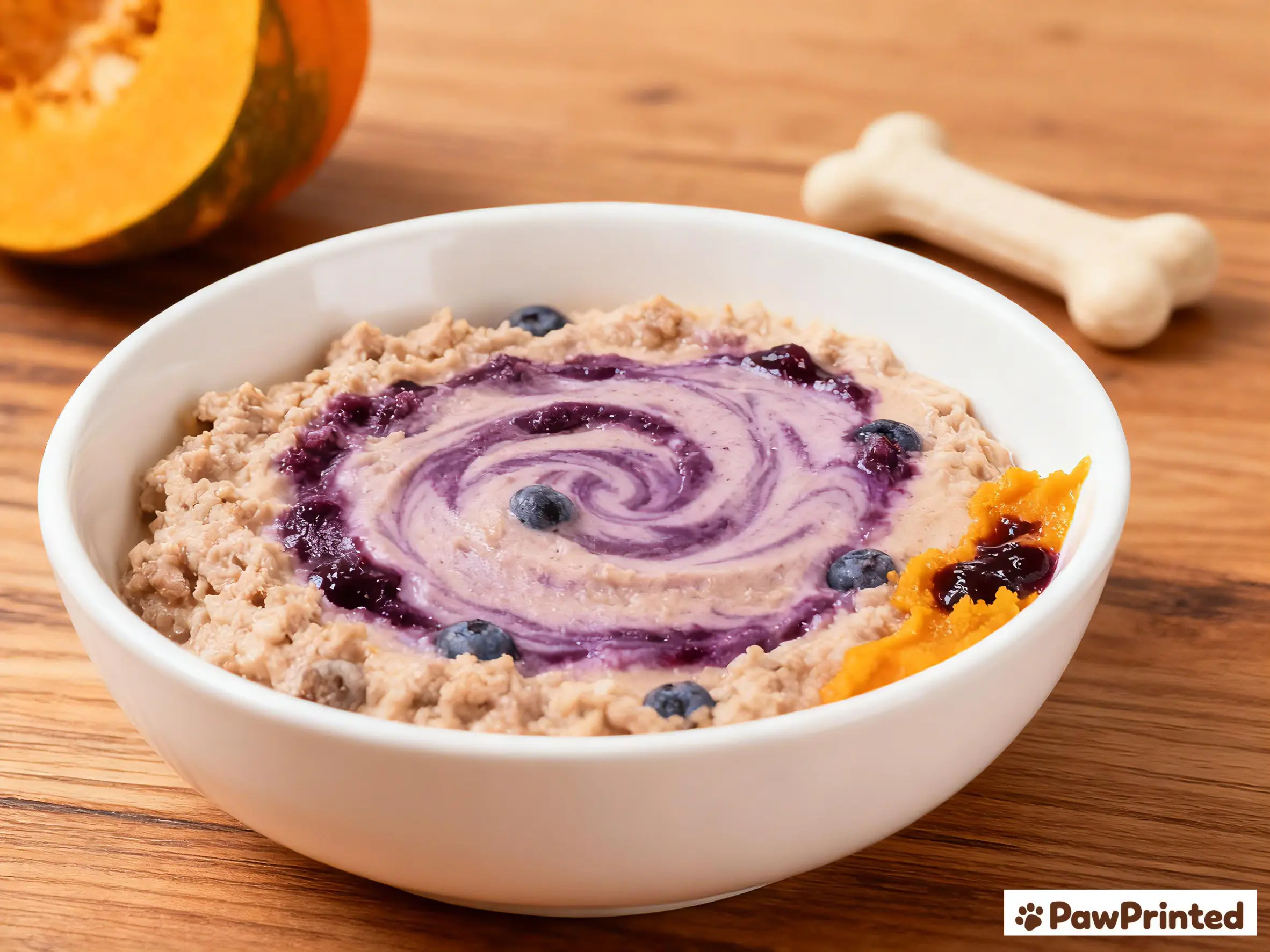
Pumpkin, Blueberry & Turkey Antioxidant Mash
- Nonstick pan
- – Mixing bowl
- Spatula or spoon
- Measuring tools
- Lean ground turkey
- Pumpkin puree plain, unsweetened
- Fresh or frozen blueberries unsweetened
- Cooked quinoa or rice
- Olive oil or fish oil
- Calcium supplement as advised by your vet
- Cook the ground turkey in a nonstick pan until fully done, draining any excess fat if needed.
- Stir in the pumpkin puree and cooked quinoa or rice to create a soft, mash like base.
- Gently fold in the blueberries so they are distributed but not completely crushed.
- Finish with a small drizzle of oil and your calcium source, ensuring everything is mixed evenly.
- Cool fully before serving, and watch your dog’s stool the first few times to confirm the portion size is right.
Nutricost Organic Blueberry Powder on top keeps the polyphenols high even if I am stretching the fresh fruit in our own fridge. For multi dog homes or batch cooks, browning the turkey in the
T-fal 12 Qt Nonstick Stockpot and freezing tidy cubes in
Souper Cubes 1/2 Cup Trays makes it easy to use this mash as a topper without committing to cooking every single day.
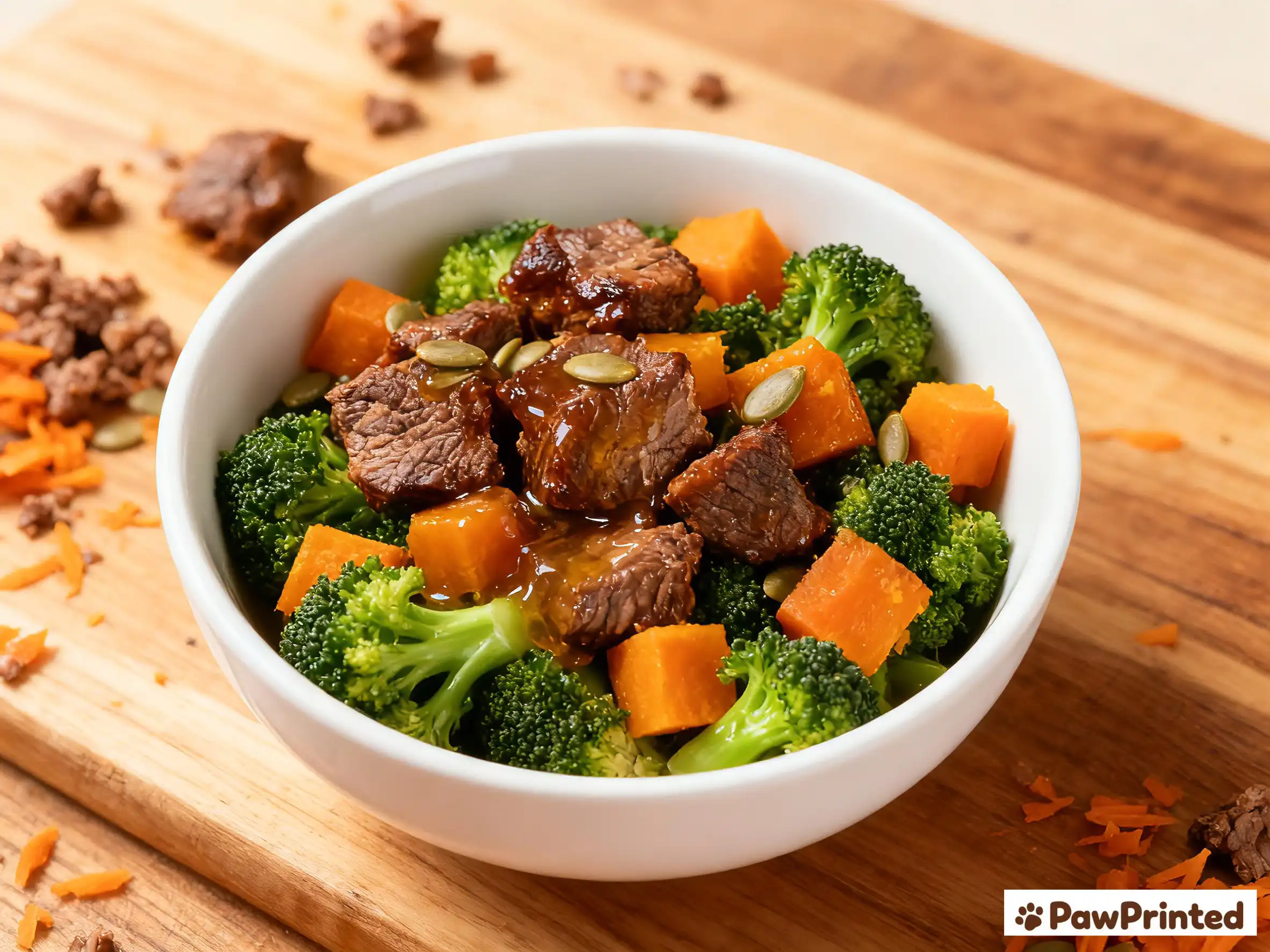
Broccoli Beef Antioxidant Comfort Stew
- – Medium pot
- Ladle
- Cutting board and knife
- – Measuring cups
- Lean ground beef or finely diced beef
- Small broccoli florets chopped very small
- Diced carrot
- Cooked rice or barley
- Low sodium beef or vegetable broth
- Vet approved calcium source
- Brown the beef in a pot, draining off any excess fat so the stew stays light.
- Add the finely chopped broccoli and carrot along with enough low sodium broth to cover.
- Simmer gently until the vegetables are very soft and easy to mash.
- Stir in the cooked grains to thicken the stew into a hearty but still spoonable texture.
- Remove from heat, add your calcium source, cool completely and then serve in measured portions based on your dog’s size.
Missing Link Superfood Mix on his regular meals. That way this stew can stay flexible and still fit into a consistent long term plan. When I cook a full pot, I like using the
T-fal 12 Qt Nonstick Stockpot for slow simmering and then freezing extra in
Souper Cubes 1/2 Cup Trays so it is easy to add a “comfort cube” on top of Ethan’s usual dry food.
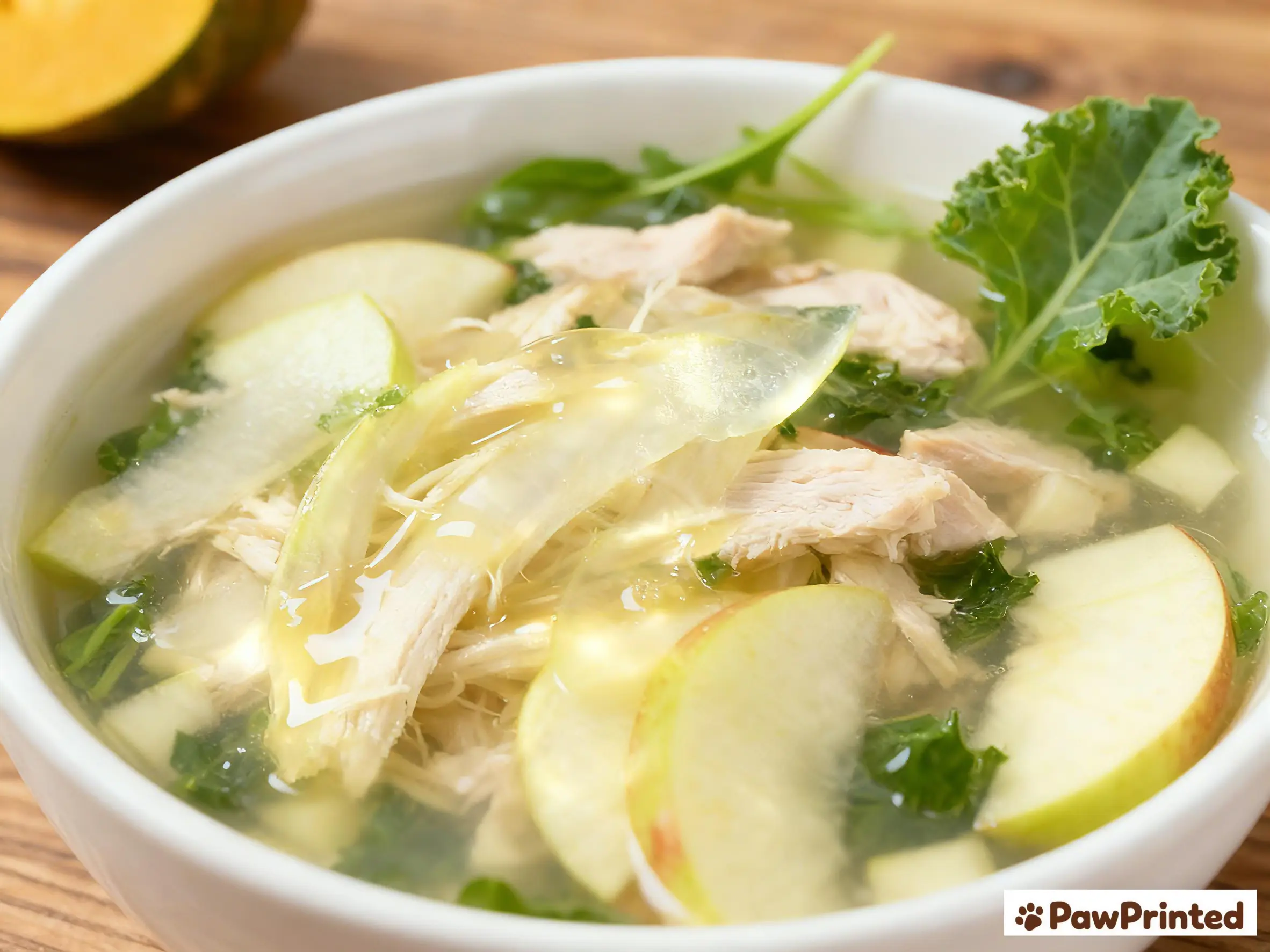
Apple, Spinach & Chicken Antioxidant Skillet
- Skillet or frying pan
- Wooden spoon
- Cutting board and knife
- Measuring tools
- Skinless chicken breast finely diced
- Peeled apple finely chopped (no seeds, no core)
- Finely chopped spinach
- Cooked millet rice or oats
- Splash of low sodium chicken broth
- Olive oil or other dog safe oil
- Cook the diced chicken in a lightly oiled skillet until fully done and slightly browned.
- Add the chopped apple and a splash of broth, cooking until the apple pieces are soft.
- Stir in the spinach and cooked grains, letting everything warm through and absorb the broth.
- Adjust the texture with a bit more broth if needed so the meal is moist but not soupy.
- Cool to room temperature before serving and monitor your dog the first few times to confirm apple sits well with their digestion.
Etekcity Digital Kitchen Scale to weigh Ethan’s finished bowl so his calories stay predictable across different recipes. If you want to split this meal for several small dogs, cooking the chicken mix in the
CAROTE 4 Cup Portion Control Pan lets you build neat, separate servings that are easy to cool, label and refrigerate for later in the week.
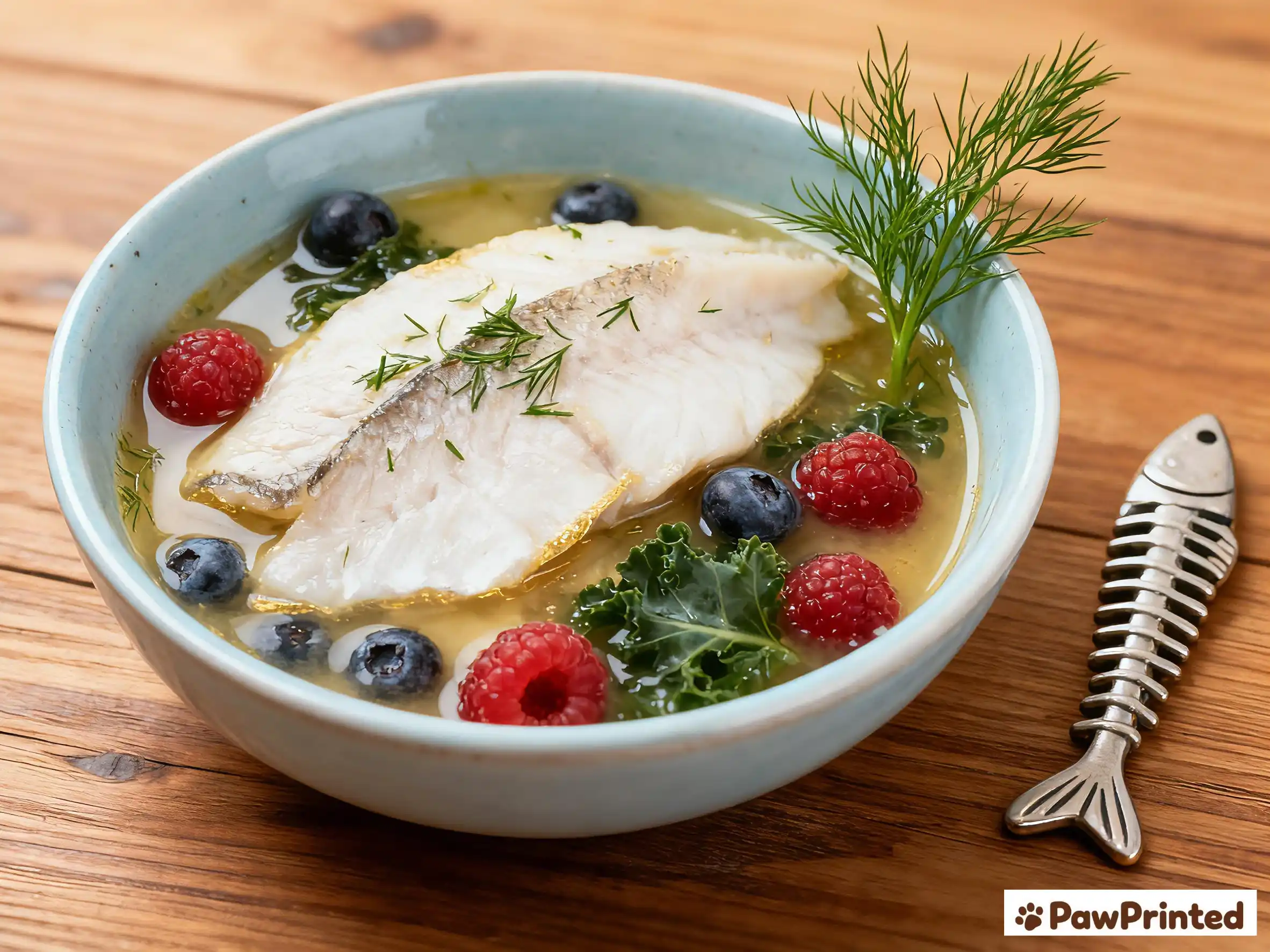
Mixed Berry & Whitefish Antioxidant Recovery Bowl
- Baking dish or saucepan
- – Mixing bowl
- Fork for flaking fish
- Measuring cups and spoons
- Whitefish fillet such as cod or pollock, cooked and flaked
- Cooked white rice or potato mash
- Small handful of mixed berries blueberries and raspberries, unsweetened
- Finely chopped zucchini or green beans
- Small amount of fish oil or flaxseed oil
- Calcium supplement as advised by your vet
- Bake or poach the whitefish until fully cooked, then flake carefully and remove any bones.
- Combine the fish with the cooked rice or potato in a bowl, creating a soft base.
- Fold in the finely chopped vegetables and the mixed berries, keeping the texture gentle.
- Add a small amount of oil and your calcium source, mixing until everything is evenly coated.
- Allow the bowl to cool fully, then serve in smaller, more frequent portions if your dog is coming back from a lower energy period.
Finn Salmon Oil when we are not cooking fish as often. It keeps the anti inflammatory support steady without forcing more frequent cook days. For dogs coming back from illness or a break in appetite, cooking a small batch in the
COOKER KING 3 Qt Ceramic Saucepan and freezing extra in
Souper Cubes 1/2 Cup Trays lets you thaw just a few gentle recovery portions at a time.
What Are Antioxidant Dog Meals?
Antioxidant dog meals are complete or complementary homemade recipes that prioritize ingredients rich in natural antioxidants like vitamins C and E, carotenoids, polyphenols, and omega 3 fats. In practice that means using ingredients such as blueberries, cranberries, spinach, kale, broccoli, pumpkin, sweet potato, and salmon or other oily fish, instead of building meals only around starch and basic protein.
These recipes are not meant to replace veterinary treatment for serious conditions. Instead, they give you a structured way to support the body’s own defenses against oxidative stress. That same logic sits behind our broader Immune Support Dog Food Guide and Anti-Inflammatory Dog Food Guide which you can use as companion reading if your dog has more complex health needs.
When Antioxidant Meals Help The Most
Antioxidant focused meals tend to be most useful for senior dogs, highly active dogs, breeds prone to joint issues, and dogs that already have skin, immune, or low grade inflammatory problems. They can also be a good fit after illness, surgery, or any period where your dog needed medications that might place extra stress on the liver and kidneys. If your dog has a specific diagnosis such as kidney disease, liver disease, or allergies, always cross check ideas here with your vet and resources like our Kidney Friendly Dog Food Guide or Hypoallergenic Dog Food Guide before making big changes.
For healthy adult dogs, these meals are usually introduced as part of a rotation: for example, one or two antioxidant recipes each week alongside your regular balanced homemade menu or a carefully chosen commercial diet. If you are mainly here for joint support, also review our Joint Support Dog Food Guide and Omega Rich Dog Food Guide to keep the bigger picture in mind.
How We Designed These 8 Antioxidant Dog Meals
These eight recipes were built using a simple but strict framework. First, every meal starts with a lean, dog friendly protein such as turkey, salmon, chicken, or lamb. Second, each bowl layers at least two high value antioxidant sources, mixing berries with orange vegetables or leafy greens so you are not depending on a single ingredient. Third, we monitor macronutrients using the same logic described in our Dog Food Macros Guide so protein, fat, and carbohydrate stay within reasonable ranges for most healthy adult dogs.
Finally, we plug in targeted supplements where they actually make sense. That means concentrated blueberry powder rather than trying to cram huge amounts of berries into every bowl, omega 3 fish oil instead of relying only on fish pieces, and joint supporting blends in meals aimed at older or stiffer dogs. For more context on how and why to add supplements, see our Dog Food Supplements Guide for safety checks, dosage concepts, and long term planning.
Explore More PawPrinted Guides
If you found this antioxidant collection helpful, these guides will help you round out your dog’s long term feeding plan with balanced nutrition, smarter supplements, and realistic routines.
Homemade Dog Food Guide
Learn the core rules of safe homemade feeding before you expand into more specialized recipes and functional bowls.
Immune Support Dog Food Guide
See how antioxidant recipes fit into a broader immune support strategy, from daily meals to occasional functional boosts.
Best Dog Health Supplements Guide
Compare the key supplement categories for joints, skin, gut, and immunity so you only invest in products that truly fit your dog.

How To Feed And Rotate These Antioxidant Meals
For most healthy adult dogs, antioxidant meals work best as part of a rotation instead of a complete replacement for their regular balanced diet. A simple starting point is using one antioxidant recipe once or twice a week, then gradually increasing to three or four days if your dog tolerates the ingredients well and your vet agrees with the plan. Our Portion and Serving Size Guide for Homemade Dog Food can help you scale each recipe to your dog’s size and calorie needs.
Many owners also like to keep a high quality commercial backup on hand, especially on busy days or during travel. If you do not want to cook every day, it is completely acceptable to rotate these eight antioxidant meals with a steady dry or wet food that you have already vetted using our Best Dog Food for Allergies Guide or Best Dog Food for Sensitive Stomach Guide depending on your dog’s situation.
Safety Notes Before You Change Your Dog’s Diet
Even though we are working with safe, dog friendly foods, antioxidant recipes still change the overall balance of nutrients, fiber, and calories in the bowl. If your dog has kidney disease, liver disease, pancreatitis, a history of urinary crystals, or is on long term medication, you must clear any new recipes with your veterinarian or a qualified nutrition professional first. That is especially important if you plan to feed homemade meals more than a few times per week.
Introduce new antioxidant meals slowly over at least 5 to 7 days, starting with a small portion mixed into your dog’s usual food. Watch for loose stool, vomiting, itch flare ups, or changes in energy. If anything feels off, step back to their previous diet and get advice before trying again. For a more structured approach to transitions, you can follow the step by step ideas in our Transitioning to Homemade Dog Food Guide and use it alongside this antioxidant focused collection.
Recommended Antioxidant Supplements and Kitchen Tools
To make these eight antioxidant meals practical in a real kitchen, we rely on a small set of vetted supplements and tools. The products below are chosen to match the recipes in this guide and to support a safe, repeatable cooking process at home.
Nutricost Organic Blueberry Powder
A 100 percent organic freeze dried blueberry powder that concentrates natural anthocyanins without fillers or sweeteners. This is an easy way to boost antioxidant density in turkey, chicken, or lamb based bowls without needing to overload the recipe with fresh fruit.
You can sprinkle a measured amount over finished meals or whisk it into a small amount of warm water before mixing with food. It fits especially well with berry focused recipes in this guide.
NaturVet Cranberry Formula With Echinacea
This powder combines cranberry extract, echinacea, and vitamin C to support urinary health and general immune function. It is useful when you build antioxidant meals for dogs that have a history of urinary discomfort or are prone to recurring infections.
The formula is safe for both dogs and cats and works best when used consistently in small, label guided amounts on top of wet or gently cooked meals.
The Missing Link Superfood Joint and Mobility Mix
A comprehensive joint support powder that blends glucosamine, chondroitin, MSM, omega fatty acids, and probiotics. It is designed to cushion and lubricate joints while also helping your dog absorb nutrients from food more efficiently.
This is a strong match for the mobility focused meals in this guide, especially those using salmon, sardines, or pumpkin. It can be layered into the bowl after cooking so heat does not damage sensitive components.
Alice and Eli Turmeric Curcumin Booster
A high purity turmeric formula with 95 percent curcuminoids, paired with MCT oil and fenugreek to improve absorption. It is aimed at everyday anti-inflammatory support for joints, muscles, and immune health.
This works particularly well in warm, soft meals for seniors or active dogs recovering from minor strains. Because it is concentrated, always follow label dosing and clear long term use with your vet.
Omega 3 Fish Oil For Dogs
A human grade fish oil blend made from small oily fish like anchovy, sardine, mackerel, and herring, purified to remove heavy metals. It delivers EPA and DHA to support skin, coat, joints, heart, and brain health.
The pump format makes it easy to portion directly into each bowl. For most antioxidant recipes in this guide, a small, label guided amount of fish oil is the final step that completes the anti-inflammatory profile.
T-fal 12 Quart Nonstick Stockpot
A large capacity nonstick stockpot suited for batch cooking antioxidant stews and broths. The even heating aluminum body helps avoid hot spots that can scorch delicate ingredients like berries or leafy greens.
If you cook for larger dogs or multiple pets, this pot makes it realistic to prepare several days of food in one session.
Cookerking 3 Quart Ceramic Saucepan
A ceramic saucepan that holds heat well and does not react with acidic or colorful ingredients such as berries and tomatoes. This makes it a good choice when you want gentle simmering and better flavor development in smaller antioxidant batches.
It suits everyday cooking for single dogs or smaller breeds and is easy to move from stove to serving area.
CAROTE 4 Cup Portion Control Pan
A divided nonstick pan that lets you cook up to four identical or slightly varied portions at once. This is helpful when you are testing different antioxidant ingredient combinations while keeping portions consistent.
It is particularly useful for owners who need strict calorie control or are cooking different sizes of meals for multiple dogs.
Souper Cubes 1/2 Cup Silicone Freezer Tray
A silicone freezer tray that freezes meals into consistent half cup blocks. This solves the common problem of freezing a full batch and then struggling to break off small portions later.
Once frozen, you can move the blocks into a labeled freezer bag and defrost only what you need, which keeps antioxidant recipes fresher and easier to handle.
Etekcity Digital Kitchen Scale
A compact digital scale with fine resolution that lets you weigh proteins, vegetables, oils, and supplements accurately. For antioxidant recipes, this is especially important when you are balancing new ingredients and do not want to rely only on rough estimates.
Using a scale also helps you repeat recipes with the same results and stay aligned with the portioning concepts in our macros and serving size guides.
Author and Review Notes
Emma and our veterinary reviewers designed this collection for real kitchens, not laboratory conditions. Every ingredient choice starts with safety and practicality, then moves into antioxidant density, texture, and long term sustainability for busy owners. Use this guide as a framework, not as a rigid prescription, and always loop your own vet into the conversation if your dog has complex medical needs.
FAQ – Antioxidant Dog Meals
Can I feed antioxidant dog meals every day?
In many cases you can feed antioxidant focused meals frequently, but daily use still needs to fit within a balanced overall diet. The recipes in this guide are designed as part of a rotation rather than as the only food your dog ever eats. If you want to feed them every day, you should review the full nutrient profile with a vet or canine nutrition professional, especially for large breed puppies, seniors, or dogs with chronic disease. In practice, many owners use these bowls two to four times per week and rely on a complete commercial food or a formulated homemade base for the remaining meals.
This blended approach keeps antioxidant intake high without increasing the risk of long term nutrient gaps. It also gives you more flexibility on busy days when cooking is not realistic, while still giving your dog the benefit of fresh ingredients several times a week.
Are antioxidant ingredients safe for dogs with sensitive stomachs?
Many antioxidant ingredients are gentle enough for sensitive stomachs when you introduce them slowly and choose low fat, low spice preparations. Blueberries, pumpkin, and sweet potato are often well tolerated, while some leafy greens or brassica vegetables may cause extra gas in certain dogs. If your dog has a history of digestive upset, you should first stabilize them on a simple, vet approved diet and only add new antioxidant recipes in small amounts once things are calm.
You can also lean on our sensitive stomach resources to shape your choices. Mix new recipes gradually, watch stool quality closely, and be ready to pause or adjust ingredients if your dog shows signs of discomfort or loose stool after changes.
Do I still need supplements if I use a lot of antioxidant foods?
Whole foods like berries, leafy greens, and orange vegetables provide an excellent antioxidant base, but in many cases concentrated supplements are still helpful. They can fill gaps that are hard to cover with food alone, such as higher levels of EPA and DHA from fish oil or joint specific ingredients like glucosamine and MSM. The goal is not to replace good food with powders, but to make sure the overall plan is complete and realistic for your lifestyle.
If you are already using a commercial food with added antioxidants, discuss the full ingredient list and your planned homemade recipes with your vet. Together you can decide whether to reduce existing supplements, adjust doses, or focus only on one or two targeted products instead of adding many at once.
How fast should I expect to see benefits from antioxidant meals?
Some changes happen quickly, while others are more gradual. Improvements in stool quality, energy, or enthusiasm around mealtimes may show up within a few days of introducing fresh, well balanced meals. Skin, coat, and joint related improvements often take several weeks to months because they depend on tissue turnover, reduced background inflammation, and consistent intake of key nutrients.
It helps to track a few simple markers such as itch frequency, coat shine, stiffness after rest, and general activity levels over time. That way you can judge whether these recipes and supplements are truly helping your individual dog rather than relying only on short term impressions.
Can I mix antioxidant meals with my dog’s current commercial food?
Yes, mixing homemade antioxidant meals with a stable commercial food is one of the safest ways to start. This approach allows you to preserve the guaranteed completeness of the commercial diet while layering in fresh, antioxidant rich ingredients several times a week. Start by replacing a portion of one daily meal with a small amount of homemade food and slowly adjust the ratio if your dog tolerates it well.
Make sure the total calorie intake remains appropriate for your dog’s weight and activity. If you are adding rich ingredients like oily fish, measure oils and fats carefully and consider reducing other calorie sources slightly to avoid unintended weight gain.
References – Authoritative Sources
- Antioxidants in Pet Foods (2013, American College of Veterinary Nutrition) – Overview of how antioxidants work in dog and cat diets, including common nutrients and their roles in health protection.
- Omega-3 Fatty Acids for Dogs (AKC Canine Health Foundation) – Summarizes evidence for EPA and DHA in joint, skin, and heart health, plus safety and dosing considerations for dogs.
- Use of Nutraceuticals in Canine Joint Disease (Journal of the American Veterinary Medical Association) – Reviews glucosamine, chondroitin, and related compounds for canine osteoarthritis and mobility support.
- Blueberries and Cranberries as Functional Ingredients (Tufts Veterinary Nutrition Service) – Discusses the potential benefits of berry derived polyphenols and their use in veterinary diets.
- Homemade Diets and Nutrient Balance in Dogs (WSAVA Global Nutrition Committee) – Explains common nutrient gaps in home prepared diets and the importance of expert formulation and supplementation.