No-bake dog treats are a simple way to reward your dog without turning the oven on or heating up a small kitchen. Most versions rely on pantry staples like oats, peanut butter, yogurt, and soft fruits to hold their shape, so you can mix, chill, and portion in a single bowl. For busy days or small apartments, that makes treat prep much more realistic than full baking sessions.
Skipping the oven also keeps textures naturally soft, which is helpful for senior dogs, small breeds, or dogs with dental sensitivity that struggle with very hard biscuits. Chilled cubes, soft bites, and frozen drops are easy for most dogs to chew and can double as enrichment or cooling rewards on warmer days. Instead of focusing on crunch, you are focusing on gentle texture and simple flavors.
The goal with no-bake treats is not to replace a balanced diet but to layer small, thoughtful extras on top of a stable main food. When you keep recipes short, rely on recognizable ingredients, and measure portions with a calm plan, no-bake treats can fit into everyday life without pushing calories or ingredients out of control.
🍪 8 No-Bake Dog Treat Recipes – A Simple Weekly Prep Collection
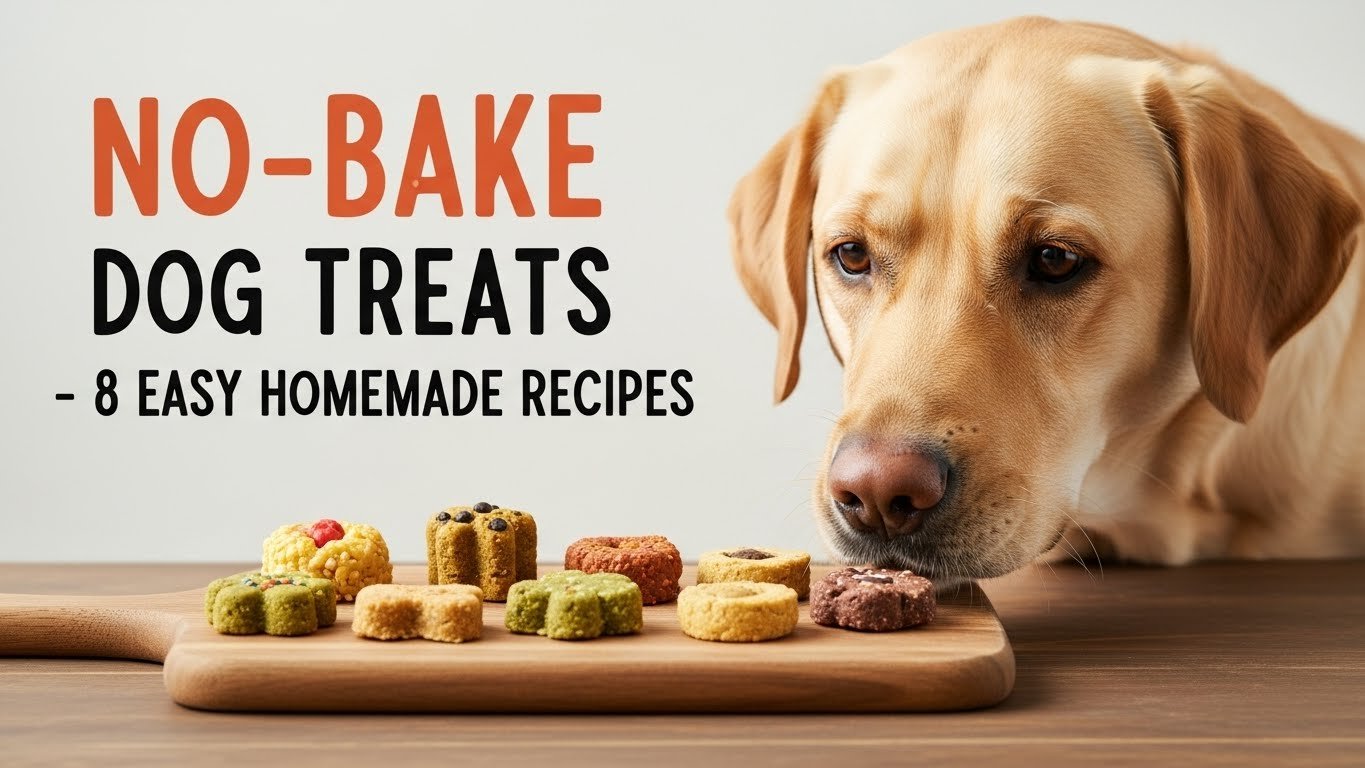
This collection brings together 8 soft, practical no-bake dog treat recipes that are easy to rotate through the week. Instead of testing random ideas one by one, you get a small system built for quick prep, freezer storage, and everyday use. It works especially well when you want simple homemade treats that feel manageable in real life.
📘 Click Above and You’ll Get
• A clean, printable 8-recipe collection with no clutter
• Exact ratios and texture guidance for each recipe
• Step flow based on vet-informed prep habits
• Batch prep, freezer storage, and portioning notes
• No ads, no pop-ups – just a simple version you can rely on
What You’ll Find in This Collection
Inside this guide, you’ll find 8 no-bake dog treat recipes organized as one simple, repeatable system. Some recipes are better for quick daily treats, some work best for freezer prep, and others are ideal when you want softer bites for training or gentler chewing.
- Peanut Butter Oat No-Bake Energy Bites – soft pantry-friendly rewards
- Turmeric Pumpkin Soft No-Bake Chews – fridge-set, gentle textured treats
- Blueberry Yogurt Frozen Drops – cool, bite-size frozen treats
- Banana Chia No-Bake Cookies – soft pressed cookies for small batches
- Coconut Oil Soft Cubes – rich occasional cubes for chilled serving
- Salmon Sweet Potato Mini Bites – soft, small training rewards
- Apple Cinnamon No-Bake Chews – tender fruit-based everyday chews
- Bone Broth Gelatin Frozen Cubes – smooth, lickable freezer treats
How to Use the Collection
You do not need to make all 8 recipes at once. Most people pick 2 or 3, prep a batch, and rotate them through the week depending on weather, energy level, and how much freezer space they have. The point is to make homemade treats easier to repeat, not more complicated to manage.
Why This Set Works Better Than Single Recipes
A single recipe can be helpful, but a small set works better in real life. This collection gives you multiple texture types, prep styles, and storage options so you are not stuck with one method every time. It helps reduce waste, lowers trial and error, and makes weekly prep feel more consistent.
Emma’s Notes
What helped me most was not finding one perfect treat. It was keeping a small collection I could repeat without thinking too hard every week. That is what this set does for me – it gives me enough variety to stay practical, but not so many options that prep turns into a project.
I usually keep the softer recipes in a stackable freezer container and label each batch so I can rotate them without guessing what needs to be used first. For the shaped recipes, a silicone baking mat makes the texture easier to handle and much easier to release cleanly.
Things to Watch
- Keep fruit-based and fish-based recipes chilled and freeze extras early.
- Rotate richer treats in smaller portions rather than using them every day.
- Use plain, dog-safe ingredients and keep seasonings extremely minimal.
🥜 Peanut Butter Oat No-Bake Energy Bites – Soft, Pantry-Friendly Treats for Dogs
These soft no-bake energy bites are made with natural peanut butter and quick oats, creating a chewy, easy-to-portion texture without any oven time. They are ideal when you want a simple homemade treat that comes together quickly and stores well for everyday rewards.
📘 What You’ll Get
• Clean, printable layout with no clutter or distractions
• Exact ratios so the texture holds without guesswork
• Step flow based on vet-informed prep habits
• Helps avoid sticky or overly soft mixtures
• No ads, no pop-ups – just a simple version you can rely on
Quick Overview
- Time: about 10–15 minutes plus chill time
- Difficulty: Easy
- Best For: quick no-bake treats, daily rewards, simple batch prep
- Focus: soft texture, easy shaping, pantry-friendly ingredients
Step-by-Step Instructions
- Mix the base. Stir natural peanut butter with a small splash of warm water until smooth, then fold in quick oats until the mixture becomes thick and easy to gather.
- Let it rest briefly. Give the mixture a few minutes so the oats can soften and absorb moisture more evenly before shaping.
- Roll or press into molds. Shape small bite-size balls by hand or press the mixture into molds if you want cleaner, more even portions.
- Chill until firm. Refrigerate or freeze until the bites hold their shape well enough to handle.
- Store in small batches. Move the finished bites into a flat container or freezer bag so they stay easy to grab a few at a time.
Why This Helps
This recipe works well when you need a soft, quick treat that does not require baking. The oat base helps the bites hold together, while chilling makes them easier to portion, store, and reuse throughout the week.
Emma’s Notes
I keep this mixture slightly soft so Ethan can bite through it easily without crumbs. When the kitchen is warm, I usually press it into a collapsible silicone freezer tray first and let it firm up before portioning.
Once set, I transfer the bites into a flat silicone freezer bag so they stay easy to grab. A small measuring scoop helps keep portions consistent across the week.
Things to Watch
- Use plain peanut butter with no added sweeteners and make sure it is completely xylitol-free.
- If the mixture feels too sticky, add oats gradually instead of all at once.
- Keep the finished bites chilled, as they soften quickly at room temperature.
🎃 Turmeric Pumpkin Soft No-Bake Chews – Gentle, Fridge-Set Treats for Dogs
These soft no-bake dog chews use pumpkin puree, a light touch of turmeric, and a simple oat-based binder to create a smooth, flexible texture that sets in the fridge. They are especially useful when you want a gentle, easy-to-chew treat without baking or extra cleanup.
📘 What You’ll Get
• Clean, printable version with no clutter or distractions
• Exact ratios so the texture sets soft but not sticky
• Step flow based on vet-informed prep habits
• Helps avoid overly wet or uneven batches
• No ads, no pop-ups – just a simple version you can rely on
Quick Overview
- Time: about 15 minutes
- Difficulty: Easy
- Best For: soft treats, gentle chewing, quick prep
- Focus: fridge-set texture, easy portioning
Step-by-Step Instructions
- Mix the wet base. Whisk pumpkin puree with oil and turmeric until smooth and evenly colored.
- Add the dry binder. Mix in oat flour gradually until the mixture becomes thick and spreadable.
- Shape the batch. Spread evenly or press into molds for consistent thickness.
- Chill until firm. Refrigerate until the texture holds its shape well. This is usually where I rely on a fixed ratio so I do not have to keep adjusting the consistency.
- Cut and store. Slice into small pieces and keep in a shallow container for easy daily use.
Why This Helps
These soft chews are useful when you want something gentler than baked treats. The chilled structure keeps them cohesive, while the pumpkin base makes them easy to portion and practical for everyday use without much preparation.
Emma’s Notes
I like these to stay soft but not sticky, so Ethan can chew them comfortably without breaking them apart too quickly. Using a silicone baking mat makes the texture more even and much easier to release.
Once set, I usually move them into a low stackable container so they stay organized and easy to grab.
For this one, I keep a consistent version of the ratios nearby because small changes in moisture can affect the final texture more than expected.
Things to Watch
- Use plain pumpkin puree, not pie filling.
- Keep turmeric light and evenly mixed.
- Store chilled to maintain texture.
🫐 Blueberry Yogurt Frozen Drops – Cool, Bite-Size Treats for Warm Days
These small frozen drops are made with plain yogurt and mashed blueberries. They are perfect for warm days when your dog needs something light, cool, and easy to enjoy. I usually make a batch ahead so I can grab a few straight from the freezer without prep.
📘 What You’ll Get
• Clean, printable layout with no clutter
• Exact ratios for smooth, pipeable texture
• Step flow based on vet-informed prep habits
• Helps avoid uneven sizes or melting issues
• No ads, no pop-ups – just a simple working version
Quick Overview
- Time: 10–15 minutes
- Difficulty: Easy
- Best For: hot days, light treats, quick prep batches
- Focus: smooth texture, easy piping, freezer-friendly
Step-by-Step Instructions
- Mix until smooth. Mash or blend blueberries into plain yogurt until the texture is even and lightly colored.
- Transfer for piping. Spoon into a piping bag or zip bag and cut a small opening for controlled dots.
- Pipe consistent drops. Pipe small dots onto a lined tray. This is usually where I rely on a fixed ratio so I do not adjust midway.
- Freeze until firm. Place the tray flat in the freezer until the drops fully set.
- Store for easy access. Transfer into a container where you can grab a few at a time without clumping.
Why This Helps
Keeping the texture smooth and the size consistent makes these treats easier to portion and store. Small drops freeze faster, release more cleanly, and let you control how much your dog eats in one session without overdoing it.
Emma’s Notes
I keep these drops small so Ethan can enjoy a few at a time without it feeling too cold or heavy. The size really makes a difference here.
I usually pipe everything onto a flat tray with a silicone baking mat because it releases cleanly and keeps the shapes neat.
When I batch these, I follow the same layout each time so I do not have to adjust texture or spacing halfway through. It just makes the whole process smoother.
Things to Watch
- Use plain yogurt only and avoid any added sweeteners like xylitol.
- Keep the mixture smooth so the drops hold shape after freezing.
- Serve gradually, especially for dogs sensitive to cold textures.
🍌 Banana Chia No-Bake Cookies – Soft, Pressed Treats That Hold Together Easily
These soft no-bake cookies are made with mashed banana, chia seeds, and a simple dry base. They are pressed instead of baked, then chilled until they hold their shape. I like making a small batch ahead so they are ready to grab without extra prep.
📘 What You’ll Get
• Clean, printable layout with no clutter
• Exact ratios for soft but stable dough
• Step flow based on vet-informed prep habits
• Helps avoid sticky, cracking, or overly dense cookies
• No ads, no pop-ups – just a simple working version
Quick Overview
- Time: 15 minutes + chill time
- Difficulty: Easy
- Best For: soft treats, gentle chewing, quick prep batches
- Focus: soft texture, press shaping, stable hold
Step-by-Step Instructions
- Mix and thicken. Mash banana until smooth, then stir in chia seeds and let it sit briefly to thicken.
- Build the dough. Fold in ground oats or your dry base until a soft dough forms that can hold shape when pressed.
- Press into rounds. Scoop small portions and press into flat cookies. This is usually where I rely on a fixed ratio so I do not adjust midway.
- Chill to set. Place on a lined tray and chill until firm enough to lift cleanly.
- Store gently. Keep in a container with light stacking so the cookies do not compress.
Why This Helps
Pressed no-bake cookies can easily become too soft or too dense if the balance is off. Keeping the mixture stable and the thickness consistent makes them easier to handle, store, and portion without breaking or sticking.
Emma’s Notes
I keep these cookies fairly thin so they chill faster and stay easy to bite. Thicker ones tend to stay too soft in the center.
I usually press them directly onto a silicone baking mat because it helps them release cleanly without reshaping.
When I make a batch, I try to keep the size and thickness consistent so everything sets evenly. It saves a lot of small adjustments while working.
Things to Watch
- Do not skip the chia resting step – it helps bind the mixture naturally.
- Avoid adding too much dry base too quickly, or the cookies may turn dense.
- Keep chilled and use within a few days, or freeze extras for longer storage.
🥥 Coconut Oil Soft Cubes – Small, Rich Treats That Chill and Portion Easily
These soft coconut oil cubes are made to firm up in the fridge or freezer, which makes them easy to portion into small pieces. They work best as occasional treats when you want something simple to prep ahead and keep chilled for later.
📘 What You’ll Get
• Clean, printable layout with no clutter
• Exact ratios for a smooth, set texture
• Step flow based on vet-informed prep habits
• Helps avoid oily separation or uneven cube size
• No ads, no pop-ups – just a simple working version
Quick Overview
- Time: 10–15 minutes plus chill time
- Difficulty: Easy
- Best For: small occasional treats, freezer prep, quick portioning
- Focus: smooth texture, easy unmolding, chilled storage
Step-by-Step Instructions
- Melt the base gently. Warm the coconut oil just until liquid, then whisk with your liquid base until the mixture looks smooth and even.
- Add supporting ingredients. Stir in any dry elements while keeping the texture pourable enough to settle neatly into small molds.
- Fill the mold evenly. Pour into a silicone tray or shallow mold. This is usually where I rely on a fixed ratio so I do not adjust midway.
- Chill until fully set. Place the tray in the fridge or freezer until the cubes are firm enough to lift out cleanly.
- Store in small layers. Move the finished cubes into a bag or container where they stay separated and easy to grab.
Why This Helps
Richer soft cubes can become messy fast if the texture is off or the portions are too large. Keeping the size small and the set firm makes them easier to handle, easier to store, and simpler to serve occasionally without overdoing it.
Emma’s Notes
I keep these cubes small on purpose because they are richer than most of my everyday treats. That way Ethan can enjoy one without it feeling like too much at once.
I usually pour them into a flexible silicone tray because it makes unmolding much easier once the oil firms up.
After that, I move them into a silicone freezer bag in a single layer or with light separation so they do not fuse together. When I make a batch, I keep the fill level consistent so the cubes set evenly and stay easy to portion later.
Things to Watch
- Introduce coconut oil slowly and use very small portions at first.
- Keep these as occasional treats rather than an everyday snack.
- Handle quickly once removed from the fridge or freezer, since they soften fast at room temperature.
🐟 Salmon Sweet Potato No-Bake Mini Bites – Soft, Small Rewards for Training Days
These soft no-bake mini bites combine cooked salmon with mashed sweet potato and a simple binder. They are especially useful when you want very small rewards that are easy to portion, easy to chill, and practical to keep ready for short training sessions.
📘 What You’ll Get
• Clean, printable layout with no clutter
• Exact ratios for soft, stable texture
• Step flow based on vet-informed prep habits
• Helps avoid crumbly, uneven, or oversized bites
• No ads, no pop-ups – just a simple working version
Quick Overview
- Time: about 20 minutes plus chill time
- Difficulty: Easy
- Best For: training rewards, freezer prep, small high-value treats
- Focus: soft texture, mini sizing, contained storage
Step-by-Step Instructions
- Flake and mix the base. Flake cooked, cooled salmon very finely, removing any skin or visible bones, then mix with mashed sweet potato until smooth.
- Add the binder gradually. Stir in ground oats or another dry binder a little at a time until the mixture holds together like a soft dough.
- Shape small bites. Roll into tiny pieces or press into shallow molds. This is usually where I rely on a fixed ratio so I do not adjust midway.
- Chill until firm. Refrigerate until the bites are set enough to pick up cleanly without crumbling.
- Store in small layers. Keep the finished bites in a shallow container so they stay separate and easy to portion out.
Why This Helps
Tiny training bites work best when the texture is soft enough to chew quickly but stable enough not to smear or fall apart. Keeping the size small and the batch consistent makes these easier to use during repeated rewards without overfeeding or slowing the session down.
Emma’s Notes
I keep these pieces very small because I want Ethan focused on the next cue, not stuck chewing a larger reward. It also helps control how much fish he gets across a full training session.
I usually let them chill on a silicone mat first, then move them into a freezer-safe container so the smell stays contained and the pieces stay separate.
On training days, I only take out a small amount at a time and carry them in a treat tote instead of bringing the whole batch out. That keeps the texture cleaner and makes the portion easier to manage.
Things to Watch
- Use plain cooked salmon with no added seasoning, oil, or salt.
- Keep the bites very small so they stay appropriate for repeated rewards.
- Freeze extra portions early, since soft fish-based treats do better in short chilled batches.
🍎 Apple Cinnamon No-Bake Chews – Soft, Tender Fruit Chews That Hold Their Shape
These soft no-bake chews are made with finely grated apple, a small pinch of cinnamon, and a simple oat-based binder. They work well when you want a fruit-forward treat that feels gentle, shapes neatly, and stays easy to portion for a few days at a time.
📘 What You’ll Get
• Clean, printable layout with no clutter
• Exact ratios for damp but workable dough
• Step flow based on vet-informed prep habits
• Helps avoid wet pockets, cracking, or overly dense chews
• No ads, no pop-ups – just a simple working version
Quick Overview
- Time: about 20 minutes plus chill time
- Difficulty: Easy
- Best For: soft fruit treats, small batches, gentle everyday rewards
- Focus: moisture balance, easy shaping, short-term chilled storage
Step-by-Step Instructions
- Prep the apple carefully. Peel and finely grate the apple, then squeeze out excess juice so it stays damp but not dripping.
- Build the dough. Mix the grated apple with ground oats and a very small pinch of cinnamon until it forms a soft, workable dough.
- Press into shapes. Press into small bars or cut shapes on a lined tray. This is usually where I rely on a fixed ratio so I do not adjust midway.
- Chill to set. Refrigerate until the chews hold together when lifted gently.
- Store in small batches. Keep a few ready for daily use and freeze extras if needed.
Why This Helps
Fresh fruit can make no-bake dough tricky because too much moisture leaves the chews soft and fragile, while too much dry base makes them dense. Keeping the apple fine and the dough balanced makes these easier to shape, easier to chill, and easier to portion without falling apart.
Emma’s Notes
I keep the cinnamon extremely light so the flavor stays gentle and the apple still comes through. Finely grating the apple makes a big difference here because it helps the mixture bind without leaving wet pockets.
I usually press these with a set of bone and paw cutters when I want neater shapes, but I still keep them fairly small so they chill through evenly.
Once set, I keep a few days’ worth in a ceramic treat jar and freeze extras in a glass storage jar so I can rotate small batches without the chews drying out too quickly.
Things to Watch
- Remove the apple core and seeds completely before grating.
- Use only a very small amount of cinnamon and avoid sweetened spice blends.
- Because these are fruit-based and moist, keep them chilled and freeze extras early.
🧊 Bone Broth Gelatin Frozen Cubes – Cool, Lickable Treats That Set and Store Easily
These broth-based frozen cubes are made with low-sodium bone broth and a simple gelatin base. They work well when you want a cool, light treat that can be portioned ahead, frozen in small sizes, and served one at a time without extra prep.
📘 What You’ll Get
• Clean, printable layout with no clutter
• Exact ratios for a smooth gelatin set
• Step flow based on vet-informed prep habits
• Helps avoid weak set, uneven molds, or messy storage
• No ads, no pop-ups – just a simple working version
Quick Overview
- Time: 10–15 minutes plus chill and freeze time
- Difficulty: Easy
- Best For: cool treats, freezer prep, one-at-a-time serving
- Focus: clean set, small portions, simple frozen storage
Step-by-Step Instructions
- Warm and dissolve. Warm low-sodium bone broth gently and whisk in gelatin until the mixture looks fully smooth with no visible granules.
- Cool slightly before pouring. Let the mixture sit until warm rather than hot so it pours more neatly and is easier to control.
- Fill the molds evenly. Pour into silicone molds or a cube tray. This is usually where I rely on a fixed ratio so I do not adjust midway.
- Chill to set. Refrigerate until the gelatin firms up, then move the cubes into the freezer for a colder, more durable finish.
- Store in single layers. Keep the finished cubes in a container where they stay easy to lift out one at a time.
Why This Helps
Broth cubes work best when they set firmly enough to unmold cleanly but stay smooth and pleasant to lick. Keeping the ratio stable and the mold size consistent makes them easier to portion, easier to store, and much less messy to serve from the freezer.
Emma’s Notes
I like using smaller molds here so Ethan can finish one cube without leaving a half-melted piece behind. It keeps the whole thing tidier and easier to manage.
I usually pour into a silicone ice cube tray because the cubes pop out much more cleanly once the gelatin firms up.
After that, I move them into a labeled freezer container and add food-safe date labels so I know exactly which broth batch I am using that week. Keeping them in a single layer makes them much easier to grab one by one.
Things to Watch
- Use bone broth that is low in sodium and free from onions, garlic, or added seasonings.
- Let the mixture cool slightly before pouring so it fills the molds more neatly.
- Serve one cube at a time and watch footing if your dog enjoys frozen treats on slick floors.
Some links above are affiliate links. They never cost you extra, and they help us keep testing foods, tools, and daily routines with Ethan so these guides stay honest and practical.
Nutrition Profile – What No-Bake Treats Add To Your Dog’s Routine
No-bake dog treats are still treats, so they should sit in the snack category rather than the main calorie source. The advantage is that you can choose whole-food ingredients and keep the list short. Oats, chia seeds, and pumpkin can add gentle fiber, while yogurt and bone broth contribute moisture and a softer mouthfeel. Peanut butter, coconut oil, and salmon provide fats that make treats more appealing but also increase calories quickly.
Because there is no baking step, heat-sensitive nutrients in fruits, herbs, and certain oils are less likely to be lost. Blueberries, turmeric, and cinnamon are often used in small amounts for antioxidant or flavor support, while banana, apple, and sweet potato round out texture and color. The flipside is that moisture and fat are both still fully present, so storage and portion control matter more than with dry, shelf-stable biscuits.
From a nutrition perspective, the safest way to use no-bake treats is to treat them as small bonuses that stay within roughly 10 percent of your dog’s daily calories. That way you can enjoy fun ingredients and seasonal flavors without crowding out the complete nutrition coming from your dog’s main food.
Best Ways To Use No-Bake Dog Treats Day To Day
No-bake treats work best when they are tied to clear daily moments instead of being handed out without a plan. Chilled bites can be used after walks, frozen cubes can be part of a cool-down routine on warm afternoons, and soft chews can pair with short training sessions where you need something easy to swallow. Using specific recipes in specific situations keeps both you and your dog calmer about expectations.
Texture is also something you can deliberately match to your dog’s needs. Soft energy bites roll well for food puzzles or snuffle mats, while firmer no-bake cookies hold their shape better in treat pouches. Gelatin cubes and yogurt drops work nicely straight from the freezer for dogs that enjoy icy textures and do not eat too fast. Thinking about how the treat behaves in real life helps you choose the right style for each dog and each day.
Finally, no-bake treats can be paired with non-food rewards so that you are not relying on snacks alone. A short play session, brushing time, or cuddle moment can sit next to a single bite instead of several pieces in a row. Over time, your dog learns that the whole routine is rewarding, not just the snack itself.
Emma’s Notes – How I Prep No-Bake Treats At Home
In my own kitchen I treat no-bake dog treats like a small weekly project, not a daily task. I usually pick one or two recipes, mix the base in a stand mixer so everything blends evenly, then portion into small bites using silicone molds or a small scoop. That keeps my hands cleaner and helps the pieces stay similar in size, which makes calories easier to estimate later.
Cooling and setting time is where patience pays off. I press mixtures firmly into molds or flatten them in shallow containers so there are no loose pockets that crumble when I cut or pop them out. For frozen treats, I leave enough space between cubes so they release cleanly instead of freezing into one block. If the mix feels too sticky, a small amount of extra rolled oats or finely ground flakes usually helps without changing flavor much.
Storage is the last step I never rush. I always label containers with the recipe name and the prep date before they go into the fridge or freezer. A simple rotation rule helps: fridge treats get used within three to four days, while frozen treats are best within about one month so textures stay inviting and freezer odors do not creep in.
Vet Review Notes
From a veterinary perspective, the main question with no-bake dog treats is not whether baking is present but whether the overall pattern stays balanced and thoughtful. Skipping the oven does not automatically make a treat healthier, and it does not make it risky by itself either. What matters most is ingredient choice, total calories, and how often these treats are served alongside a complete and balanced base diet.
Many no-bake recipes are naturally higher in fat because they rely on nut butters, oils, or rich dairy to hold shape without cooking. For dogs with sensitive digestion, pancreatitis history, or strict weight goals, this means portion control and ingredient swaps are essential. Choosing lower fat bases, using thinner layers, and cutting smaller cubes can keep enjoyment without overwhelming the digestive system. For most healthy adult dogs, a few small no-bake treats within daily calorie limits are usually well tolerated.
Owners should also be mindful of food safety and hygiene. Because the mixtures are not baked, proper refrigeration, clean tools, and sensible discard times are more important. When in doubt, smaller batches, cooler storage, and clear communication with your primary vet about any medical history will keep no-bake treats in the safe, fun category instead of creating avoidable digestive issues.
Vet Summary Card
No-bake dog treats can be a safe, enjoyable part of a healthy routine when they are built from simple ingredients, kept within sensible calorie limits, and stored correctly. The absence of baking does not automatically improve or harm nutrition, so focus instead on fat levels, total treat volume, and how each recipe fits next to a complete main diet. If your dog has a medical condition or a history of digestive upset, discuss any new treat pattern with your veterinarian first and start with very small portions while you monitor stool quality, comfort, and weight over time.
Feeding Notes For Dogs Enjoying No-Bake Treats
A practical starting point is to keep all treats, including no-bake recipes, within about 10 percent of your dog’s daily calories. For many medium sized dogs this means a small handful of pieces per day rather than a continuous stream of bites. Using a measuring spoon or kitchen scale when you portion the mixture helps you understand how many pieces equal one serving for your dog, instead of guessing by eye each time.
Think about the rest of the day when you decide when to offer no-bake treats. If you know a training session or family gathering will involve extra snacks, you can reduce other treat moments to keep the total reasonable. On quieter days you might skip treats entirely or offer just one or two small cubes as a calm enrichment activity. For dogs that gain weight easily, it can be helpful to slightly reduce the main meal on treat-heavy days, but any adjustment should stay modest and consistent.
Finally, watch your dog’s body language and stool quality as ongoing feedback. Softer stools, gurgly stomach sounds, or restless behavior after treats can signal that fat content, portion size, or ingredient choice needs adjusting. When everything is working well, your dog should stay eager for mealtime, maintain a stable weight, and enjoy no-bake treats as a small extra instead of the main highlight of the day.
FAQ – No-Bake Dog Treats
Are no-bake dog treats safe for most dogs?
No-bake dog treats are usually safe for healthy adult dogs when they are made from dog-friendly ingredients and fed in small amounts. The key is to avoid toxic foods like chocolate, raisins, xylitol, excessive salt, and heavily sweetened human snacks, and to keep recipes focused on simple items such as oats, pumpkin, plain yogurt, and small amounts of nut butters. Because these treats are not cooked, they sometimes retain more moisture and fat, which can upset digestion if portions are large or very rich.
Start with small pieces, offer them after your dog has tolerated their regular food well, and monitor stool quality and energy over the next day. If your dog has a history of pancreatitis, food allergies, or chronic digestive issues, discuss any new treat plan with your veterinarian first and adjust recipes to match their specific medical needs and fat limits.
How often can I give my dog no-bake treats?
Most dogs do well when total treats, including no-bake recipes, stay under about 10 percent of their daily calories. In practice that often means one or two small treat sessions per day, with just a few pieces each time, rather than frequent snacking throughout the day. Smaller dogs, less active dogs, and dogs on weight control plans will need fewer pieces, while highly active working dogs might tolerate slightly more.
A simple way to stay on track is to decide in advance which part of the day is “treat time” and only serve no-bake recipes in those windows. If you know a special event or training session will involve extra treats, you can skip other treat moments or slightly reduce regular portions under veterinary guidance. The goal is to enjoy variety without letting treats quietly add up and push weight or digestion off balance.
Do no-bake dog treats need to be refrigerated?
Most no-bake dog treats should be stored in the fridge or freezer because they contain perishable ingredients and retain more moisture than fully baked biscuits. Mixtures with yogurt, fresh fruit, bone broth, or meat based ingredients are not shelf stable at room temperature and can spoil or grow bacteria if left on the counter for long periods. Chilling also helps many recipes firm up so they hold their shape better when you remove them from molds or cut them into squares.
As a general guideline, fridge storage works well for two to four days, while frozen treats can keep their texture for several weeks if well sealed. Use shallow containers, silicone molds, or freezer safe bags, and label everything with the recipe name and prep date so you rotate older batches first. If anything smells odd, looks discolored, or has visible mold, it is safest to discard it rather than risk digestive upset.
Can puppies have no-bake dog treats?
Puppies can often enjoy small amounts of no-bake treats as long as the recipes are very simple, soft in texture, and built around ingredients that are safe for growing dogs. Because puppies have higher nutrient needs and smaller stomachs, their main diet should come from a complete and balanced puppy food, and treats should take up only a very small portion of total calories. Overly rich mixtures with lots of fat, sweeteners, or heavy add-ins can quickly upset a puppy’s digestion.
When you first introduce a no-bake recipe, start with a pea sized portion and watch for any loose stool, itching, or changes in appetite over the next day. Avoid nuts that are not clearly safe for dogs, and stay away from large amounts of dairy if your puppy shows signs of lactose sensitivity. If you are unsure which ingredients or amounts are appropriate for your puppy’s age and breed, check with your veterinarian before making no-bake treats part of your regular routine.
Are no-bake dog treats healthier than store-bought biscuits?
No-bake dog treats are not automatically healthier than store-bought biscuits, but they do give you more control over ingredients and portion size. When you make treats at home you can skip artificial colors, extra salt, and added sugars, and focus instead on recognizable items like oats, pumpkin, banana, or a small amount of peanut butter. That can be an advantage for owners who want shorter ingredient lists or who are trying to avoid specific additives.
However, homemade recipes can still be very high in fat or calories if oil, cheese, or nut butters are used generously, and they do not replace the need for a balanced main diet. Some commercial treats are carefully formulated and batch tested, while homemade recipes depend entirely on how they are chosen and prepared. Thinking of no-bake treats as flexible, occasional extras rather than daily staples is the safest way to enjoy their benefits without assuming they are superior in every situation.
References – Authoritative Sources
PetMD Editorial Team (2023), “Homemade Dog Food: Is It Right for Your Dog?”, PetMD. https://www.petmd.com/dog/nutrition/homemade-dog-food Overview of the benefits and risks of home-prepared diets, including the importance of balance and veterinary guidance.
American Kennel Club (2021), “How to Make Dog Treats”, AKC. https://www.akc.org/expert-advice/lifestyle/how-to-make-dog-treats/ Practical guidance on safe ingredients, portion control, and storage for homemade dog treats.
Cummings School of Veterinary Medicine at Tufts University (2020), “Homemade Pet Food: A Healthy Option or Recipe for Disaster?”. https://vetnutrition.tufts.edu/2020/03/homemade-pet-food-a-healthy-option-or-recipe-for-disaster/ Discussion of nutritional completeness, common mistakes, and when to seek a veterinary nutritionist.
WSAVA Global Nutrition Committee (2013), “Guidelines on Selecting Pet Foods”.
Nutrition Guidelines
Global recommendations on evaluating pet food quality and the role of treats in overall feeding plans.American College of Veterinary Nutrition (ACVN), “Frequently Asked Questions”. https://acvn.org/faqs/ Answers to common questions about home-prepared diets, supplementation, and when to seek specialist support.
Explore More
Ready to go deeper into homemade treats and seasonal ideas for your dog? These guides expand on no-bake basics with health focused insights and more recipe collections you can rotate through across the year.
No-Bake Dog Treats Health Guide
Learn how no-bake ingredients, portion sizes, and storage choices affect your dog’s digestion, weight, and daily routine before you commit to a regular pattern.
Vet-Approved Dog Treat Recipes
Explore a wider library of homemade dog treat recipes that have been built with veterinary input, from baked biscuits to soft training bites and seasonal specials.
Nourishing Winter Treats Collection
Find five comforting winter-friendly dog treats that pair naturally with the no-bake recipes in this guide, including warmer flavors and cozy textures for colder months.
Schema Integration
Peanut Butter Oat No-Bake Energy Bites
- Mixing bowl or stand mixer
- Spatula or mixing spoon
- Measuring cups and spoons
- Silicone molds or parchment-lined tray
- Airtight container for storage
- 1 cup rolled oats lightly pulsed for a softer texture
- 1/2 cup smooth unsweetened peanut butter suitable for dogs (no xylitol)
- 1/2 medium ripe banana well mashed
- 1 –3 tablespoons water or low sodium broth as needed to bring the mix together
- Mix the base
- Add the rolled oats, smooth dog-safe peanut butter, and mashed ripe banana to a medium mixing bowl or stand mixer. Stir or mix until everything looks evenly coated and the mixture starts to clump together when pressed with a spoon.
- Adjust texture and shape bites
- Splash in 1 tablespoon of water or low sodium broth at a time if the mix feels too dry or crumbly. When the dough holds together easily, roll or scoop it into small bite-size balls and place them on a parchment-lined tray or into silicone molds.
- Chill and store
- Chill the tray in the refrigerator for about 30 minutes, or until the bites feel firm enough to lift cleanly. Transfer the set bites into an airtight container and store in the fridge for a few days or freeze for longer storage.