No-bake dog treats look simple on the surface: mix a few gentle ingredients, chill, and serve. But once you start using them regularly, they become part of your dog’s overall nutrition pattern, not just a cute kitchen project. That is where the health questions appear – how much is too much, what actually works without baking, and when should you slow down.
In this guide, I am not trying to turn every no-bake bite into a medicine. Instead, I want to show how chilled and frozen treats can support training, joints, digestion, skin, and even hydration when you choose ingredients with a clear purpose and keep portions under control.
Health Support Ideas For Each No-Bake Treat Function
In the no-bake recipes collection, each chilled or frozen treat leans toward a different role: training focus, joint comfort, antioxidant support, digestion, skin health, weight control, and hydration. Here, I am not rewriting the recipes. Instead, I am matching each function with a small number of health tools that fit naturally beside those bowls.
Think of the no-bake recipes as the enjoyable front stage and these products as quiet back stage support. The goal is not to stack supplements, but to pick one or two steady helpers that match the treats you use most often and what your dog genuinely needs over months, not days.
Daily Multivitamin Chews for Training Treat Dogs (No-Bake Friendly)
These soft multivitamin chews are easy to pair with no-bake training treats, adding quiet nutrition while you work on cues and focus. They are designed for daily use, sit well beside small peanut butter oat bites, and help round out micronutrients without overloading calories in reward heavy days.
Specs
- Form: Soft chew multivitamin
- Main Function: Daily vitamin and mineral coverage
- How To Use: Offer with or alongside no-bake training treats
- Best For: Dogs doing frequent training or needing steady baseline nutrition
- Frequency: Once daily per label or vet guidance
What We Loved
- Pairs naturally with small no-bake peanut butter bites on training days
- Soft chew texture is easy for most dogs to take without hiding in food
- Lets you keep training treats tiny while still backing them with real nutrition
Could Be Better
- Still need to count total calories from both chews and no-bake treats
- Very sensitive dogs may need a slow, half chew intro at first
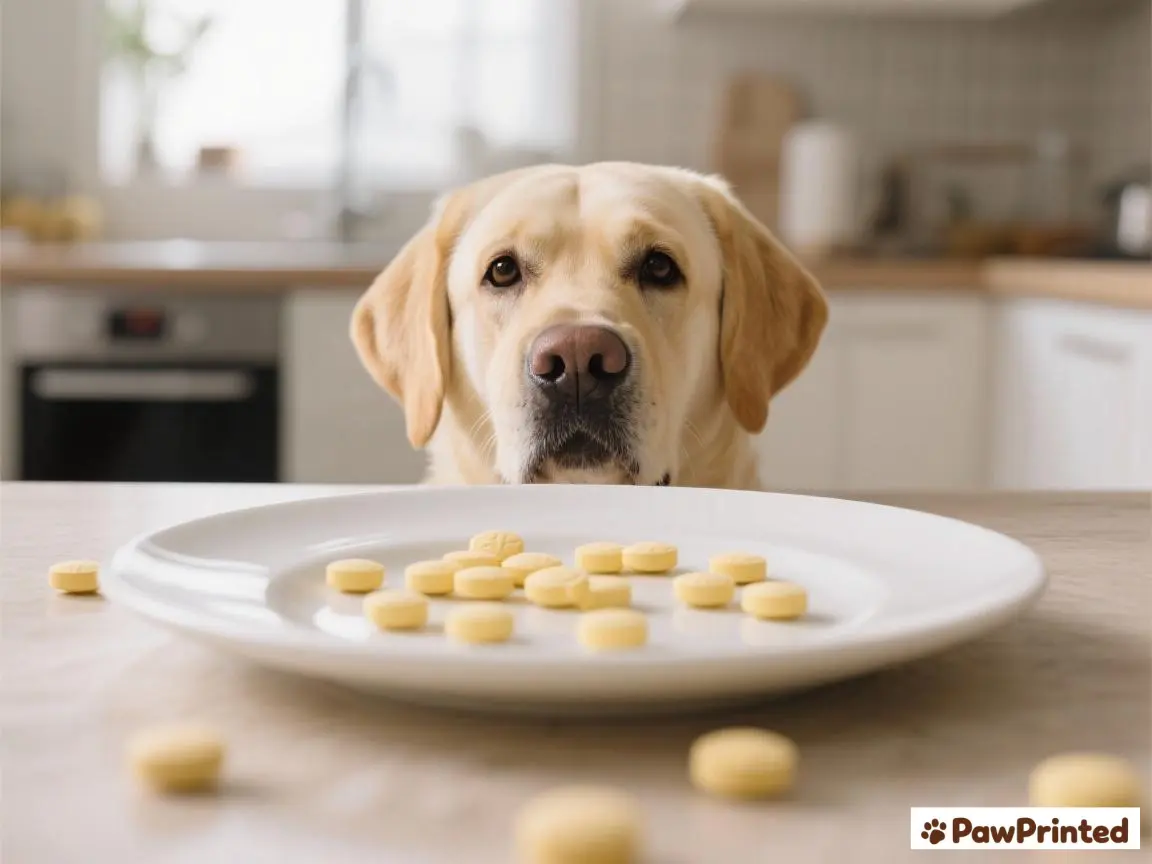
On heavier training weeks, I keep Ethan’s actual no-bake peanut butter oat energy bites very tiny and lean, then use a single daily multivitamin chew as his one bigger “anchor treat”. It keeps his micronutrition steady while most of the rewards stay small and skill focused. For dogs that already love soft chews, rotating in a gentle all round multivitamin or a simpler everyday vitamin chew can make no-bake training days feel more balanced without turning every session into a calorie bomb.
Green-Lipped Mussel Joint Powder for Dogs (Natural Anti-inflammatory Support)
This joint-focused mussel powder pairs naturally with the turmeric-pumpkin no-bake chews, giving a gentle omega-rich lift without heat-sensitive nutrient loss. A small daily sprinkle helps stiffness, post-play soreness, and aging-joint comfort.
Specs
- Form: Fine green-lipped mussel powder
- Main Function: Natural anti-inflammatory joint support
- How To Use: Mix into wet food or soft chews
- Best For: Senior dogs, stiff dogs, athletic dogs
- Frequency: Daily or as vet advises
What We Loved
- Omega-3 and joint nutrients stay intact with no-bake use
- Mild seafood aroma mixes easily into moist treats
- Great starter option for early joint support
Could Be Better
- Introduce slowly for picky dogs
- Needs consistent daily use for full benefit
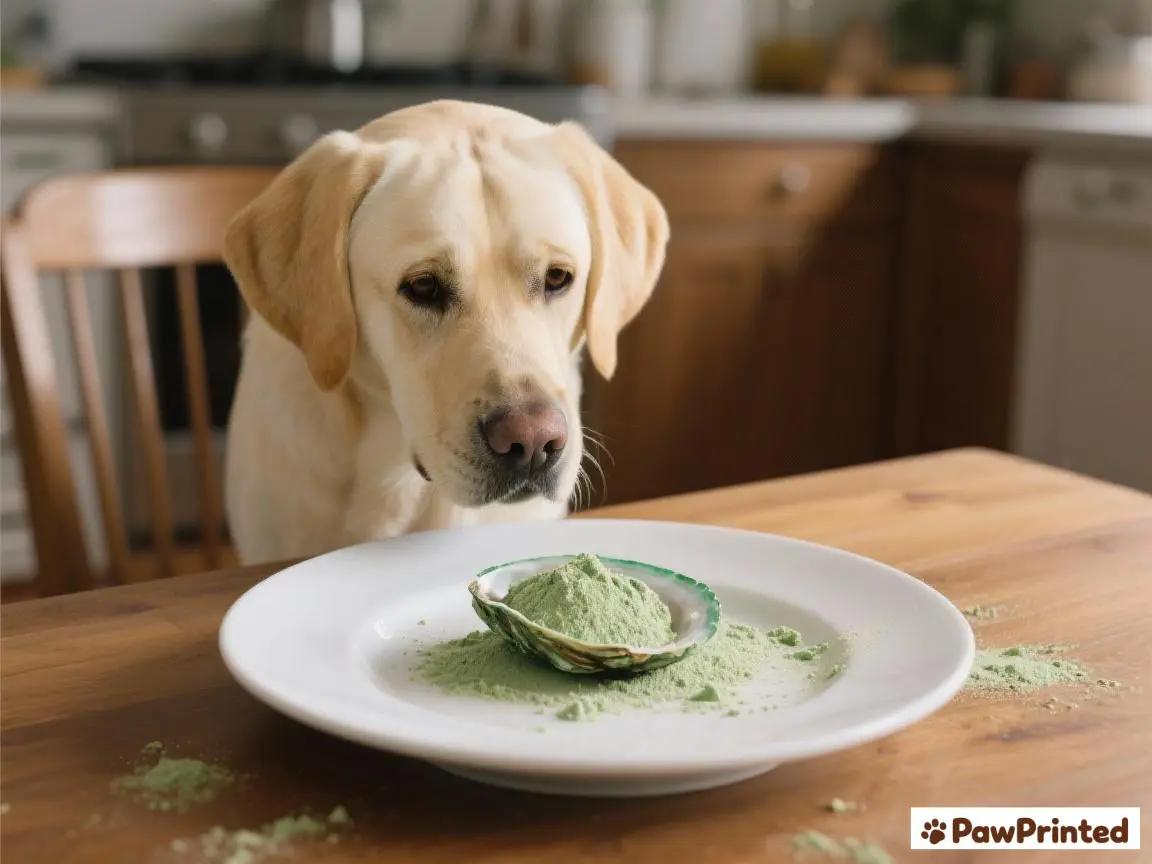
When Ethan’s joints feel stiff after long park days, I love pairing a tiny portion of his turmeric-pumpkin no-bake chews with a sprinkle of green-lipped mussel powder . For dogs needing extra support, rotating with Missing Link Joint Mix or soft chews like Petlab Joint Chews keeps things gentle but effective.
Astaxanthin Antioxidant Supplement for Dogs (Skin, Eyes, Immune Support)
This astaxanthin supplement adds a concentrated antioxidant layer on top of berry-rich no-bake treats. It is a simple way to support skin, eyes, and immune balance without relying only on what fits into a frozen yogurt drop.
Specs
- Form: Antioxidant softgel or capsule
- Main Function: Antioxidant and immune support
- How To Use: Serve with meals as directed by your vet
- Best For: Adult and senior dogs needing extra antioxidant care
- Frequency: Daily use for steady support
What We Loved
- Pairs naturally with blueberry-based, no-bake treats
- Targets antioxidant gaps normal foods cannot fully cover
- Useful for long-term wellness rather than quick fixes
Could Be Better
- Capsule form may need to be hidden in soft food for picky dogs
- Best used under vet guidance for dose and duration
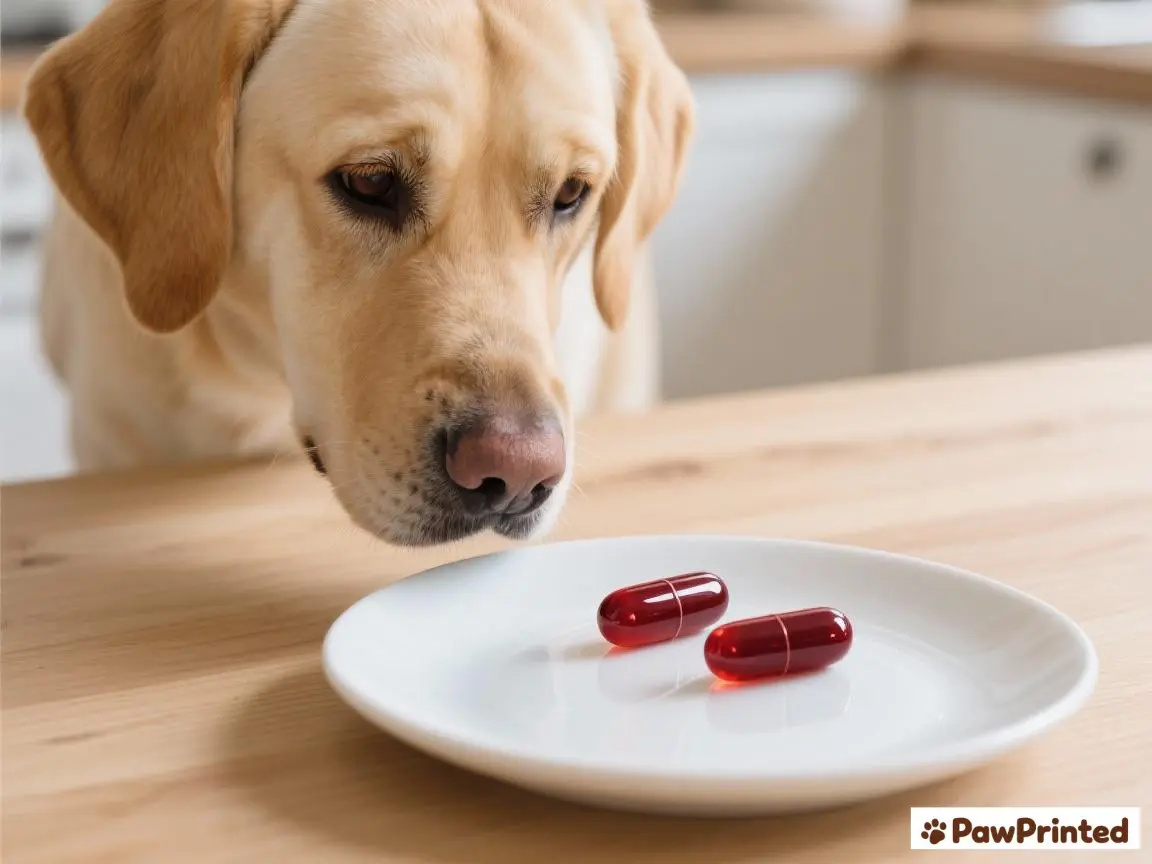
When I serve blueberry yogurt frozen drops , I treat them as a fun, antioxidant-friendly snack, not Ethan’s only immune plan. On weeks when his skin or seasonal sniffles feel a bit off, I ask our vet about pairing a low-dose astaxanthin supplement with a gentle mushroom-based immune blend or a balanced daily multivitamin chew so his frozen treats stay fun while the real immune work comes from steady, vet-guided supplements.
Digestive Enzymes & Probiotics Powder for Dogs (Tummy Balance Support)
No-bake banana chia cookies are gentle and fiber-aware, but they cannot fully replace targeted gut support. A spoon of enzyme-plus-probiotic powder adds a quiet layer of help for dogs that bloat, burp, or wobble with soft stools.
Specs
- Form: Fine digestive enzyme and probiotic powder
- Main Function: Support food breakdown and gut flora
- How To Use: Sprinkle over regular meals as directed
- Best For: Dogs with mild digestive sensitivity or food transitions
- Frequency: Daily during tummy-sensitive periods
What We Loved
- Works quietly behind the scenes while treats stay fun
- Pairs well with soft, no-bake cookies that are easy to digest
- Powder blends into moist food without changing texture much
Could Be Better
- Some dogs may notice the flavor if added too quickly
- Still needs a vet-approved diet as the main digestive plan
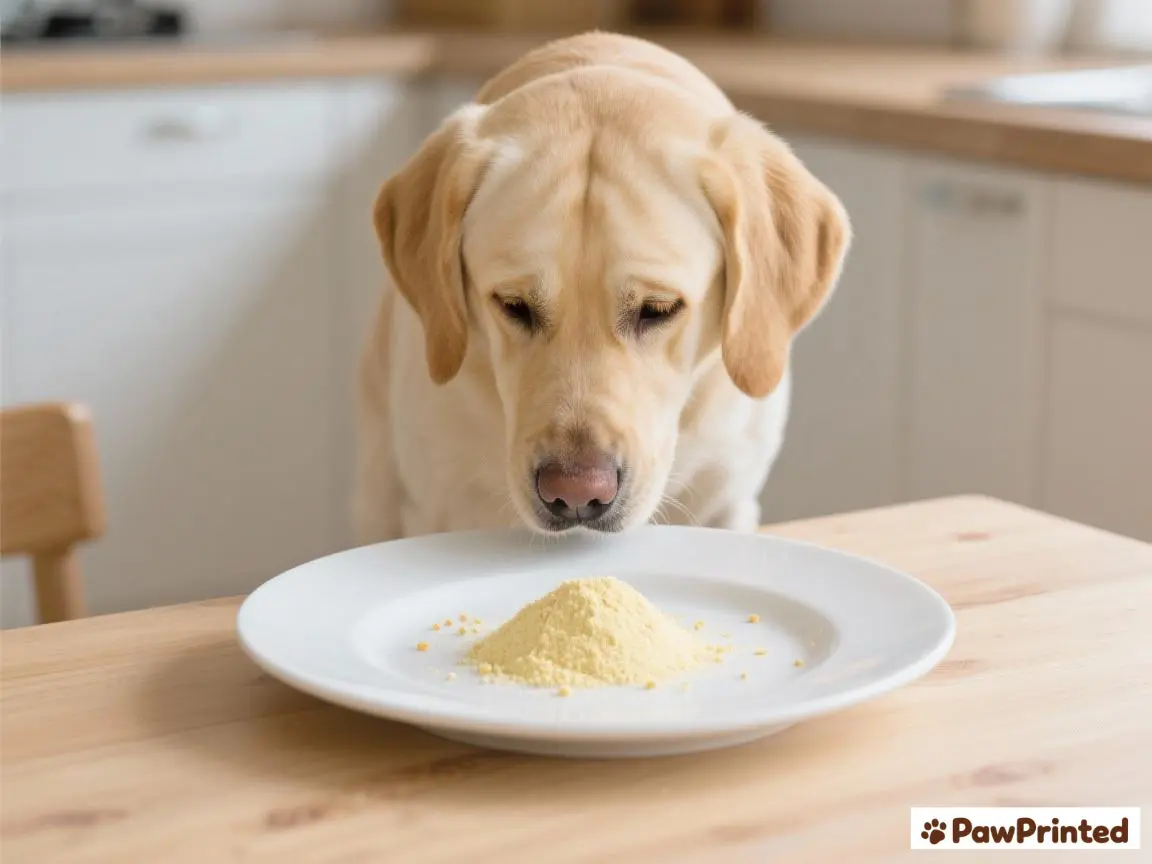
When Ethan’s tummy is in a fragile phase, I keep his banana chia no-bake cookies small and occasional, then let a steady gut routine do the real work. That usually means a measured sprinkle of enzymes plus probiotics , a backup pumpkin fiber powder on softer stool days, and longer-term probiotic chews once his digestion feels stable again.
Skin-Soothing Chews for Dogs (Itch & Coat Comfort Support)
Coconut-based no-bake cubes can fit into an anti-yeast routine, but they are only a small piece. A dedicated skin-soothing supplement adds targeted support for itch, barrier comfort, and coat quality while you keep treats light and carefully spaced.
Specs
- Form: Soft chew skin and coat supplement
- Main Function: Support skin comfort and coat quality
- How To Use: Feed daily as a functional chew with meals
- Best For: Dogs with mild itch, dry coat, or recurrent skin wobble
- Frequency: Daily during flare seasons or as vet advises
What We Loved
- Works alongside low-yeast, no-bake coconut cubes without overlap
- Soft chew form makes dosing easier than oils or capsules
- Focuses on overall skin comfort, not only coat shine
Could Be Better
- Needs a consistent daily routine to see changes in skin cycles
- Should be paired with a vet-guided diet for stubborn yeast issues
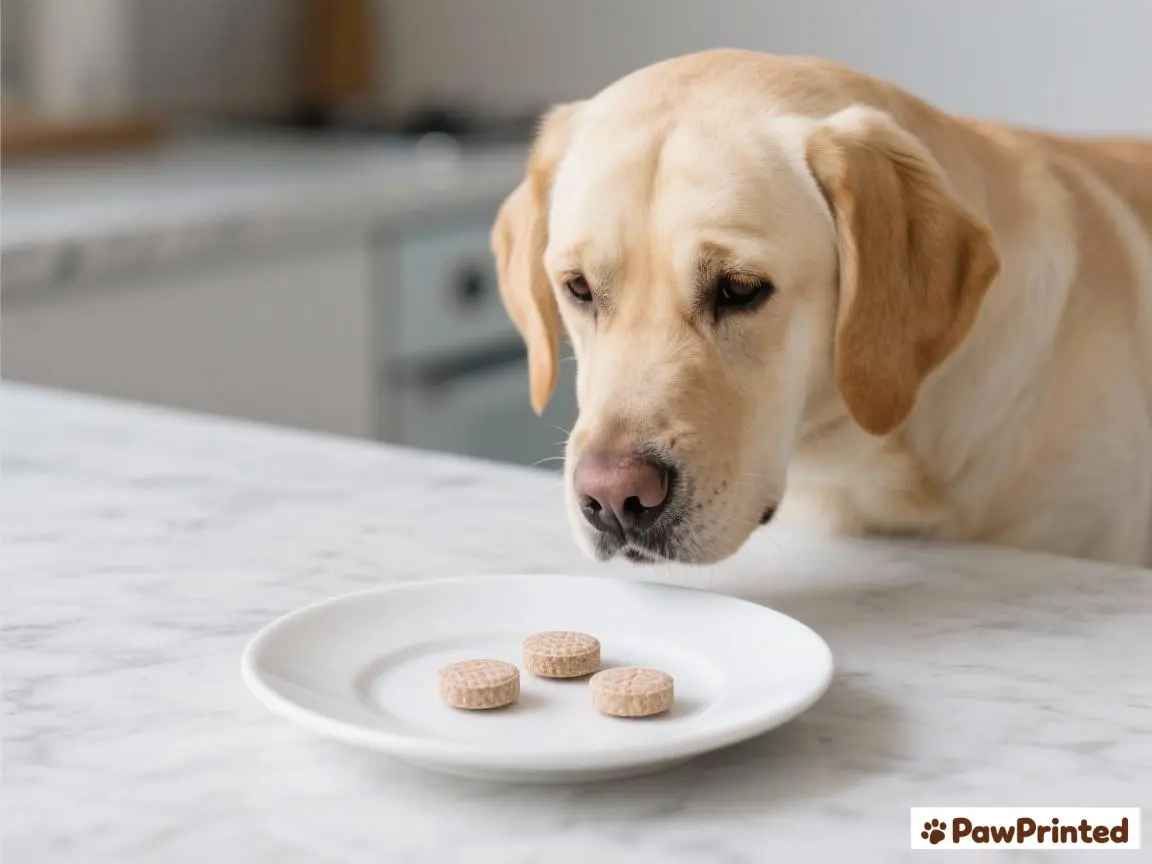
For Ethan’s yeast-prone phases, I keep his coconut oil anti-yeast soft cubes tiny and infrequent, then let supplements and diet do the steady work. That might mean a daily skin-soothing chew , a measured pump of omega fish oil , and a simple skin & coat superfood powder folded into his main meals while we follow our vet’s plan for yeast balance.
Norwegian Salmon Oil for Dogs (Joint Comfort & Skin Health)
This Norwegian salmon oil adds a clean omega-3 boost on top of no-bake treats, supporting joint comfort, skin health, and everyday mobility while keeping the topping simple and easy to measure.
Specs
- Form: Liquid salmon oil pump
- Main Function: Anti-inflammatory omega-3 support for joints and skin
- How To Use: Pump over meals or crumble-safe no-bake treats
- Best For: Adult and senior dogs needing softer joint support
- Frequency: Daily long term support with food
What We Loved
- Pump bottle makes it easy to keep portions consistent on top of treats or bowls
- Pairs naturally with salmon based recipes for a gentle, familiar flavor
- Works well as a quiet background helper for stiff mornings and colder seasons
Could Be Better
- Still needs a full joint plan, not a replacement for vet prescribed care
- Some dogs may need a gradual intro to avoid loose stools from richer fats
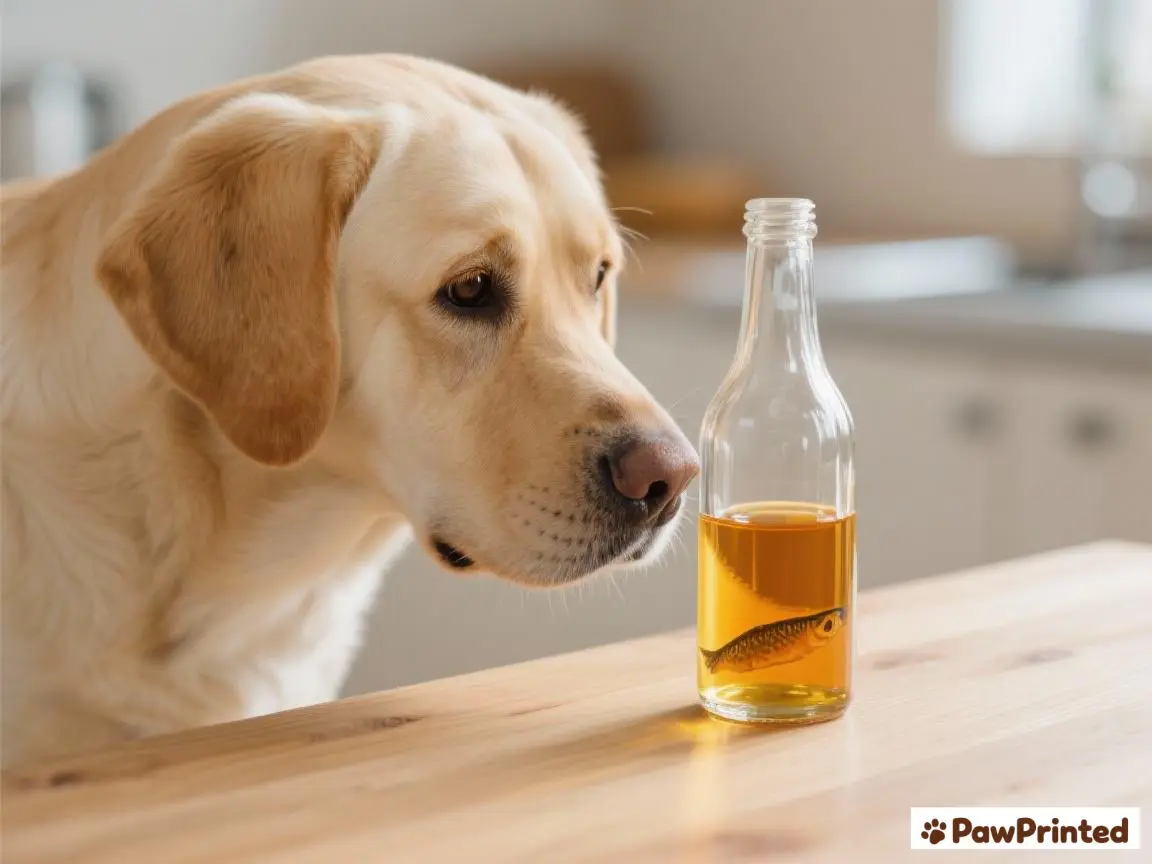
On colder weeks, I take Ethan’s Salmon Sweet Potato No-Bake Mini Bites and add a light pump of this Norwegian salmon oil on top of his evening bowl. The treat stays soft and easy to chew, while the extra omega-3s quietly support his hips and overall joint comfort over time.
Pumpkin Fiber Powder for Dogs (Fullness & Stool Balance Support)
Low-fat, apple cinnamon no-bake chews keep treats lighter, but portion control still decides the scale. A pumpkin-based fiber powder plus smart feeding tools help bowls feel more satisfying while you quietly trim calories and keep stools stable.
Specs
- Form: Fine pumpkin and fiber blend powder
- Main Function: Support satiety and stool regularity
- How To Use: Mix into moist meals or lightly moistened kibble
- Best For: Dogs on slow, steady weight-loss or weight-control plans
- Frequency: Daily during weight-control phases as vet advises
What We Loved
- Makes smaller portions feel more filling while calories come down
- Pairs naturally with light, fruit-forward no-bake chews
- Works well with slow feeders and measuring scoops for real control
Could Be Better
- Too much fiber too quickly can upset stools, so ramping must be slow
- Still requires strict weighing of main meals and treats to shift weight
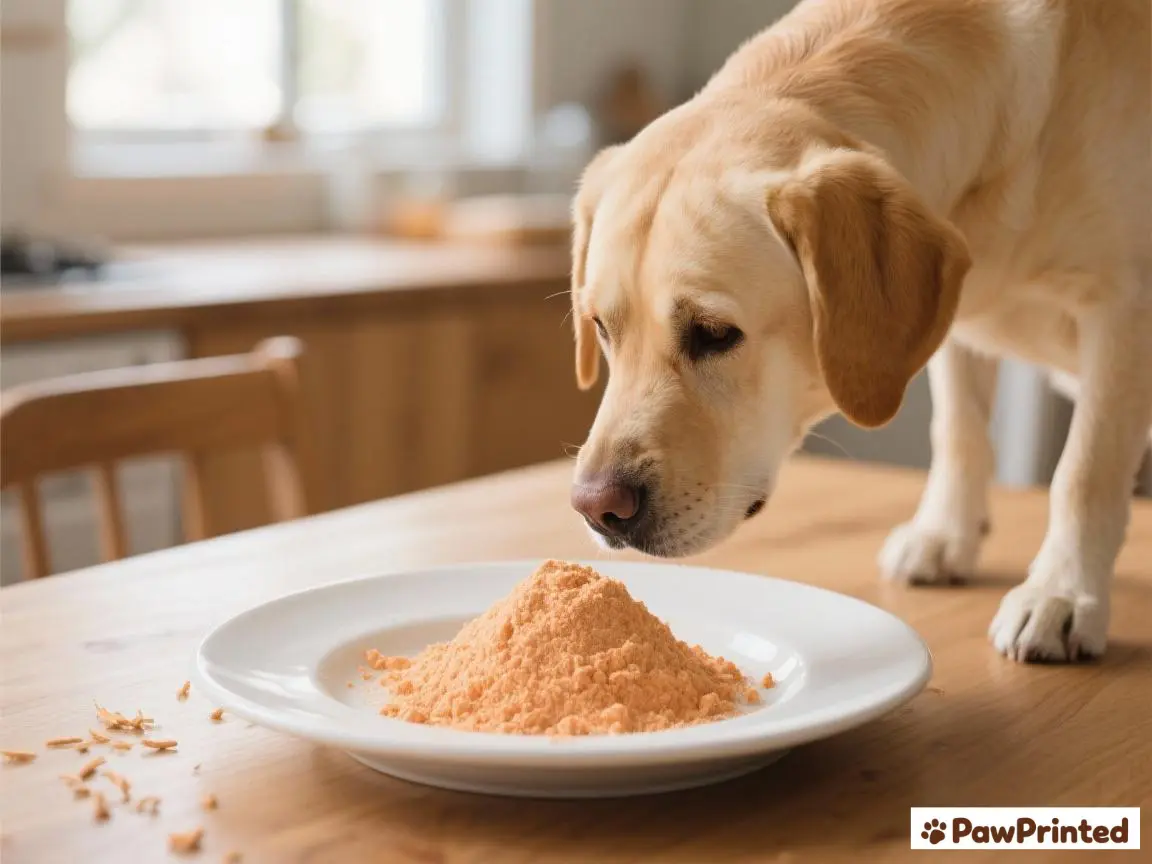
On Ethan’s weight-control weeks, I keep his apple cinnamon no-bake chews tiny, count every piece, and let the real math happen in his bowl. That usually looks like a level scoop of pumpkin fiber powder folded into dinner, feeding from an Outward Hound style slow feeder , and using a strict portion-control scoop so every “just a little extra” is actually measured.
Joint Care Powder for Dogs (Glucosamine-Based Daily Support)
Bone broth gelatin cubes bring hydration and a soft collagen feel, but they still sit in the treat zone. A daily joint-care powder places the serious glucosamine work into meals, while raised feeders make drinking and eating more comfortable for stiff necks and shoulders.
Specs
- Form: Dissolvable joint-care powder
- Main Function: Support joint comfort and mobility
- How To Use: Mix into water, broth, or moist meals as directed
- Best For: Senior or joint-prone dogs that also enjoy broth cubes
- Frequency: Daily as part of a long-term joint plan
What We Loved
- Easy to blend into the same liquid that becomes frozen broth cubes
- Lets you separate “fun hydration treats” from “serious joint support”
- Works well alongside raised bowls for dogs that struggle to bend down
Could Be Better
- Needs consistent daily use for weeks before you judge results
- Should always fit into a vet-approved joint strategy, not replace it
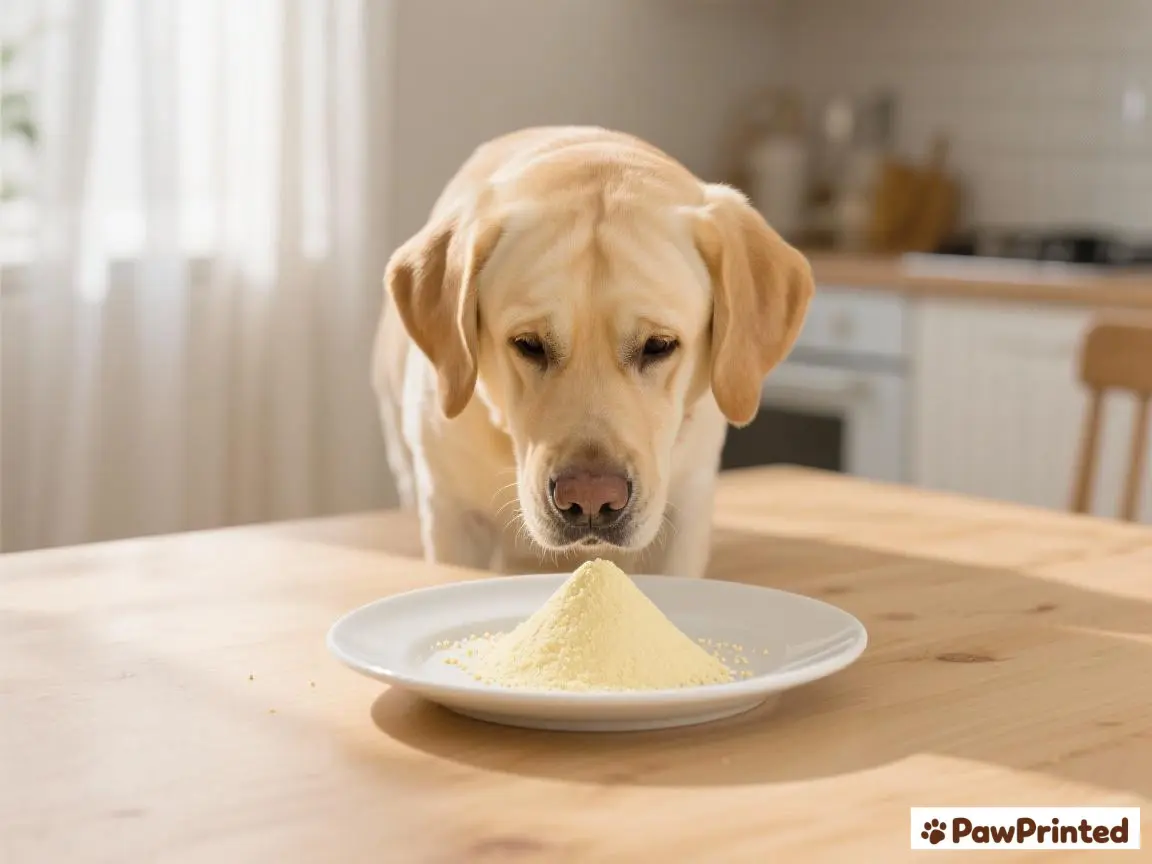
On hot or high-activity days, I lean on bone broth gelatin frozen cubes to tempt Ethan to lick and hydrate, but I never count them as his only joint plan. Those cubes sit next to a measured scoop of daily joint-care powder , meals offered in an adjustable elevated feeder , and a clean omega-3 fish oil routine so hydration treats stay fun while the serious joint work runs quietly in the background.
Emma’s Kitchen Note And Affiliate Disclosure
Some of the products I mention in this guide, like supplements and feeding gear, are ones I genuinely use in my own kitchen when I am making no-bake treats for Ethan. If you decide to buy through the product buttons in this article, a small commission may come back to support PawPrinted at no extra cost to you. It helps me keep testing recipes, refining guides, and double checking ideas with professionals so you can focus on cooking safely for your dog.
None of the recommendations replace advice from your own veterinarian, and I do not accept payment to change what I think works in a real home. Always treat these guides as practical inspiration that you adapt under your vet’s guidance, especially if your dog has ongoing health issues or takes regular medication.
How No-Bake Dog Treats Actually Work In Your Dog’s Routine
From a health point of view, no-bake treats are not about temperature. They are about ingredient density, moisture, and how often you serve them. Most recipes rely on calorie dense bases like peanut butter or yogurt, then add fiber, fruits, or omega rich ingredients to shape the texture. Chilling helps the mix set, but it does not cancel calories or magically upgrade weak ingredients.
The good news is that you control almost everything: how big each piece is, whether you lean more toward fruit, fiber, or protein, and how often these treats appear in the day. When you keep pieces small and use them as part of training or slow evening routines, they fit much more easily into a balanced daily intake.
Ingredient Health Basics For No-Bake Dog Treats
Most no-bake recipes start with a sticky base, a structure ingredient, and one or two health focused add-ons. Sticky bases like peanut butter, pumpkin puree, plain yogurt, or mashed banana help everything cling together without baking. Structure usually comes from rolled oats, chia seeds, ground flax, or gelatin, which also change how filling each bite feels.
Health focused add-ons are where the function really comes from. Turmeric or green lipped mussel powder may support joint comfort, blueberry or astaxanthin rich additions can add antioxidant support, and gentle fibers like pumpkin or psyllium help with stool quality. The key is to treat these as small, repeated nudges in the right direction, not as a cure for underlying disease.
When No-Bake Dog Treats Make Sense And When They Do Not
No-bake treats make the most sense when you need quick, low stress rewards that are easy on the mouth and simple to portion. They work well for training sessions, summer cooling snacks, senior dogs who struggle with harder biscuits, or weeks when you cannot stand at the oven but still want something homemade in the routine.
They make less sense when your dog needs strict energy control, very low fat intake, or tightly managed protein and mineral levels. In those situations, most of the heavy lifting should still come from balanced main meals and vet guided diets. No-bake treats can still exist, but they have to be very intentional: small, infrequent, and built from ingredients your vet has already approved.
Limits Of No-Bake Treats From A Health Perspective
Chilling or freezing does not remove fat, sugar, or calories. Many no-bake recipes feel lighter because they are soft and cold, but the energy per gram can still be high. If you use rich bases for every batch and hand them out freely, weight gain and loose stools show up much faster than most owners expect.
Texture is another limit. Very soft bites can encourage fast swallowing, and heavy peanut butter mixes may still be too much for some pancreatitis prone or sensitive stomach dogs. That is why this guide pairs each no-bake function with a supplement or gear idea: the treats stay fun, and the real long term work quietly happens behind the scenes with steady, measured support.
Feeding Notes For No-Bake Treats In Daily Life
For most healthy adult dogs, no-bake treats should sit inside the classic 10 percent guideline for daily calories from treats and extras. In practical terms, that means shrinking main meals slightly on heavy training days, keeping each piece small, and rotating lighter, fruit and fiber focused recipes with richer peanut butter or yogurt based ones.
Senior dogs, growing puppies, and dogs on vet prescribed diets all need tighter control. Weighing portions with a measuring scoop, starting with just a few small pieces, and watching stool quality, energy, and itch levels across a full week says more than any single ingredient label. If something looks off, pull back and check in with your vet sooner rather than later.
FAQ – No-Bake Dog Treats Health Guide
Are no-bake dog treats healthier than baked treats?
No-bake dog treats are not automatically healthier than baked treats. The health impact depends more on ingredients, portion size, and how often you offer them than on whether they are chilled or cooked. Many no-bake recipes still use calorie dense bases like peanut butter, yogurt, or coconut oil, which can add up quickly if you hand out large pieces or use them all day.
Baking can reduce some moisture and may slightly change texture or nutrient levels, but it does not turn a rich recipe into an unhealthy one by default. Likewise, chilling does not magically fix a treat that is oversized or poorly balanced. The safest approach is to treat no-bake and baked recipes the same way: check fat and sugar, keep pieces small, and adjust main meals when you use a lot of treats.
If your dog has pancreatitis, weight gain, or other medical conditions, talk with your vet before adding any new no-bake recipe, and ask for clear limits on daily treat calories and fat grams.
How many no-bake treats can I give my dog each day?
Most healthy adult dogs do best when no-bake treats stay within about 10 percent of their daily calories. For many medium dogs, that means a small handful of bite size pieces spread through the day, not a full extra bowl on top of regular meals. Very rich recipes with nut butters or oils may need tighter limits, especially for lower activity dogs.
A practical way to start is to decide on a fixed daily treat allowance and then pre-portion no-bake pieces into a small container. Once the container is empty, treats are done for that day. This keeps everyone in the home on the same page and prevents “just one more” from turning into a quiet calorie creep. On heavy training days, shave a little food from main meals to keep total intake stable.
Dogs with medical diets, joint issues, or digestive sensitivity may need more precise guidance, so always confirm limits with your vet and adjust based on real weight and stool changes over a few weeks.
Do no-bake treats keep their health benefits in the freezer?
Most of the basic health contributions in no-bake treats, like fiber from pumpkin and oats or omega fats from salmon and fish oil, remain useful after freezing. What does change is texture and moisture distribution, which can affect how fast your dog eats and how filling each piece feels. Freezing also protects oils and delicate ingredients from warm kitchen air for longer.
Problems tend to appear when treats sit in the freezer uncovered or for many months. Ice crystals, freezer odors, and repeated softening and refreezing can damage texture and make some dogs less interested. Well sealed containers, clear date labels, and rotating small batches keep quality much closer to the original recipe and make it easier to track how old each batch is.
As a simple rule, try to use no-bake freezer treats within one to two months, and discard any batch that smells off, looks discolored, or sticks together in a heavy, icy block.
Can no-bake treats replace regular training treats?
No-bake treats can absolutely work as training rewards when they are small, easy to handle, and consistent in flavor. Soft pieces are often a good match for puppies, senior dogs, or picky eaters who ignore crunchy biscuits. The key is to keep individual bites tiny so you can reward frequently without flooding your dog with extra calories in the first ten minutes of a session.
For more serious behavior plans or long, high repetition sessions, many trainers still prefer purpose made training treats that are very low in crumbs, easy to carry, and precisely measured per piece. A mixed approach works well for most families: use small commercial training treats for the bulk of the session, and save no-bake pieces for warm up, cool down, or a few special moments.
If your dog has food sensitivities, talk with your vet or a qualified trainer about which ingredients are safest to build both no-bake recipes and training treats around, then keep a shared written plan so everyone in the household follows the same rules.
Are no-bake dog treats safe for puppies and senior dogs?
No-bake treats can be safe for many puppies and senior dogs when the recipes are simple, the pieces stay small, and the overall diet is still built around balanced complete meals. Young puppies and older dogs often benefit from softer textures that are easier to chew and swallow, which is one of the strengths of well designed no-bake recipes.
The risks come from using rich, high fat ingredients, overfeeding, or ignoring special medical needs. Puppies already have tight calorie and mineral targets, and seniors may have heart, kidney, or joint issues that change what they can safely tolerate. Strong flavors, heavy oils, or very sugary fruits can upset sensitive stomachs quickly in both age groups.
Before you make a batch specifically for a puppy or older dog, confirm safe ingredient lists and treat limits with your vet, introduce new recipes slowly, and stop immediately if you see vomiting, diarrhea, itch flare ups, or unusual behavior after serving.
References – Authoritative Sources
PetMD Editorial Team (2023), “How Many Treats Can My Dog Have?”, PetMD. https://www.petmd.com/dog/nutrition/how-many-treats-can-my-dog-have Overview of safe treat calorie limits and how to fit snacks into a balanced daily intake.
American Kennel Club (2022), “Dog Treats: How Often Is Too Often?”, AKC. https://www.akc.org/expert-advice/nutrition/dog-treats-how-often-is-too-often/ Guidance on using treats wisely for training and bonding without encouraging weight gain.
World Small Animal Veterinary Association (WSAVA) Global Nutrition Committee (2021), “Treats and Snacks”, WSAVA.
Nutrition Guidelines
Professional recommendations on limiting treats and managing overall dietary balance in dogs.Tufts University Cummings School of Veterinary Medicine (2020), “Homemade Dog Food and Treats”, Tufts Vet Nutrition. https://vetnutrition.tufts.edu/2020/01/homemade-dog-food-and-treats/ Discussion of the benefits and risks of home prepared foods and treats for dogs.
FDA Center for Veterinary Medicine (2013), “Questions and Answers About Pet Treats”, U.S. FDA. https://www.fda.gov/animal-veterinary/animal-health-literacy/questions-and-answers-about-pet-treats Answers common questions about pet treat safety, labeling, and when to call a veterinarian.
Explore More
If you want to go deeper into no-bake ideas, full treat recipes, and wider homemade dog food planning, these guides are a good next step. They connect this health overview with practical step-by-step cooking and broader nutrition structure.
No-Bake Dog Treats – 8 Easy Homemade Recipes Collection
See the full set of eight no-bake recipes that sit behind this health guide, including training bites, joint friendly chews, antioxidant drops, and more.
Vet-Approved Dog Treat Recipes Collection
Browse more homemade treat recipes that have been built around vet style thinking on portions, ingredients, and real world daily use alongside complete diets.
Plan Homemade Meals Around Health And Ingredients
When you are ready to connect treats with main meals, use the functional and ingredient based hubs to design bowls that match your dog’s age, tummy, and activity level.