Winter slows my pup down a little, so I like small, high-protein rewards that still feel cozy. Venison brings lean, novel protein that many sensitive pups tolerate well, and oats add gentle fiber with that warm, bakery feel. If you are brand-new to homemade treats, skim our
Homemade Dog Treats Guide first for basics like safe temps and portion habits.
Ingredient Spotlight – Why Venison & Oats Work So Well
Venison (lean novel protein)
High protein, typically lower fat than common meats, and a helpful option for dogs that do not do well with chicken or beef. It supports muscle maintenance without feeling heavy.
Oats (gentle fiber)
Soft, grain-inclusive base that brings soluble fiber for stool quality and a cozy texture for winter bakes. Many dogs accept the taste easily.
Egg
Natural binder with extra protein and micronutrients that help structure the dough so paw-and-bone shapes pop.
Olive Oil
Just a little adds moisture and helps baking color develop. A touch of healthy fat also improves palatability.
Optional Add-ins
Flaxseed for extra fiber and omega support, or pumpkin puree for aroma and moisture. Keep total moisture balanced so treats bake crisp.
Ingredients You’ll Need
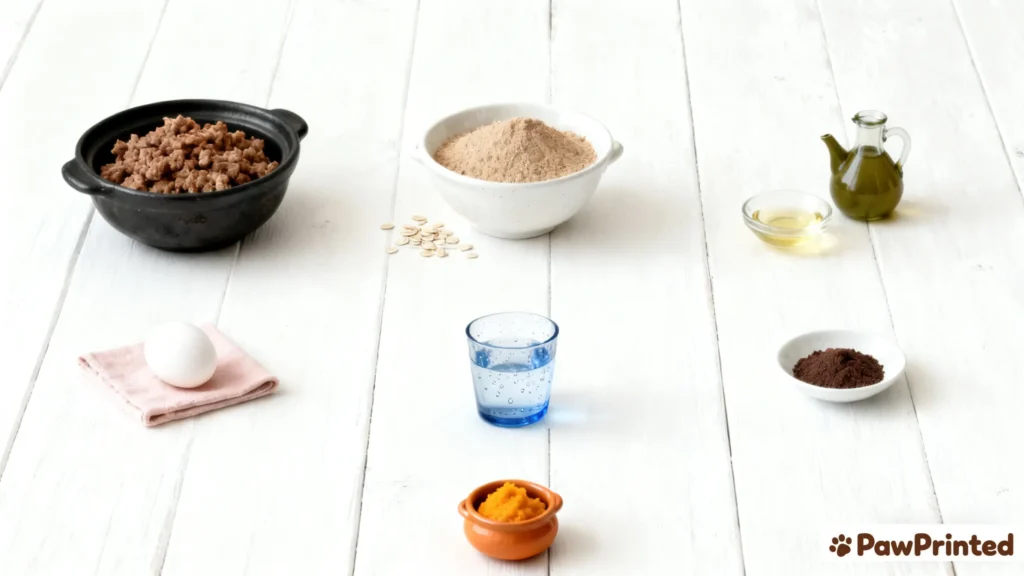
Ground venison – 300 g
Cooked through and cooled, then finely chopped.
Oat flour – 1 1/2 cups
You can pulse rolled oats into a fine meal if needed.
Egg – 1
For binding and structure.
Olive oil – 1 tsp
A touch for moisture and even baking.
Water – 2–4 tbsp
Add gradually until a pliable dough forms.
Optional boosters
1 tbsp ground flaxseed or 2 tbsp pumpkin puree. Keep dough firm enough to hold shape.

Step-by-Step Cooking Guide
1) Prep the venison
Cook ground venison in a pan over medium heat until fully done with no pink, breaking it into fine crumbles. Drain any visible fat, then let it cool completely before using. Cooling prevents the egg from curdling and keeps the dough from turning greasy.
2) Mix the dry base
In a bowl, whisk oat flour with optional ground flaxseed. This distributes fiber and helps even hydration later. If pulsing your own oats, aim for a fine flour so the final cookies bake evenly and release cleanly from molds.
3) Bring the dough together
Stir in the cooled venison, egg, and olive oil. Add water a tablespoon at a time until a firm, non-sticky dough forms. It should press together without cracking and not slump when shaped.
4) Shape neatly
For tidy, training-size bites, press dough into a silicone mold. Emma loves the
homEdge Silicone Paw & Bone Dog Treat Mold – it pops out cleanly and looks adorable on photos.
5) Bake low and even
Preheat to 160–165°C (320–330°F). Arrange molded pieces on a lined sheet or an easy-release pan (see our
Best Nonstick Pans for Cooking Homemade Dog Food) and bake 18–25 minutes until set and lightly golden. Smaller pieces finish sooner.
6) Cool and dry
Cool fully on a rack. For crisper storage, switch off the oven and let treats sit inside for 10–15 minutes with the door slightly open. Cool before loading into an airtight container.
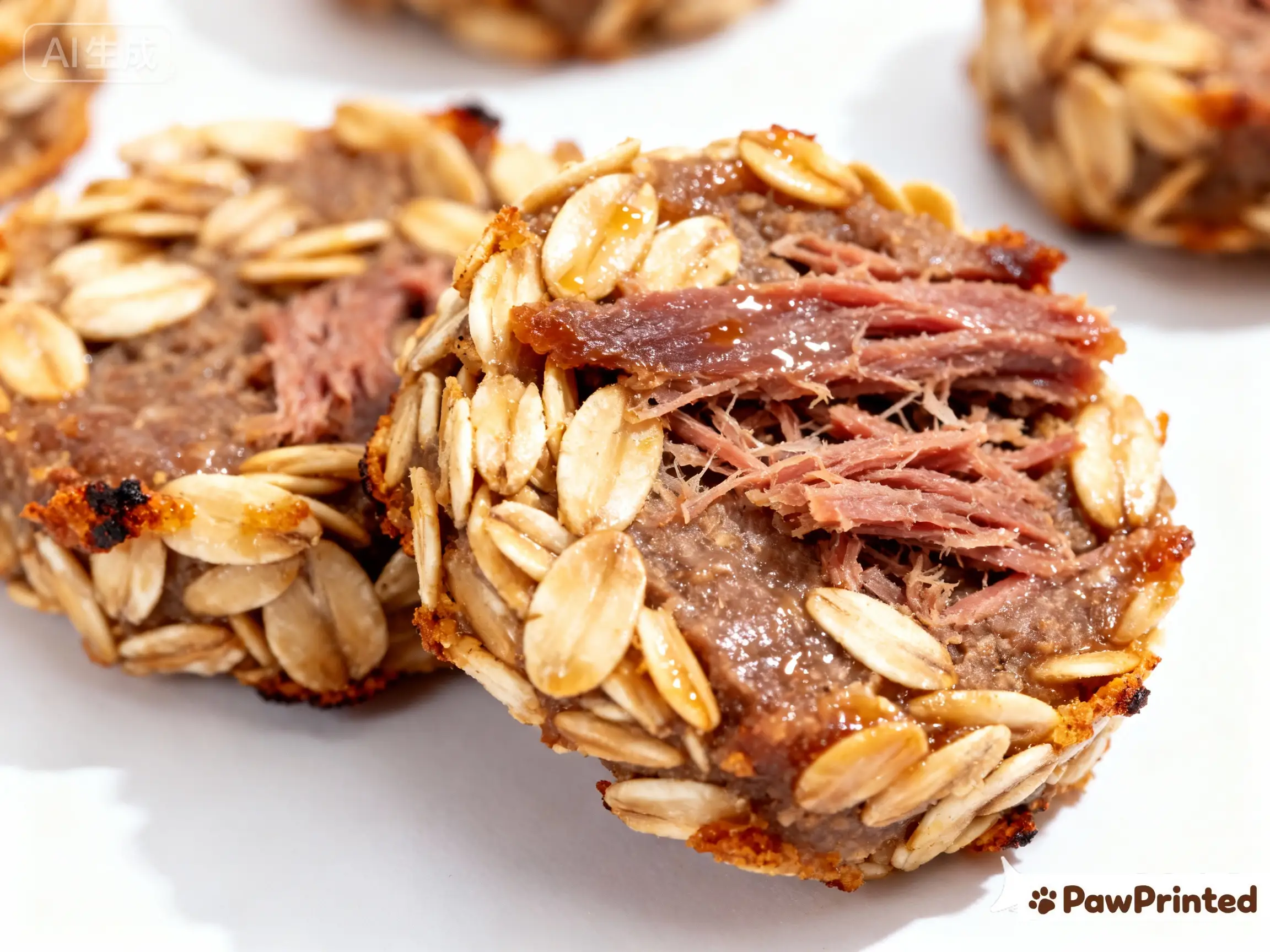
Venison & Oat Dog Treats Recipe (High Protein & Winter Boost)
- Mixing bowl & spatula
- Baking sheet or nonstick pan (Best Nonstick Pans for Cooking Homemade Dog Food)
- Silicone paw-and-bone mold
- Cooling rack
- Airtight storage container (LOYOSEL Dog Treat Container)
- 300 g lean ground venison – cooked and finely chopped
- 1 ½ cups oat flour or rolled oats blended fine
- 1 egg – for binding
- 1 tsp olive oil – for moisture and shine
- 2 –4 tbsp water – added gradually for dough consistency
- Optional boosters: 1 tbsp ground flaxseed or 2 tbsp pumpkin puree
- Cook the venison until no pink remains; drain fat and let cool.
- Mix the dry base – combine oat flour and optional flaxseed in a bowl.
- Add wet ingredients – stir in venison, egg, olive oil, and water a tablespoon at a time until a firm, non-sticky dough forms.
- Shape – press into a silicone mold like the homEdge Silicone Paw & Bone Dog Treat Mold.
- Bake at 160–165 °C (320–330 °F) for 18–25 minutes until lightly golden.
- Cool completely on a rack before storing in an airtight container.
Nutritional Data & Vet Insights
High protein focus
Venison supports lean muscle without the heaviness some dogs feel on fattier meats.
Gentle fiber
Oats provide soluble fiber that can help stool quality and satiety during winter.
Balanced fat
A teaspoon of oil improves texture and palatability without pushing calories too high.
Allergy strategy
As a novel protein, venison may suit dogs that do not tolerate chicken or beef. Always test slowly.
Winter fit
Small, protein-forward bites fit training and enrichment when outdoor time is shorter.
Vet note
Even healthy treats should be counted into daily calories. Adjust for age, size, and activity.
Vet Tips & Variations
Sensitive stomach
Keep the dough simple: venison, oat flour, egg, water. Skip pumpkin or flax the first batch.
Weight control
Use mini molds and bake a touch longer for a drier, lighter piece per reward.
Senior joints
Serve the treat alongside your vet-approved joint chew rather than mixing supplements into dough.
Shinier coat
Add a tiny drizzle of fish oil after baking, not before, to preserve delicate fats.
Start small for new proteins. If your dog tolerates well, you can scale the batch and freeze extras.
Serving Ideas & Storage
I treat these as training bites or after-walk snacks. For tidy storage and long-lasting crunch, I rely on airtight containers like the picks in
10 Best Dog Food Storage Containers for Freshness & Hygiene. At room temp (dry-baked), they keep about 1–2 weeks; for longer, refrigerate up to 7–10 days or freeze up to 1 month and thaw a small bag overnight.

What Worked for Ethan
Shaping & release
Emma presses dough into the
homEdge Silicone Paw & Bone Dog Treat Mold for clean edges and easy pop-out.
Freshness ritual
Once cool, treats go into the
LOYOSEL Dog Treat Container Airtight Storage so the crunch stays reliable all week.
Shiny-coat add-on
A tiny drizzle of
Iceland Pure Unscented Salmon Oil for Dogs (17 oz) right before serving keeps aromas bright.
Joint support pairing
For winter stiffness, we hand a treat after the
PupGrade Joint Support Chews for Dogs so Ethan sees it as a fun routine.
Warm waiting spot
Ethan lounges on the
FurHaven Thermo Snuggly Heated Dog Blanket while trays cool – best kitchen buddy ever.
FAQ
Is venison safe for dogs with allergies?
Often yes, because venison is a less common, “novel” protein compared with chicken or beef. That can help some dogs who react to everyday meats.
Safety still depends on your individual dog. Start with a tiny amount and watch for tummy changes, itching, or ear debris over 48–72 hours. If your dog has a complex allergy history, ask your vet before trying new proteins. Bake the treats fully and cool completely so moisture does not trap microbes in storage.
Tip: keep the first batch very simple – just venison, oat flour, egg, and water – so you can read your dog’s response clearly.
Can dogs eat oats every day?
They can eat oats regularly in modest amounts if they tolerate grains and your vet agrees.
Oats provide soluble fiber and slow-release energy, but too much fiber can loosen stools or crowd out balanced calories. Keep treats to 10% or less of daily energy, and keep main meals complete and balanced. If your dog is grain-sensitive, choose a different starch or skip grains entirely after discussing options with your vet.
Tip: pulse oats very fine or use oat flour so pieces bake evenly and are easy to digest.
What oven temperature works best for homemade dog treats?
Low-to-moderate heat is the sweet spot for even drying without scorching.
For these venison-oat bites, 160–165°C (320–330°F) for 18–25 minutes works well depending on size and moisture. Smaller molds finish earlier. To sharpen crunch without browning too much, turn the oven off and let trays sit inside 10–15 minutes with the door slightly ajar.
Tip: uniform thickness matters more than perfect numbers, so keep shapes consistent for predictable results.
How long can I store these treats?
About 1–2 weeks at room temperature if baked dry and stored airtight, longer if refrigerated or frozen.
Cool fully before sealing to avoid condensation. Refrigeration extends quality to roughly 7–10 days. For month-long convenience, freeze in weekly portions and thaw overnight. If treats ever smell sour, feel tacky, or show spots, discard immediately.
Tip: label containers with the bake date so you rotate stock easily.
Can I freeze venison dog treats?
Yes. Freezing keeps flavor and structure great for several weeks.
Spread cooled pieces on a tray to pre-freeze, then pack into small bags so you can thaw only what you need. Let them come to room temperature in a sealed bag to prevent surface moisture. Very small pieces re-crisp quickly after a minute on the counter.
Tip: keep two bags in rotation – one thawing, one frozen – for effortless training sessions.
Wrapping It Up
Cozy kitchen, lean protein, gentle fiber – that’s my winter formula when I want Ethan focused and happy without overdoing calories. If you’re stuck, start with gentle wet food, then move to steady dry picks. Share how your first batch went – I’d love to hear your dog’s favorite mold shape.
Author & Vet Review Notes
Emma – Founder & Dog Mom: Mini paw shapes kept training crisp and fun. Venison’s aroma is mild but motivating, and the oat base feels perfect for cold days.
Reviewed by Dr. Lydia Harper, DVM: These small treats are a sensible winter option for many dogs. Keep total calories in check, introduce new proteins slowly, and store crisply to reduce moisture-related spoilage.
References — Authoritative Sources
- Venison as a Novel Protein (2024) – PetMD – Overview of nutrition and when novel proteins help. No external links shown per internal policy for this section.
- Grains & Canine Diets (2023) – AKC – Safety context and how to use grains like oats.
- High-Protein Diet Considerations (2024) – Tufts Vet Nutrition – When more protein helps and where to be cautious.
- Omega 3 & Coat Health (2023) – NIH – Haircoat and skin support basics.
- Food Allergies & Novel Proteins (2024) – Frontiers in Veterinary Science – Evidence on elimination strategies.