Ethan had one of those weeks where his routine looked normal on paper, but his body said otherwise. His energy was a little uneven, his stool was softer than I like, and he was acting hungry even after meals. As a Labrador puppy, he can be wildly enthusiastic about food, so I needed treats that felt high value without turning into a sneaky second dinner.
That is why I leaned into pork, but kept the plan simple: lean cuts, small pieces, and predictable textures. Pork can be incredibly motivating for training, and when I pair it with steady, gentle add-ins like pumpkin or banana, the treats feel more balanced and easier on the stomach. The goal here is not fancy. It is calm, consistent, and easy to repeat in a real home kitchen.
Ingredient Spotlight – Why These Ingredients Work
Pork is the main driver in this collection because it is flavorful, satisfying, and easy to portion into tiny training bites. When you choose lean pork and cook it thoroughly, you get a treat base that feels rewarding without needing extra oils or heavy add-ins. For dogs that get a little too excited about food, that matters, because it lets you keep the reward strong while keeping the routine controlled.
The supporting ingredients in these recipes are chosen for function, not decoration. Pumpkin brings gentle fiber and moisture that helps treats feel less rich. Banana works as a soft binder that adds a little natural sweetness and makes shaping easier. Oats and oat flour help hold everything together and create a more predictable texture, which is useful when you want consistent treat sizes. The combination is meant to be stable and repeatable, so you can rotate recipes without constantly guessing how your dog will respond.
Why This Collection Includes 8 Different Pork Treat Recipes
This page is built as a full pork treat rotation, not a single perfect recipe. Each pork treat in this collection is designed to serve a slightly different purpose, whether that is high value training, gentler digestion, lower fat days, or softer textures that are easier to chew. In real life, dogs do not respond the same way to the same treat every day, and variety helps keep routines working without pushing portions higher.
At home, I rotate these recipes based on the week. Training-heavy days get smaller, higher-value bites. Calm days or enrichment sessions lean toward softer, bulkier treats that feel satisfying without adding much fat. Having multiple options ready means I am not improvising or reaching for whatever is closest when Ethan looks at me with that hopeful face.
Think of this collection as a practical kitchen system rather than eight separate ideas. You can start with one recipe, see how your dog responds, and slowly build a rotation that fits your schedule, your dog’s digestion, and your training needs. That flexibility is what makes homemade treats sustainable long term.
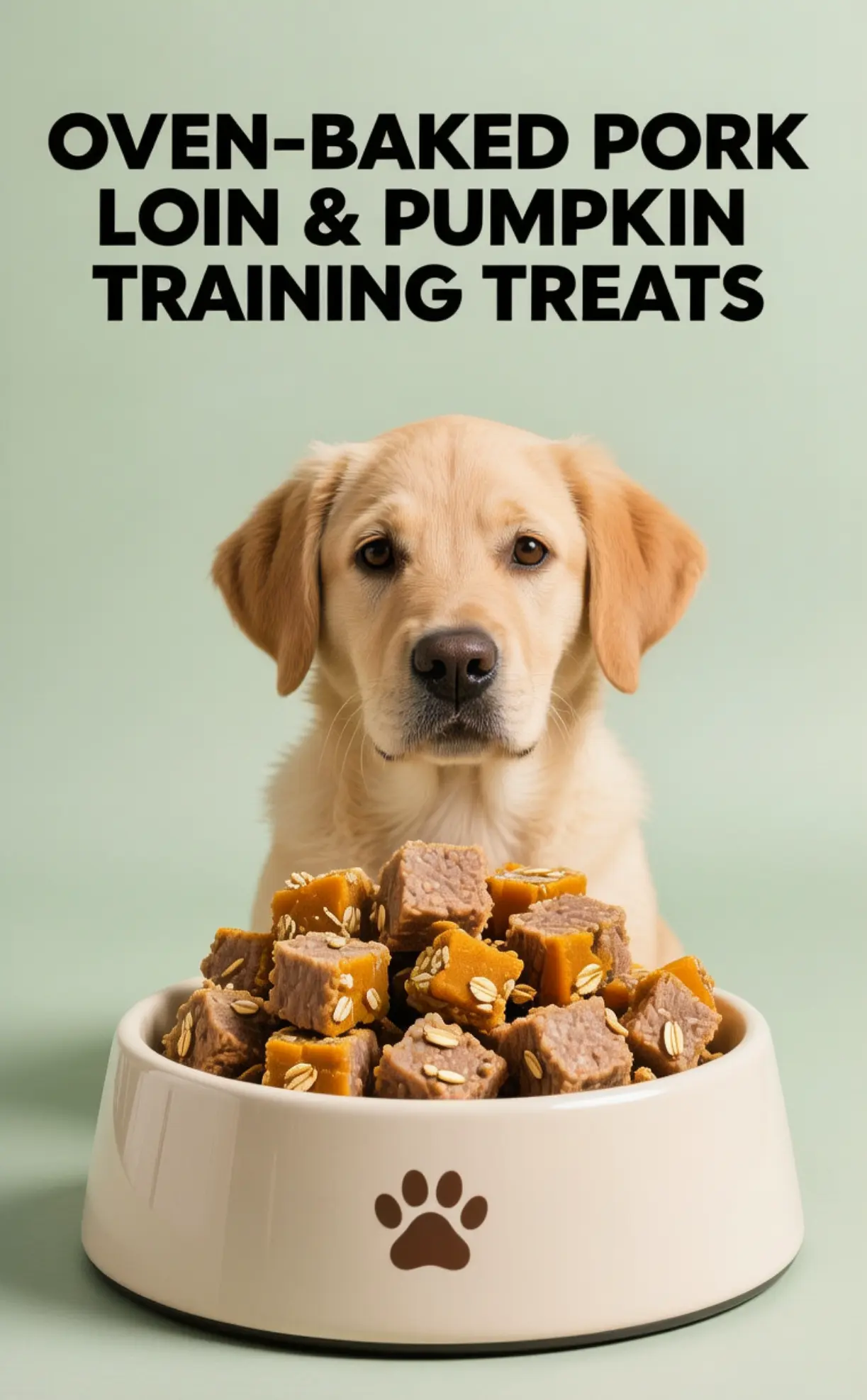
Lean pork loin plus pumpkin makes a light, easy-to-digest treat that works well for training sessions and quick rewards. The texture bakes up firm enough to handle, but not so hard that it turns into a jaw workout. If you are aiming for low-fat homemade pork dog treats, this is the easiest place to start.
Quick Overview
- Prep Time: 10 minutes
- Cook Time: 18 to 22 minutes (oven bake)
- Total Time: 30 minutes
- Yield: 60 to 90 small training bites
- Focus: low fat training treats, firm-but-soft texture, pumpkin support
Step-by-Step
- Trim visible fat from pork loin, then chop very small or pulse to a fine mince so the bites bake evenly and hold shape. If your pork looks shiny or wet, blot it with a paper towel first to prevent greasy pockets.
- Stir in pumpkin puree and a small amount of oats until the mixture becomes a thick scoopable paste. You want it to feel like cookie dough that holds a mound, not a pourable batter.
- Press the mix onto a lined baking sheet in a thin layer or form tiny nuggets. Bake until the center is cooked through and the surface feels set, then flip larger pieces once to dry both sides evenly.
- Cool completely, then cut into bite-size training pieces. Chill for a firmer texture, and freeze extras in small portions so you only thaw what you will use in a week.
Emma’s Notes
For quick prep, I like using a stable cutting surface so I can trim pork loin cleanly and keep pieces uniform. A sturdy wooden cutting board helps keep the messy part fast and controlled.
If I am batching treats for the week, I portion them into a small airtight container so they stay dry and easy to grab. I use the 1-gallon Mason storage jar when I make a double batch because it keeps odor down and I can see how much is left at a glance.
When Ethan was in a “snack first, think later” mood, these small low-fat bites helped me reward calmly without overdoing calories. What made a real difference was understanding why some pork-based treats feel lighter and sit better than others. If your dog shows the same pattern, the breakdown inside Low Fat Pork Treats for Training Dogs can help you adjust with a bit more confidence.
Things To Watch
- Keep it lean: pork loin is the goal here. Avoid fatty cuts so treats do not turn greasy after baking.
- Introduce slowly: start with a few pieces, especially if your dog is new to pork treats.
- No seasoning: skip salt, onion, garlic, and spice blends. Plain is safer and still rewarding.
- Store smart: cool fully before sealing. If any moisture builds up, re-crisp briefly in the oven and cool again.
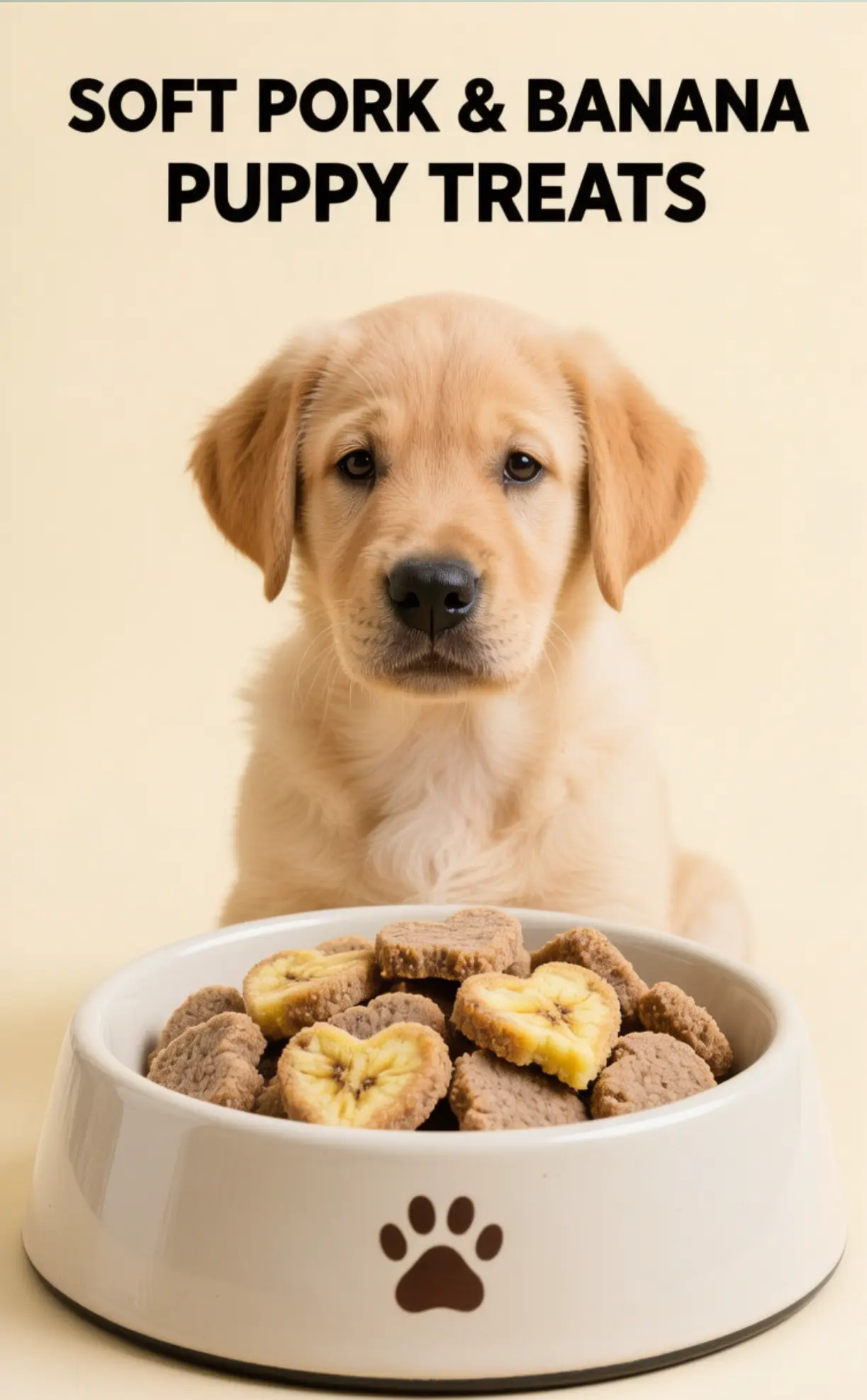
These soft baked bites use ground pork with banana for a gentle texture that breaks easily into tiny rewards. They are a good starter treat when you want homemade pork dog treats that feel light and easy to portion. Keep the pieces small and use them as rewards, not a full snack bowl.
Quick Overview
- Prep Time: 10 minutes
- Cook Time: 14 to 18 minutes (soft bake)
- Total Time: 30 minutes
- Yield: 80 to 120 mini bites
- Focus: puppy friendly texture, easy portioning, gentle rewards
Step-by-Step
- Choose lean ground pork and blot any excess moisture so the dough sets instead of steaming. If the pork is very fatty, this batch will feel greasy and crumble.
- Mash banana into a smooth puree, then mix with pork and a small binder (oats or a touch of flour) until thick. The goal is a paste that holds shape when pressed.
- Spread thin or pipe small dots onto a lined tray so the bites bake evenly and stay soft. Bake just until set and cooked through without browning too hard.
- Cool fully, then snap into tiny training pieces. Refrigerate for a few days or freeze in small bags so you can thaw only what you need.
Emma’s Notes
For soft treats, I rely on quick, even mixing so the banana is fully blended and there are no wet pockets. A simple immersion blender makes the puree smooth fast, which helps the bites bake evenly.
For weeknight batches, I portion these into small freezer-safe containers so they stay fresh and do not clump. I use freezer stackable containers because they stack cleanly and the lid seal keeps the treats from drying out.
When Ethan was a little too excited for rewards, the tiny soft pieces helped me reinforce calm behavior without overfeeding. If you are deciding when soft pork treats make sense, the section Puppy-Friendly Pork Treats with Soft Texture can help you choose portions more confidently.
Things To Watch
- Go lean: fatty ground pork can cause greasy treats and faster spoilage.
- Size matters: keep bites tiny, especially for puppies or fast eaters.
- Introduce slowly: start with a few pieces to confirm tolerance.
- Moisture control: cool completely before sealing to avoid condensation.
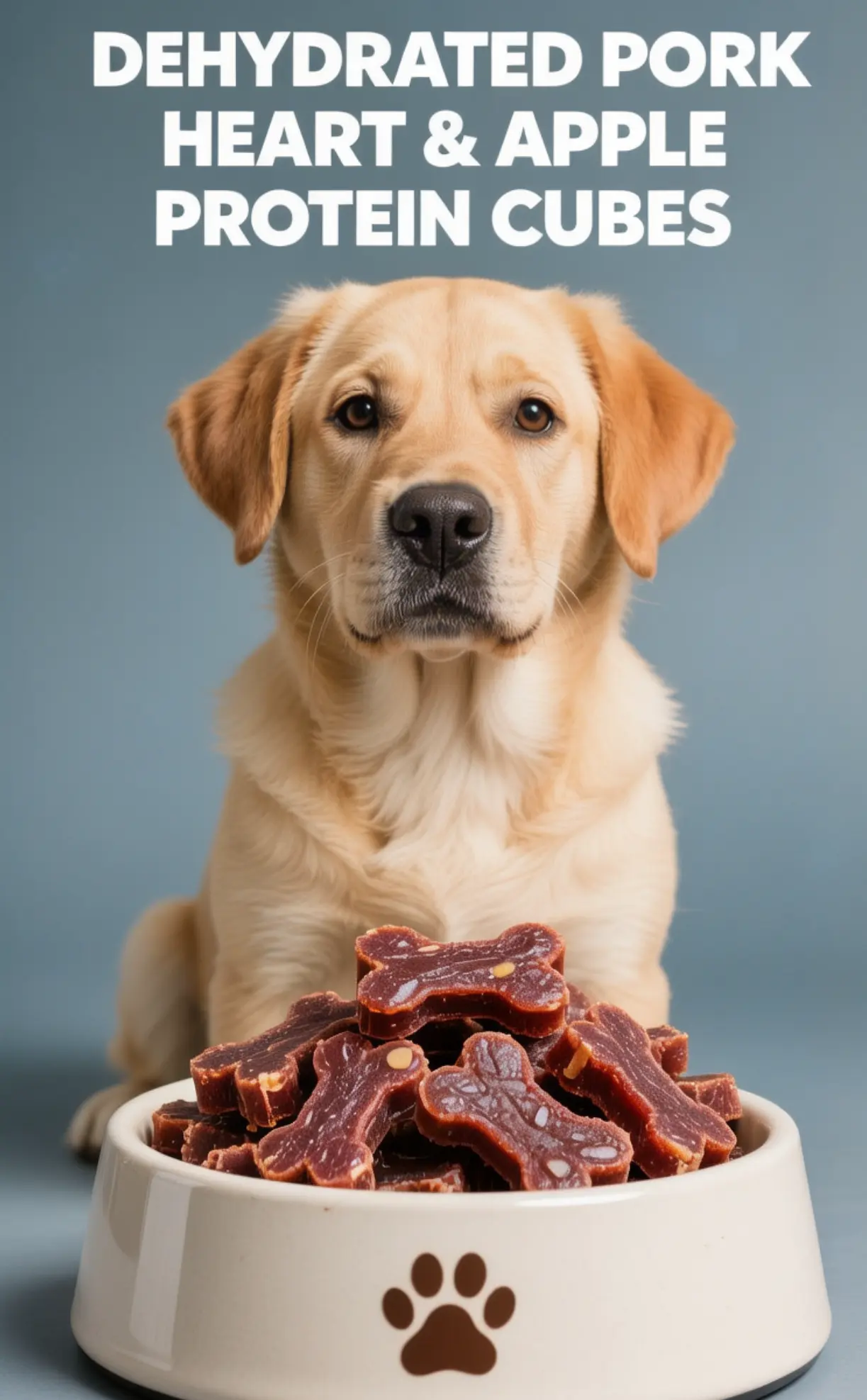
Pork heart dries into a sturdy, high-protein reward that handles well in a treat pouch. Adding a thin apple element keeps the aroma appealing and the texture slightly less rigid. These are best as small training rewards for active dogs, not a free-feed snack.
Quick Overview
- Prep Time: 15 minutes
- Cook Time: 6 to 8 hours (dehydrate)
- Total Time: 6 to 9 hours
- Yield: 2 to 3 cups dried cubes
- Focus: high protein rewards, portable cubes, low mess
Step-by-Step
- Trim pork heart and remove any tough connective bits, then slice into uniform strips or cubes. Uniform size is what makes dehydrating predictable.
- Slice apple very thin or dice small, then pat dry so it does not add extra moisture time. Keep apple pieces small so they dry fully.
- Arrange heart and apple in a single layer with space between pieces. Dehydrate until the heart is firm and dry through the center, not tacky.
- Cool fully, then test one piece by snapping it in half. Store airtight and freeze extras if you made a large batch.
Emma’s Notes
Dehydrating only works when slices are consistent, so I like weighing and trimming with a steady setup. A reliable digital kitchen scale helps me keep batches consistent across weeks.
For jerky-style treats, I store the finished cubes in a leakproof bag so I can freeze flat and break off portions. I use reusable silicone leakproof bags because they handle freezer odor better than thin plastic.
Ethan treats these like “serious rewards,” so I keep them for training moments that actually matter. If you want to understand when protein-dense pork treats are a smart choice, the section High Protein Pork Treats for Active Dogs can help you balance reward value and frequency.
Things To Watch
- Dryness test: if the center is tacky, dehydrate longer to avoid spoilage.
- Cut size: thick chunks dry unevenly and can mold in storage.
- Portioning: keep rewards tiny. organ-based treats add up fast.
- Storage: airtight container is non-negotiable for dehydrated treats.
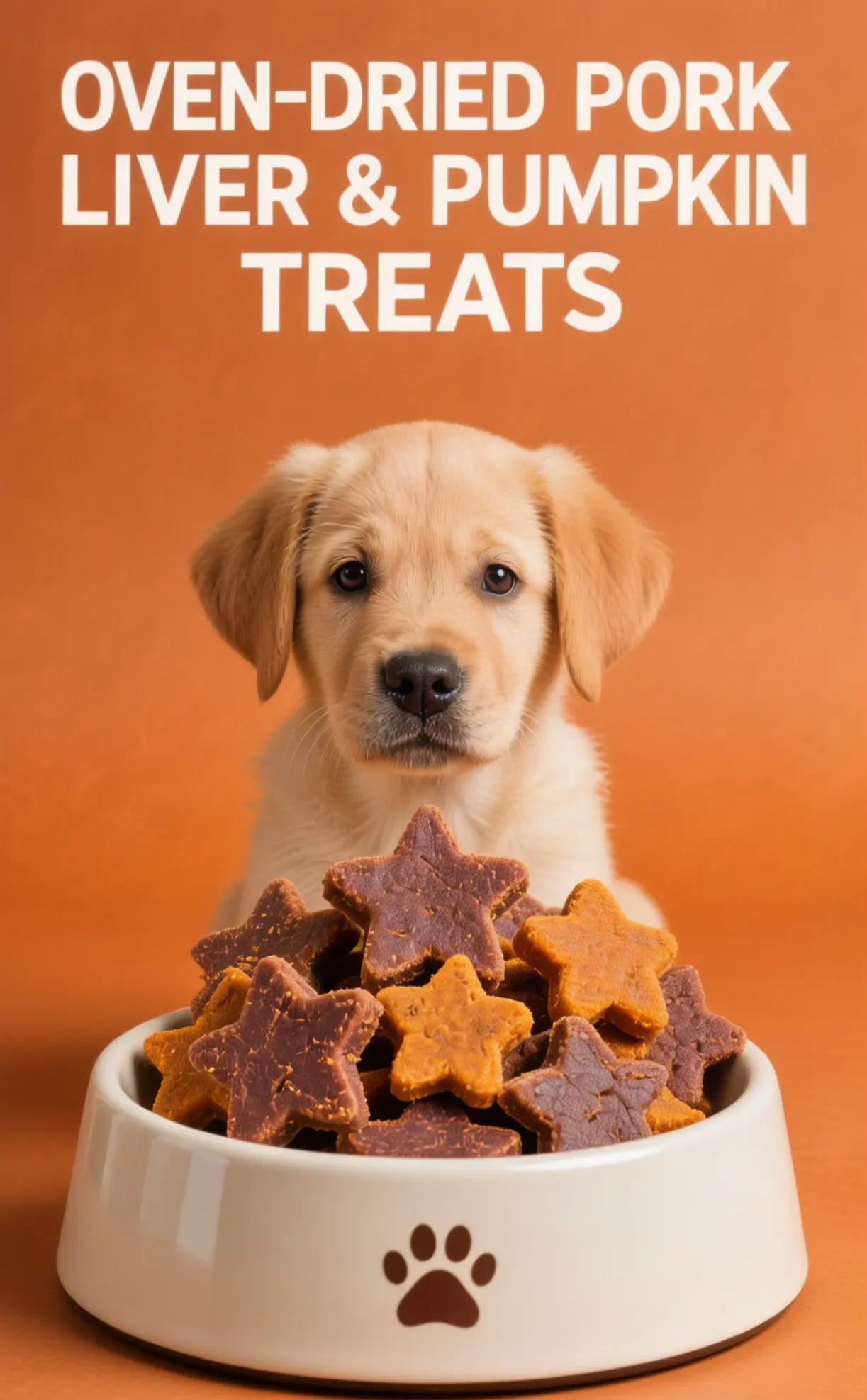
Pork liver is nutrient dense, so this recipe is designed for tiny pieces and occasional use, not daily handfuls. Pumpkin helps keep the texture a little gentler and the portioning easier. Think of these as “high value” treats you use sparingly.
Quick Overview
- Prep Time: 10 minutes
- Cook Time: 60 to 90 minutes (low-temp oven dry)
- Total Time: 2 hours
- Yield: 1 to 2 cups small chips
- Focus: nutrient dense treats, small portions, low-temp drying
Step-by-Step
- Slice pork liver thin so it dries instead of steaming. Thin slices also make it easier to keep portions small.
- Lightly coat or dot with pumpkin puree, then place on a lined tray with space between pieces. Keep pumpkin minimal so drying time stays reasonable.
- Dry at a low oven temperature, flipping once halfway so both sides dry evenly. Continue until pieces are firm and no longer tacky.
- Cool completely, then break into tiny chips. Store airtight and freeze extra batches so you can use them occasionally.
Emma’s Notes
Low-temp drying is easier when your tray releases cleanly and does not grab sticky spots. I like using reusable baking mats so I can peel the chips off without tearing them.
For liver treats, I keep portions small and separate so I do not accidentally overuse them. I store extras in large silicone cube trays so I can thaw a controlled amount at a time.
Ethan thinks these are the best treats on earth, which is exactly why I treat them like a “special tool,” not a daily snack. If you want a simple framework for how often organ treats make sense, the section Pork Liver Treats for Dogs – Benefits and Limits will help you keep it practical.
Things To Watch
- Use sparingly: liver is nutrient dense. keep servings tiny and occasional.
- Dry thoroughly: tacky centers spoil quickly, especially in warm kitchens.
- Skip seasoning: no salt or spice blends, even if you are tempted.
- Watch tolerance: introduce slowly. some dogs do better with very small amounts.
Pork shoulder can be chewy and satisfying, but it needs extra fat control to keep treats from turning greasy. Sweet potato helps bind and adds a gentle chew that works well for calm snack time. These strips are best for supervised chewing sessions, not rapid-fire training.
Quick Overview
- Prep Time: 15 minutes
- Cook Time: 2 to 3 hours (slow roast)
- Total Time: 3 to 4 hours
- Yield: 20 to 30 chewy strips
- Focus: chewy texture, calm chewing time, fat trimmed
Step-by-Step
- Trim visible fat from pork shoulder, then roast low and slow until it shreds easily. Pull the meat apart and discard any fatty pockets.
- Mash cooked sweet potato into a thick binder, then fold shredded pork through until it clumps. Keep moisture low so strips hold shape.
- Press into strips on a lined tray and bake again briefly to dry the surface and tighten texture. Flip once if the underside stays soft.
- Cool completely, then store in the fridge for short-term use or freeze flat for longer storage. Serve only under supervision and size pieces to your dog.
Emma’s Notes
Shoulder works best when you can trim and shred cleanly, which is why I like using a stable prep surface. A sturdy wooden cutting board keeps the workflow neat and fast.
For chewy strips, freezing flat helps maintain texture and makes it easy to separate portions. I use leakproof silicone storage bags so the strips do not pick up freezer odor.
Ethan will happily chew these while I reset the kitchen, but I keep them as a calm, supervised snack, not an all-day chew. If you are choosing between chewy and crunchy pork treats, the guide section Chewy Pork Treats for Calm Chewing Time can help you match texture to your dog.
Things To Watch
- Trim fat aggressively: shoulder can run greasy if you do not remove visible fat.
- Supervise chewing: strips are for calm chewing, not gulping.
- Size appropriately: smaller dogs need thinner, shorter strips.
- Storage: chewy treats spoil faster. keep refrigerated or freeze portions.
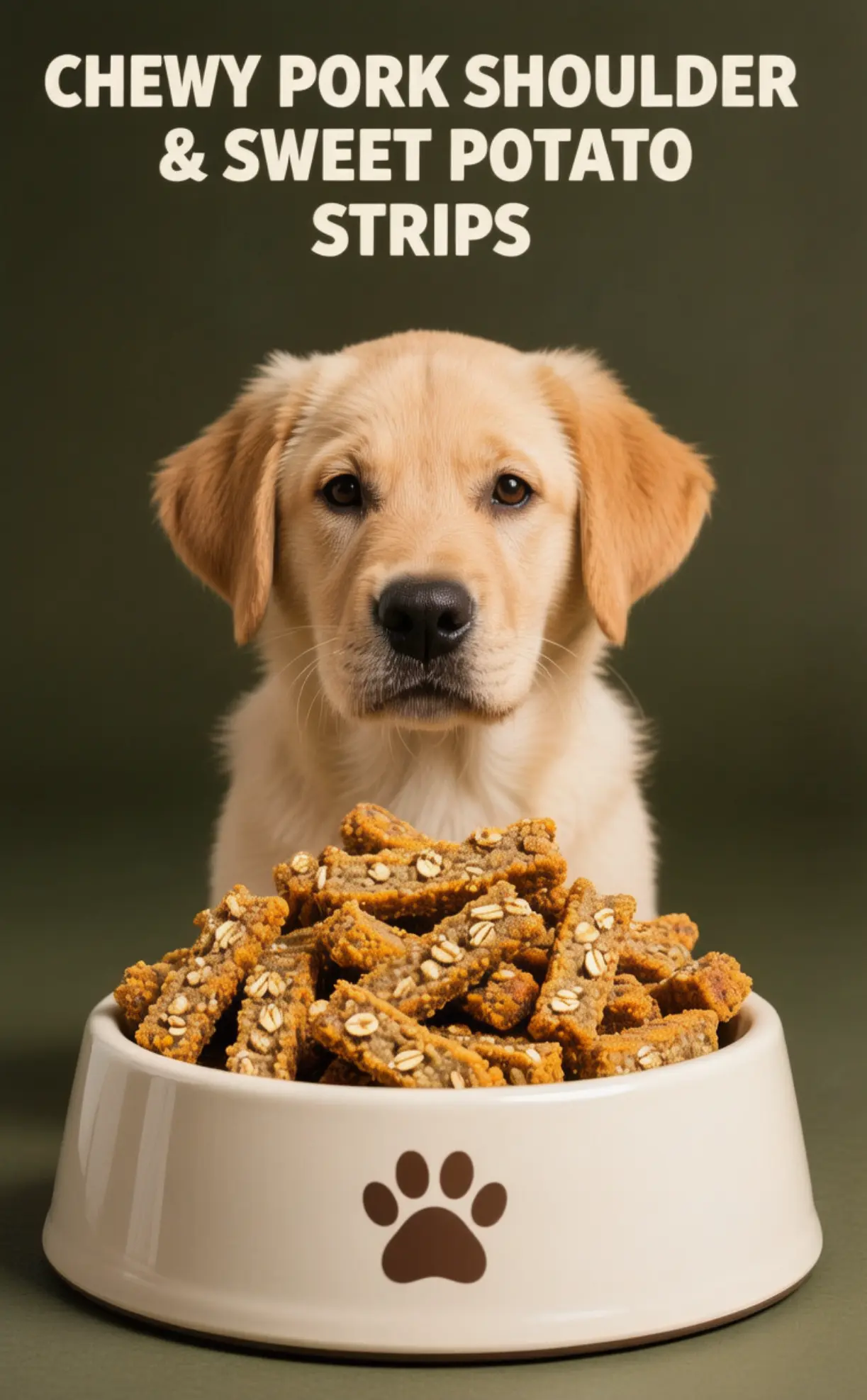
This crunchy chew is all about texture, so portion size and supervision matter. Carrot adds a simple, familiar crunch element and helps keep the chew time a little lighter. Use this as an occasional supervised chew, not a daily treat routine.
Quick Overview
- Prep Time: 10 minutes
- Cook Time: 12 to 18 minutes (air fryer)
- Total Time: 30 minutes
- Yield: 12 to 18 crunchy pieces
- Focus: crunchy chew texture, supervised chewing, occasional use
Step-by-Step
- Choose pork skin pieces with minimal attached fat, then pat dry thoroughly. Excess fat will smoke and make chews greasy.
- Slice carrot into thin sticks or coins so it crisps quickly without burning. Keep the carrot pieces similar size so timing lines up.
- Air fry in a single layer, checking often near the end. You want crisp pieces, not dark, bitter overbaked edges.
- Cool completely until fully crisp, then serve one piece at a time under supervision. Store airtight so they do not soften.
Emma’s Notes
Crunchy chews are easiest when the basket has space and airflow, so I do smaller batches instead of crowding. A roomy air fryer oven helps me keep the crisp texture consistent.
Once crisp, these soften if they sit in humid air, so airtight storage really matters. I like using the airtight storage container for batch chews because it keeps crunch longer.
Ethan loves the crunch, but I treat these as a supervised “chew moment,” not a snack you toss casually. If you want to match crunchy treats to dental chewing habits, the section Crunchy Pork Treats That Help Dental Chewing can help you pick the right texture and timing.
Things To Watch
- Supervision required: crunchy chews are not for gulpers.
- Fat control: avoid fatty skin pieces to reduce grease and smoke.
- Occasional use: keep frequency moderate as part of a balanced treat routine.
- Airtight storage: soft chews can become stale quickly and lose crunch.
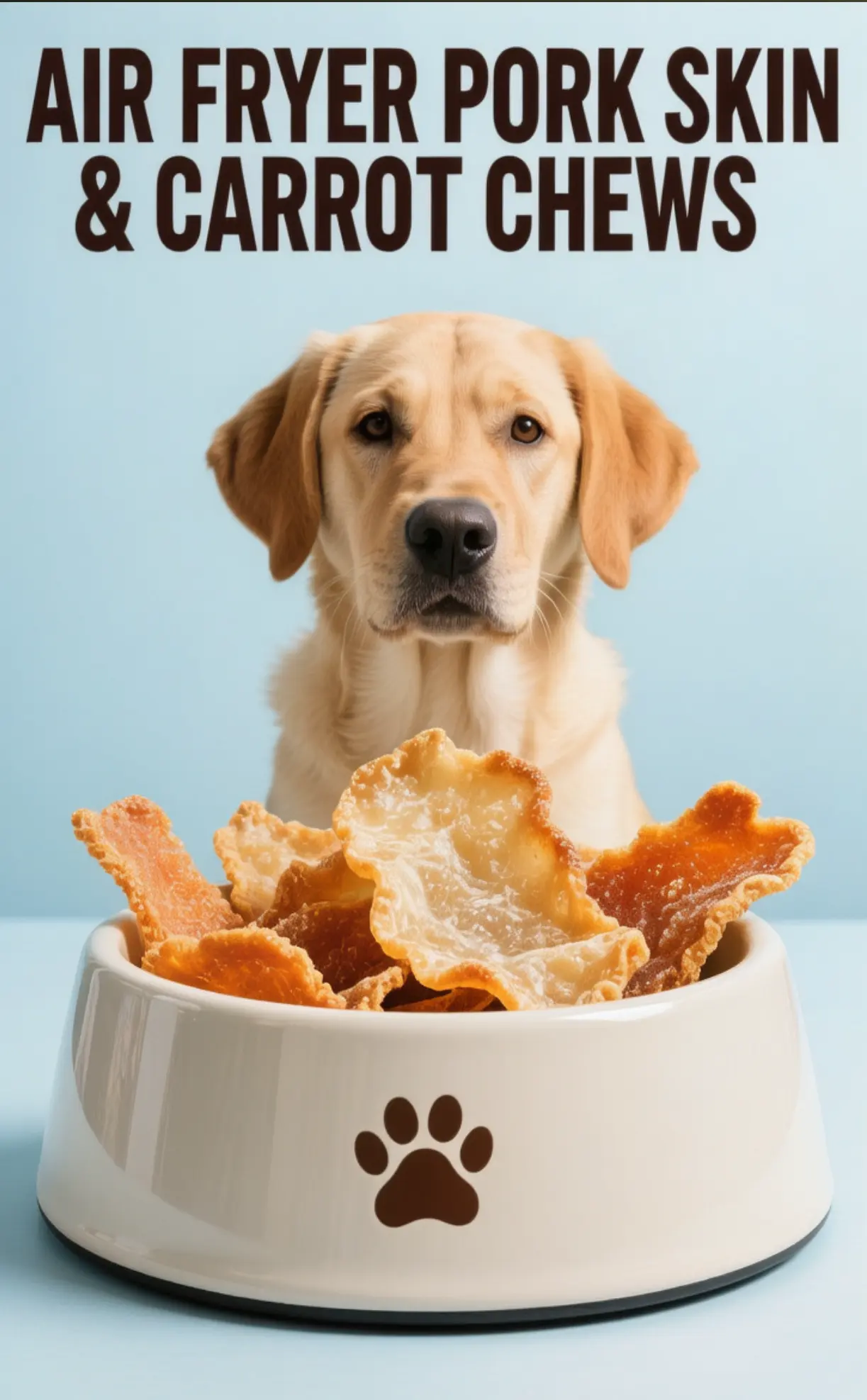
These gel cubes are an easy way to portion broth-based snacks without messy bowls. Pumpkin adds gentle body and makes the cubes easy to pop out and serve. They are best as small add-on rewards or cooling treats, especially when you want softer textures.
Quick Overview
- Prep Time: 10 minutes
- Cook Time: 10 minutes (warm dissolve) + chill
- Total Time: 3 to 4 hours (including chill)
- Yield: 18 to 24 gel cubes
- Focus: soft gel texture, portionable snacks, broth-based comfort
Step-by-Step
- Warm unsalted pork bone broth gently so it is hot but not boiling. This makes it easier to dissolve your binder evenly.
- Whisk in a small amount of gelatin or thickener, then blend in pumpkin until smooth. Keep it simple and avoid seasoning.
- Pour into a silicone tray or shallow container so cubes set evenly. Chill until firm all the way through.
- Pop out cubes and store frozen or refrigerated. Serve one cube at a time so portions stay predictable.
Emma’s Notes
For broth cubes, a steady simmer and a clean whisk make the texture smooth and consistent. I like using a durable nonstick pot so cleanup stays easy.
The easiest way to portion gel snacks is a flexible tray that releases cleanly. I use the large silicone cube tray so each cube is a consistent size.
Ethan loves these on warm days because they are soft, cool, and easy to lick. If you are using broth treats as part of comfort routines, the section Joint-Friendly Pork Treats with Bone Broth can help you decide how to use them without overdoing it.
Things To Watch
- Go unsalted: use plain broth without onion, garlic, or seasoning.
- Portion control: cubes are small on purpose. keep servings modest.
- Texture check: fully set cubes should be firm, not runny in the center.
- Storage: keep frozen for best freshness and easiest portioning.
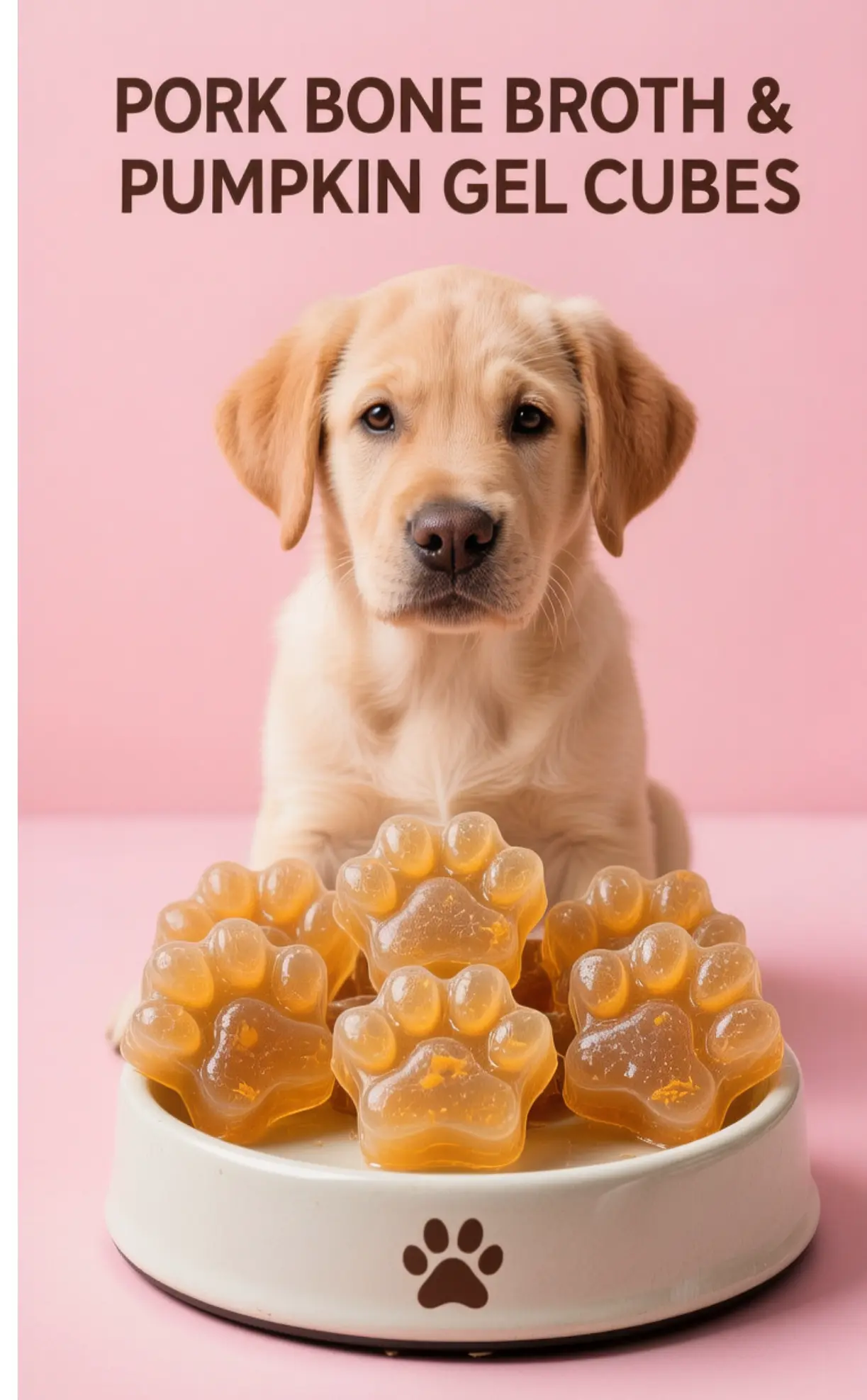
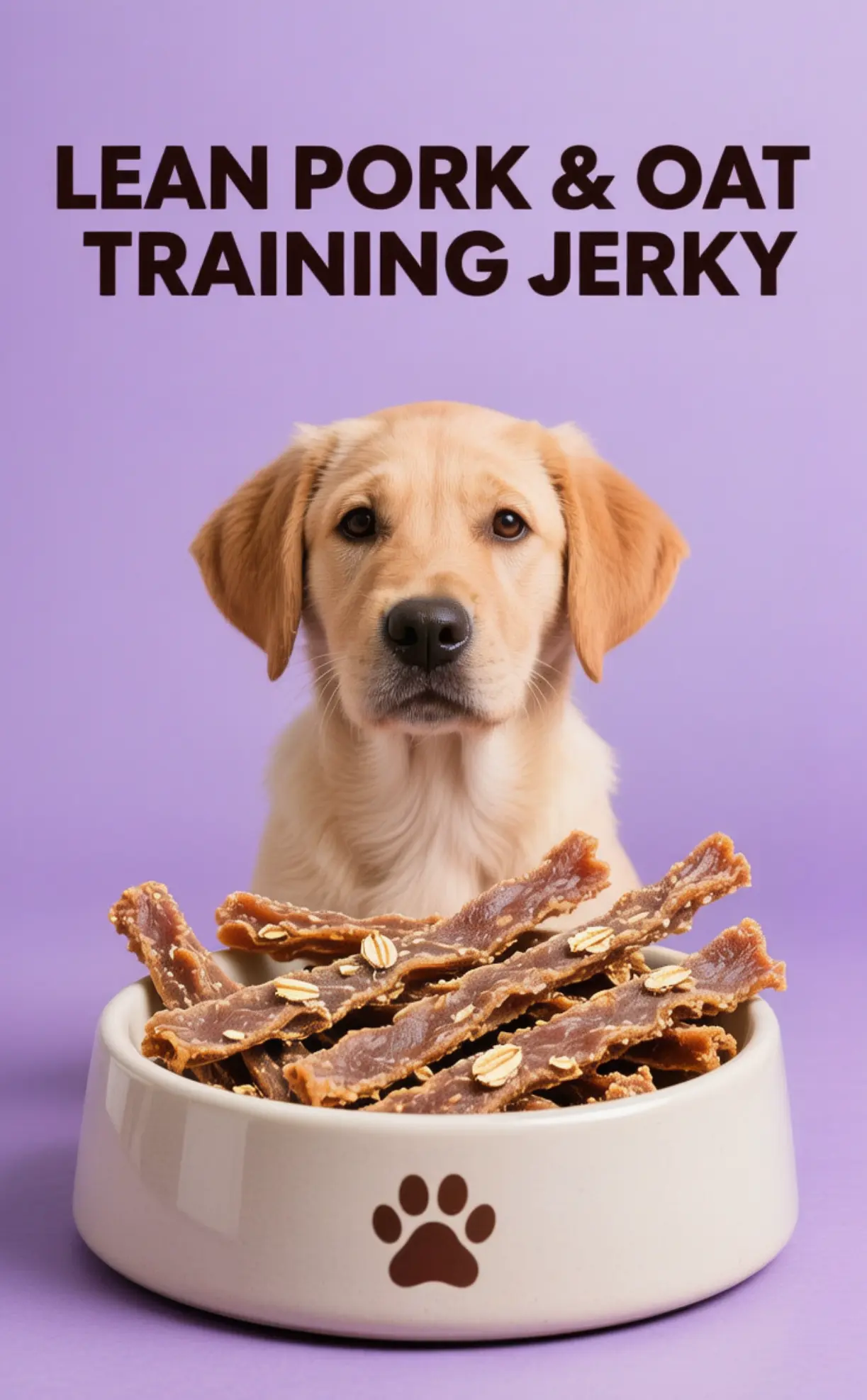
This is the portable treat option in the collection, designed to be dry enough for pockets and training pouches. Lean pork keeps it lighter, while oats help the strips hold together without turning brittle. Break into tiny rewards and reserve it for on-the-go sessions.
Quick Overview
- Prep Time: 15 minutes
- Cook Time: 5 to 7 hours (dehydrate)
- Total Time: 6 to 8 hours
- Yield: 25 to 40 thin strips
- Focus: portable training treats, dry texture, low mess
Step-by-Step
- Slice lean pork very thin across the grain, trimming visible fat so the strips dry cleanly. Thin, even strips are what make jerky consistent.
- Lightly coat with a simple oat slurry or press oats onto the surface so strips hold together after drying. Keep additives minimal to reduce drying time.
- Dehydrate in a single layer until strips are dry, firm, and not bendy in the center. Rotate trays if your machine has hot spots.
- Cool fully, then snap into training-size pieces. Store airtight and freeze extra portions to keep the texture crisp.
Emma’s Notes
Jerky is all about consistent slicing, so I measure batches and keep strips uniform. A dependable measuring spoon set helps me keep the oat binder consistent.
For true grab-and-go training, I portion dried strips into small containers so they stay dry and do not crumble. I like the Mason storage jar for home storage, and I refill a small pouch for outings.
Ethan focuses better when rewards are tiny and fast, so I break jerky into micro pieces for quick reinforcement. If you want a simple framework for how to use pork treats during training, the section Portable Pork Training Treats for On-the-Go Use is the best place to start.
Things To Watch
- Dryness check: bendy jerky spoils faster. aim for firm, dry strips.
- Fat trim: visible fat reduces shelf life and makes strips greasy.
- Storage: keep airtight, and freeze extras if you make large batches.
- Training portions: break into tiny pieces to avoid overfeeding.
Some links above are affiliate links. They never cost you extra, and they help us keep testing foods, tools, and daily routines with Ethan so these guides stay honest and practical.
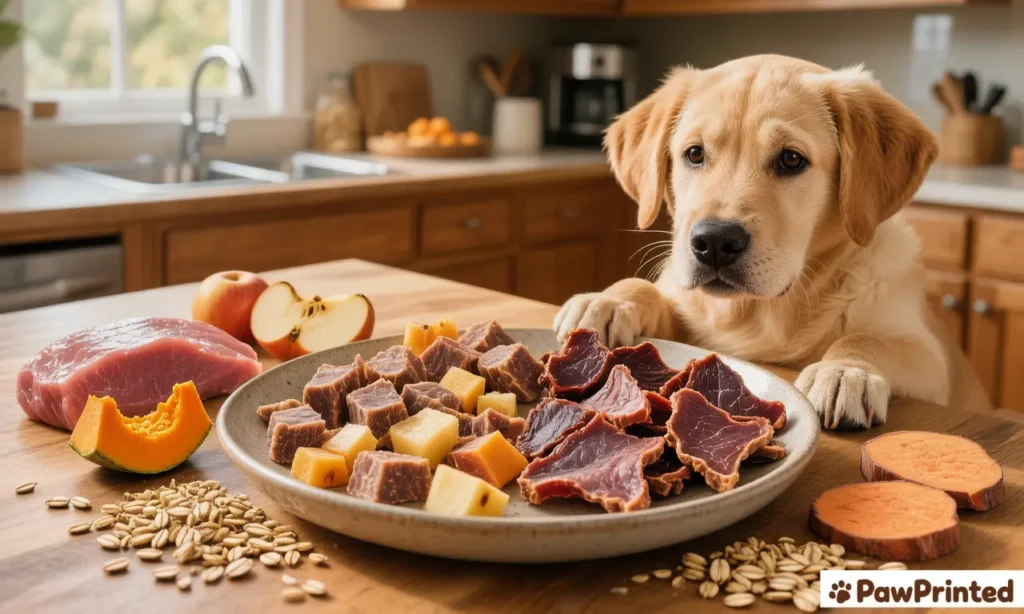
Nutritional Data – Vet Insights for Pork Treats
Treats are not meant to carry the full nutrition load – their job is to support training, enrichment, and routines without quietly pushing calories too high. If you want a clean mental model for where treats belong in a balanced feeding plan, start with our 3-Layer Feeding Strategy and keep this hub bookmarked for rotations: Homemade Dog Treats Hub .
Protein Bite – Why Pork Works
Pork can be a high quality protein option for many dogs when it is cooked thoroughly and trimmed lean. In treats, the goal is a small protein boost that stays easy to digest and does not overload fat.
Fat Control – The Real Make-or-Break
Most pork issues in treats are not about pork itself – they are about fat. Lean cuts, blotting or chilling to remove grease, and smaller treat sizes are the simplest ways to keep pork treats more pancreas-friendly.
Texture Strategy – Chew vs Crunch
Baked treats tend to be crunchier and easier to portion. Dehydrated treats are more chewy and often higher value for training, but they concentrate calories, so the serving size needs to shrink.
Stomach Comfort – Keep It Predictable
The safest treat rotation is predictable. If you are testing pork for the first time, keep the recipe simple, avoid extra rich add-ins, and introduce slowly over several days.
Which Dogs Benefit Most
Pork treats can work well for picky eaters, active dogs who need high-value rewards, and families doing short training sessions. For sensitive dogs, lean cuts and simple recipes tend to be the best starting point.
When To Adjust
If stools soften, gas increases, or your dog seems extra thirsty, reduce portion size first. If the pattern repeats, switch to a lower fat recipe in this collection or pause treats for 48 hours and reset.
For the deeper safety breakdown and the most common pork-specific pitfalls, jump to the guide: Pork Dog Treats Guide .
Vet Tips – Variations for Different Dogs
Sensitive Stomach
Keep recipes simple and lean. Skip rich oils, reduce egg or dairy add-ins, and use gentle binders like pumpkin or oat flour. Introduce pork treats in tiny pieces for several days before increasing.
Weight Management
Treats should feel generous but stay small. Choose dehydrated slices sparingly, favor baked low fat recipes, and use tiny training pieces. If you are tracking calories, count treats first.
Senior Dogs
Softer textures reduce chewing strain. Try thin baked treats that snap easily, or dehydrate to a pliable chew instead of a hard jerky. Keep sodium low and avoid heavy seasoning.
Active Dogs
Active dogs often do best with higher value rewards, but portion still matters. Use pork as a high-value training treat and pair it with smaller everyday treats for routine rewards.
Mild Itch or Food Sensitivity
Pork can be fine for some sensitive dogs, but reactions are individual. Choose a single protein recipe, keep everything else stable for two weeks, and watch for itch, ear flare, or stool changes.
Serving Ideas – Storage Rules That Keep Treats Fresh
Pork treats are easiest to manage when you treat them like meal prep: bake or dehydrate in one batch, cool fully, then portion into small containers so you are not grabbing handfuls all day. If you want a simple framework for portions that stays realistic, skim our Portion and Serving Size Guide and apply the same principle to treats – small, measured, consistent.
Daily Portion Shortcut
Small dogs: 2 to 6 tiny pieces per day. Medium dogs: 6 to 12. Large dogs: 10 to 20. Adjust down if you also use chews, lick mats, or training sessions that day.
Mixing With Meals
If you do both homemade meals and store-bought food, treats still fit. The key is to reduce meal portions slightly on heavy training days so treats do not quietly become a second meal.
Fridge vs Freezer
Baked treats usually hold 5 to 7 days in the fridge. Dehydrated treats hold longer when fully dried, but I still freeze half the batch if I made a lot.
Safe Cooling Rule
Cool treats fully before sealing. Warm treats trap moisture and turn soft or moldy faster. I cool on racks until room temperature, then store.
For batch storage, I like stackable freezer containers because they keep portions flat and easy to grab: freezer-safe stackable meal containers .
What Worked for Ethan – The Real Life Treat Routine
Ethan is the kind of dog who will work for a treat even when he is not hungry, which sounds adorable until you realize how fast training rewards can add up. What helped us most was building a treat routine that felt generous but stayed controlled: tiny pieces, predictable timing, and a storage setup that made it easy to grab one piece instead of a handful.
On rainy weeks when walks got shorter, I leaned more on enrichment and slower rewards. That is when a slow feeder or lick style routine kept him calm without turning treats into a calorie spiral. If your dog follows the same pattern, the explanation in Pork Dog Treats Guide can help you pick the right type of pork treat with more confidence.
Batch Prep Gear I Actually Use
When I bake, a reusable mat keeps cleanup painless and helps treats release cleanly. When I dehydrate, consistent trays matter more than fancy features.
Portion Control That Saves You
The easiest mistake is grabbing more than you planned. Pre-portioning into small containers makes the whole routine calmer and more consistent.
FAQ – Pork Dog Treats
Are pork dog treats safe for most dogs?
Yes, cooked pork treats are safe for many dogs when they are made from lean pork and served in small portions. The main safety goal is to avoid raw pork, heavy seasoning, and high-fat pieces that can upset digestion.
Pork itself is not automatically a problem, but treats concentrate decisions: fat level, portion size, and frequency matter more than the ingredient label. If you are trying pork for the first time, start with a simple baked treat, keep other treats stable for a few days, and watch stool quality and itch patterns.
If your dog has a history of pancreatitis, chronic GI issues, or food sensitivities, talk with your veterinarian first and choose a lower-fat recipe in this collection. When in doubt, smaller pieces are the safest adjustment.
Can pork treats cause pancreatitis?
Pork treats can increase pancreatitis risk mainly when they are high in fat or fed too often, not simply because they contain pork. The pancreas reacts to fat load, and rich treats can push sensitive dogs over their threshold.
The safest approach is to choose lean pork, trim visible fat, and avoid greasy cooking methods. For dehydrated pork jerky, the calorie density is higher, so portion size must shrink. If your dog has a pancreatitis history, skip rich cuts and keep treats rare and measured.
If you see vomiting, abdominal pain, or sudden refusal to eat, stop treats and call your vet. For mild stool changes, reduce treat size first and return to a bland routine for a day or two.
How many pork treats can I give my dog per day?
Most dogs do best when treats stay a small part of the day, with portion size based on body size and activity. As a practical rule, smaller dogs need only a few tiny pieces, while larger dogs can handle more pieces if the treats are small and lean.
The mistake is treating treat count as unlimited. Training sessions, enrichment toys, and casual handouts can stack quickly. Pre-portioning a daily treat allowance helps you stay consistent, and using tiny pieces keeps motivation high without overfeeding.
If your dog is gaining weight or stools soften, reduce treat size first, then reduce frequency. Treat routine consistency often matters more than choosing the perfect recipe.
Is dehydrated pork jerky healthier than baked pork treats?
Dehydrated pork jerky is not automatically healthier, but it can be higher value and longer lasting when dried properly. The key difference is calorie density: dehydration removes moisture, so the same amount of pork becomes more concentrated.
Baked treats are often easier to portion and can include gentle binders like pumpkin or oat flour that soften digestion. Dehydrated treats are great for reward value, but portion size should be smaller, especially for dogs that gain weight easily.
Choose based on your dog and your routine. If you need a quick daily treat, baked is usually simpler. If you need high-value training rewards, dehydrated can work well with strict portions.
What pork cuts are best for homemade dog treats?
Lean pork cuts are usually the best choice for dog treats because they keep fat lower and digestion more predictable. Pork loin and trimmed shoulder can work well, while very fatty cuts are more likely to cause stomach upset.
For baked treats, ground pork can work if it is lean, fully cooked, and paired with simple binders. For dehydrated treats, thin slices of lean pork dry more evenly and make portioning easier. Always skip seasoning, onion, garlic, and salty marinades.
If your dog has any pancreatitis risk, keep treats extra lean and serve in tiny pieces. When you are uncertain, choose the lowest-fat recipe in the collection and keep treat days lighter.
Wrapping It Up
If you want pork treats that feel special but still stay practical, the best strategy is simple: keep them lean, keep them small, and keep the routine predictable. Try one recipe for a few days, see how your dog responds, then rotate to the next option in this collection.
If you don’t want to cook daily, check our dry food picks – those were Ethan’s daily backups.
Author – Vet Review Notes
Emma, Founder at PawPrinted: I treat pork like a high-value tool, not an everyday default. When I keep portions tiny and recipes lean, Ethan does great with it and stays excited for training without the calorie creep.
Vet review note: Pork treats can fit many dogs when cooked thoroughly and kept low in fat. Portion control and consistency are the biggest safety levers, especially for dogs with GI sensitivity or pancreatitis risk.
References – Authoritative Sources
American Kennel Club (2022), “Can Dogs Eat Pork?”, AKC.
Can Dogs Eat Pork?
Practical guidance on pork safety, preparation, and common feeding cautions.PetMD Editorial Team (2023), “Pancreatitis in Dogs”, PetMD. https://www.petmd.com/dog/conditions/digestive/pancreatitis-dogs Overview of risk factors, including high-fat foods and treat overfeeding.
Tufts Cummings School of Veterinary Medicine (2020), “Treats and Snacks – How Much Is Too Much?”, Tufts. https://vetnutrition.tufts.edu/ Veterinary nutrition perspective on treat portions and balancing daily intake.
FDA (2024), “Pet Food Safety – Handling and Storage”, U.S. Food and Drug Administration. https://www.fda.gov/animal-veterinary/animal-food-feeds/pet-food Food handling and storage principles that apply to homemade treats and meals.
Merck Veterinary Manual (2023), “Nutrition – General Principles”, Merck Veterinary Manual. https://www.merckvetmanual.com/management-and-nutrition/nutrition-general-principles/nutrition-general-principles Foundational nutrition guidance relevant to balancing treats with total diet.
WSAVA Global Nutrition Committee (2021), “Selecting a Pet Food”, WSAVA.
Nutrition Guidelines
General feeding guidance and quality considerations for overall diet planning.
Explore More
Keep Building a Smarter Treat Routine
If you are planning treats alongside meals and supplements, these three guides make the whole system easier to run week to week.
Homemade Dog Treats Hub
Browse treat recipes by ingredient, texture, and training use so you can rotate without repeating the same idea.
The 3-Layer Feeding Strategy
Learn where treats fit, how to avoid calorie creep, and how to balance rewards with real meals.
Pork Dog Treats Guide
Not sure if pork is the right protein for your dog? Use the safety checklist and choose lean options with confidence.
Oven-Baked Pork Loin & Pumpkin Training Treats
- Oven
- – Mixing bowl
- Baking sheet
- Parchment paper
- Sharp knife or pizza cutter
- Lean pork loin trimmed of visible fat
- Plain pumpkin puree 100% pumpkin, no spices
- Rolled oats or oat flour
- One large egg
- Preheat your oven and line a baking sheet with parchment paper to prevent sticking and over-browning. Keep the oven temperature moderate so the treats dry and set rather than fry.
- Finely chop or mince the pork loin until the pieces are very small and even. This helps the treats bake evenly and keeps the texture firm without needing excess fat.
- In a mixing bowl, combine the minced pork loin, pumpkin puree, oats, and egg. Mix thoroughly until the mixture holds together and can be spread without crumbling. The dough should feel slightly tacky but not wet.
- Spread the mixture evenly onto the prepared baking sheet, pressing it into a thin, uniform layer. Thinner layers work better for training treats because they bake faster and break cleanly.
- Bake until the surface is firm and lightly dried. Remove from the oven and let the slab cool slightly, then cut into very small cubes or thin strips suitable for training rewards.
- Allow the treats to cool completely before storing. Proper cooling helps them firm up and prevents moisture buildup during storage.