Cold days call for comfort in our kitchen, and this winter dog treats guide is my cozy plan for Ethan. When temperatures drop, pups often need a little extra support for energy, joints, and immunity. If you want a quick seasonal overview before we start, skim our Winter Dog Health Guide and, if you are new to DIY snacks, keep our Homemade Dog Treats Guide handy.
In this collection, you will find five vet approved recipes we actually bake at home: Venison & Oat for a high protein boost, Sweet Potato & Flaxseed for gentle joint care, Beetroot & Carrot for antioxidants, Chicken Broth & Turmeric for immune support, and Honey & Cinnamon for a warm holiday cookie vibe.
Each card below includes quick why it works notes, a view full tutorial button, and capsule buttons that link to helpful tools or deeper reading. Grab a mug, preheat the oven, and let’s make winter feel friendly for your pup.
Seasonal Context — Why Winter Treats Matter
Winter changes everything about how our dogs eat, move, and rest. When the air turns dry and chilly, their metabolism works harder to keep body heat stable, meaning they burn calories faster and crave richer textures. That’s why Ethan’s winter diet always includes small, nourishing snacks—balanced in protein, gentle on digestion, and easy to freeze or reheat when needed.
These homemade dog treats focus on warmth and wellness: venison and oats deliver slow, steady energy; turmeric and chicken broth support immunity; flaxseed and sweet potato help joints stay flexible. Instead of heavy fats, I rely on natural fibers and omega oils for a softer, satisfying chew.
Vet Insight — “During cold months, prioritize moisture-retaining ingredients and joint support nutrients. Keep portion sizes moderate, and avoid sugary, human-style holiday cookies.”
Ingredient Philosophy — How I Chose These Winter Combos
Every ingredient in these winter dog treats serves a purpose. When I plan seasonal snacks for Ethan, I think in layers — warmth, balance, and safety. Venison brings lean protein for stamina, oats add digestible carbs, and turmeric keeps inflammation in check. Sweet potato and beetroot deliver antioxidants, while cinnamon turns the kitchen cozy without adding sugar.
Venison & Oat
High protein and slow-release carbs — keeps your dog energized on cold walks.
Sweet Potato & Flaxseed
Rich in fiber and omega-3, perfect for joint care and digestion support.
Beetroot & Carrot
Antioxidant power for cell repair and healthy coat shine all winter long.
Chicken Broth & Turmeric
Comforting, immune-boosting combo with natural anti-inflammatory benefits.
Honey & Cinnamon
Natural sweetness and aroma that make holiday baking sessions dog-safe and fun.
Tip — Tap any ingredient card above to jump directly to its detailed recipe section below.
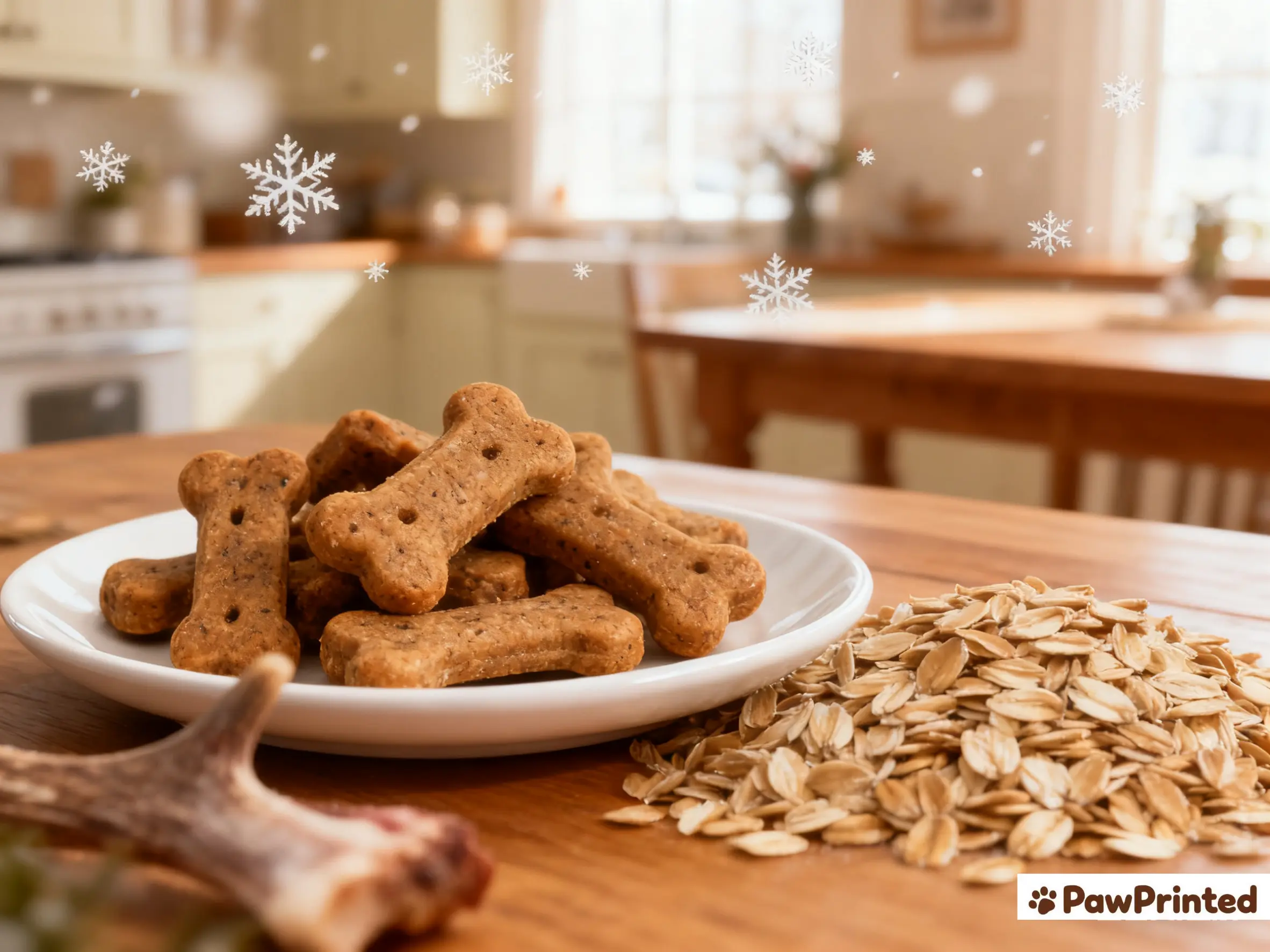
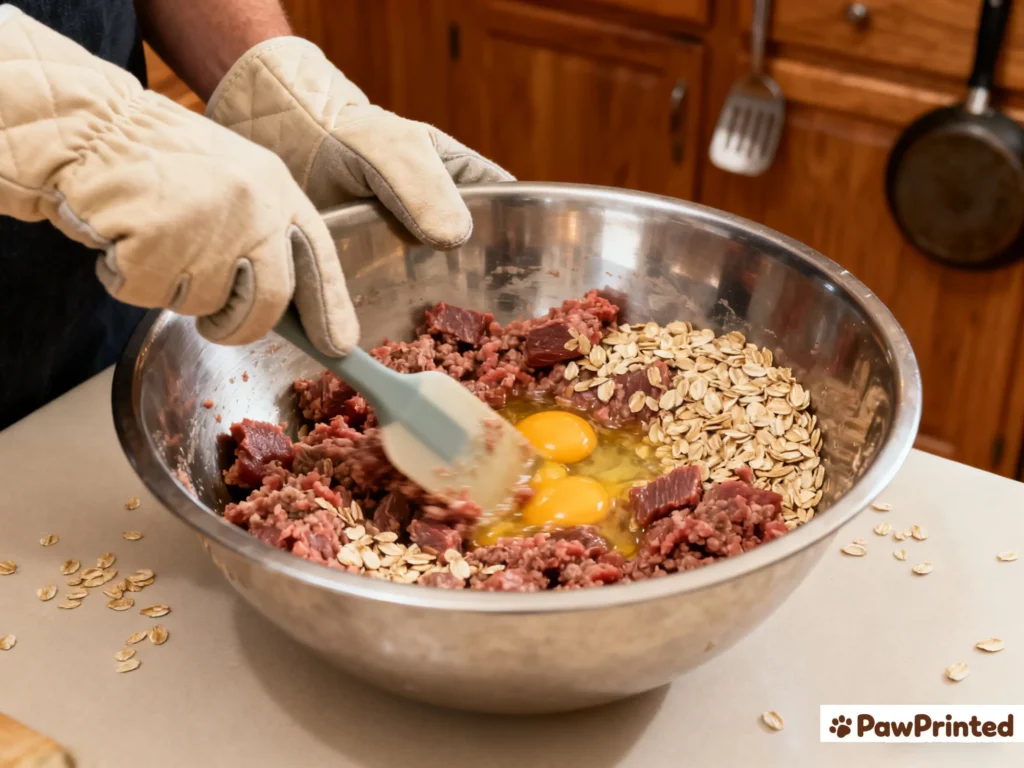
Lean venison plus whole oats for steady winter energy — crisp edges, gentle on digestion, perfect for cold-weather walks.
Quick Overview
- Prep Time: 10 minutes
- Cook Time: 22–25 minutes
- Total Time: ~35 minutes
- Yield: ~20 bite-size treats
- Focus: High Protein · Winter Energy
Why It Works
- Venison provides lean protein for cold-weather stamina.
- Oats add slow-release carbs and fiber for steady energy.
- Simple formula keeps sensitive tummies comfortable.
Things To Watch
- Adjust thickness for your oven; thinner bakes faster.
- Cool fully before storing to keep the crunch.
- Portion by size/weight to avoid over-treating.
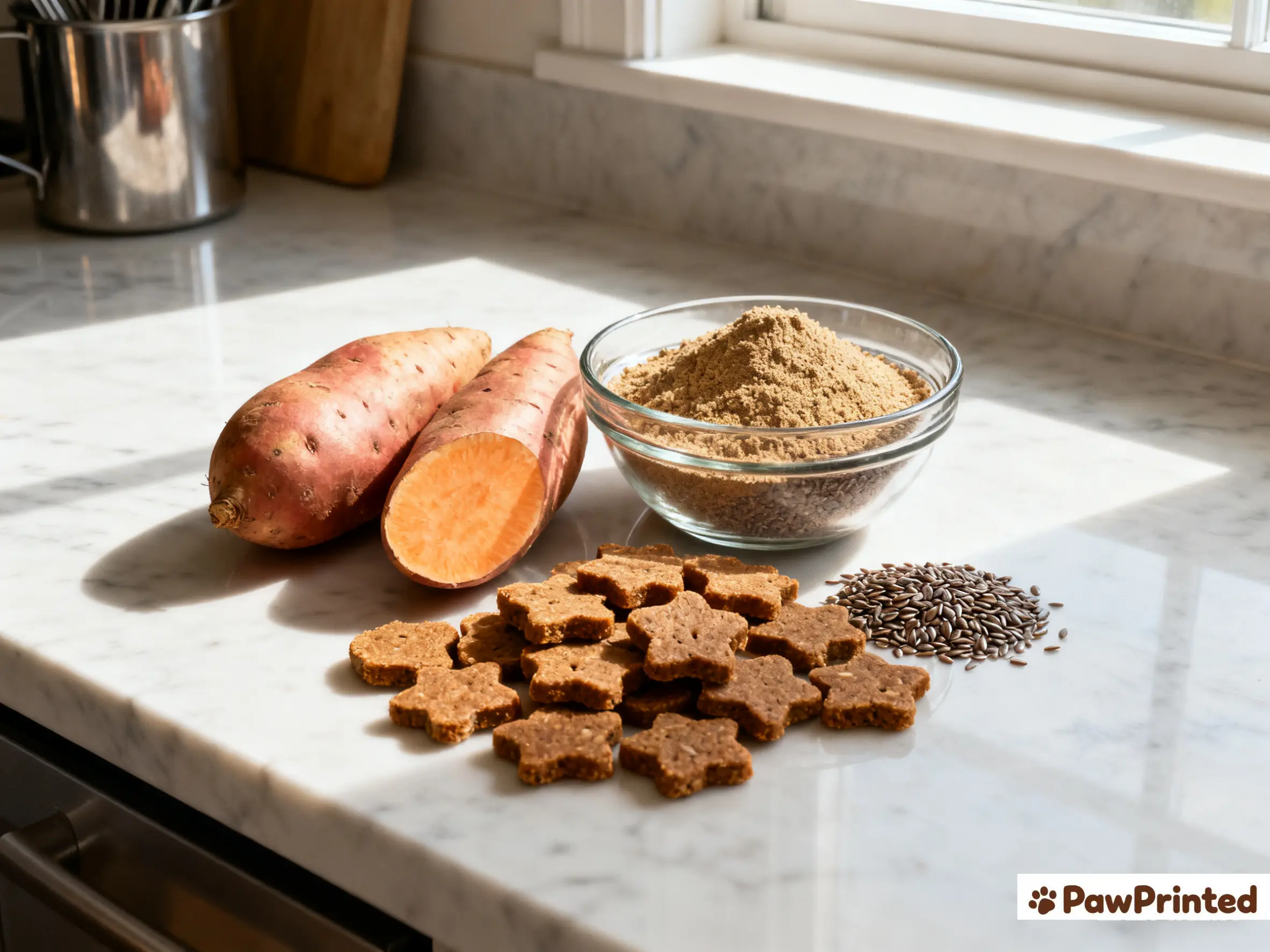
Fiber-rich sweet potato meets omega-3 flaxseed — a soft-center bake that’s friendly for joints and easy on digestion.
Quick Overview
- Prep Time: 12 minutes
- Cook Time: 20–24 minutes
- Total Time: ~36 minutes
- Yield: ~18–22 treats
- Focus: Joint Care · Omega-3
Why It Works
- Flaxseed brings plant omega-3s that support joints.
- Sweet potato adds soluble fiber for gut comfort.
- Soft bake suits seniors and small dogs.
Things To Watch
- Grind flaxseed fresh for better absorption.
- Keep portions modest for weight control.
- Cool before storage to prevent moisture build-up.
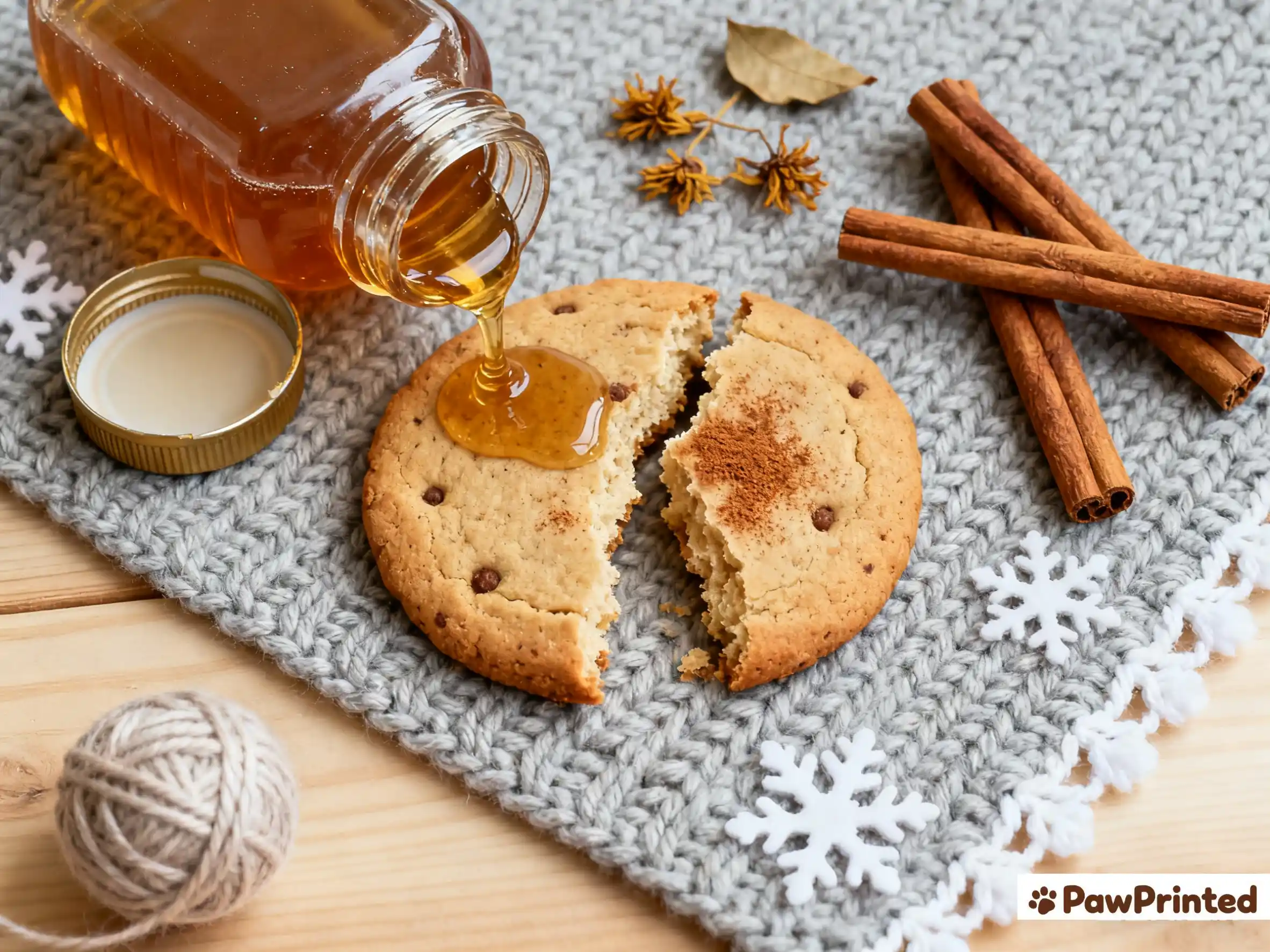
Lightly sweet, warmly spiced dog-safe cookies — festive aroma without added sugar; crisp outside, tender inside.
Quick Overview
- Prep Time: 10 minutes
- Cook Time: 18–22 minutes
- Total Time: ~32 minutes
- Yield: ~24 mini cookies
- Focus: Holiday · Cozy · Low Sugar
Why It Works
- Real honey (in moderation) adds gentle flavor.
- Cinnamon brings warmth and kitchen-friendly aroma.
- Clean ingredient list keeps it pup-focused.
Things To Watch
- Avoid nutmeg or spice blends with additives.
- Let cookies cool fully for snap and storage.
- Serve as occasional treats, not daily staples.
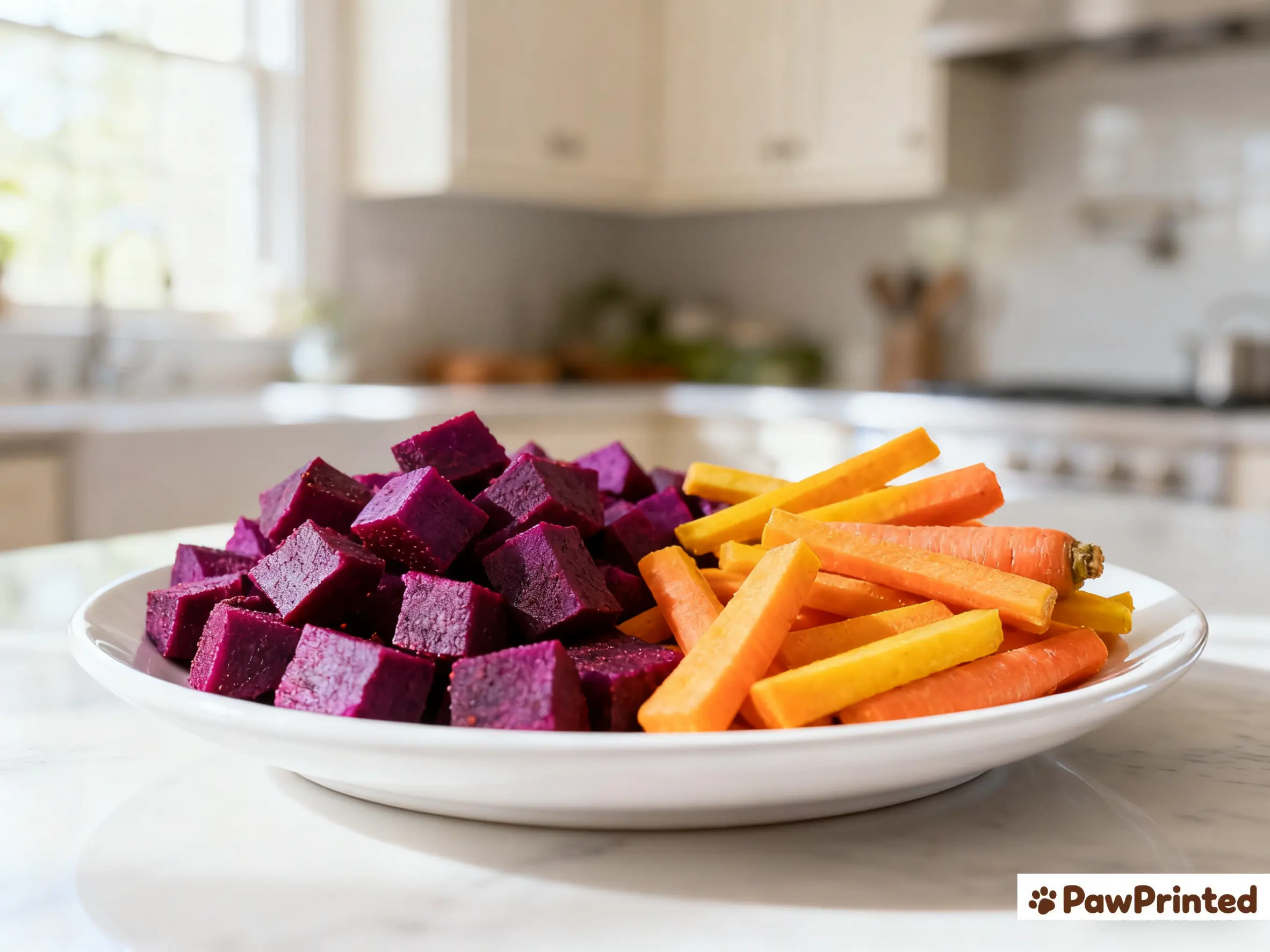
Bright, veggie-forward bites rich in antioxidants — a cheerful winter crunch that supports coat and recovery.
Quick Overview
- Prep Time: 12 minutes
- Cook Time: 20–24 minutes
- Total Time: ~36 minutes
- Yield: ~20–24 treats
- Focus: Antioxidant · Veggie-Rich
Why It Works
- Beetroot and carrot deliver color plus phytonutrients.
- Low-allergen base suits many sensitive dogs.
- Easy to batch bake for weekly prep.
Things To Watch
- Pat veggies dry to avoid soggy dough.
- Uniform shapes bake more evenly.
- Cool fully, then store airtight.
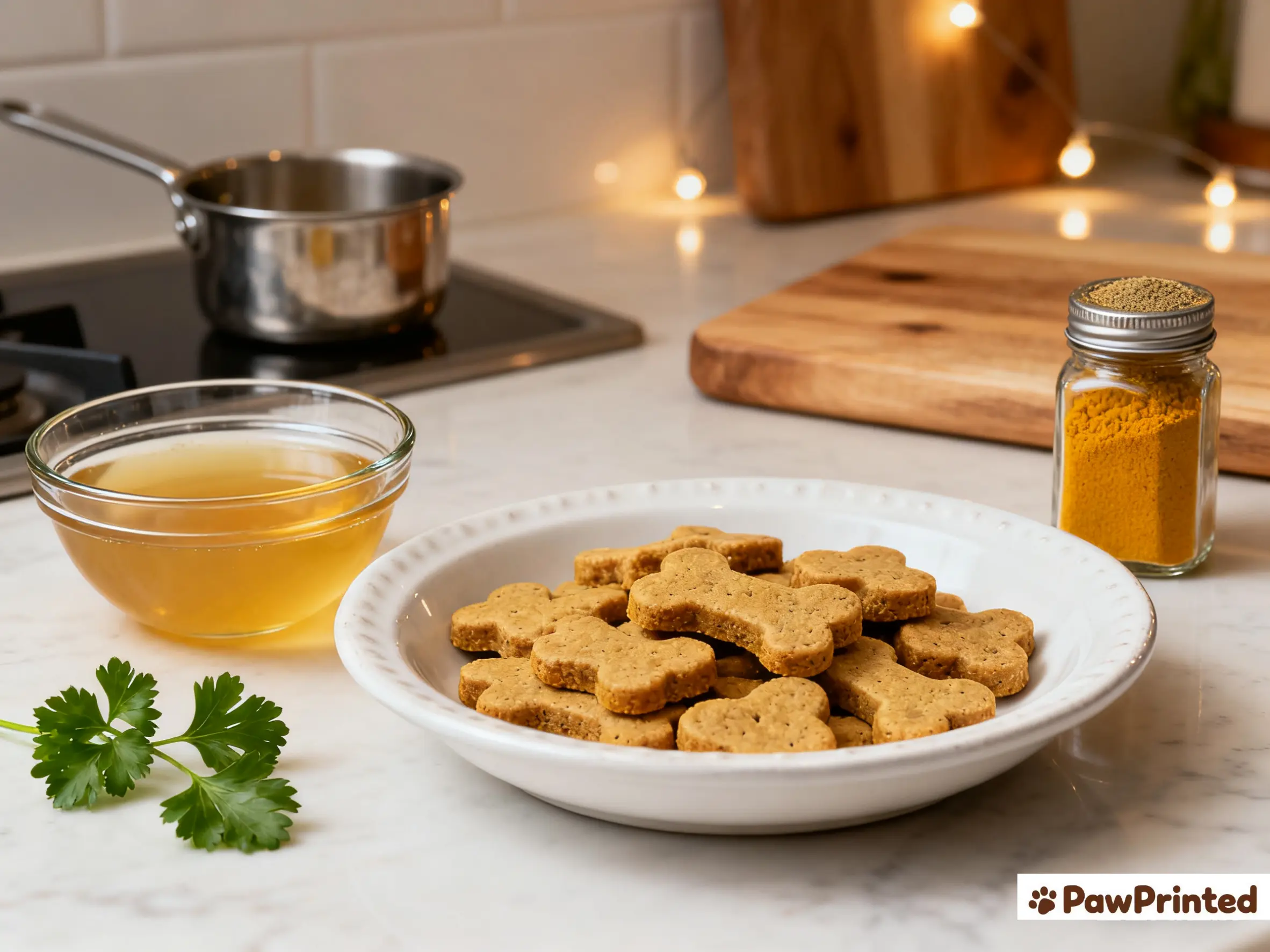
Comforting broth and a hint of turmeric for a winter immune nudge — soft chew texture ideal for younger or senior pups.
Quick Overview
- Prep Time: 8 minutes
- Cook Time: 16–20 minutes
- Total Time: ~28 minutes
- Yield: ~20 soft chews
- Focus: Immune · Anti-Inflammatory
Why It Works
- Unsalted chicken broth improves palatability and hydration.
- Turmeric supports immune and recovery pathways.
- Soft texture suits sensitive chewers.
Things To Watch
- Use low-sodium, onion-free broth only.
- Cool fully before refrigerating or freezing.
- Introduce turmeric gradually for tolerance.

Vet & Nutrition Insights
Energy & Thermoregulation
Cold weather increases a dog’s energy needs as the body works to maintain core temperature. Small, nutrient-dense treats help top up calories without overfeeding. Prioritize lean proteins for muscle maintenance and add complex carbs for steady release. Keep treats bite-size so you can adjust portions based on activity and body condition.
Joint Care In Winter
Stiffer mornings are common when temperatures drop. Recipes that include omega sources or pair well with joint-friendly add-ons can support comfort. Choose softer bakes for seniors and tiny bites for training so you avoid sudden impact loading. Keep walks consistent and warm up gently before higher activity.
Digestive Comfort & Fiber
Seasonal routine changes can upset digestion. Gentle fibers support stool quality while helping dogs feel satisfied. Aim for simple ingredient lists and avoid heavy fats. If your dog is sensitive, introduce new treats gradually and monitor stool and appetite for 48 hours before increasing frequency.
Allergy & Sensitivity Basics
Winter baking often adds aroma, but keep spices minimal and dog safe. Use single-protein bases when you can and avoid common triggers your dog has reacted to before. Record what worked and what did not, then rotate treats weekly to reduce repeat exposure and keep enthusiasm high.
Tip – Keep treat calories under 10 percent of daily intake. If body condition trends up or down for two weeks, adjust portions and revisit activity and meal balance.
Storage & Serving Guide
Once your winter dog treats cool completely, proper storage makes all the difference. I use an airtight treat container to keep them crisp and protected from humidity — especially in kitchens that stay warm from baking. If you live somewhere extra damp, add a small sheet of parchment inside the container to absorb moisture and preserve the crunch.
For softer recipes, like the Sweet Potato & Flaxseed treats, store them in the refrigerator for up to a week or freeze in single-serve batches for up to a month. To serve, simply let a few thaw naturally on the counter for 10–15 minutes — they’ll regain their chewy texture without losing flavor.
Crunchy recipes such as the Venison & Oat and Beetroot & Carrot versions hold up beautifully in sealed jars at room temperature for five to seven days. Always store away from direct sunlight or stoves, as residual heat can soften oils and shorten shelf life.
Tip — Label jars with baking dates. Homemade dog treats are preservative-free, so small frequent batches keep flavor fresh and minimize waste.
Ethan’s Winter Favorites
When the oven timer dings, Ethan always knows it’s treat time. Winter is when he becomes my most loyal kitchen assistant — waiting by the counter, tail thumping, nose twitching. Here are a few things that make his cold-weather baking days easier (and warmer).
🍪 Silicone Treat Mold
I love how tidy this silicone mold keeps our baking sessions. The paw-and-bone shapes release perfectly, and cleanup is fast — just rinse and air dry. It’s a staple for every treat batch.
📦 Airtight Storage Jar
We use an airtight container to store weekly batches. It locks in crunch while keeping winter humidity out. Plus, it looks neat on the counter beside Ethan’s water bowl.
🦴 Joint Support Chews
For chillier days, I pair his homemade snacks with vet-approved joint chews. They help keep him spry and comfortable when morning walks get extra frosty.
🐟 Omega-3 Salmon Oil
A drizzle of salmon oil boosts skin and coat health. Winter air can be drying, and this simple topper keeps Ethan’s fur soft and shiny through the season.
🛋️ Heated Blanket
After baking, Ethan curls up on his heated dog blanket while the kitchen fills with cookie scents. It’s his reward for “supervising” all that mixing and rolling.
Note — All links above open in new tabs for easy browsing. Each product is one we genuinely use at home to make baking safer, cleaner, and cozier.
FAQ — Winter Dog Treats Collection
Are homemade winter dog treats safe for all dogs?
Generally yes, if you stick to dog-safe ingredients and moderate portions. Most dogs tolerate lean meats, oats, sweet potatoes, and carrots well. Always avoid chocolate, nutmeg, raisins, and artificial sweeteners. For puppies or dogs with kidney or liver conditions, check with your vet before introducing new treats.
How many winter treats can I give per day?
Treats should make up less than ten percent of your dog’s daily calorie intake. For an average 30-pound adult, that’s roughly two to three small biscuits. During cold weather when exercise drops, adjust portions slightly down to maintain healthy weight.
Can I freeze homemade dog treats?
Absolutely. Most of these recipes freeze beautifully for up to one month. Use airtight freezer trays or small silicone molds and thaw at room temperature before serving. Avoid microwaving, which can create hot spots and uneven texture.
What ingredients help dogs stay warm in winter?
Higher protein and digestible carbohydrates such as oats and sweet potatoes provide slow, steady energy. Omega-rich ingredients like salmon or flaxseed oil also support metabolism and coat health, which indirectly helps temperature regulation.
Do older dogs need special treat textures in winter?
Yes. Softer bakes such as the Sweet Potato & Flaxseed or Chicken & Turmeric versions are easier for seniors to chew. Pair them with joint-support supplements and keep serving sizes small but frequent to maintain appetite and comfort.
Wrapping It Up
Winter doesn’t have to mean dull diets for our pups — it’s the perfect excuse to warm up the kitchen and bake something full of care. Each of these five recipes brings comfort and nutrition in one bite: protein for strength, fiber for digestion, and a touch of love for joy. Ethan’s tail always tells me which batch wins the week, but what matters most is the shared ritual — the smells, the waiting, the wag.
If your dog is just starting with homemade treats, begin with a single batch and observe how they respond. Switch between soft and crunchy versions to find your pup’s favorite texture, and remember: moderation keeps every snack guilt-free. Don’t forget to check the Winter Dog Health Guide for seasonal care tips alongside these treats.
If you don’t want to cook daily, check our dry food picks — those were Ethan’s daily backups.
Tip – Baking for your dog is more than nutrition; it’s bonding. Even small efforts — a warm cookie, a healthy chew, or a cozy blanket nearby — can make winter feel like home.
Author & Vet Review Notes
“These winter treat combinations balance warmth, energy, and digestibility — all while keeping ingredient lists short. The use of lean meats, root vegetables, and omega oils supports seasonal metabolism without unnecessary calories.”
— Dr. Lydia Harper, DVM, PawPrinted Veterinary Advisor
“Every batch I bake for Ethan reminds me that care can be practical and simple. Good food is love made visible — and in winter, that love smells a lot like oats, honey, and a sleepy dog waiting by the oven.”
— Emma, Founder & Dog Mom at PawPrinted
All PawPrinted recipes are reviewed by a certified veterinarian before publishing. Our goal is to help dog parents cook confidently while keeping meals safe, balanced, and joyful.

Explore More — Treats & Tools
Affiliate Disclosure
Some links on this page are affiliate links, which means PawPrinted may earn a small commission if you purchase through them — at no extra cost to you. Every product we mention is hand-tested, reviewed, or genuinely used in our kitchen with Ethan. Our choices always prioritize safety, ingredient transparency, and real-world usefulness for dog parents.
These commissions help us keep creating free, vet-reviewed recipes and seasonal guides without using intrusive ads. You’re supporting an independent dog-lover team that believes in “Feed with Love, Cook with Care.”
Transparency Note — We only recommend Amazon products rated 4.3★ or higher, available with Prime delivery, and relevant to homemade dog food or treat preparation.