Low calorie dog treats are a simple way to reward your pup more often without adding unwanted weight. Many store-bought snacks look light on the label, but still include fillers, starches or added oils that stack calories quickly. Homemade options let you control the ingredients, texture and portion size, giving you treats that feel fresher and fit better into daily routines.
This collection brings together six homemade low calorie treat styles built around fruit, veggies, oats and lean proteins. Each one is easy to prepare, gentle on digestion and ideal for training or everyday snacking. If your dog needs lighter rewards, or you just want treats that feel clean and wholesome, these six recipes are a strong place to start.
Why Low Calorie Treats Matter
Dogs often earn multiple small rewards throughout the day, especially during training or active play. When each bite is high in calories, the total can add up quickly and impact weight, mobility and energy balance. Low calorie treats help keep daily intake under control while still allowing plenty of positive reinforcement.
These lighter snacks rely on moisture-rich vegetables, fiber-friendly fruits and lean proteins instead of heavy starches or fats. This makes the treats easier to digest, less likely to overwhelm sensitive stomachs and more suitable for long-term use. If your vet has mentioned weight control, or you simply prefer cleaner ingredients, low calorie treats fit naturally into most feeding plans.
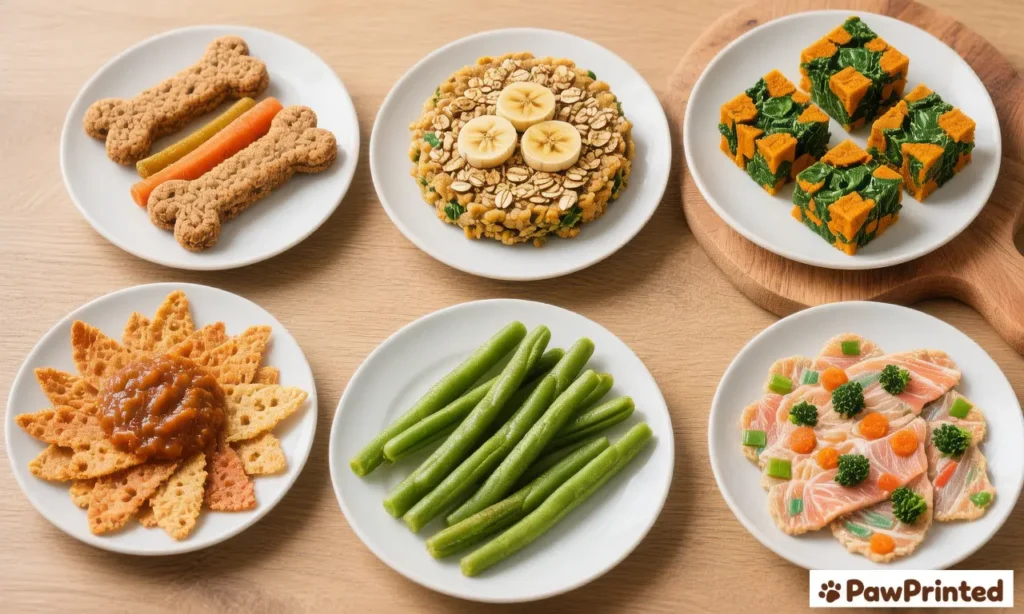
Low Calorie Dog Treat Recipes Collection (6 Easy Homemade Treats)
This collection gathers six homemade low calorie dog treat recipes using fruit, veggies, oats and lean protein. Each recipe keeps calories light while still offering texture, flavour and training-friendly bite sizes that many pups love.
Thin baked apple and carrot treats that are naturally sweet, crisp, high in fiber and light enough for frequent daily rewards.
Quick Overview
- Thin, crunchy apple and carrot slices.
- Low fat, high fiber texture.
- Ideal for training and weight control plans.
Why It Works
- Apples offer natural sweetness without sugar.
- Carrots add gentle fiber for digestion.
- Light baking style keeps calories low.
Things To Watch
- Use even slices so they bake uniformly.
- Store airtight to keep crunch.
- Start slow for dogs with sensitive stomachs.

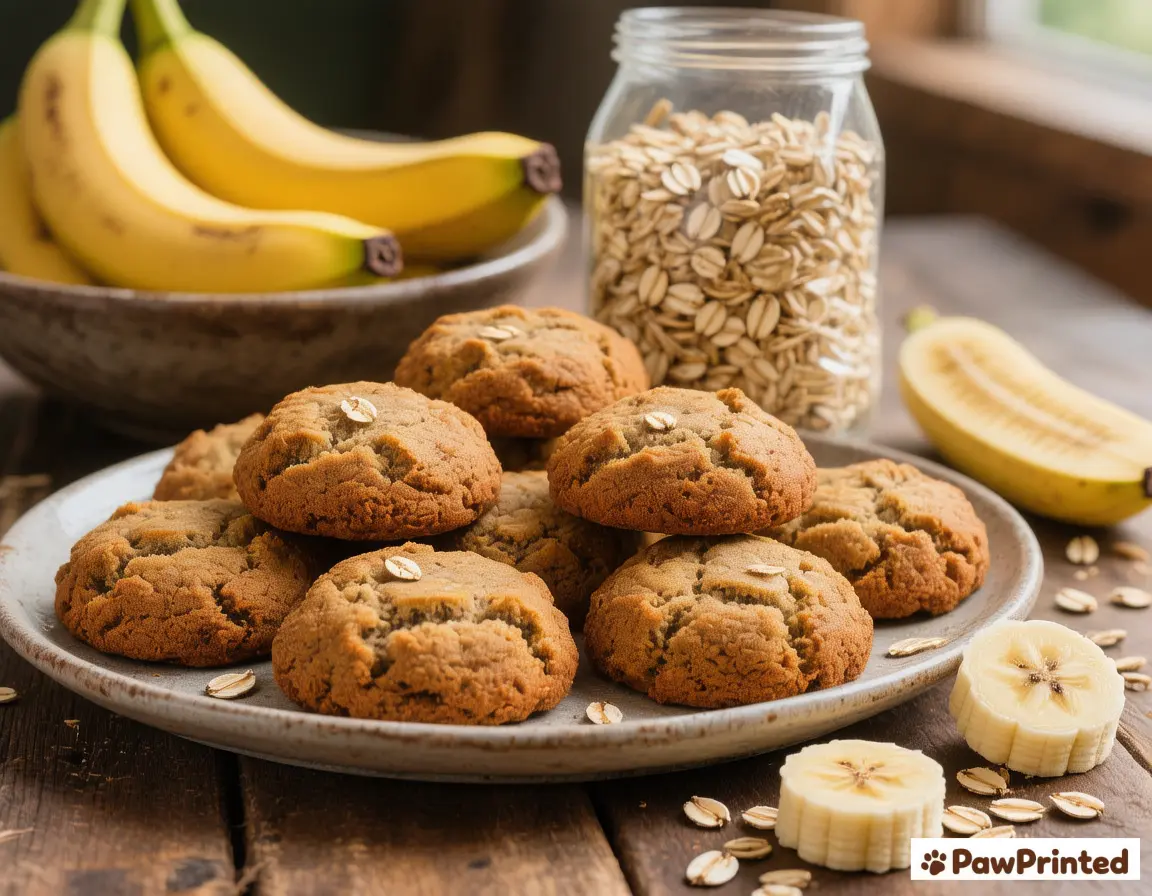
Soft, naturally sweet banana and oat treats that are gentle on digestion and easy to shape into training-sized bites.
Quick Overview
- Banana-based soft texture.
- No added oils or sugar binders.
- Great for puppies and seniors.
Why It Works
- Oats provide gentle fiber for fullness.
- Banana offers natural sweetness and minerals.
- Low fat and easy to digest.
Things To Watch
- Avoid overbaking so treats stay soft.
- Chill if your climate runs warm.
- Break into small pieces for tiny dogs.
Savory, fiber-rich pumpkin and spinach bites that deliver micronutrients while keeping calories low.
Quick Overview
- Pumpkin puree and spinach base.
- Baked into small, chewy pieces.
- Great for daily snacking.
Why It Works
- Pumpkin supports digestion with gentle fiber.
- Spinach adds vitamins without many calories.
- Ideal alternative to commercial treats.
Things To Watch
- Use pure pumpkin, not pie filling.
- Chop spinach finely for even baking.
- Start slow for dogs new to greens.

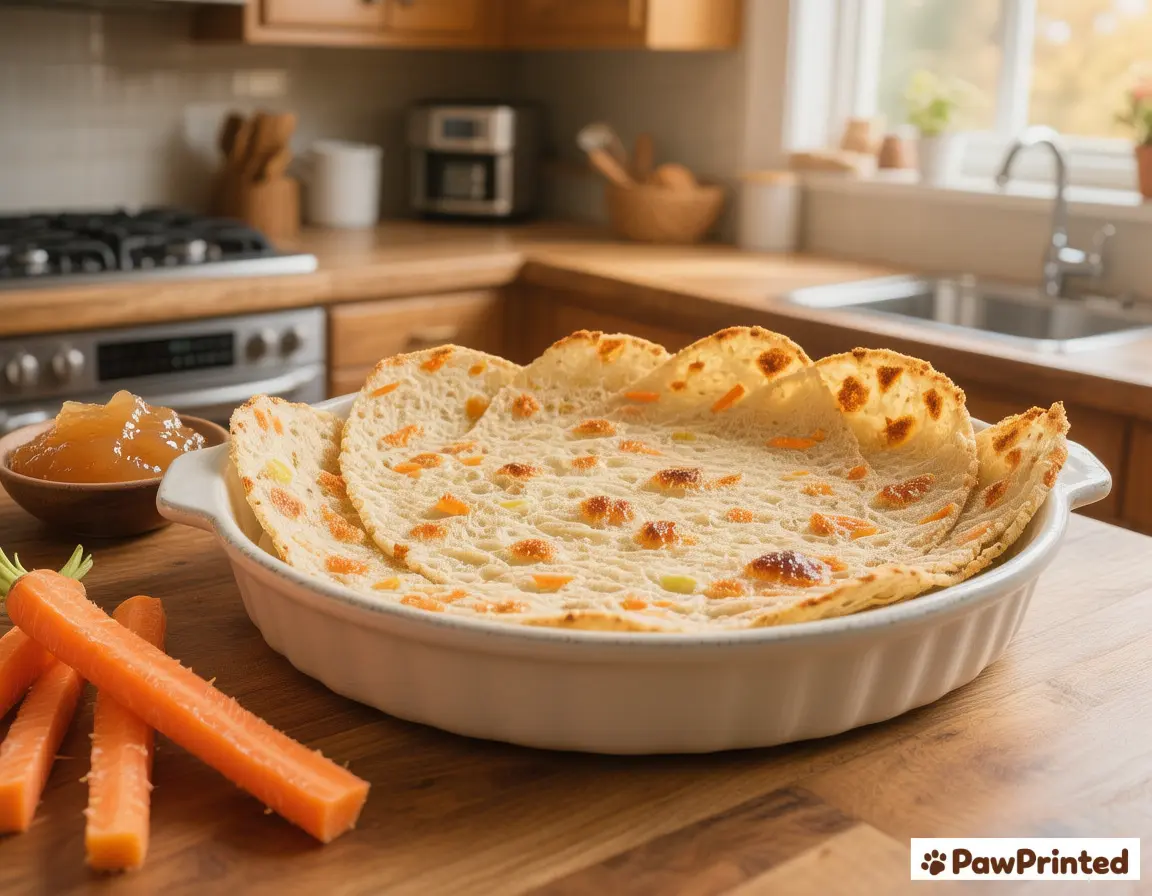
A crispy thin-bake sheet treat made with applesauce and carrot, perfect for breaking into tiny training-size pieces.
Quick Overview
- Sheet baked and sliced thin.
- Low fat and lightly crisp.
- Easy for training rewards.
Why It Works
- Thin slice format keeps calories extremely low.
- Applesauce binds without heavy fats.
- Carrot adds crunch, sweetness and fiber.
Things To Watch
- Spread mixture evenly on the tray.
- Allow cooling before slicing.
- Store airtight to protect crispness.
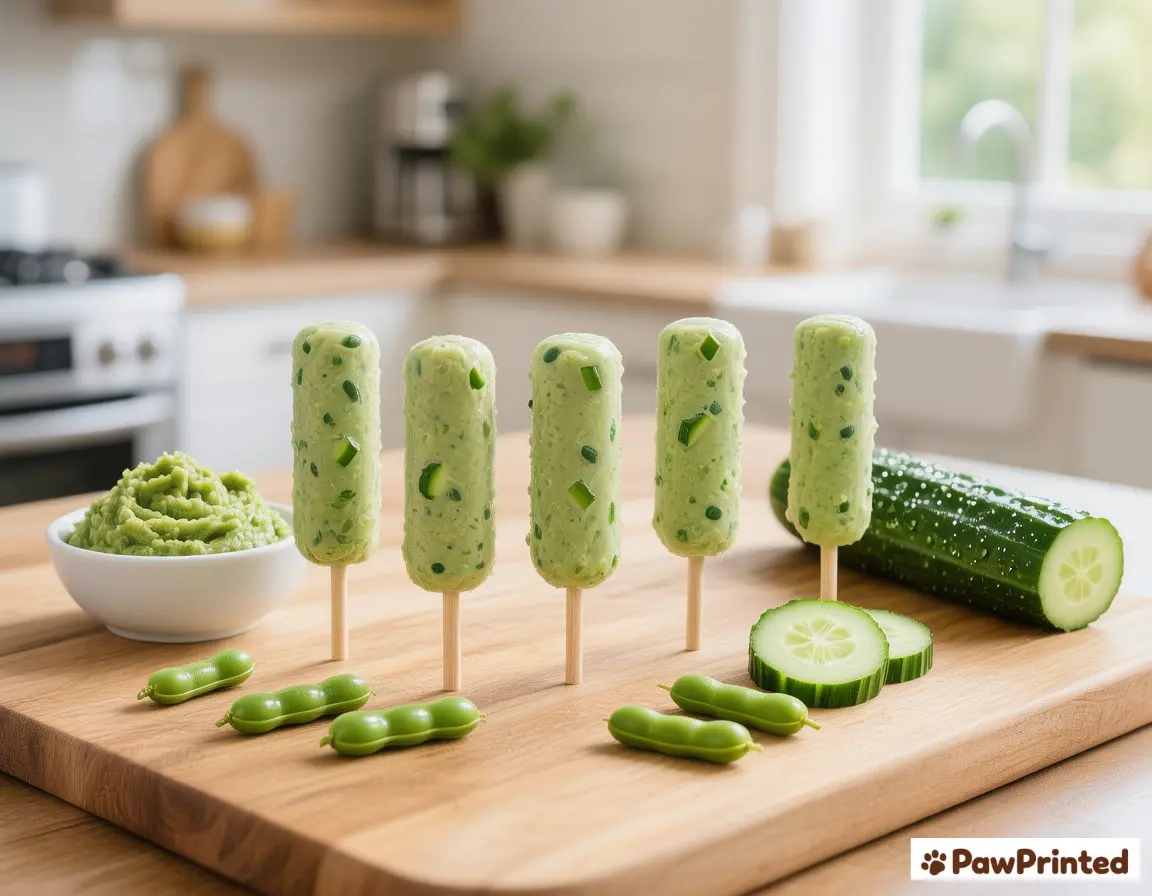
Cooling, hydrating mini pops perfect for hot days, post-walk cooldowns or dogs that prefer lighter snacks.
Quick Overview
- Frozen mini pops using silicone moulds.
- Very low calorie and high moisture.
- Ideal for summer and active dogs.
Why It Works
- Green beans and cucumber are extremely light and hydrating.
- Cold treats slow down eating.
- No fats or dairy in the base.
Things To Watch
- Let thaw slightly for sensitive teeth.
- Serve on a wipe-clean mat to catch drips.
- Monitor for dogs that dislike cold treats.
Thin sliced lean fish baked with mixed veggies — a high protein, low calorie choice for energetic or weight-conscious dogs.
Quick Overview
- Lean fish base with vegetables.
- Thinly sliced for slower chewing.
- High protein and low fat.
Why It Works
- Fish protein supports muscle health with fewer calories.
- Vegetables add bulk and nutrients.
- Thin slices help with portion control.
Things To Watch
- Use boneless, skinless fish.
- Bake fully and cool well.
- Refrigerate or freeze for freshness.

If you enjoyed exploring these low calorie treats, you may love the full treat recipe hub too. It includes eight vet-approved homemade dog snacks covering sensitive stomachs, training treats, crunchy biscuits and allergy-friendly options. A great next step if you want a wider variety of healthy recipes for your pup.
How To Use These Treats
Low calorie treats work best when they are part of a clear daily routine instead of “extra” food on top of everything else. Use these recipes during short training sessions, as rewards after walks, or as small check-in snacks when your dog settles calmly on their bed. Keeping treats tied to specific behaviors makes every bite more meaningful and easier to track.
For most adult dogs, these treats should stay under ten percent of daily calories. That usually means a few small pieces spread across the day rather than a large handful at once. Break the treats into tiny bites for toy breeds and senior dogs with slower metabolisms, and always adjust your regular food portion if you notice weight creeping up.
If your dog is on a weight management plan, it helps to record treat intake just like you track meals. Note roughly how many pieces you use during training, after walks, or in the evening, and compare that pattern with the guidance in your vet’s plan or resources like our Dog Weight Management 101 article. Over a few weeks, you will see which treat style fits your dog’s energy levels and body condition the best.
Storage & Meal Prep Tips
Good storage keeps low calorie treats safe, crisp or chewy in the right places, and easy to grab when you actually need them. Baked treats like the apple and carrot or applesauce thin-bake recipes usually do best in an airtight container at room temperature for a few days, then in the fridge if you want them to last longer. Softer banana and oat treats often hold their texture better when refrigerated from day one.
Frozen styles such as the green bean and cucumber mini pops can be made in silicone freezer trays and stored for several weeks. Pop out a few pieces at a time into a smaller container so you are not opening and closing the main freezer box constantly. Label each batch with the date and recipe name so you remember what your dog liked and how quickly you used it.
As a loose guide, most baked low calorie treats keep well for three to five days at room temperature and up to a week in the fridge, assuming your kitchen is not extremely warm. Frozen treats often last one to two months. If you prefer batch cooking, dedicate one small baking session per week, portion the finished treats into airtight containers, and keep a “this week” box at the front of your cupboard or fridge for easy access.

Vet Tips & Variations
One of the biggest advantages of homemade low calorie treats is how easy it is to swap ingredients within the same structure. In many recipes, banana can be replaced with unsweetened applesauce, and carrots can trade places with pumpkin or finely chopped green beans. The key is to keep the overall moisture and fiber levels similar so the texture still bakes or freezes as expected.
Not every dog tolerates every fruit or vegetable equally well. Dogs with very sensitive stomachs might do better with milder ingredients such as pumpkin, oats and lean fish, while those prone to soft stool may need slower introductions to leafy greens like spinach. For senior dogs and very small breeds, focus on softer textures, smaller pieces and slightly shorter cooking times so chewing remains comfortable.
Whenever you introduce a new low calorie recipe, change only one major ingredient at a time and watch for differences in appetite, stool quality, energy level and itchiness over a few days. If your dog is already on a weight loss or medical diet, check in with your vet before making big changes, and use a small kitchen scale or measuring spoons to keep treat portions consistent. Over time, you can build a short list of “go to” recipes that fit your dog’s body condition, training needs and health plan.
Low Calorie Dog Treats FAQ
How many calories count as a low calorie dog treat?
There is no single global number, but most vets consider a low calorie dog treat to be a small snack that fits within the ten percent treat rule for daily intake. In practice, that often means only a few calories per bite for toy and small breeds, and slightly higher numbers for large, active dogs. What matters most is the relationship between the size of your dog, the number of treats you give, and their total daily calorie needs rather than any one fixed value on a label.
A helpful way to think about it is portion density. If a treat is light, easy to break into very small pieces and based on fruits, vegetables or lean proteins, it is easier to keep the overall calorie impact low. Dense biscuits and fatty chews can still be used, but usually need to be cut into much smaller pieces or reserved for special occasions. When in doubt, ask your vet to estimate calorie needs for your dog and then work backwards so treats stay comfortably within that range.
Which ingredients are best for low calorie dog treats?
Ingredients that are naturally low in fat and reasonably high in fiber or moisture are usually the best starting point for low calorie treats. Examples include apples, carrots, pumpkin, green beans, cucumbers, oats and lean white fish. These ingredients provide texture and flavour without adding the same calorie load you would see with rich cheeses, fatty meats or oil-heavy doughs. They also tend to be easier to portion into small bites for training and daily rewards.
It is still important to prepare each ingredient in a dog safe form. Fruits should be used without seeds or cores, vegetables should be chopped or cooked to a manageable texture, and lean meats should be thoroughly cooked and free of bones. If your dog has a history of food sensitivities, introduce one new ingredient at a time, and avoid using seasonings, salt or sugar that are intended for human taste rather than canine health.
How many low calorie treats can I safely give my dog each day?
As a general rule, most dogs do best when treats of any kind stay under about ten percent of their daily calorie intake. Low calorie treats make it easier to fit more rewards into that allowance, but they still count toward the total. A small dog might only need a few tiny pieces across the whole day, while a large, athletic dog can usually handle more without affecting body condition. Your dog’s age, activity level and current weight goals all play a role.
The simplest approach is to pick one or two treat recipes, decide how many pieces fit comfortably into your dog’s routine, and keep that number consistent for a couple of weeks while you watch their weight and energy. If your vet has set a target weight, you can fine tune from there by trimming back slightly or increasing food portions if needed. Spreading treats between training, post walk rewards and quiet time helps avoid giving too many all at once.
Can low calorie dog treats really help with weight loss?
Low calorie dog treats are not a complete weight loss plan on their own, but they make it much easier to stick to one. Many dogs gain weight because treats and table scraps quietly add hundreds of extra calories each week. By switching those rewards to lighter, portion controlled snacks, you remove one of the biggest hidden sources of excess energy without losing the positive training and bonding benefits that treats provide.
For best results, low calorie treats should be combined with an appropriate main diet, regular exercise and guidance from your vet. Together, you can decide how many daily calories your dog needs, how much should come from food versus treats, and how quickly you expect weight to change. Used this way, homemade low calorie recipes become tools that support long term body condition and joint health rather than occasional gimmicks.
Are frozen low calorie treats safe for all dogs?
Frozen low calorie treats can be a great option for many dogs, especially in warm weather, but they are not ideal for every situation. Dogs with very sensitive teeth, dental disease or a history of discomfort when chewing hard foods may find icy treats unpleasant or even painful. Puppies that are still learning how to chew safely can also struggle if the pieces are too large or too firm for their jaw strength and coordination.
To make frozen treats safer, keep the pieces small, let them thaw slightly before serving and offer them on a non slip mat so your dog is not chasing them across the floor. Always supervise the first few times you try a new frozen recipe, and stop if your dog shows any sign of reluctance or discomfort. If you are unsure whether frozen snacks fit your dog’s dental or medical history, ask your vet before making them a regular part of the routine.
Explore More Low Calorie and Vet Approved Treat Ideas
Once you have tried a few of these low calorie recipes, it helps to see how they fit alongside other healthy treat options. The resources below gather more homemade ideas, vet reviewed snack combinations and practical guidance on keeping treats in balance with your dog’s main diet and weight goals.
Low Calorie Treats Collection
Want a quick overview of all six recipes in one place? Visit the full low calorie treats collection page for summaries, ingredient highlights and direct links to each detailed tutorial so you can choose the style that matches your pup today.
Vet Approved Dog Treat Recipes
Looking for more than just low calorie snacks? This vet approved recipe hub gathers eight homemade treat ideas, including sensitive stomach options, training rewards and crunchy biscuits, all designed to work alongside everyday feeding plans.
Supporting Guides For Healthy Treat Use
If you are focused on weight, health or training, it can help to pair these recipes with deeper reading. Our low calorie treat guide, healthy treat guide and weight management overview explain how to choose snack types, set limits and keep your dog’s body condition on track.
Author & Vet Review Notes
Emma, Founder & Dog Mom: I originally started testing low calorie treats for Ethan when our training sessions got longer and the scale began creeping up very quietly. Swapping out a few rich biscuits for these lighter recipes made a big difference in how often I could reward him without feeling guilty. The apple and carrot thin bakes quickly became my go to for walks and recall practice.
Vet Review Perspective: From a veterinary point of view, the best part of this collection is how flexible it is. You can adjust piece size, texture and ingredients to match different ages, body conditions and sensitivities, all while keeping overall calories in check. As with any treat, the key is moderation and consistency. Start with small amounts, fold them into a clear feeding and exercise plan and check your dog’s weight and body condition score over time. Used that way, low calorie treats are not a compromise, they are a smart long term strategy.
References — Authoritative Sources
PetMD (2023) – Dog Obesity and Weight Management. Overview of risk factors, calorie control and practical strategies for helping dogs reach and maintain a healthy weight. View on PetMD
American Kennel Club (2022) – Dog Treats: How Much Is Too Much? Guidance on the ten percent rule for treats, choosing appropriate snack types and adjusting portions based on size and activity. View on AKC
Tufts Cummings School of Veterinary Medicine (2021) – Feeding for Ideal Body Condition. Discussion of energy needs, body condition scoring and the impact of snacks on long term health and joint comfort. View on Tufts Vet
World Small Animal Veterinary Association (WSAVA) – Global Nutrition Toolkit. Professional resources on calculating energy requirements, evaluating diets and managing treat intake within a complete feeding plan. View on WSAVA
American College of Veterinary Nutrition – Owner Resources. Educational material on choosing balanced diets, reading pet food labels and using homemade treats safely alongside commercial food. View on ACVN
National Institutes of Health (NIH) – Obesity and Metabolic Health in Companion Animals. Research summary on the health consequences of excess weight and the role of calorie management in disease prevention. View on NIH