Hypoallergenic dog treats are especially useful for pups who react to common proteins like chicken or beef, or to ingredients such as wheat, dairy or synthetic additives. Dogs with sensitivities may experience itchy skin, ear irritation or digestive upset even after a small biscuit, so choosing cleaner, simpler treats becomes an essential part of keeping them comfortable. This guide provides a gentle starting point for owners who want safer, more predictable snack options without adding extra complexity to their routine.
Why Hypoallergenic Dog Treats Matter
This collection features six allergy-friendly treat styles built around single proteins and carefully selected fruits or vegetables. Each recipe is designed to be easy to digest, lower in common allergens and suitable for dogs with mild to moderate food sensitivities. Whether your dog is starting an elimination trial, dealing with recurring skin issues or simply needs safer everyday snacks, these six recipes offer a practical, straightforward way to support their comfort and overall well-being.
Hypoallergenic Dog Treat Recipes Overview
This collection includes six allergy-friendly dog treat recipes made with simple, predictable ingredients and single-protein bases such as duck, turkey, venison and whitefish. Each recipe avoids common triggers like wheat, dairy, soy and overly processed additives, making them easier on sensitive stomachs and gentler for dogs prone to skin or digestive reactions. While every treat offers a slightly different texture and flavor profile, all six follow the same guiding idea: keep ingredients clear, clean and easy for your dog to tolerate.
Below, you will find six recipe cards, each outlining the key benefits, ingredient approach and preparation style. You can explore them one by one or pick the treat that aligns best with your dog’s current sensitivities, preferred protein source or training routine. Each card includes a direct link to the full recipe tutorial, along with practical notes to help you choose confidently.
A soft, oven-baked treat using duck as a single protein and sweet potato for gentle fiber. Ideal for dogs that cannot tolerate chicken or beef but still enjoy a meaty, satisfying snack.
Quick Overview
- Protein: Duck (single-protein focus).
- Base: Mashed sweet potato with light binding ingredients.
- Texture: Soft, sliceable bars that can be cut into cubes.
- Best for: Dogs avoiding chicken and beef, mild skin issues.
Why It Works
- Duck offers a less common protein source for food-sensitive dogs.
- Sweet potato adds gentle fiber without relying on wheat or corn.
- Simple ingredient list makes it easier to read reactions over time.
Things To Watch
- Introduce slowly if your dog has never tried duck before.
- Keep portion sizes small for dogs on weight management plans.
- Store in an airtight container and use within a few days or freeze.

Lean turkey paired with smooth pumpkin puree creates a light, slightly chewy treat for dogs that need gentle protein and extra digestive support without heavy grains.
Quick Overview
- Protein: Lean turkey.
- Base: Pumpkin puree with limited binding starch.
- Texture: Soft-chew bites or thin bars.
- Best for: Mild digestive sensitivities and picky eaters.
Why It Works
- Turkey is often easier to tolerate than more common red meats.
- Pumpkin supports stool quality and provides gentle fiber.
- Short ingredient list helps you track what your dog actually reacts to.
Things To Watch
- Use plain pumpkin puree, not sweetened pie filling.
- Avoid extra seasoning or salt meant for human recipes.
- Monitor stool changes during the first few days of use.
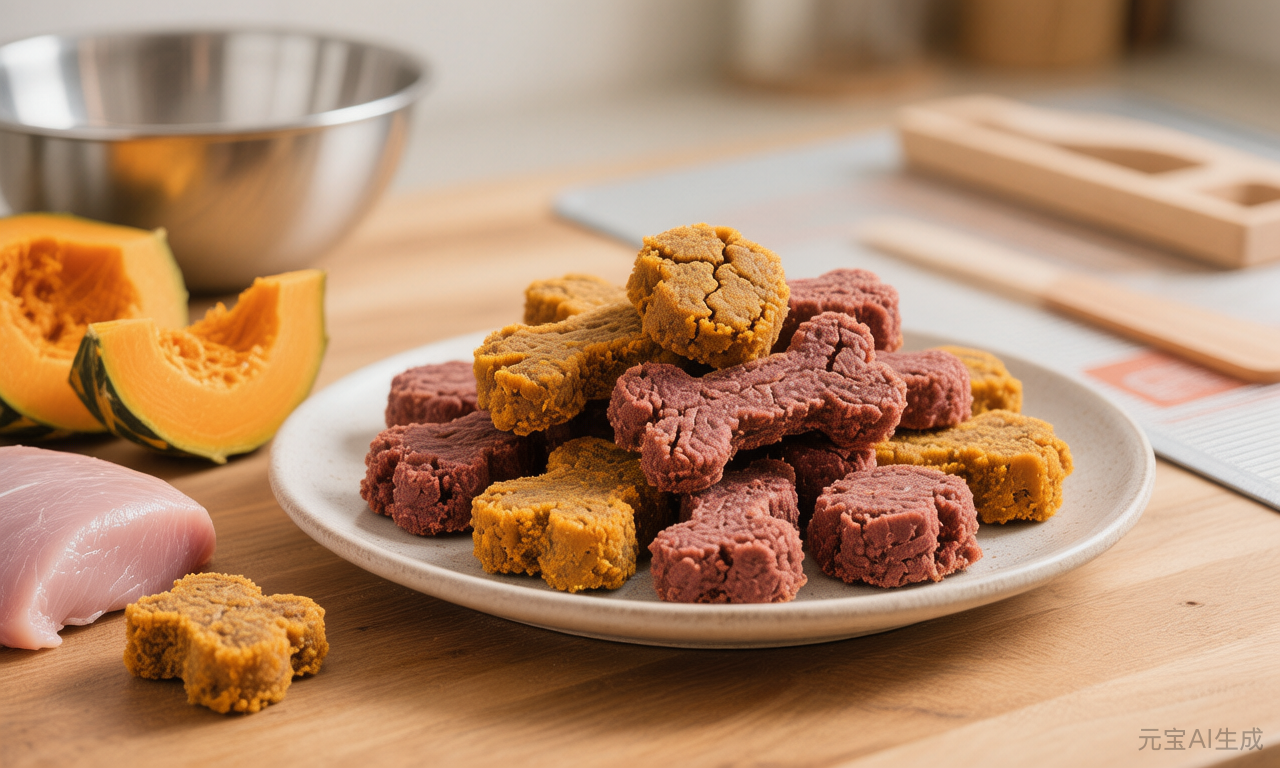
A more premium, lean option that uses venison and quinoa for dogs who have already reacted to multiple common proteins and grains. Great for carefully managed diets.
Quick Overview
- Protein: Lean venison.
- Base: Cooked quinoa as an alternative to wheat or rice.
- Texture: Firm, bite-size nuggets or bars.
- Best for: Multi-allergy dogs on limited-ingredient diets.
Why It Works
- Venison is a novel protein for many dogs with long allergy histories.
- Quinoa offers structure without relying on gluten-containing grains.
- Pairs well with veterinary elimination plans that use uncommon proteins.
Things To Watch
- Confirm venison fits your vet’s current diet recommendations.
- Introduce slowly if your dog has never had quinoa before.
- Use small portions to avoid overfeeding calorie-dense treats.

A fish-forward treat that uses whitefish and pea flour for dogs who tolerate fish better than poultry or red meats. Light, oven-baked and easy to break into small pieces.
Quick Overview
- Protein: Whitefish.
- Base: Pea flour instead of wheat or barley.
- Texture: Crisp edges with a tender center.
- Best for: Dogs that do well on fish-based diets.
Why It Works
- Fish provides a lean protein with beneficial fatty acids.
- Pea flour can support structure without traditional grains.
- Great option for rotating away from poultry and beef treats.
Things To Watch
- Check with your vet if your dog is on a cardiac-sensitive diet plan.
- Ensure fish is fully cooked and free from bones.
- Store in the fridge to maintain freshness and aroma.

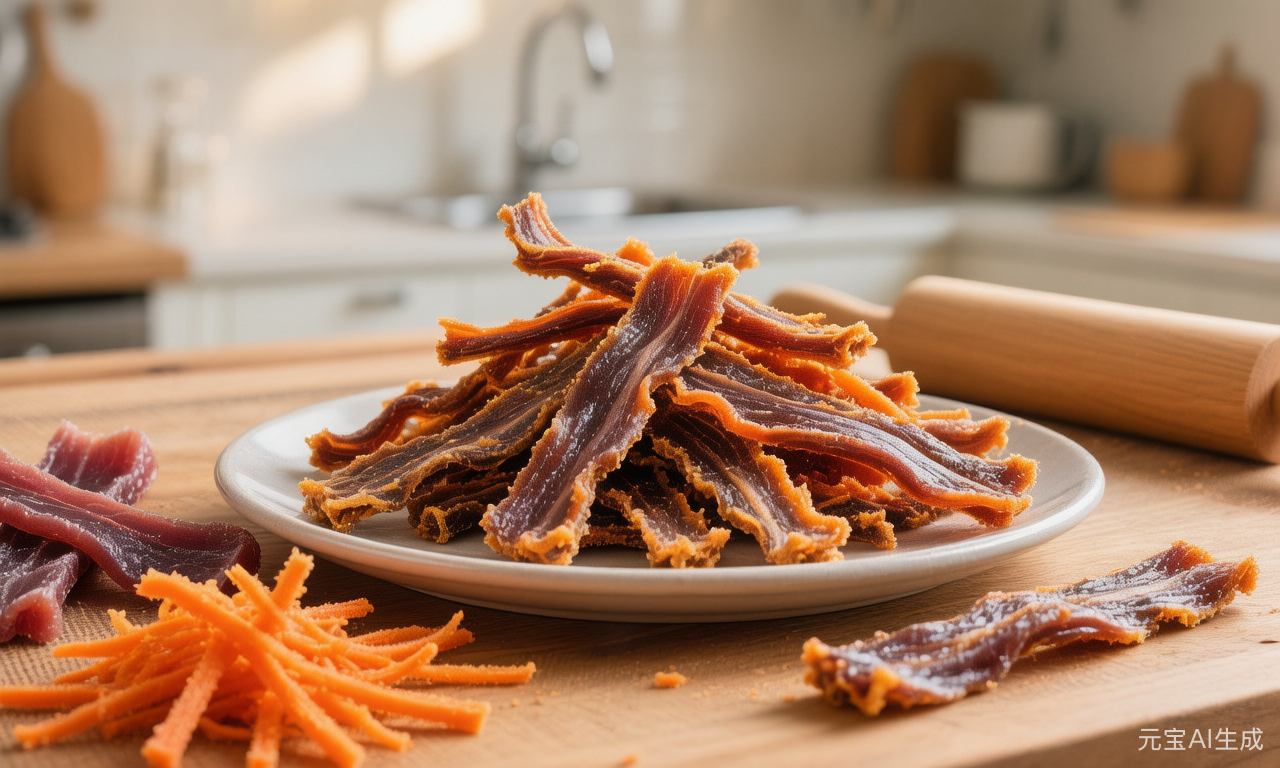
A chewier, jerky-style option using duck strips and fine carrot shreds. Great for higher value rewards when you need your dog’s full attention during training.
Quick Overview
- Protein: Duck jerky strips.
- Base: Carrot shreds for light sweetness and crunch.
- Texture: Chewy, high-value training pieces.
- Best for: Focus work, recall training and special rewards.
Why It Works
- High-value texture and aroma without heavy seasoning.
- Still keeps to a limited-ingredient, duck-based structure.
- Easy to cut into tiny squares for low-calorie training sessions.
Things To Watch
- Chewier texture may not suit dogs with dental discomfort.
- Always supervise while your dog chews to avoid gulping.
- Adjust daily portions if you use these heavily in training.
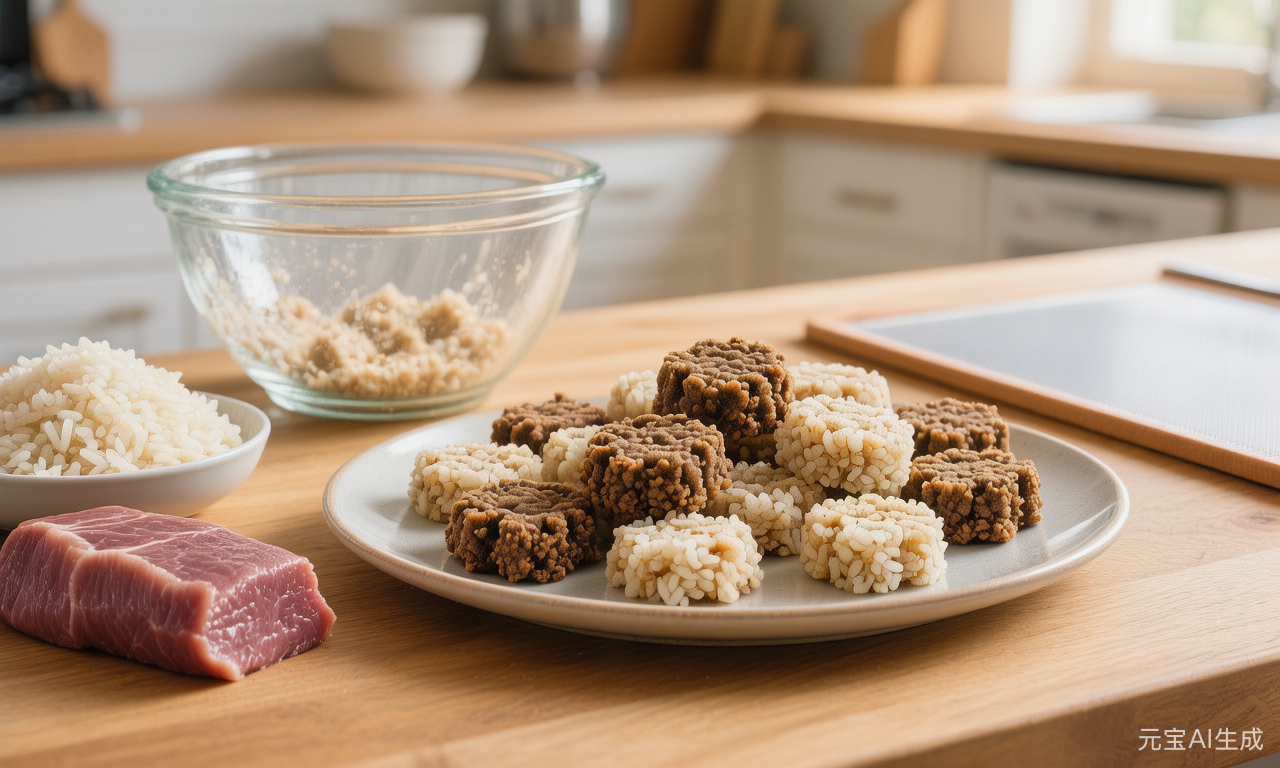
A classic duck and rice combination for dogs that need something familiar, mild and easy to digest. Simple to prepare and a good starting point for many elimination-style treat plans.
Quick Overview
- Protein: Duck.
- Base: Cooked rice with minimal extra binders.
- Texture: Soft, cake-like pieces that break apart easily.
- Best for: First-step hypoallergenic treat option.
Why It Works
- Pairs a limited protein with a widely used gentle carbohydrate.
- Soft texture suits seniors or dogs recovering from mild tummy upset.
- Easy to tweak size and shape for different training or reward needs.
Things To Watch
- Confirm rice is appropriate if your dog is on a strict grain-free plan.
- Do not add seasoning, stock cubes or table scraps to the mix.
- Track stool and skin changes during the first couple of weeks.
How To Use These Hypoallergenic Treats
Hypoallergenic treats work best when they are folded into your dog’s routine with a bit of structure. Think of them as small, intentional rewards rather than casual extras. You can use these recipes for short training sessions at home, calm check-ins during vet visits or as a safer snack after walks and grooming. Because the ingredients are simpler and more controlled, each piece should feel like a thoughtful part of your dog’s day, not an afterthought pulled from a mixed bag.
For most dogs, a few small pieces spread across the day is enough. Tiny bites tend to work better than large chunks, especially if your dog is already on a controlled diet or has a history of food reactions. Senior dogs, toy breeds and dogs on weight management plans may need even smaller portions and fewer overall treats. If you are monitoring symptoms like itchy skin, ear irritation or loose stools, keep a small note of when you offer each treat style and how your dog responds over the following day.

Storage And Meal Prep Tips
Because these hypoallergenic treats rely on fresher, simpler ingredients, storage matters more than it does for heavily processed commercial snacks. Most oven-baked or jerky style treats can be kept in an airtight container in the fridge for several days, or frozen in small batches for longer use. Soft, higher moisture recipes tend to spoil more quickly at room temperature, so it is safer to keep them chilled and only take out what you plan to use that day. Labeling containers with the recipe name and date makes it easier to rotate through batches without guessing.
When you meal prep, try to work in small to medium batches rather than one huge tray that will sit for weeks. This helps keep textures pleasant and flavors appealing for sensitive dogs who may already be cautious about new foods. Use clean utensils and surfaces to avoid cross contact with other foods, especially if you cook with common allergens like chicken, beef, cheese or wheat in the same kitchen. If you notice any change in smell, color or texture that feels off, it is safer to discard that batch and prepare a fresh one instead of taking a risk with a reactive dog.
Vet Tips And Ingredient Variations
No single treat recipe will be perfect for every dog with allergies, which is why most veterinarians focus on patterns rather than isolated reactions. If your dog is already on a prescription diet or a formal elimination plan, check with your vet before adding any homemade treats, even if the recipe looks simple. The core idea is to match the treat protein and starch to whatever combination your vet is already using, so you are not accidentally introducing a new trigger alongside a carefully chosen main food.
Many of these recipes can be adapted once you know what your dog tolerates well. If turkey works but duck does not, or sweet potato seems better than pumpkin, you can gently swap ingredients within the same structure while keeping the recipe limited and predictable. Introduce only one change at a time and watch for skin, ear or digestive changes over several days before making another adjustment. If symptoms return, pause that recipe and share your notes with your vet so you can refine the list of safe ingredients together rather than guessing in the dark.

FAQ – Hypoallergenic Dog Treats
What makes a dog treat truly hypoallergenic?
A hypoallergenic dog treat is designed to lower the chance of triggering a food reaction by using limited, carefully selected ingredients. Most recipes focus on a single protein source, such as duck, turkey, venison or fish, and avoid common triggers like chicken, beef, wheat, dairy and heavily processed additives. The goal is not to promise that no dog will ever react, but to remove the ingredients that most often cause problems and keep the recipe as simple and predictable as possible for sensitive dogs.
In practice, truly hypoallergenic treats are usually built around the same protein and starch that your vet recommends for your dog’s main diet. When treats match that structure, they are less likely to confuse test results or flare up symptoms during an elimination trial. Keeping the ingredient list short also makes it easier to track patterns if your dog does show a reaction, because there are fewer variables to investigate and adjust.
Which ingredients commonly cause food allergies in dogs?
The most commonly reported food allergens in dogs are proteins that appear frequently in commercial diets, rather than ingredients that are inherently bad. Chicken, beef and dairy are often cited, along with egg, wheat and sometimes soy. Because many dogs are exposed to these ingredients from puppyhood through adulthood, a sensitive immune system may start to overreact after repeated contact. Allergies are usually driven by proteins, but highly processed fillers and flavorings can also play a role in how a dog feels after eating.
It is important to remember that not every dog will react to the same foods and that individual tolerance varies. Some dogs do perfectly well on chicken and wheat, while others struggle with even small amounts. That is why hypoallergenic treat recipes often lean on less common proteins like duck, turkey, venison or certain fish, and why ingredient lists stay short. The fewer potential triggers you combine in one treat, the easier it becomes to spot what suits your own dog and what does not.
Can homemade hypoallergenic treats help dogs with sensitive skin or digestion?
Homemade hypoallergenic treats can be a helpful part of the plan for dogs with sensitive skin or digestion, as long as they are used thoughtfully. By choosing a single protein and a simple carbohydrate that your dog already tolerates, you gain more control than you would with mixed commercial treats that list many ingredients. This can reduce the number of surprises in your dog’s diet and help avoid the small but repeated exposures that sometimes keep symptoms simmering in the background.
These recipes work best when they support, rather than replace, the main diet your vet has chosen. They are not a cure on their own and should not be used to freely experiment with lots of new ingredients at once. If your dog’s skin, ears or stools improve when you simplify both food and treats, that is useful feedback you can share with your vet. Together, you can then fine tune the safe ingredient list while still keeping room for enjoyable, controlled snacks.
How many hypoallergenic treats can I safely give my dog each day?
Even when you are using hypoallergenic treats, total quantity still matters. As a general guide, treats of any kind should make up no more than a small portion of your dog’s daily calorie intake. For many dogs this means that treats stay under ten percent of the total calories for the day, with meals providing the rest. Smaller dogs, senior dogs and dogs on strict weight management plans may need even tighter limits, because a few extra bites can represent a larger percentage of their overall intake.
A practical way to manage this is to cut treats into very small pieces and use them sparingly throughout the day. You still get the benefit of frequent rewards and positive moments, while keeping the actual calories and ingredients under better control. If you are unsure where to start, you can track how many pieces you give during a typical day and discuss that number with your vet so it can be adjusted around your dog’s weight, age and health goals.
Can hypoallergenic treats be used during an elimination diet or food trial?
Hypoallergenic treats can be used during an elimination diet, but only if they follow the same rules as the main food. That usually means using the exact same protein and carbohydrate sources that your vet has approved, with no extra flavorings or filler ingredients added on top. If the treats introduce a new protein or starch that is not part of the trial, it becomes much harder to know whether improvements or flare-ups are coming from the main food, the treats or the combination of both, which can delay reaching a clear answer.
During a strict food trial, some vets prefer that owners skip all treats at first and only add carefully matched recipes later, once the dog has stabilized. If you do introduce a compatible treat, keep the recipe simple and the serving size small, then watch closely for any return of itching, ear problems or digestive changes. If symptoms reappear, pause the treats and share the timeline with your vet so the trial can be adjusted without losing the progress you have already made.
Explore More Allergy Friendly Treat Guides
If you find these six hypoallergenic recipes helpful, there are a few more guides and collections that can support your next steps. You can branch out into other treat styles, explore store-bought gentle options or read more background on how treats fit into your dog’s overall health plan. Use the cards below to keep building a safe, enjoyable treat routine without losing the structure you have created here.
Vet Approved Dog Treat Recipes Collection
Browse eight additional homemade treat recipes that focus on simple ingredients, clear instructions and gentle textures. Ideal if you want more variety while still keeping a close eye on how each new treat fits into your dog’s routine.
Best Hypoallergenic Dog Treats Guide
Prefer to mix homemade and store-bought options. This buying guide walks through gentle, carefully selected commercial treats so you can match packaged choices to the same allergy conscious approach you use in your kitchen.
Hypoallergenic Dog Treats Information Guide
If you want to better understand how food allergies work, how to read ingredient labels and how to talk with your vet about elimination plans, this information guide offers a deeper dive into the concepts behind allergy friendly feeding.
Author And Vet Review Notes
References – Authoritative Sources
The following veterinary and scientific sources were consulted while shaping the background information for this hypoallergenic treat collection. They are shared here so you can explore the underlying concepts in more depth and discuss them with your own veterinary team if needed.
Food Allergies In Dogs – Symptoms And Diagnosis (2018, PetMD)
Overview of common clinical signs, typical allergen sources and diagnostic approaches used in veterinary practice. Visit PetMDCanine Food Allergies – What You Need To Know (2020, American Kennel Club)
Owner focused guide that explains how food allergies present, how they differ from intolerances and what treatment options are usually considered. Visit AKCAdverse Food Reactions In Dogs And Cats (2016, Tufts Cummings School)
Veterinary article summarizing current understanding of food allergy mechanisms and outlining strategies for elimination diets and long term management. Visit Tufts VetDermatologic Food Reactions In Dogs (2015, Journal Of Veterinary Medicine)
Review of skin focused food reactions, highlighting how diet trials and controlled ingredient lists support diagnosis and symptom control. View AbstractNutritional Management Of Adverse Food Reactions (2019, Hill’s Pet Nutrition)
Practical discussion of how limited ingredient and novel protein diets are designed to support dogs and cats with suspected food allergies. Visit Hill’s Pet NutritionGuidelines For Treat Use In Dogs On Therapeutic Diets (2021, Various Veterinary Authors)
Professional guidance on keeping treats compatible with prescription and elimination diets so that diagnostic efforts are not disrupted by extra ingredients. Visit WSAVA Resources