Opening Story
When Ethan first developed a sensitive stomach, even the smallest store-bought treat made him queasy. I remember standing in our kitchen one evening, thinking there had to be a better way to celebrate his birthday without upsetting his tummy. That’s when I started experimenting with healthy dog cake recipes — simple, gentle, and made with real ingredients like banana, oats, and pumpkin.
The first batch wasn’t perfect, but the look on his face said it all — tail wagging, eyes wide, and not a single sign of discomfort afterward. That’s when I learned something every dog parent should know: “healthy” doesn’t mean plain, and “treat” doesn’t have to mean sugar or frosting. Sometimes, it’s about baking with love and purpose.
If you’d like to try what worked for us, start with our Healthy Dog Cake Recipe (Banana & Oats) — it’s vet-approved, easy to make, and gentle enough for dogs with sensitive stomachs.
Why “Healthy” Matters
A healthy dog cake isn’t about fancy decorations — it’s about how every ingredient supports your pup’s body. Dogs process sugar, fat, and dairy very differently from humans, so what looks harmless on our plates can trigger bloating or digestive distress for them. That’s why “healthy” isn’t just a label; it’s a quiet promise to keep your dog’s celebration joyful, safe, and stress-free.
Ingredients like oat flour, pumpkin, and banana provide natural sweetness without overloading the gut. When baked correctly, they deliver fiber and slow energy release — perfect for active or sensitive dogs alike. On the other hand, artificial frosting, xylitol, or butter-heavy toppings may cause discomfort, especially for dogs with delicate stomachs or food allergies.
For dogs with special sensitivities, it’s worth exploring gentle, single-protein recipes such as those featured in Dog Cake for Allergies – Can Dogs Really Enjoy It? to better understand how balanced nutrition can still feel like a treat.
What Makes a Dog Cake Healthy
Key takeaway: True “healthy” means safe ingredients, gentle digestion, and mindful portions — not decoration.
A healthy dog cake balances taste with physiology. That begins with dog-safe ingredients, limited sweetness from whole foods, and portions sized like a treat — never a meal. Use the checklist below to keep celebrations joyful and tummy-friendly.
Core Ingredients
Choose mild bases such as oat flour or brown rice flour. Add mashed banana, pumpkin purée, or unsalted peanut butter for flavor.
Natural Sweetness
Skip sugar and artificial sweeteners (especially xylitol). Let fruit or pumpkin provide gentle sweetness dogs can handle.
Digestive Support
Fiber from oats and moisture from pumpkin help stool quality. A little plain Greek yogurt can add protein and a creamy finish.
Portion & Frequency
Serve one to two small bites for medium dogs; smaller for puppies or seniors. Celebrate occasionally — cake is a treat, not a meal.
Keep ingredient lists short and readable. If a label includes sweeteners, heavy dairy, or vague “flavorings,” choose a simpler option.
If you’re just getting started, see our step-by-step overview in Homemade Dog Cake — What Owners Should Know First for safe swaps and beginner tips.
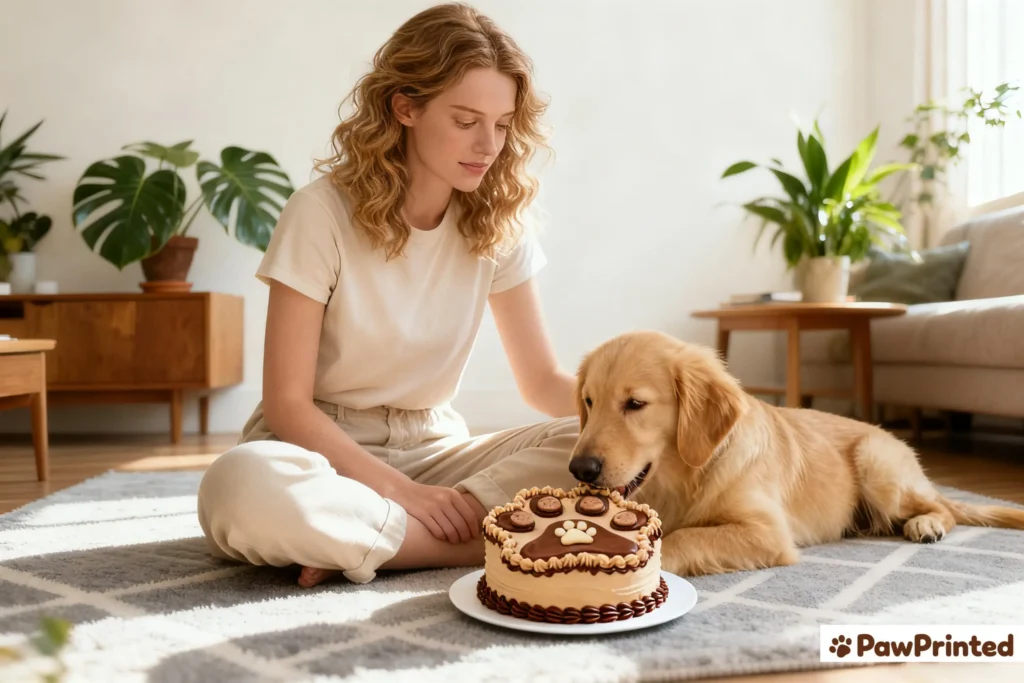
Safe vs Unsafe Ingredients
Key takeaway: The secret to a healthy dog cake isn’t just what you add — it’s what you leave out.
Dogs don’t need frosting or fancy decorations. They need ingredients that fuel their bodies gently and safely. Choosing wisely prevents allergic reactions, digestive issues, and long-term health problems. Let’s compare what belongs in your pup’s cake — and what should never be there.
✅ Safe Ingredients
- Oat flour, rice flour, or coconut flour
- Pumpkin purée or mashed banana
- Unsalted peanut butter (xylitol-free)
- Plain Greek yogurt or goat milk
- Carrot, blueberry, or apple for color
🚫 Ingredients to Avoid
- Chocolate, cocoa, or coffee
- Xylitol or artificial sweeteners
- Raisins, grapes, or macadamia nuts
- Buttercream, frosting, or excess salt
- Artificial colors or flavor additives
Even natural ingredients can cause issues in excess — always test new foods slowly and consult your vet if your dog has allergies or digestion problems.
For ingredient-by-ingredient guidance, check our Homemade Dog Cake Guide where we explain safe substitutions and age-based adjustments.
DIY vs Store-Bought — Which Is Better?
Key takeaway: Homemade gives you control; store-bought brings convenience — both can be healthy if chosen wisely.
There’s something special about baking a cake from scratch — the aroma, the anticipation, the love in every stir. But life gets busy, and not every dog parent has time to bake each time their pup deserves a celebration. That’s where healthy store-bought cakes step in. The key lies not in where the cake comes from, but in what’s inside it.
🏠 Homemade Cakes
- Full ingredient control — you know every single item.
- Easy to tailor for allergies or sensitive stomachs.
- Freshly baked with natural flavor and no preservatives.
- Requires time and kitchen cleanup, but emotionally rewarding.
🛍️ Store-Bought Cakes
- Quick and convenient for busy schedules.
- Some vet-approved brands use oat or coconut flour bases.
- Check labels for “xylitol-free” and natural ingredient claims.
- Avoid artificial frosting or colorful sprinkles meant for humans.
Whether you bake or buy, focus on the ingredient list — not the packaging. Simplicity is the best sign of a healthy, safe treat.
If you’re curious about vetted brands and ingredient transparency, explore our updated comparison at Best Dog Cake Guide (2025) or find our top-reviewed options in Best Healthy Dog Cake Picks (Vet Recommended) .
Common Mistakes & Quick Fixes
Key takeaway: Even good intentions can lead to tummy troubles — the fix is simple when you know what to watch for.
Healthy doesn’t have to mean complicated, but a few common mistakes can quietly undo your best efforts. Whether you bake from scratch or buy from a trusted brand, these quick checks keep your dog’s cake safe and happy.
❌ Too Much Frosting
Dogs don’t need sugar or decorative frosting. Swap heavy cream or icing for plain Greek yogurt or mashed sweet potato — they look festive and digest easily.
🍰 Oversized Portions
A cake slice that feels small to you may be huge for your pup. Treat it like a snack, not a meal — one or two bites is enough for medium dogs.
🧁 Skipping Ingredient Checks
Even “dog-friendly” mixes may include sweeteners or dairy powders that upset digestion. Always read the ingredient list — or see our review of Dog Cake Mix – Is It Worth Buying? for tested options.
🌾 Using Heavy Flours
Wheat and all-purpose flours can be harsh on digestion. Switch to oat or rice flour for a lighter, more sensitive-stomach-friendly texture.
The best cakes are the simplest ones. If your ingredient list reads like a science project, start fresh — your dog’s stomach will thank you.
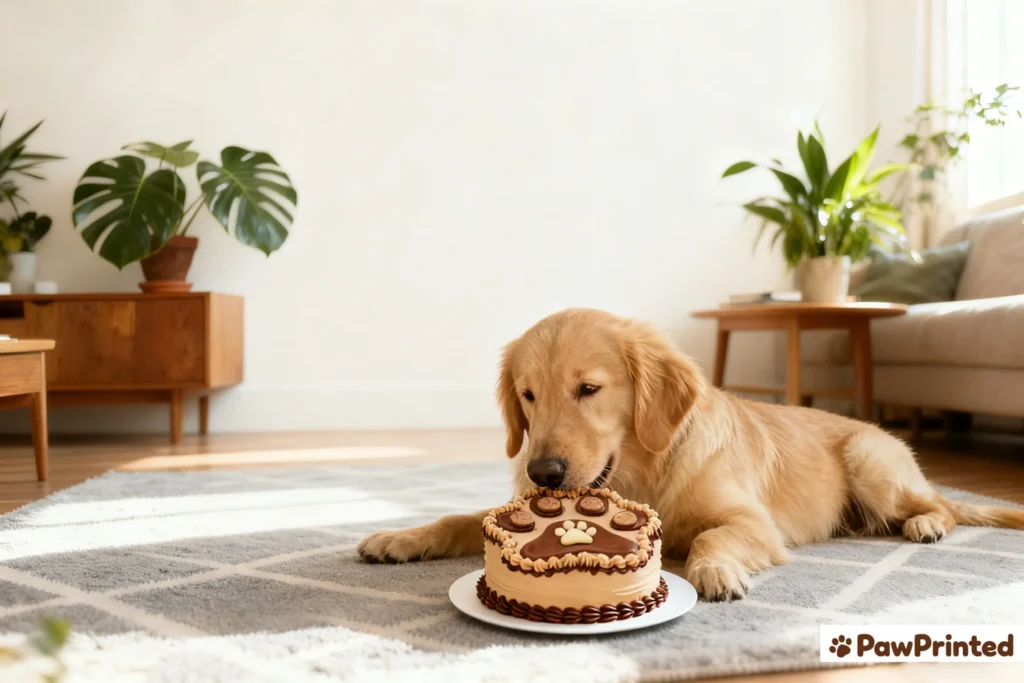
Celebration Ideas — Make It Special
Key takeaway: A celebration doesn’t have to be big — just full of love, calm, and your dog’s favorite flavors.
When it comes to celebrating your pup’s big day, the most meaningful moments are often the simplest ones. Skip the loud parties and focus on sensory joy — the smells, textures, and comfort your dog associates with home. Whether it’s a quiet kitchen moment or a backyard picnic, what your dog feels matters more than what the photos look like.
🎂 Keep It Dog-Centered
Plan your celebration around your pup’s comfort level. Avoid loud music or large crowds, and include familiar toys or a cozy blanket to help them relax.
🍯 Decorate Naturally
Use dog-safe toppings like blueberries, carrot shreds, or small bone treats. Skip candles with flames — opt for LED versions to keep things safe and stress-free.
📸 Capture the Moment
Snap photos while your dog investigates the cake — those candid shots tell the real story. Try natural daylight and a warm wooden background for that cozy PawPrinted style.
💛 Make It a Memory
End the day with a calm walk, a cuddle, or a favorite chew toy. The connection is what your dog remembers most — not the decorations.
A birthday doesn’t need balloons to be special — just a healthy cake, gentle light, and a few quiet minutes together. That’s the PawPrinted way to celebrate.
Notes
Wrapping It Up
A healthy dog cake is more than a fun treat — it’s a reflection of care, balance, and love. Whether you bake from scratch or choose a vet-approved store-bought option, what matters most is making each celebration joyful and safe for your furry friend.
Remember: your dog doesn’t care about perfect frosting or fancy toppers. They care about your attention, your voice, and that little slice of cake made just for them. Keep things simple, listen to their body, and celebrate with heart.
Frequently Asked Questions
1. What makes a dog cake “healthy”?
A healthy dog cake uses natural, dog-safe ingredients and avoids common allergens. Instead of sugar or chocolate, it relies on whole foods like oat flour, pumpkin, or banana. A proper balance of protein, fiber, and gentle fat sources supports digestion and steady energy. The goal is not indulgence but nourishment — a fun way to celebrate without straining your pup’s system.
2. What ingredients should I avoid when baking for my dog?
Some foods that are safe for humans can be harmful to dogs. Always avoid chocolate, xylitol, raisins, grapes, macadamia nuts, and heavy frosting made with butter or sugar. These can trigger toxicity or upset the stomach. Stick with mild, wholesome bases such as oats, pumpkin purée, or unsalted peanut butter for a safer bake.
3. How much cake can my dog safely eat?
A dog birthday cake is meant to be an occasional treat. For most medium dogs, one or two small slices — about the size of two fingers — is enough. Cakes are calorie-dense, so treat them like a snack rather than a meal. Store leftovers in the fridge for up to two days and monitor your dog’s digestion after serving.
4. Are store-bought dog cakes really healthy?
Many commercial dog cakes are safe if made by trusted pet bakeries or brands using vet-reviewed recipes. Look for clear labeling such as “xylitol-free” or “made with oat or coconut flour.” The fewer artificial colors and additives, the better. Always read ingredient lists and choose moderation over decoration.
5. Can puppies or senior dogs have cake too?
Yes, but with care. Puppies need softer textures and simple ingredients to protect their developing digestion. Senior dogs benefit from low-fat, high-fiber cakes made with banana or sweet potato. Avoid crunchy toppings or heavy frostings that may be hard to chew. Portion size and gentleness matter most for these age groups.
6. How can I make a dog’s birthday celebration feel special?
Dogs don’t need elaborate parties to feel loved. Keep the environment calm, use their favorite toy or blanket, and serve a small, healthy cake portion. Add a photo moment or a slow walk afterward to build connection. The real celebration is the time spent together, not the amount of frosting on the cake.
References — Authoritative Sources
- “Safe Ingredients for Homemade Dog Treats.” PetMD (2024) — Detailed overview of human foods safe for dogs, explaining ingredient substitutions and safe baking guidelines. Read on PetMD
- “Can Dogs Eat Cake? Here’s What to Know.” American Kennel Club (AKC, 2023) — Discusses why human cakes aren’t suitable for dogs and offers safer celebration alternatives. View AKC Article
- “Homemade Dog Treats & Nutritional Tips.” Tufts Cummings Veterinary Nutrition Center (2022) — Explains how to balance nutrients in homemade recipes and when to consult a vet before changing diets. See Tufts Vet Guide
- “Human Foods That Are Dangerous for Dogs.” U.S. FDA (2024) — Lists toxic ingredients like chocolate, xylitol, and grapes, emphasizing label awareness for pet parents. FDA Consumer Update
- “Nutritional Considerations for Senior Dogs.” Hill’s Pet Nutrition (2023) — Covers dietary adaptations for senior dogs, including calorie control and digestibility. Read Hill’s Guide
- “People Foods to Avoid Feeding Your Pets.” ASPCA Animal Poison Control Center (2024) — Authoritative list of human foods toxic to pets, with prevention and emergency guidance. ASPCA Reference