On a cool morning walk, Emma noticed her pup slowing down on the stairs and hesitating before jumping into the car. If that sounds familiar, you’re not alone. Joint comfort is shaped by many things—age, body weight, breed, daily activity—and yes, diet plays a real role. This vet-approved guide explains how smart nutrition supports joints, how to build a week that actually works at home, and where to go next for recipes and deeper reading.
Why This Topic Matters
Joint discomfort isn’t just a “senior dog issue.” Large breeds carry more load from puppyhood, athletic dogs rack up mileage, and extra body fat increases joint stress at any age. Diet helps on two fronts: weight control (less mechanical strain) and targeted nutrients (support cartilage, reduce inflammation). If you’re weighing food choices vs. supplements, start with our explainer on outcomes and expectations in Dog Food for Arthritis – Can Diet Really Help?.

Deep Dive: What Really Influences Canine Joint Health
Common Causes and Risk Factors
- Age & wear: cartilage thins over time; muscles may atrophy without strength work.
- Breed & size: large/giant breeds carry higher loads from growth onward.
- Excess weight: even a modest gain can raise joint forces significantly.
- Activity patterns: stop-go weekend sprints or repetitive impact can aggravate sensitive joints.
Persistent Myths (and What to Do Instead)
- “A single supplement fixes everything.” Real progress is multimodal: nutrition + body weight + movement. See practical goals in Dog Food for Arthritis.
- “All ‘joint’ foods are the same.” Formulas vary widely in omega-3 dose, glucosamine/chondroitin levels, and calorie density. Compare labels and your dog’s response over 4–8 weeks.
- “High protein hurts joints.” For most dogs, lean complete protein protects muscle—crucial for joint stability. The risk comes from excess calories, not adequate protein.
Nutrients That Actually Help
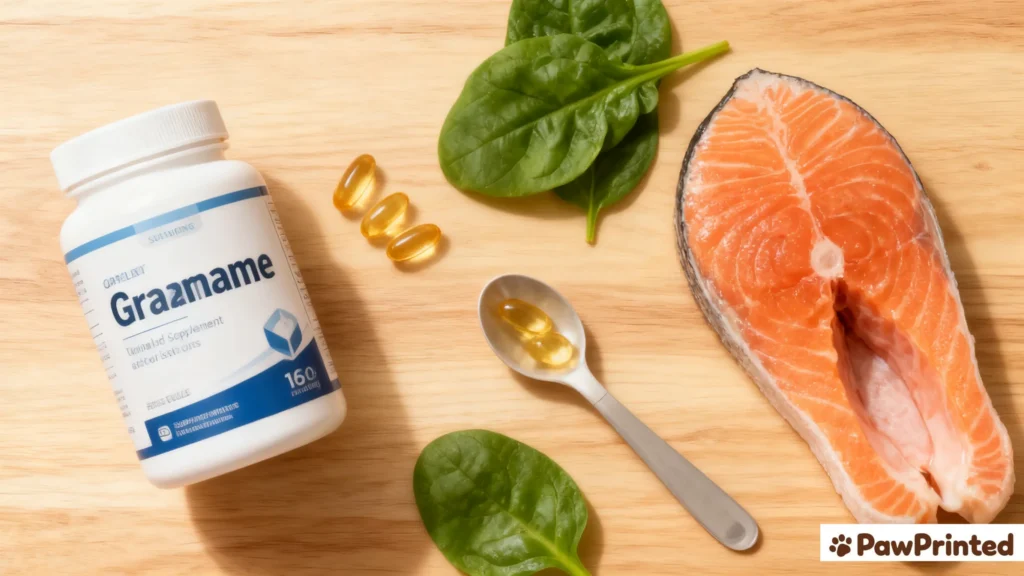
- Omega-3s (EPA/DHA): dietary anti-inflammatory support (usually from fish oil or marine sources).
- Glucosamine & chondroitin: structural building blocks that support cartilage and joint lubrication.
- Collagen peptides: may complement cartilage support and soft-tissue resilience.
- Antioxidants (vitamin E, polyphenols) and joint-friendly greens (spinach, kale) for cellular defense.
- Lean protein + smart carbs: keep muscle while avoiding calorie excess (think turkey, salmon; soft rice or oats).
For an easy entry point at home, try our gentle bowl in Homemade Joint Health Dog Food (Turkey & Oats), then rotate with a complete mobility formula on busy days. If you prefer a curated list of ready-to-serve options, start here: Best Dog Food with Glucosamine & Chondroitin.
Practical Takeaways (for Dog Parents)
- Protect a lean waistline: feed 2–3% body weight/day total (split meals), then adjust every 2–3 weeks to keep ribs easy to feel.
- Keep omega-3s steady: consistency > megadoses. Aim for daily EPA/DHA from food or vet-advised add-ons.
- Build routine: mobility kibble on busy days + soft, lean homemade toppers on calmer days.
- Introduce gradually: transitions over 5–7 days reduce GI surprises. Sensitive pups may need 10–14 days.
- Track outcomes: stairs, first steps after naps, willingness to trot or play—note changes weekly.
A Simple Planning Grid
| Goal | Diet Move | How to Track |
|---|---|---|
| Reduce joint load | Trim 5–10% calories; keep lean protein high | Waistline, ribs check, body condition score |
| Lower inflammation | Daily EPA/DHA; add leafy greens | Morning stiffness, post-walk recovery |
| Protect cartilage | Glucosamine/chondroitin rotation | Gait smoothness, jump/step confidence |
Internal Links You’ll Actually Use
Bookmark these for next steps: a week plan, a simple home bowl, and how to compare “joint” labels.
- Homemade Joint Health Dog Food (Turkey & Oats) — soft, lean, easy to rotate.
- Dog Food for Arthritis – Can Diet Really Help? — expectations and timelines.
- Best Dog Food with Glucosamine & Chondroitin — how formulas differ and what to check.
- Vet-Approved Bones & Joints Dog Food Recipes — a small hub of easy bowls.
FAQ (What Owners Ask Most)
What food is best for joint health?
Short answer: Diets that keep dogs lean and deliver steady omega-3s with joint nutrients. Details: Look for mobility formulas with declared EPA/DHA and practical glucosamine/chondroitin levels, then use soft, lean toppers on calmer days. Our explainer on outcomes is a good starting point: Dog Food for Arthritis.
Do dogs really need glucosamine in their diet?
Short answer: Many benefit when glucosamine is part of a broader plan. Details: Responses vary; evaluate over 4–8 weeks and track stairs, pace, and morning stiffness. Compare options in Best Dog Food with Glucosamine & Chondroitin.
Is turkey safe for dogs with joint issues?
Short answer: Yes—lean, well-cooked turkey is a great base. Details: Pair with gentle carbs (oats/rice) and keep seasonings out. Try our soft bowl: Homemade Joint Health Dog Food.
How long before joint-friendly diets show results?
Short answer: Expect small wins within a few weeks when diet and activity are consistent. Details: Use a weekly tracker (stairs, first steps after naps). Guidance here: Dog Food for Arthritis.
What foods should dogs with joint pain avoid?
Short answer: Calorie-dense extras and heavily seasoned table scraps. Details: Keep weight trending lean; avoid onions/garlic, high-fat leftovers, and erratic “feast-and-famine” feeding. For label shopping tips, see our mobility food guide.

Final Thoughts
Diet won’t rebuild a knee overnight, but it’s one of the most reliable levers you control daily. Keep weight lean, make omega-3s a habit, and feed for steady energy—not sugar highs. Small, consistent changes add up. If you need a gentle starting bowl, try our Homemade Joint Health Dog Food and build your week from there.