When Ethan first started scratching after every meal, I thought it was just seasonal dryness — until the redness around his ears and paws told a different story. Our vet mentioned it could be mild food sensitivity, and the biggest culprits were usually wheat, soy, or dairy — all common ingredients in most dog cakes.
I began experimenting with alternatives, swapping flour for coconut and sweet potato purée, and cutting dairy altogether. It wasn’t perfect at first, but when Ethan devoured a batch made with pumpkin and banana, his symptoms finally started to ease. That success led me to dig deeper into how dog cakes for allergies can be both safe and genuinely enjoyable.
As I learned from our Healthy Dog Cake guide, small ingredient changes can make a big difference. And if you’re still not sure whether to bake or buy, try comparing options in Dog Cake Mix – Is It Worth Buying? for gentle, ready-to-use alternatives.
This guide walks through what makes an allergy-friendly dog cake truly work — from safe ingredients to vet-backed baking tips — so your pup can celebrate without worry.
Why Allergy-Friendly Dog Cakes Matter
Food allergies in dogs are more common than most owners realize — and they’re often caused by ingredients we associate with healthy food. Wheat, soy, dairy, and even chicken or eggs can trigger itching, paw licking, ear inflammation, or digestive upset. That’s why allergy-friendly dog cakes aren’t just a trend — they’re a way to celebrate safely.
For sensitive pups, switching to hypoallergenic or grain-free dog cake recipes can reduce exposure to irritants while still giving them something delicious. These cakes typically use clean, low-allergen ingredients like coconut flour, duck, or pumpkin — all known to be easier on digestion and gentler on the skin.
The goal isn’t to remove flavor or fun; it’s to make sure that every bite feels good afterwards. A properly made allergy-friendly cake lets your dog enjoy birthdays, milestones, or treat days without the itching or upset tummy that often follows a regular store-bought recipe.
Curious how to start baking for sensitive dogs? Try our Dog Birthday Cake Recipe (Peanut Butter & Pumpkin, Vet Approved) — you can easily adapt it with allergy-safe swaps for dairy or wheat.
Common Triggers in Dog Cakes — And Smart Swaps
Most “reactions after cake” come from a short list of ingredients. The goal isn’t to make desserts bland, but to replace high-risk items with gentler alternatives that keep flavor and texture. Use the quick map below to tailor an allergy-friendly dog cake for your pup.
Wheat / All-Purpose Flour
Common irritant in sensitive dogs. Swap: coconut flour (fiber-rich), chickpea flour (protein), or a small mix of tapioca + coconut for structure.
Dairy (Milk, Cream, Yogurt)
Can trigger loose stool or itching. Swap: pumpkin or banana purée for moisture, a splash of water or low-sodium bone broth for thinning batter.
Soy & Corn Fillers
Frequent in commercial mixes. Swap: whole-food binders like egg (if tolerated), flax gel, or tapioca starch; keep labels short and recognizable.
Chicken / Egg Sensitivity
Protein allergies happen too. Swap: duck, turkey, or salmon; for egg-free bakes, use flax “egg” (1 Tbsp ground flax + 3 Tbsp water, rested 5 min).
Want a gentle blueprint to test at home? Start with our duck-based option in Dog Cake for Allergies Recipe (Duck & Rice) and adjust one ingredient at a time while you observe your dog’s skin and stool for two weeks.
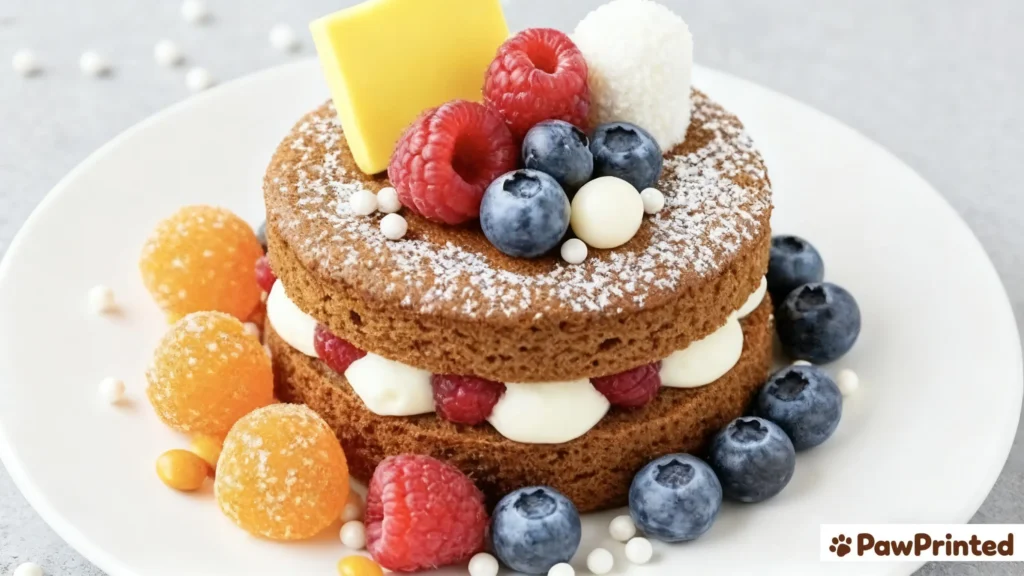
Ingredient Spotlight — Safe Bases for Sensitive Dogs
Building an allergy-friendly dog cake isn’t about what you remove — it’s about what you add instead. The best recipes focus on clean, limited ingredients that nourish while keeping reactions at bay. Here are a few base ingredients that work well for dogs with mild to moderate food sensitivities.
Sweet Potato
A naturally soothing carbohydrate, sweet potato supports digestion and offers steady energy. Its mild sweetness pairs perfectly with proteins like duck or salmon and helps bind batter naturally.
Pumpkin Purée
Gentle on the gut and rich in vitamin A, pumpkin adds both color and fiber. It’s a core ingredient in many Dog Birthday Cake and grain-free recipes — ideal for allergy-prone pups who love flavor without fillers.
Coconut Flour
High in fiber and naturally gluten-free, coconut flour is one of the best substitutes for wheat. It helps cakes stay firm yet moist, and just a little goes a long way.
Duck or Turkey Protein
Hypoallergenic meats like duck and turkey provide complete protein without triggering most common reactions. Perfect for dogs sensitive to chicken or beef — light, digestible, and satisfying.
These ingredients are also featured in our Best Healthy Dog Cake (Vet Recommended Picks), which lists top-rated options for allergy-friendly baking.
The Benefits of Allergy-Friendly Dog Cakes
For dogs with food sensitivities, an allergy-friendly dog cake can do more than prevent discomfort — it can actually support long-term wellness. The goal is simple: remove triggers while keeping nutrients, flavor, and joy intact. Here’s how these gentle bakes help sensitive pups thrive.
Reduced Skin Irritation
Avoiding common allergens like wheat, dairy, and soy can ease scratching, paw licking, and ear redness. Cleaner ingredients calm inflammation and support healthy skin recovery.
Better Digestive Comfort
Limited-ingredient cakes with pumpkin, coconut, or rice flour are easy on the stomach. Many owners notice reduced bloating, smoother stools, and happier mealtimes.
Improved Nutrient Absorption
By skipping hard-to-digest fillers, dogs can absorb more from their protein and fiber sources. This often results in better coat shine, energy levels, and immune response.
Peace of Mind for Owners
Knowing exactly what goes into your dog’s cake builds confidence. Homemade versions allow you to monitor reactions and tailor ingredients per your vet’s feedback.
If you’re unsure where to start, our Grain Free Dog Cake – Is It Better for Allergies? explains how eliminating certain grains can further reduce sensitivities without losing flavor or texture.
Limitations & Practical Tips for Allergy-Friendly Baking
Even though dog cakes for allergies are safer than regular recipes, they’re not a cure-all. Food sensitivities vary from dog to dog, and what soothes one pup might irritate another. Understanding the limitations and learning how to test ingredients step by step will keep your baking safe and consistent.
1. Not Every Dog Needs It
If your dog hasn’t shown clear allergy symptoms, there’s no need to switch to an allergy-specific cake. Over-restricting diets can remove valuable nutrients and variety.
2. Trial and Observation Matter
Always introduce new flours or proteins gradually and observe your dog for 1–2 weeks. Keep notes on stool quality, scratching, and energy — your vet will find this information valuable.
3. Commercial Mixes Aren’t Always Safer
Many pre-made “allergy-friendly” mixes still contain soy or pea protein isolates. Before buying, read the ingredient label carefully or refer to Dog Cake Mix – Is It Worth Buying? for trusted recommendations.
4. Baking Technique Affects Digestion
Undercooked batters or heavy oils can stress a sensitive stomach. Bake thoroughly at moderate heat and avoid frosting with dairy or sugar-based toppings.
For a gentle comparison of allergy-friendly and grain-free options, check our Best Grain Free Dog Cake (Gluten-Free Options) — it lists brands and homemade blends tested for sensitive pups.
Vet Insights — How to Handle Food Allergies Safely
Before you commit to an allergy-friendly dog cake, it’s worth understanding what veterinarians recommend for identifying and managing food sensitivities. Allergies can’t be cured overnight, but a thoughtful elimination and monitoring approach can make your celebrations much safer — and your dog much happier.
Start with an Elimination Trial
A proper allergy test begins with six to eight weeks of feeding limited-ingredient recipes, avoiding known triggers like chicken, wheat, or soy. Once symptoms subside, reintroduce one ingredient at a time to identify the culprit accurately.
Track Every Reaction
Keep a simple log of your dog’s skin, stool, and mood after new treats. This helps your vet distinguish between true allergies and short-term intolerance, which often clears up once the gut stabilizes.
Watch for Subtle Signs
Not all allergies cause dramatic reactions. Subtle signs — like dull coat, paw chewing, or mild bloating — often point to low-grade sensitivities that worsen with repeated exposure.
Reintroduce Slowly
If your vet confirms an ingredient is safe, bring it back gradually. This prevents digestive shocks and keeps your pup’s microbiome balanced. A slow, steady transition is the best defense against relapses.
Our Dog Cake for Allergies Recipe (Duck & Rice) follows this exact vet-recommended approach — it uses single-source protein and gentle carbs, making it a safe trial option for pups with suspected sensitivities.
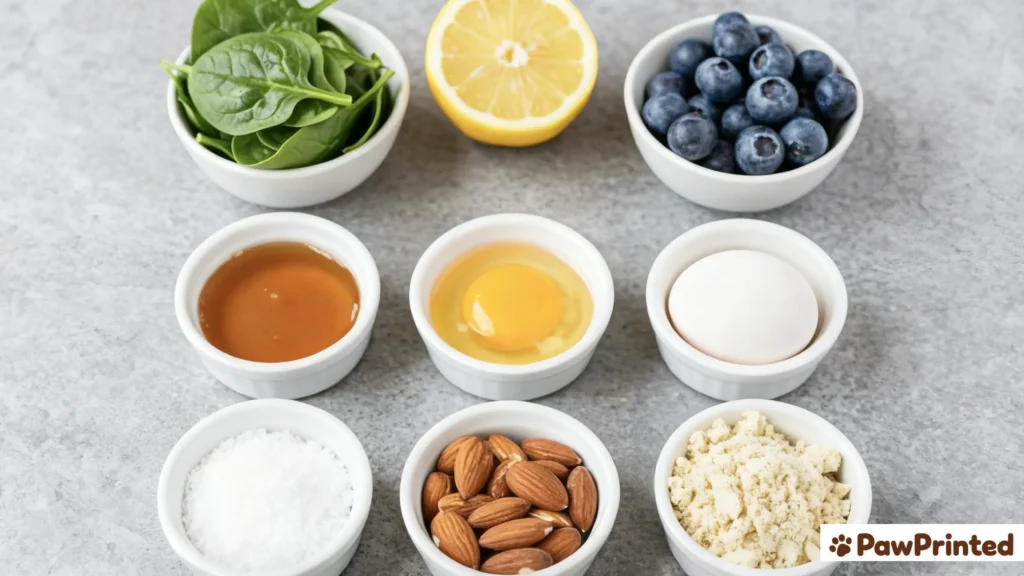
Store-Bought vs Homemade Allergy-Friendly Cakes
When it comes to dog cakes for allergies, both store-bought and homemade options can work — it depends on how much control and convenience you need. Understanding the trade-offs helps you choose what best fits your pup’s diet and your schedule.
Homemade Allergy-Friendly Cakes
The biggest advantage of homemade cakes is ingredient control. You can hand-pick safe flours, proteins, and natural binders, avoiding everything that previously caused irritation. Homemade recipes are great for testing reactions in a slow, observable way.
Store-Bought Allergy-Friendly Cakes
Pre-made mixes save time and reduce prep work, but reading the label carefully is essential. Even products labeled “hypoallergenic” may contain soy, peas, or artificial flavorings. Look for certified brands or recipes made with single-source proteins and natural ingredients.
Nutrition Comparison
Homemade cakes often retain more vitamins and fiber from fresh produce, while commercial versions usually include added minerals for balance. A mix of both — fresh ingredients plus a trusted pre-mix base — can deliver reliable results.
Best for Severe Allergies
Dogs with multiple sensitivities generally do best on homemade recipes. Pre-made versions, even high-quality ones, risk cross-contamination. For these pups, baking from scratch using recipes like our Dog Birthday Cake Recipe (Peanut Butter & Pumpkin) — modified for allergens — is the safest route.
If you prefer ready-made solutions, check our review in Dog Cake Mix – Is It Worth Buying? for the best allergy-friendly mixes you can trust — all personally tested in Emma’s kitchen.
Notes
Every dog cake for allergies begins with observation and ends with patience. What worked for Ethan may not work for your pup — and that’s completely normal. The key is to experiment gently, introduce one new ingredient at a time, and let your dog’s reactions guide your adjustments.
For mild allergies, start with limited-ingredient recipes that use clean protein sources like duck or turkey, and fiber-rich bases such as coconut or sweet potato. Keep the recipes simple and avoid unnecessary toppings — frosting, honey, or yogurt can reintroduce old triggers. If you want to make it special, try a small batch of our Dog Cake for Allergies Recipe (Duck & Rice) — it’s light, moist, and easy to adjust for different sensitivities.
Lastly, remember that cake is a celebration, not a cure. If allergy symptoms persist even with clean recipes, consult your vet before removing additional ingredients. The best gift you can give your dog is not just a treat, but a well-balanced diet that keeps them feeling good long after the candles are gone.
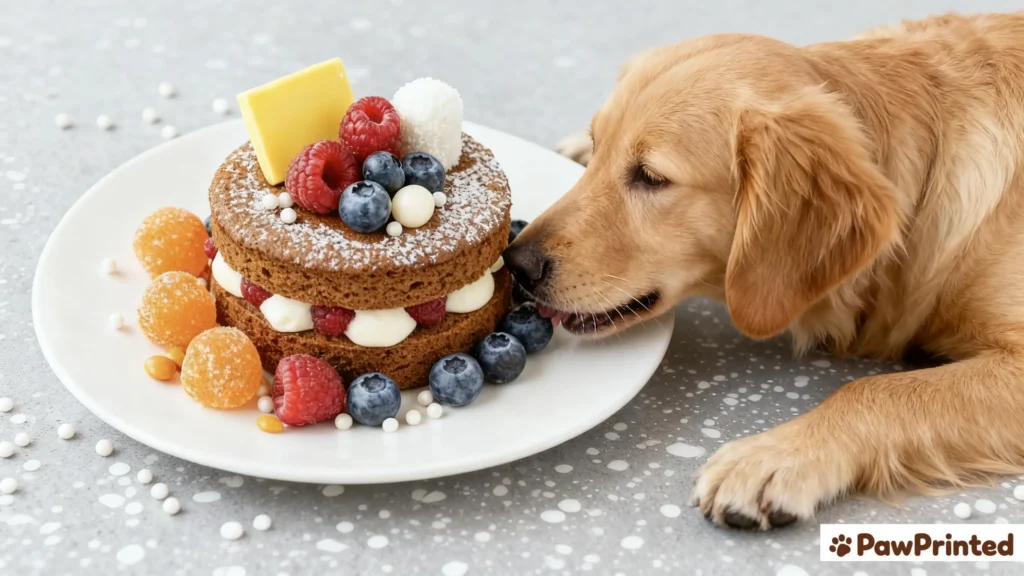
Wrapping It Up
For sensitive pups, a thoughtful dog cake for allergies means more than avoiding trouble ingredients — it’s about creating moments of comfort and joy they can truly enjoy. By understanding what triggers reactions and baking with clean, limited ingredients, you can keep every celebration safe, gentle, and delicious.
Whether you go homemade or pick a trusted mix, remember that moderation and observation are your best tools. Test small batches, celebrate small wins, and trust your pup’s reactions more than labels. For Ethan, the reward wasn’t just a slice of cake — it was the peace of a scratch-free nap afterward.
If you don’t want to bake weekly, check our dry food picks — those were Ethan’s gentle, allergy-safe backups.
Frequently Asked Questions
Yes — if it’s made with hypoallergenic ingredients. Many dogs react to wheat, soy, or dairy, but using alternatives like coconut flour, rice flour, or duck-based protein can make cakes safe and gentle. Always avoid artificial sweeteners, especially xylitol, and keep servings small. Homemade recipes give you the most control over ingredients and prevent cross-contamination found in store-bought treats.
Focus on limited, natural ingredients. Coconut flour, sweet potato purée, and pumpkin are great low-allergen bases. For protein, try duck, salmon, or turkey instead of chicken or beef. Skip milk, butter, and heavy frostings — a light smear of banana purée makes a perfect topping. Always introduce new ingredients one at a time and monitor your dog’s skin and digestion for reactions.
Signs include frequent scratching, ear redness, paw chewing, or loose stools after eating certain foods. Try a simple elimination test — remove one suspected ingredient (like wheat) for two weeks and track symptoms. If they improve, an allergy-friendly cake is a smart long-term choice. For persistent issues, consult a vet to rule out environmental causes like pollen or dust.
Some are, but not all. Look for clear labeling with single-source proteins and no soy, corn, or dairy. Avoid “grain-free” as the only claim — it doesn’t always mean low-allergen. Our Dog Cake Mix guide explains which options passed both ingredient and palatability tests for sensitive dogs. Always check labels before serving, even from trusted brands.
Even allergy-friendly cakes should remain an occasional treat — about once or twice a month at most. These recipes are gentler but still calorie-dense. Use them to celebrate special moments, not as a daily snack, and balance with regular hypoallergenic kibble or fresh meals. Always prioritize variety and nutritional balance over indulgence.
Author & Vet Review Notes
“Ethan’s first allergy scare was a wake-up call — not a disaster. Once we understood what triggered his itching, we turned his favorite cake recipe into a safer, lighter version. Using duck, pumpkin, and coconut flour, I realized that allergy-friendly baking isn’t restrictive — it’s creative. Every celebration since then has been just as sweet, minus the discomfort.”
— Emma, Founder & Dog Mom
“Food allergies in dogs are highly individual, which is why there’s no one-size-fits-all recipe. For some, removing grains works; for others, it’s about limiting dairy or certain proteins. The best approach is to simplify — start with one clean protein, one fiber base, and a gentle fat source. Cakes like these can be part of a balanced plan if treated as occasional, controlled treats.”
— Dr. Lydia Harper, DVM, Veterinary Nutrition Specialist
Emma and Dr. Harper share a common philosophy — awareness and moderation are what make dog cakes for allergies successful. Baking at home gives owners full control and lets them adapt each recipe as their dog’s needs change. When used mindfully, these cakes become more than just treats — they’re a small step toward everyday comfort and long-term health.
References — Authoritative Sources
- 1. PetMD (2024) — “Dog Food Allergies: Causes, Symptoms & Safe Alternatives.” PetMD Explains how food allergies develop, common triggers like wheat and soy, and the benefits of limited-ingredient diets for allergic dogs.
- 2. American Kennel Club (AKC, 2023) — “How to Identify and Manage Dog Food Allergies.” AKC Provides veterinarian-reviewed insights on allergy symptoms, elimination diets, and safe food reintroductions.
- 3. Tufts University Cummings School of Veterinary Medicine (2023) — “Elimination Diets and Canine Food Sensitivities.” Tufts Vet Nutrition Details the diagnostic process for identifying allergens and designing balanced, hypoallergenic meal plans.
- 4. Hill’s Pet Nutrition (2024) — “Understanding Hypoallergenic Diets for Dogs.” Hill’s Pet Nutrition Breaks down how hydrolyzed and limited-ingredient formulas work to minimize allergic responses and improve digestion.
- 5. U.S. Food & Drug Administration (FDA, 2023) — “Common Food Allergens and Pet Food Labeling.” FDA Outlines labeling guidelines for hypoallergenic pet foods and explains how to read ingredient lists accurately.
- 6. Frontiers in Veterinary Science (2022) — “Canine Food Hypersensitivity: Prevalence and Diagnostic Challenges.” Frontiers in Veterinary Science Reviews current veterinary data on the frequency of food allergies in dogs and effective clinical management strategies.
These trusted veterinary and academic sources support the recommendations in this article, reinforcing PawPrinted’s commitment to scientific accuracy, transparency, and balanced pet care advice. All content follows E-E-A-T principles — expertise, experience, authoritativeness, and trustworthiness.