When people talk about dog food, chicken usually shows up first. It is lean, familiar, easy to find, and often the first protein owners try in both commercial diets and homemade bowls. But if your dog has had itchy skin, soft stools, or inconsistent energy on chicken, it is completely normal to wonder whether chicken is actually helping or quietly making things harder.
In this Chicken Dog Food Guide, I want to walk you through how chicken really behaves in a dog’s body: what it does well, where the gaps and risks live, and how to support digestion, allergies, weight, skin, joints, and overall health if you cook with chicken at home. I will also show you how I combine homemade chicken bowls with a few carefully chosen products so Ethan gets the benefits of chicken without paying the price in discomfort.
How Chicken Fits Into Your Dog’s Daily Nutrition
Chicken is a highly digestible, animal based protein with a relatively low fat profile if you choose lean cuts and remove the skin. That makes it a flexible base for many homemade meals, especially when you need something gentle for the stomach or want to control calories more closely. Most dogs accept the flavor easily, which keeps mealtimes relaxed while you adjust the rest of the diet.
The trade off is that chicken on its own is not a complete solution. It is naturally lower in omega 3 fats, has limited fiber, and cannot provide the full spectrum of vitamins and minerals your dog needs. The real goal is not “chicken only” but “chicken plus the right partners” so digestion, skin, joints, and immunity all stay supported as you lean on this familiar protein.
Helpful Add-Ons For Dogs Eating Mostly Chicken
Chicken works beautifully as a gentle everyday base, but most dogs benefit from a little extra support in digestion, weight management, skin health, joints, immunity, or fiber balance. Below are the helpers I reach for most often when Ethan is on a chicken-heavy routine. Each one pairs naturally with homemade bowls and keeps meals steady, predictable, and easier on the body.
Gentle Digestive Enzyme & Probiotic Support for Better Gut Comfort
Dogs who eat a lot of chicken based meals can still have wobbly stomach days, especially during food changes or busy family weeks. This gentle digestive enzyme and probiotic blend helps break down chicken more smoothly, supports stool consistency, and gives the gut a calm, structured routine while you fine tune the bigger feeding plan. It is designed as a quiet daily helper rather than a harsh quick fix.
Specs
- Form: Fine digestive enzyme plus probiotic powder
- Main Function: Gut comfort and better nutrient breakdown
- How To Use: Mix into warm or room temperature meals once daily
- Best For: Sensitive stomachs or food transition periods
- Frequency: Daily, or in focused reset weeks when the gut is unsettled
What We Loved
- Supports smoother digestion on chicken heavy diets without feeling like medication
- Blends easily into homemade bowls and mild kibbles without a strong smell
- Gives you a structured way to support the gut while you adjust recipes and portions
Could Be Better
- Picky eaters may need a very slow introduction in tiny amounts
- Not a replacement for veterinary care with ongoing vomiting or diarrhea
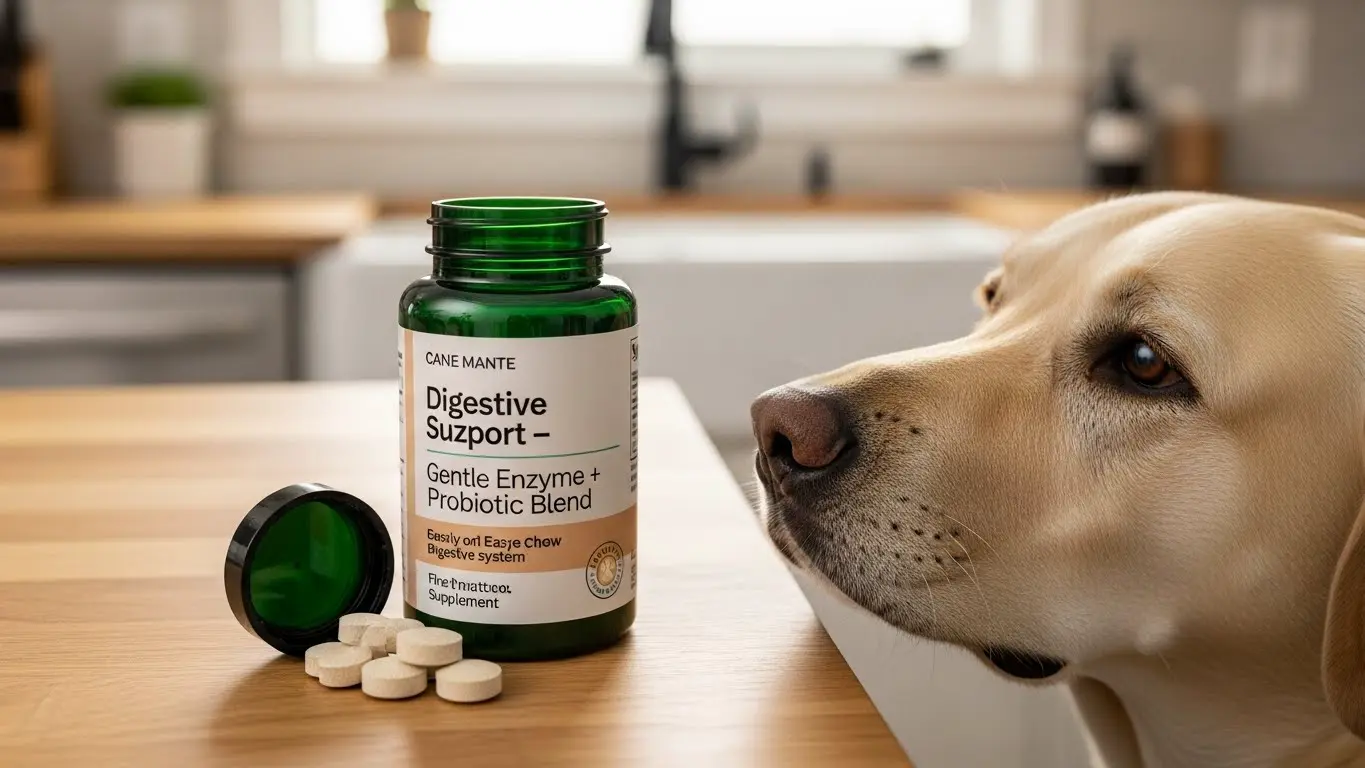
When Ethan is in a sensitive stomach phase, this enzyme and probiotic blend becomes part of his reset week routine. I keep his portions very predictable and lean on a mild chicken digestive friendly kibble or an everyday chicken weight control formula so his gut has a calm, repeatable pattern while we fine tune his homemade meals in the background.
If you want a simple home cooked bowl to match this routine, our Homemade Chicken & Pumpkin Digestive Bowl is the gentle, step by step recipe I rely on most. It keeps everything clearly homemade, not commercial food, and often settles Ethan’s stomach within a day or two when paired with this digestive support.
Lean Weight Control Support for Dogs on Chicken Based Diets
Many dogs slowly gain weight even on good food because portions creep up and lean meals do not feel filling enough. A balanced chicken weight control kibble, paired with a gentle fiber add on, makes it easier to protect muscle, trim extra fat, and keep your dog satisfied while you run a leaner routine with homemade chicken bowls.
Specs
- Main Function: Daily weight control and appetite satisfaction
- Core Foods: Chicken based weight management kibble plus gentle fiber blend
- Best For: Dogs that need to slim down or avoid regaining lost weight
- Use Pattern: Mix or rotate with homemade chicken meals
- Focus: Lower calories per cup with better meal satiety
What We Loved
- Chicken based formulas feel familiar and are usually easy to accept
- Lower calorie density helps you trim portions without starving your dog
- Fiber add on helps lean meals feel more filling at smaller amounts
Could Be Better
- Portion control still matters, even with weight control kibble
- Some dogs need a slow transition from their regular food to avoid soft stools
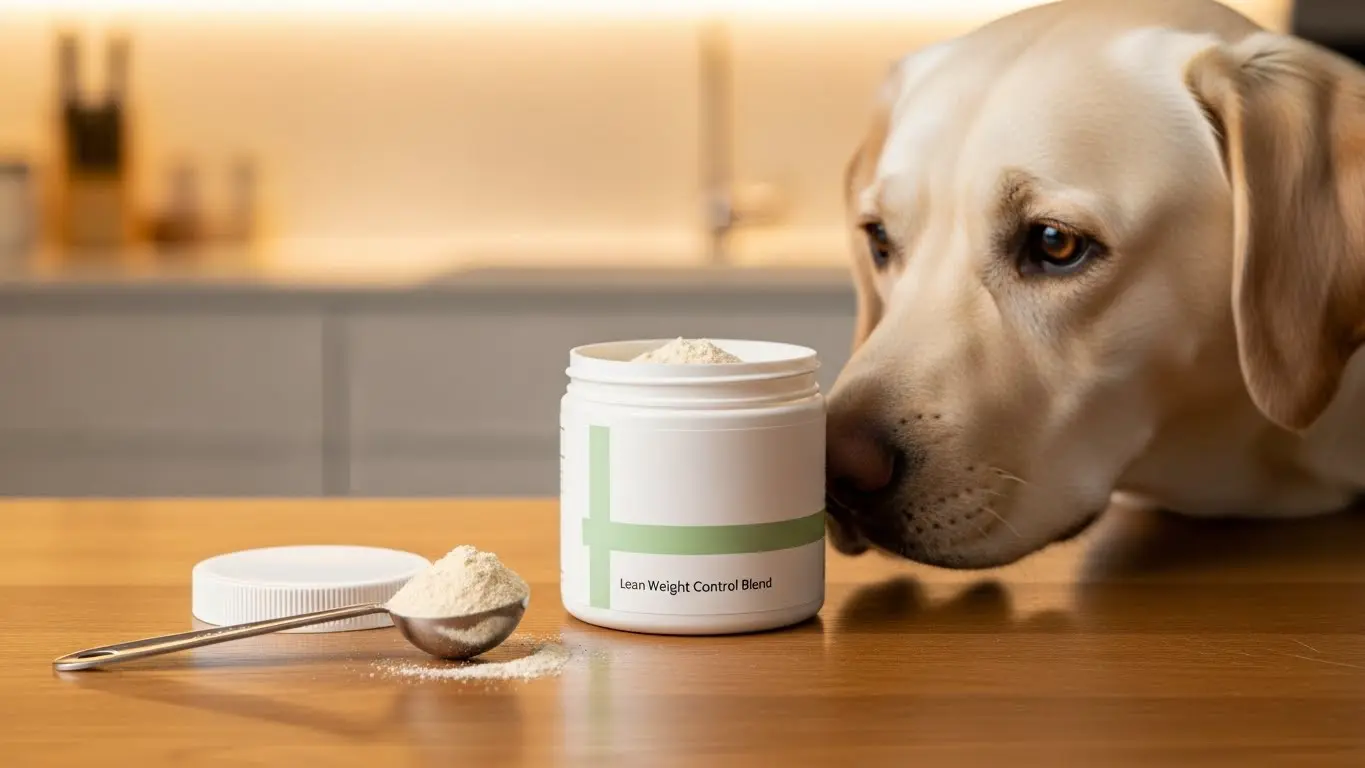
When Ethan needed to slim down without feeling like he was constantly waiting for his next meal, I built his routine around small, steady portions of homemade chicken bowls and rotated in a measured scoop of chicken weight control kibble or an everyday lean formula to keep calories predictable. On hungrier days, a tiny sprinkle of pumpkin fiber blend helped his bowl feel more satisfying without pushing his total calories over the edge. If you prefer a homemade anchor in that plan, our Homemade Chicken & Barley Metabolism Support Meal is the lean DIY chicken recipe I rely on whenever we are being more intentional about Ethan’s weight at home.
Skin & Coat Shine Booster for Dogs on Chicken Based Diets
Dry skin, dull coat, and light flaking are extremely common in dogs eating lean chicken meals. A high quality omega 3 source restores skin moisture, supports the skin barrier, reduces itchiness, and brings back that healthy, velvety shine. Dogs on homemade chicken diets especially benefit because chicken is naturally lower in omega 3 fats compared to fish based options.
Specs
- Main Function: Skin hydration and coat shine
- Core Ingredient: High purity omega 3 (EPA plus DHA)
- Best For: Dry coat, flaky skin, mild itchiness
- Use Pattern: Daily pump onto chicken meals
- Pairs With: Chicken based skin friendly kibble or soft treats
What We Loved
- Quickly boosts skin moisture in chicken heavy diets
- Most dogs enjoy the natural fish aroma
- Visible coat softness and shine improvement within a few weeks
Could Be Better
- Needs careful storage as omega oils are sensitive to heat and light
- Some dogs need a gradual introduction to avoid loose stools

When Ethan’s coat started to look a little dry after weeks of lean chicken meals, I added a daily pump of omega 3 fish oil and occasionally rotated in Norwegian salmon oil . For dogs that need an extra nudge, I sometimes pair that with a mild skin and coat soft chew so hydration support comes from both daily meals and focused supplements.
If you want a homemade bowl that supports natural antioxidant pathways and helps brighten the coat, our Homemade Chicken & Spinach Antioxidant Blend is the DIY recipe I lean on when Ethan needs extra skin and coat nourishment on top of his usual chicken meals.
Senior Joint Comfort Support for Aging Dogs on Chicken Based Diets
Older dogs on gentle chicken meals often do well with predictable nutrition, but they still need extra support for joint cartilage, stiffness, and everyday comfort. A solid glucosamine and chondroitin formula, paired with mild anti inflammatory nutrients, helps maintain mobility and reduces slow morning stiffness, especially for senior dogs that love warm homemade bowls.
Specs
- Main Function: Daily joint comfort and mobility
- Core Ingredients: Glucosamine, chondroitin, MSM
- Best For: Senior dogs or dogs showing early stiffness
- Use Pattern: Once or twice daily with meals
- Pairs With: Softer homemade bowls for easy chewing
What We Loved
- Noticeable comfort improvement within a few weeks for many dogs
- Soft chew format is friendly for older mouths
- Pairs naturally with warm, moist homemade chicken meals
Could Be Better
- Large dogs may need higher daily intake to see results
- Benefits depend on how advanced the joint issues already are

When Ethan moved into his senior years, I rotated between these joint chews , a scoop of green lipped mussel powder , and occasionally MSM mobility powder . The combination kept him moving more comfortably, especially on colder days when he preferred softer homemade chicken bowls and slower walks.
For a gentle home cooked bowl that fits senior joints well, our Homemade Chicken & Carrot Senior Soft Bowl is the step by step recipe I rely on when Ethan needs something warm, soft, and joint friendly that still feels like a real dinner, not a compromise.
Immune Friendly Daily Support for Dogs on Chicken Based Diets
Chicken diets are gentle and reliable but naturally low in antioxidant diversity. A daily immune focused supplement, especially one based on mushroom complexes, helps buffer stress, support seasonal changes, and provide more rounded micronutrient support than diet alone.
Specs
- Main Function: Daily immune balance and resilience
- Core Ingredients: Mushroom complex, vitamins, antioxidants
- Best For: Dogs with seasonal sensitivity or low energy dips
- Use Pattern: Once daily with meals
- Pairs With: Antioxidant rich homemade bowls
What We Loved
- Easy daily routine for long term immune wellness
- Supports dogs during seasonal transitions or stressful weeks
- Works nicely with ingredients like blueberries, spinach, and pumpkin
Could Be Better
- Some dogs need a slow introduction due to mushroom aroma
- Not a replacement for veterinary immune therapy when required
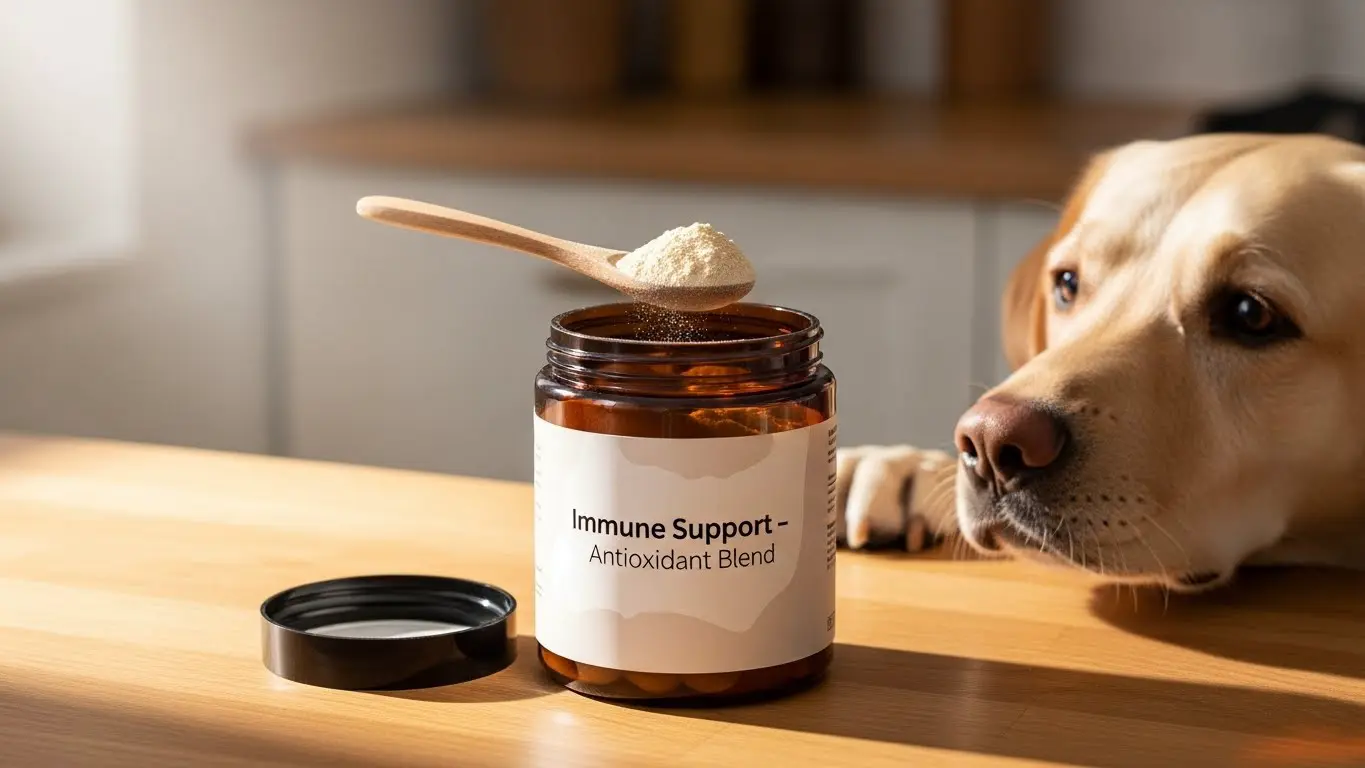
During busier seasons, I often rotate mushroom immune blends with a gentle daily multivitamin and, when Ethan seems stressed, a small soft chew like immune calming chews . It gives me a way to support his immune system from several angles without overloading his digestion or changing his whole menu overnight.
For a homemade antioxidant boost that complements immune blends, try our Homemade Chicken & Blueberry Immune Boost Bowl . It is a simple, step by step DIY recipe I reach for during seasonal shifts or after very active weeks when Ethan needs a little extra backup.
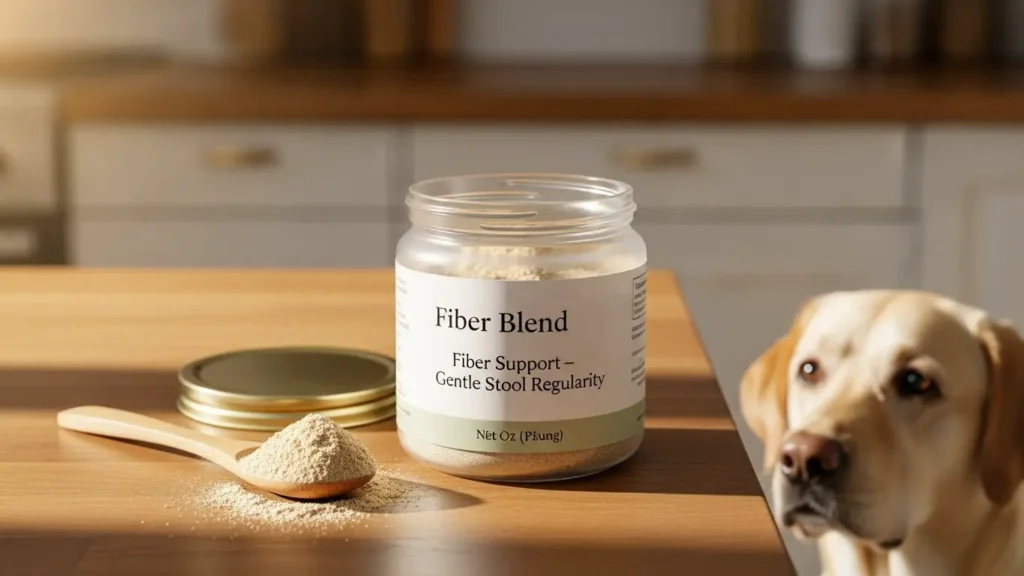
Fiber Balance & Stool Regularity Support for Homemade Chicken Diets
Low fat chicken meals are excellent for digestion but can sometimes lack the natural fiber variety that keeps stools well formed and predictable. A balanced fiber blend helps regulate moisture, support gut movement, and maintain comfortable bowel habits, especially in homemade feeding routines where ingredients change week by week.
Specs
- Main Function: Stool firmness and gut rhythm
- Core Ingredients: Pumpkin, soluble fiber, gentle plant fibers
- Best For: Soft stools, irregular patterns, mild constipation
- Use Pattern: Mix once or twice daily with meals
- Pairs With: Oats, carrots, leafy vegetables in homemade bowls
What We Loved
- Often improves stool shape and moisture within a few days
- Matches naturally with chicken based homemade meals
- Most dogs accept pumpkin based blends easily
Could Be Better
- Too much fiber at once may cause bloating or gas
- Results depend on hydration and overall recipe balance
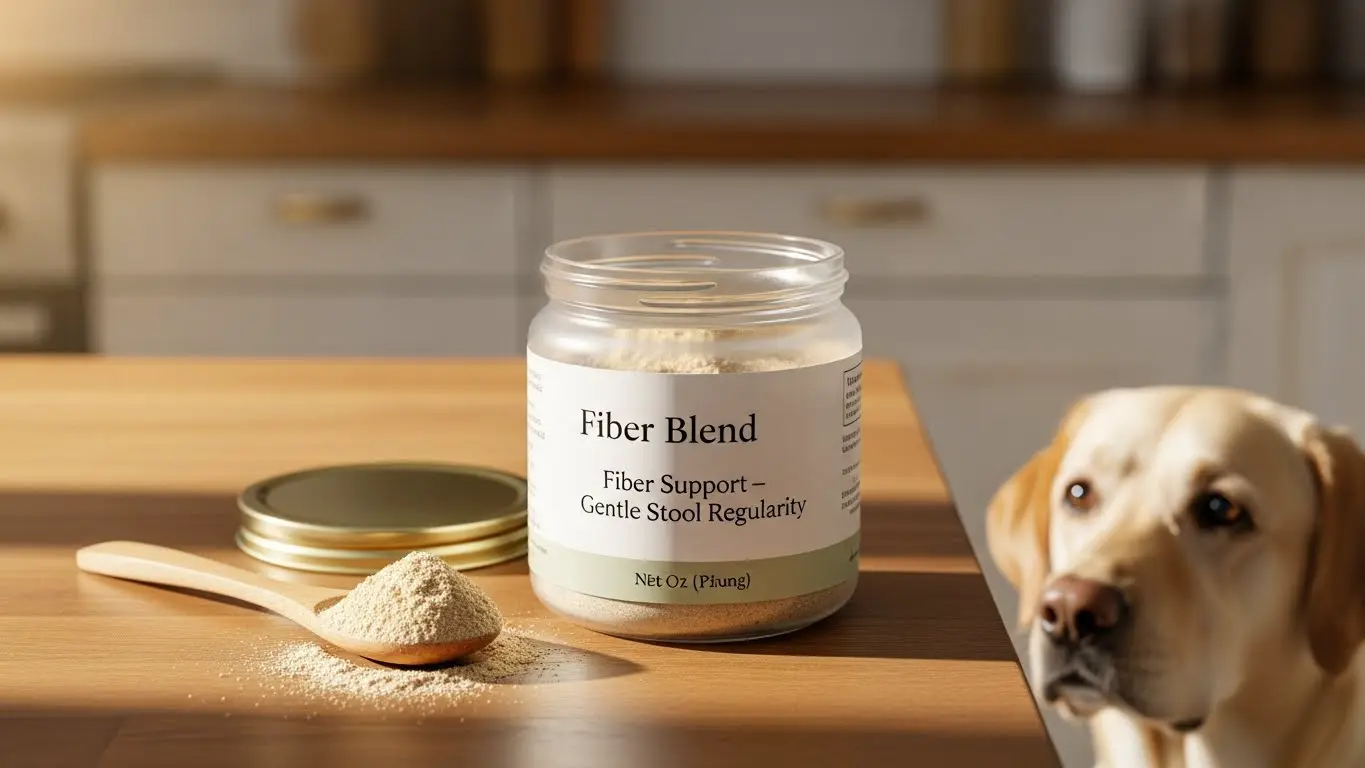
When Ethan’s stools wobbled, usually during busy weeks or quick routine changes, a small scoop of pumpkin fiber powder or a tiny sprinkle of psyllium husk usually brought him back to balance. On transition days, pairing his homemade bowls with a mild digestive friendly chicken kibble helped keep everything steady while we slowly adjusted his recipes again.
For a homemade bowl that naturally boosts soluble fiber, our Homemade Chicken & Oats Gentle Stomach Meal is the DIY recipe I use whenever Ethan needs a softer, more predictable gut routine without giving up his chicken dinners.
Some links above are affiliate links. They never cost you extra, and they help us keep testing foods, tools, and daily routines with Ethan so these guides stay honest and practical.
Is Chicken Good For Digestion And Sensitive Stomachs?
For many dogs, chicken is the “reset” protein during stomach upsets because it is lean, mild in flavor, and usually easy to break down. When I am troubleshooting Ethan’s softer stools or gassy days, a simple chicken base makes it much easier to see what the gut can and cannot handle. The key is balancing moisture, fat, and fiber so the bowels get a predictable rhythm instead of constant surprises.
On the flip side, some dogs genuinely do worse on chicken. If your dog consistently shows loose stools, mucus, or sudden urgency on chicken based meals while tolerating other proteins better, that is an important clue. At that point, I would step back, treat chicken as a potential trigger rather than an automatic “gentle option”, and rebuild the plan using a different protein while you work with diagnostic guidance from your vet.
Once digestion is reasonably stable, this is where a structured homemade approach helps. A balanced plan that respects macros, fiber types, and portion control is much easier to maintain when you are not guessing every single bowl. If you want a bigger framework behind your chicken meals rather than one recipe at a time, it can help to step up to a broader homemade dog food guide and use this chicken article as one chapter within that system.
Chicken Allergies, Sensitivities, And When To Be Careful
Chicken is one of the most common proteins used in dog food, which also makes it one of the most common proteins linked to food sensitivities. That does not mean chicken is “bad” for all dogs. It simply means that if a dog has a true food allergy, chicken is statistically more likely to be involved because it shows up in so many formulas, treats, and table scraps over the years.
Allergic type reactions around chicken often show up as itchy paws, ear infections, face rubbing, or recurrent skin flare ups that seem to calm when chicken disappears and return when chicken comes back. Digestive symptoms alone can be confusing because they overlap with many other issues. If you are unsure whether your dog’s reaction is intolerance, allergy, or something unrelated to food, pairing this guide with a more structured view from the homemade dog food health guides hub gives you a clearer decision path.
In situations where chicken probably is a trigger, I usually shift the “heavy lifting” of nutrition to another protein and keep chicken completely out of the rotation for a season. During that time, leaning on a solid framework like the 3 layer feeding strategy guide can help you rebuild meals, treats, and supplements without accidentally letting chicken sneak back in through snacks or shared human food.
Using Chicken For Weight Control Without Leaving Your Dog Hungry
Because lean chicken is naturally lower in calories per gram than many fattier meats, it is a useful base for weight control plans. The mistake I see most often is cutting portions aggressively while forgetting that dogs still need meals to feel satisfying and predictable. A bored, hungry dog will simply start hunting for extra calories in the trash, on walks, or from every family member with a snack.
When I run a weight control phase for Ethan, I think in terms of macros, not just calories. Protein stays steady to protect muscle. Fat comes down slightly. Fiber and water go up just enough to help each bowl feel slower and more filling without bloating. If you prefer some structure around that balancing act rather than winging it every week, it is worth pairing this article with the dog food macros guide and the portion and serving size guide so your chicken meals plug into a clear numeric plan.
Does Chicken Help Or Hurt Skin And Coat Health?
Lean chicken keeps fat modest, which can look great on paper but sometimes leaves coats a little dull in real life. Many owners notice that after a few months of chicken heavy feeding, their dog’s fur feels less silky and light flaking around the back or tail becomes more obvious. In Ethan’s case, this showed up quickly whenever I forgot to pair chicken with a richer omega 3 source.
The good news is that you usually do not need to abandon chicken to get the coat back on track. Supporting the diet with marine based omega 3s and antioxidant rich ingredients often makes a visible difference within a few weeks. If you want one place that pulls together the “why” behind those add ons, the dog food supplements guide explains how oils, joint blends, and skin focused formulas fit into a homemade routine without turning every meal into a supplement buffet.
Chicken Dog Food For Senior Dogs And Joint Comfort
For older dogs, chicken often becomes the default protein simply because it is easy to chew, easy to digest, and easy to batch cook into softer bowls. That part makes sense. What tends to get overlooked is the extra joint support seniors need on top of that gentle base. Lean chicken alone will not protect cartilage or ease stiffness during cold weather and slower mornings.
In Ethan’s senior years, I treated chicken as the “comfort canvas” and joint support as a separate, deliberate layer on top. Softer textures, slightly higher moisture, and warm serving temperatures made bowls more inviting, but the real mobility changes came from consistent joint care and good daily movement. If you are mapping out a longer roadmap rather than just this month’s meals, pairing this guide with the age based adjustment guide helps you see how chicken roles shift as your dog moves from adult to senior.
Immune Support And Overall Resilience On Chicken Based Diets
A chicken centered diet can be very steady but not especially diverse from a micronutrient point of view. Over time, that lack of variety may show up as slower recovery after busy weeks, more noticeable seasonal shifts, or a dog that seems “fine” but not especially bright and resilient. This is where I stop thinking only about protein and start looking at the whole pattern of antioxidants, trace minerals, and stress buffers in the plan.
In practice, that might mean rotating in colorful plant ingredients, carefully chosen supplements, and the occasional non chicken protein while keeping chicken as the main anchor. If you would like to go deeper into how immune oriented add ons fit safely around a homemade base, the micronutrients in dog food guide and the science behind homemade dog food guide are good next steps from this chicken focused article.
How Homemade Chicken Recipes Fit Into The Bigger Picture
A single chicken recipe can never carry your dog’s entire nutrition on its own. What it can do is give you one reliable, repeatable bowl that fits a specific job: digestion support, weight control, skin comfort, senior softness, or immune balance. That is why I treat the chicken dog food recipes collection as a menu to pull from instead of a list to work through in order.
On weeks when Ethan’s stomach sits a little higher on my worry list, I reach more for the gentle recipes. When weight, joints, or coat move to the front of my mind, I lean on the bowls built for those needs. If you want a single place that links chicken recipes back into your overall plan, you can always zoom out to the homemade dog food health guides hub and the homemade dog food tutorial hub , then drop back into this chicken guide when you need protein specific details.
Common Pitfalls When Relying On Chicken Dog Food
Even when chicken is a good fit for your dog, it is easy to slide into patterns that look reasonable but quietly create problems over months or years. Most of those mistakes are fixable once you can see them clearly. Here are a few of the recurring patterns I watch for in homes that lean heavily on chicken meals.
Chicken Becomes The Only Protein
Sticking with chicken forever because it “once worked” can slowly narrow your dog’s nutrient exposure and raise the risk that any future allergy will feel like a crisis. Even if your dog does well on chicken, periodic protein variety or carefully planned rotation keeps the diet more flexible and resilient over time.
Not Balancing Fat, Fiber, And Moisture
Lean chicken is only one piece of the comfort puzzle. If fiber is too low, stools turn soft and messy. If moisture is inconsistent, you see swings between loose and dry. Keeping an eye on the full meal pattern rather than just the meat portion helps digestion stay smooth week after week.
Ignoring Early Allergy Clues
Mild paw licking, ear scratching, or occasional tummy noise is easy to dismiss when the dog is otherwise happy. If those signs cluster around chicken heavy weeks, treat them as early feedback instead of waiting for a full flare up. Adjusting sooner gives you more options and less stress.
Overestimating What Chicken Can Do Alone
Chicken based meals can feel “clean” and homemade but still miss key minerals, omega 3s, and joint support. Expecting one protein to handle digestion, skin, joints, and immunity without help sets the diet up to fall short. A few well chosen additions often make the difference between “fine” and truly thriving.
If you read this section and recognize a few patterns in your own routine, do not treat it as a failure. It simply means you have clearer information now. Start by shoring up one area at a time, using broader guides like the main homemade dog food guide so your chicken plans sit inside a bigger, more forgiving framework.
Chicken Dog Food Guide FAQ
Is chicken dog food good for everyday feeding?
Chicken can be part of a balanced everyday diet for many dogs as long as it is not the only major protein and the recipe is properly supplemented. On its own, chicken provides high quality protein and moderate fat, which is helpful for muscle and energy. However, a complete diet also needs calcium, trace minerals, omega 3 fats, and vitamins that chicken does not supply in adequate amounts by itself. If your dog eats chicken daily, focus on whether the overall plan covers those gaps rather than assuming “chicken equals balanced”. A well designed homemade or commercial formula that uses chicken smartly is very different from randomly adding plain chicken on top of kibble or feeding meat and rice alone for months.
Can dogs be allergic to chicken dog food?
Yes, some dogs are allergic or sensitive to chicken, especially if they have eaten chicken based diets for many years. Typical signs include itchy paws, recurring ear infections, face rubbing, skin redness, or digestive upset that seems to cluster around chicken heavy meals. Because chicken appears in so many treats and mixed formulas, it can be hard to spot without a structured trial that removes chicken entirely for several weeks. If symptoms improve when chicken is excluded and return when chicken is reintroduced, that strongly suggests a chicken related issue. In that case, your vet may recommend shifting to a different protein or using a prescription level diet while you map out safer long term options.
Is homemade chicken dog food safer than commercial chicken kibble?
Homemade chicken dog food is not automatically safer or healthier than commercial chicken kibble. The main advantage of homemade is control: you see every ingredient, adjust textures, and respond quickly to how your dog feels. The main risk is imbalance if the recipe is not carefully designed to meet nutrient needs over time. Commercial chicken formulas, especially those from reputable brands, are required to meet basic nutritional standards and are tested for consistency, but they can be less flexible around individual sensitivities. A good approach for many families is to treat homemade chicken bowls and commercial diets as tools, not opposites, and build a plan that uses the strengths of both rather than assuming one side must “win”.
How do I know if chicken dog food is upsetting my dog’s stomach?
Signs that chicken dog food may be upsetting your dog’s stomach include repeated soft stools, sudden urgency to go outside, gurgling sounds, excess gas, or a dog that hesitates at meals during chicken phases. What matters is the pattern over time rather than a single off day. If symptoms appear whenever chicken is a major part of the bowl and ease when you switch to another protein, that is meaningful feedback. Keeping a simple feeding and symptom log for a few weeks makes these patterns much easier to see. If you notice blood in the stool, persistent vomiting, or clear pain, treat that as urgent and contact your vet rather than continuing to experiment at home.
Is boiled chicken and rice enough for long term feeding?
Boiled chicken and rice can be a useful short term “bland diet” during stomach upsets, but it is not suitable as a long term solution. The combination lacks several essential nutrients, including balanced calcium and phosphorus, omega 3 fats, and key vitamins and minerals. Feeding that mix alone for weeks or months can quietly create deficiencies even if your dog seems to cope at first. After a short recovery window, it is safer to move toward a complete homemade recipe that has been formulated with proper supplements or transition back to a balanced commercial diet. If you like the simplicity of chicken and rice, you can keep that feel while upgrading the nutrient profile under the guidance of a good nutritional framework.
References – Authoritative Sources
PetMD Editorial Team (2023), “Homemade Dog Food: Is It Right for Your Dog?”, PetMD. https://www.petmd.com/dog/nutrition/homemade-dog-food Overview of benefits, risks, and balancing considerations for home prepared dog diets.
American Kennel Club (2022), “Can Dogs Eat Chicken?”, AKC.
Can Dogs Eat Chicken?
Practical discussion of safety, preparation, and allergy concerns when feeding chicken.WSAVA Global Nutrition Committee (2021), “Nutrition Guidelines”, World Small Animal Veterinary Association.
Nutrition Guidelines
High level guidance on complete and balanced diets, including evaluation of home prepared food.Freeman, L. M. et al. (2013), “Current Knowledge about the Risks and Benefits of Raw Meat Based Diets for Dogs and Cats”, Journal of the American Veterinary Medical Association. https://avmajournals.avma.org/ Reviews safety and nutritional issues around raw feeding, relevant for raw chicken based plans.
NRC (2006), “Nutrient Requirements of Dogs and Cats”, National Academies Press. https://nap.nationalacademies.org/catalog/10668/nutrient-requirements-of-dogs-and-cats Technical reference on essential nutrients that must be met whether chicken is used or not.