Making homemade dog food is not just about picking the right recipe. The tools you use in your kitchen affect how safely you cook, how consistent each batch turns out, and how long those meals stay fresh in the fridge or freezer. The right tools make it easier to follow vet guidance, keep bacteria under control, and repeat a recipe reliably week after week.
For most owners, the starting point is simple: a safe pan for cooking, airtight containers for storage, and a reliable scale to weigh ingredients. As you cook more often, other tools begin to matter too, such as freezer trays for portioning, thermometers to confirm safe temperatures, and cleaning tools that keep your prep area hygienic after handling raw meat and organs.
This guide is designed as your central hub for dog food making tools. Instead of trying to cover every product on one page, we break tools into focused sub guides, each with clear picks and practical advice. Use this page as a map: scan the categories, decide what your kitchen is missing, and then dive into the sub hubs that match your cooking style and your dog’s needs.
The 9 Core Categories of Dog Food Making Tools
Most homemade dog food setups can be built around nine core tool categories. You do not need everything on day one, but understanding what each group does makes it easier to upgrade in a smart order instead of buying random gadgets that sit in a drawer.
In the next sections, you can jump directly into detailed guides for each category. Each sub hub explains what to look for, how to match tools to your routine, and which options work best for homemade dog food instead of just dry kibble.
Dog Food Storage Containers
Airtight, easy-clean containers that keep homemade batches and kibble fresher for longer, blocking moisture and odor so every scoop stays safe.
Nonstick Pans for Dog Food
Even-heating pans that brown meat gently with less oil, reduce sticking, and make back-to-back batch cooking much easier to clean up.
Freezer Trays for Meal Prep
Sturdy silicone trays that portion meals into neat blocks, resist freezer burn, and pop out smoothly on busy mornings or late-night feeds.
Scales & Measuring Tools
Accurate digital scales and measuring tools that keep calories and portions consistent with your vet’s plan, batch after batch.
Kitchen Thermometers
Instant-read thermometers that help you hit safe internal temperatures for meats without overcooking or guessing by color alone.
Airtight Treat Containers
Seal-tight jars and canisters that keep homemade treats crunchy, dry, and protected from moisture, pests, and strong kitchen smells.
Cleaning & Hygiene Tools
Scrubbers, cloths, and sanitizing tools dedicated to dog food prep, helping you separate raw meat cleanup from family cooking surfaces.
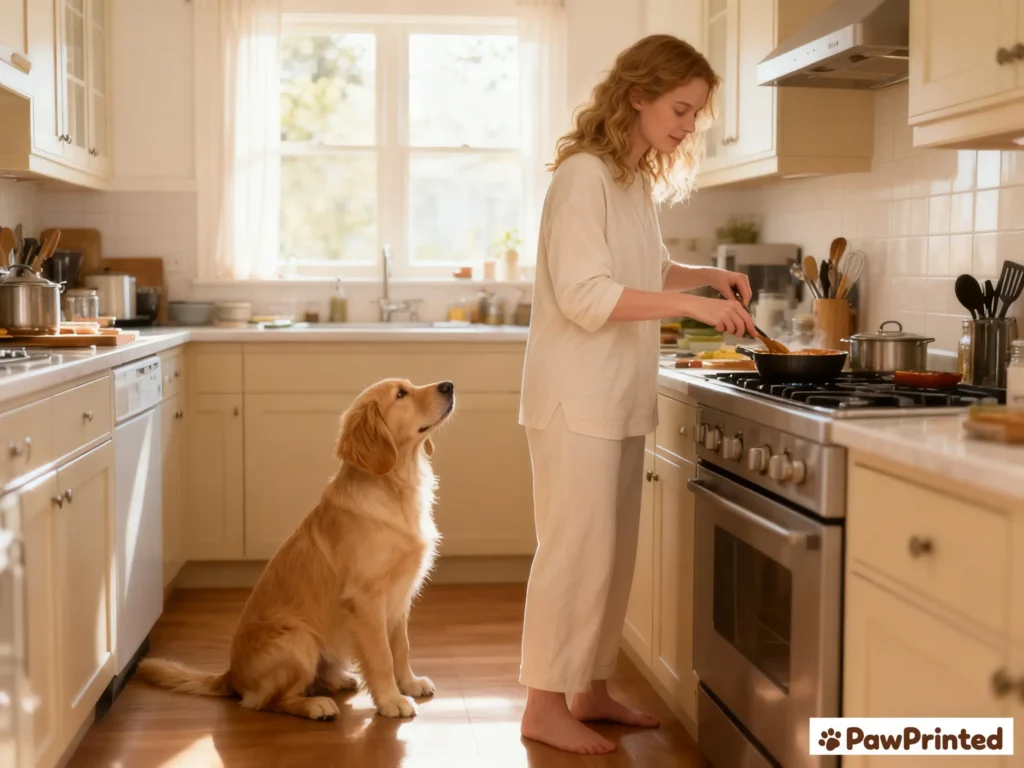
Where To Start With Dog Food Making Tools
If you are just getting into homemade dog food, it helps to know which tools to prioritize first. Different homes have different bottlenecks. Some owners struggle with freshness, others with mess around the bowl, and some simply want to batch cook without losing nutrients. Think about where your current routine feels hardest, then use that to choose your first upgrade.
If you worry about freshness and waste
Start with dog food storage containers and freezer trays. Airtight bins and sturdy silicone trays protect your effort when you cook in bulk and keep meals safe longer.
If you cook daily on the stove
Begin with nonstick pans and a simple kitchen thermometer. This pair helps you cook meats evenly, avoid burning, and reliably hit safe internal temperatures.
If you want more accurate nutrition
Focus on scales and measuring tools. Accurate scoops and digital scales keep calories and nutrients consistent from batch to batch so you do not over or under feed.
If feeding time is always messy
Look at feeding bowls and non slip mats. Stable bowls and silicone mats reduce splashes, stop bowls from sliding, and protect your floor from broths and stews.
If you worry about kitchen hygiene
Start with cleaning and hygiene tools. Dedicated brushes, cloths, and sanitizing solutions for dog food prep make it easier to separate raw meat cleanup from everyday cooking.
A good rule is to upgrade the step that feels most stressful today. That tool will pay you back in time saved, cleaner prep, and safer meals for your dog.
What Dog Food Tools Should You Buy First
Not every owner needs a full professional setup on day one. It is smarter to build your toolkit in layers. Start with tools that protect food safety and freshness, then move into gear that makes weekly routines easier and less messy. Below is a simple priority ladder you can follow.
Tier 1: Safety and Freshness Essentials
Focus on airtight storage containers, a reliable kitchen thermometer, and basic freezer trays. These three categories protect your cooked food from spoilage, temperature mistakes, and freezer burn, which are the biggest risks when you first start cooking at home.
Tier 2: Cooking and Portion Control
Next, upgrade your nonstick pans and add accurate scales and measuring tools. Even heating and precise portions improve nutrient consistency. This is especially important if your vet has given you target calories or specific ingredient ratios to follow.
Tier 3: Feeding and Hygiene Quality
Once the basics are covered, invest in sturdy feeding bowls, non slip mats, and dedicated cleaning tools. These make day to day feeding cleaner, cut down on floor mess, and keep raw and cooked prep areas safer over the long term.
Your Complete Homemade Dog Food Setup Step By Step
It can help to picture your dog food workflow from start to finish. Each category of tools fits into a particular step. When those steps line up smoothly, your prep days feel calmer and you are less likely to cut corners on safety or hygiene.
- Plan and shop for ingredients. Use scales and measuring tools to plan quantities so you do not overbuy or underbuy protein, carbs, and vegetables.
- Cook safely on the stove or in the oven. Nonstick pans and safe cookware let you brown or simmer meats with minimal added fat and fewer burnt bits.
- Check temperatures. A kitchen thermometer verifies that meat reaches safe internal temperatures without overcooking, protecting both safety and nutrients.
- Portion while food is fresh. Digital scales and portioning tools help you divide meals by weight or calories based on your dog’s body condition and vet guidance.
- Freeze or refrigerate correctly. Freezer trays and airtight storage containers protect against freezer burn, odor transfer, and moisture loss.
- Serve in clean bowls with mats. Stable feeding bowls and non slip mats keep meals in place, reduce floor mess, and protect joints by avoiding awkward bowl positions.
- Clean down your prep area. Dedicated cleaning tools for dog food prep help you separate raw meat sanitation from everyday family cooking and keep bacteria under control.
Recommended Tool Kits For Different Homemade Setups
Different households use homemade dog food in different ways. Some cook once a week, some top up kibble with fresh add ons, and some run a fully home cooked diet every day. Building a small tool kit that matches your style will keep you from wasting money on gadgets you rarely use.
Beginner Starter Kit
This kit is for owners who are just starting with simple recipes or occasional fresh add ons. Focus on one reliable nonstick pan, a basic instant read thermometer, a medium size airtight container, and one or two silicone freezer trays. These four pieces cover safe cooking, short term storage, and basic batch prep.
Weekend Batch Prep Kit
For owners who cook once or twice a week, aim for several stackable airtight containers, multiple portioned freezer trays, a digital scale, and non slip feeding mats. This combination lets you cook in volume, portion accurately, and store meals without wasting space in the fridge or freezer.
Raw or Mixed Feeding Kit
If you handle raw meat regularly, separate your tools. Use dedicated cutting boards, separate thermometers, strong sanitizing brushes and cloths, and clearly labeled storage containers. Keep raw tools away from everyday cookware to reduce cross contamination for both your dog and your family.
Buying Checklist Before You Order Any Dog Food Tools
Before you add tools to your cart, take a moment to review a few key details. Good dog food tools are not just about looks. They should be safe, easy to clean, and tough enough to handle weekly cooking and cleaning cycles without warping or cracking.
Storage Containers
Look for BPA free materials, tight sealing lids with gaskets, stackable shapes, and sizes that match how much you cook at once. Clear walls help you see food levels quickly without opening the lid and letting in moisture.
Nonstick Pans
Choose pans that distribute heat evenly, are free from older nonstick chemicals, and can handle your stove type. Comfortable handles and easy cleaning are important if you cook several batches in a row.
Scales and Measuring Tools
Check that digital scales measure in grams and ounces, have at least 1 gram accuracy, and offer a tare function. Spoons and cups should have clear markings that do not wash off after a few cycles.
Thermometers
Look for instant read models with clear displays and safe temperature ranges for meat. Waterproof or splash resistant designs are easier to sanitize after checking stews or broths.
Freezer Trays
Go for thick silicone trays that hold their shape in the freezer, release portions cleanly, and resist odors. Lids or covers help protect food from absorbing smells from other items.
Bowls, Mats, and Cleaning Tools
Feeding bowls should be stable and sized correctly for your dog. Mats need enough grip to keep bowls from sliding. Cleaning gear should be strong enough to scrub stuck food without damaging nonstick coatings or silicone.
What Changed In 2025 For Dog Food Making Tools
Over the last year, more pet owners have moved toward partially or fully home cooked diets, and brands have started to respond. Many storage containers and mats now highlight pet safe materials, and there is more focus on silicone quality and easy cleaning features. You will also notice more products mentioning dishwasher safety, odor resistance, and stackable designs made for small kitchens.
On the safety side, temperature control has become a bigger talking point. Manufacturers of kitchen thermometers and cooking tools now emphasize accurate readings, faster response times, and clear display layouts. This aligns well with veterinary advice that stresses proper cooking temperatures and careful handling of raw meat at home.
Finally, there is more education available. Guides from veterinary nutrition teams and large pet organizations now include sections on equipment, not just ingredients. When tools are chosen well, it becomes much easier for owners to follow safe homemade feeding plans consistently.
FAQ About Dog Food Making Tools
Do I really need special tools to make homemade dog food?
You can cook dog food with basic kitchen gear, but dedicated tools make cooking safer, more consistent, and much easier to repeat week after week. The most important pieces are airtight containers, a simple kitchen thermometer, and some form of accurate measuring system. These help you control temperature, storage, and portion sizes, which are the main weak points in casual home cooking. Over time, many owners find that adding freezer trays, nonstick pans, and better feeding bowls turns homemade food from a messy project into a manageable routine. You do not need to buy everything at once, but investing in a few well chosen tools directly supports your dog’s long term health and your own sanity in the kitchen.
Which dog food tools should I buy first if I am on a budget?
If your budget is limited, focus on tools that protect safety and freshness before anything else. An airtight container for cooked food, a basic digital scale, and a reliable instant read thermometer will give you a much stronger foundation than decorative bowls or mats. These three items help you keep leftovers safe, avoid under or over feeding, and confirm that meats are cooked to safe temperatures. Once those are in place, you can gradually add silicone freezer trays and better nonstick pans to make batch cooking more efficient. Starting small but strategic is better than buying a long list of gadgets you rarely use or replace within a few months.
Are silicone freezer trays and mats safe for dog food?
High quality silicone trays and mats that are labeled food grade and BPA free are generally considered safe for use with dog food. They perform well at low and moderate temperatures, do not rust, and are easy to clean without harsh scrubbing. The key is to choose products from reputable brands, avoid damaged or heavily discolored silicone, and follow the manufacturer’s temperature guidelines. If a tray or mat starts to retain strong odors or shows surface cracks, it is better to replace it. Used correctly, silicone tools make portioning, freezing, and serving homemade meals much more convenient while keeping direct contact surfaces simple to wash.
How many containers do I need for weekly homemade dog food prep?
The number of containers you need depends on your dog’s size, how many meals you batch cook at once, and whether you freeze or refrigerate. Many owners do well with two or three medium containers for fridge storage and several smaller freezer friendly containers or trays for long term portions. A good starting point is to plan for one week of meals, then calculate how many portions that means at your usual serving size. From there, match container sizes so they are mostly filled when in use rather than half empty. This reduces air space, keeps food fresher, and stops your fridge and freezer from turning into a cluttered puzzle of mismatched boxes.
How do I avoid cross contamination when preparing dog food at home?
The safest approach is to treat raw meat for dog food exactly like raw meat for human meals, and in some cases even more carefully. Use separate cutting boards, knives, and cleaning tools for raw ingredients, and sanitize them thoroughly before storing them away. Keep thermometers, scales, and bowls that touch raw food out of reach until they are washed in hot, soapy water. Try to prep raw ingredients in one block of time so you can fully wash down counters and handles afterward. Finally, dry tools completely before storing them to discourage bacteria growth. These habits protect both your dog and your family without making homemade feeding feel overwhelming.
Before you buy any tool, start with your real day to day routine. Are you cooking full batches every weekend, or just topping kibble with fresh add ons a few times a week? Do you have more trouble with storage space, safety worries, or mess around the bowl? The right dog food tools should make your current routine easier, not force you into a completely new one.
In general, prioritize tools that improve safety and freshness first, then add items that simplify cooking, portioning, and cleanup. Airtight containers, freezer trays, thermometers, and scales directly affect how safe, consistent, and nutritious homemade meals can be. Feeding bowls, mats, and cleaning tools then help turn that prep work into smoother daily feeding with less frustration.
Common Mistakes When Choosing Dog Food Tools
Most tool mistakes happen when owners shop on looks or price alone. A container might look pretty on the counter but leak air, or a pan might feel heavy but still create hot spots that burn meat. Being aware of a few common traps will save you both money and frustration.
Choosing “airtight” containers that are not truly sealed
Some bins use loose lids that let air and moisture in, even when marketed for pet food. Look for real gaskets, strong latches, and reviews that mention smell control and freshness over time.
Ignoring cleaning and dishwasher safety
Tools that are hard to clean quickly end up unused. Make sure containers, trays, and bowls either tolerate the dishwasher or can be rinsed and wiped down without trapping residue in seams.
Using imprecise scoops instead of scales
Eyeballing portions is tempting, but it slowly shifts calories up or down. A basic digital scale with gram readings is more accurate than guessing with mugs or old scoops.
Mixing raw and cooked prep tools
Using the same boards and brushes for raw and cooked food creates avoidable risk. Keep at least a few tools clearly designated for raw meat prep only, then sanitize thoroughly after each use.
When in doubt, choose fewer tools that you will use every week instead of a long list of gadgets that never leave the drawer.
Safety Tips for Homemade Dog Food Prep
Safe equipment and good habits work together. Even the best tools cannot fully protect your dog if raw meat handling and storage are inconsistent. Build a simple routine you can repeat every time you cook or portion food.
Always separate raw and cooked prep areas, and keep cutting boards, knives, and cleaning cloths for raw meat clearly labeled. Use a kitchen thermometer to confirm that meat reaches safe internal temperatures, then cool meals quickly before moving them into airtight containers or freezer trays. Wash hands, handles, and high touch surfaces with hot, soapy water, and allow silicone and plastic tools to dry completely before stacking them away. Small steps like these help lower bacterial load and keep both your dog and family safer.
Author & Vet Review Notes
Emma — Founder, PawPrinted: “When I first started cooking for Ethan, I tried to get by with whatever containers and pans we already had. Once we added airtight bins, a better nonstick pan, and a simple scale, our whole routine changed. Prep days got shorter, the fridge stopped smelling odd, and Ethan’s portions finally stayed consistent from week to week.”
Dr. Lydia Harper, DVM: “Owners often focus on ingredients and forget that tools are part of good nutrition. Accurate scales, safe storage, and reliable thermometers help maintain nutrient quality and reduce contamination risk. I encourage clients who cook at home to invest in a few well chosen tools rather than improvising with old or damaged equipment.”
Wrapping It Up
The right dog food making tools turn homemade feeding from a once in a while project into a routine you can maintain comfortably. Storage containers, freezer trays, thermometers, scales, pans, bowls, mats, and cleaning tools each solve a different piece of the puzzle, from freshness and safety to portion accuracy and daily mess management.
If you are not sure where to begin, start with airtight storage, a basic thermometer, and one reliable nonstick pan, then add scales, trays, and feeding gear as your routine settles in. Over time, a small, thoughtful toolkit will protect your dog’s health, support your vet’s nutrition advice, and make every prep day feel more under control.
References – Authoritative Sources
- PetMD: Home-Prepared Diet Safety and Handling Guidelines View overview on safe home-prepared diets
- American Kennel Club (AKC): Safe Storage and Handling of Dog Food See AKC guidance on dog food storage
- Tufts Cummings School – Clinical Nutrition Service: Measuring Accuracy in Homemade Pet Diets Read Tufts advice on homemade diet accuracy
- USDA Food Safety and Inspection Service: Safe Minimum Cooking Temperatures Review official temperature recommendations
- Centers for Disease Control and Prevention (CDC): Preventing Cross-Contamination in the Kitchen Learn more about cross-contamination control
- Frontiers in Veterinary Science: Nutrient Stability in Cooked Companion Animal Diets Explore research on cooked pet food nutrients