When we talk about “weight management”, it is easy to focus only on the number on the scale. In reality, what matters for your dog is a steady, healthy metabolism – how their body uses energy, maintains muscle, and keeps joints, organs, and hormones in balance over months and years. A dog that is a little round but metabolically healthy will often feel better than a dog that has crashed through an aggressive diet.
This hub pulls together everything on Weight & Metabolism Dog Food, from everyday feeding choices to vetted low fat recipes and structured guides. If your dog is already struggling with extra kilos, you can pair this page with our Low Calorie Dog Food Guide for overweight or easy-to-gain dogs, and if you live with a very active or working dog, the High Energy Dog Food Guide will help you avoid underfeeding.
Throughout this hub you will see a mix of homemade ideas and commercial support options. For owners who like to cook, our Low Fat Dog Food Recipes Collection shows how lean proteins, gentle carbs, and fiber can work together. If you prefer to stick to commercial diets, our broader Dog Nutrition Guide will help you read labels and understand what each ingredient is doing for your dog’s body.
The goal of this hub is not a “crash diet”, but a realistic, vet-friendly roadmap: small, sustainable changes in food, tools, and daily routine that help your dog reach and maintain a comfortable weight while keeping energy, mood, and mobility in a healthy range.
Key Tools And Add-Ons That Make Weight Control Easier To Live With
Before changing every gram of food, it usually helps to adjust the system around the bowl. Simple tools like slow feeder bowls, fiber boosters, gentle digestive blends, healthy-fat toppers, and joint-support supplements can make a leaner meal plan feel calmer and more sustainable for both you and your dog. They do not replace a balanced diet, but they can smooth out the bumps while you tighten up calories and portion sizes.
Below are five practical helpers we actually reach for in real life: one digestive blend, one fiber powder, a slow feeder bowl, a liquid omega booster, and a daily joint support option. Each can be paired with your chosen homemade recipes or with measured portions of weight-management kibble so you are not relying on “willpower” alone.
Pumpkin Digestive Regularity Powder for Dogs (Gentle Fiber Support)
This pumpkin-based powder is an easy add-on when your dog needs a little extra digestive support during weight control plans. A small scoop blends smoothly into moist meals, helping firm up stools, support regularity, and keep portions feeling more satisfying without loading on calories.
Specs
- Form: Fine pumpkin & fiber powder
- Main Function: Stool regularity & gentle digestion
- How To Use: Mix into wet food or lightly moistened kibble
- Best For: Dogs on weight control or sensitive tummies
- Frequency: Daily or as needed during tummy upsets
What We Loved
- Simple pumpkin-forward formula that most dogs accept easily
- Makes small portions feel more filling during calorie cuts
- Useful backup for soft stools or mild digestive wobble days
Could Be Better
- Still need to control total calories – not a standalone weight-loss tool
- Some very picky dogs may need gradual intro in tiny amounts

During Ethan’s weight-loss phases, I combine this pumpkin fiber powder with carefully weighed portions of a chicken-based weight-management kibble and a slightly higher-fiber weight-control kibble . This combo keeps him satisfied while keeping calories in check.
Psyllium Fiber Powder for Dogs (Stool & Fullness Support)
A tiny sprinkle of psyllium fiber can help firm loose stools and make weight control meals feel more satisfying. When mixed into moist food, it forms a gentle gel that slows digestion slightly, which can reduce begging between meals and support more regular bathroom habits during calorie cuts.
Specs
- Form: Fine psyllium husk fiber powder
- Main Function: Stool firmness & digestive regularity
- How To Use: Mix into wet food or slightly moistened kibble
- Best For: Dogs with occasional loose stools on diet plans
- Frequency: Short courses or as directed by your vet
What We Loved
- Very small amounts can make a noticeable difference in stool quality
- Helps some dogs feel fuller on smaller, calorie-controlled meals
- Pairs well with both homemade bowls and measured dry food portions
Could Be Better
- Must be introduced slowly to avoid gas or bloating
- Always needs enough water in the meal to work comfortably
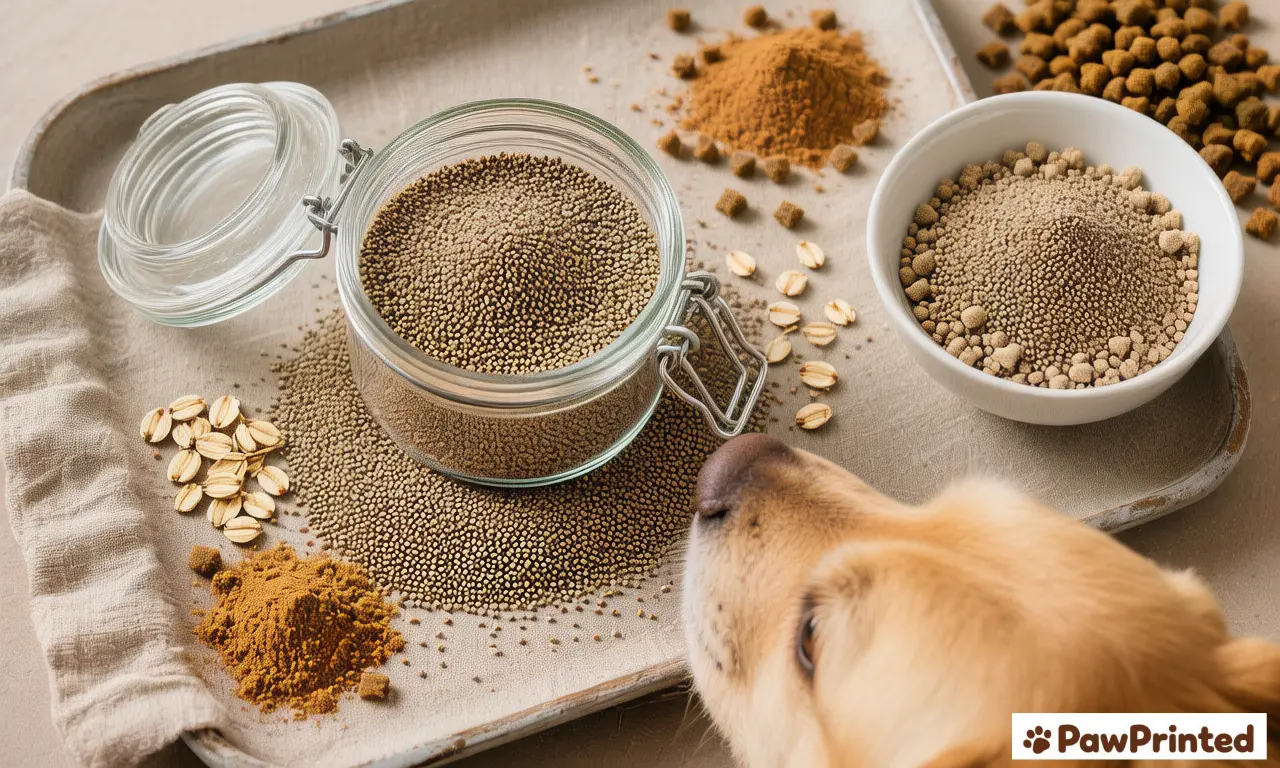
On weeks when Ethan’s stools are a bit loose during diet phases, I use a tiny measured scoop of this psyllium fiber powder together with carefully weighed portions of a high-protein weight-management kibble and a slightly lighter healthy-weight chicken kibble . It keeps his digestion calmer while we stay strict on calories.
Slow Feeder Dog Bowl (Portion Control & Anti-Gulp Design)
Fast eaters often swallow extra air and finish reduced portions in seconds, which is not ideal for digestion or weight control. A slow feeder bowl spreads food between raised patterns so your dog has to work around the ridges, turning a 30 second gulp into a 5 to 10 minute puzzle that can support better digestion and more satisfied behavior.
Specs
- Material: Food-safe plastic
- Design: Maze-style ridges to slow eating
- Main Function: Portion control & anti-gulp feeding
- Best For: Dogs who inhale meals or belch after eating
- Cleaning: Hand wash or top-rack dishwasher if allowed
What We Loved
- Makes diet-sized portions feel like a fuller, longer experience
- Helps some dogs burp less and settle more easily after meals
- Works with both kibble and chunky homemade bowls
Could Be Better
- Some flat-faced dogs may need a gentler pattern design
- Requires a little extra time for cleaning around the ridges

When Ethan was on stricter calorie targets, switching to a slow feeder bowl made his smaller portions feel like a full ritual again. I rotate between an ideal-weight chicken and brown rice kibble and an extra-light chicken and barley formula , always keeping his total grams weighed out but letting the bowl do the work of slowing him down.
Liquid Fish Oil for Dogs (Skin, Coat & Metabolism Support)
When you trim calories, fat quality matters more than fat quantity. A measured pump of liquid fish oil adds omega fatty acids that can support skin, coat, and overall metabolism without turning every bowl into a greasy feast. It works well over both homemade lean recipes and carefully measured weight-control kibble.
Specs
- Form: Liquid fish oil with pump
- Main Function: Omega support for skin, coat and metabolism
- How To Use: Pump over food based on weight chart
- Best For: Dogs on lean diets that still need healthy fats
- Storage: Store in a cool place away from direct heat
What We Loved
- Pump top makes dosing simple and consistent day to day
- Adds flavor that encourages some picky dieters to finish bowls
- Easy to combine with both wet toppers and dry food bases
Could Be Better
- Needs careful portion control to avoid overdoing calories
- Sensitive noses may notice a light fishy smell around the bottle
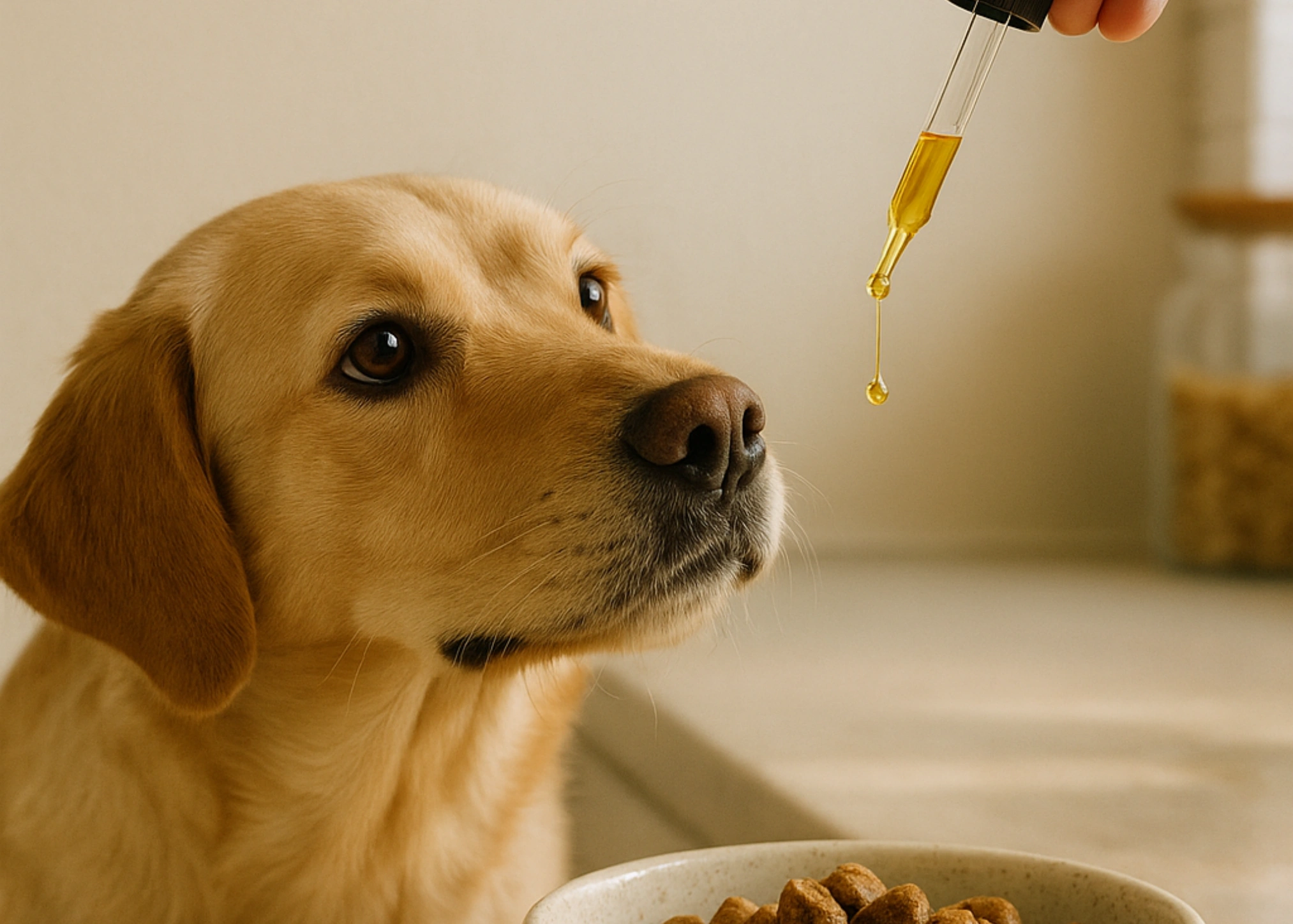
On leaner meal plans I keep Ethan’s fat sources simple: a measured pump of this liquid fish oil on top of a healthy-weight chicken kibble or a slightly lower-calorie weight-control chicken formula . That way his skin and coat stay supported without blowing up the daily calorie budget.
Daily Joint Support Supplement for Dogs (Mobility & Weight Care)
For dogs who already have mild stiffness, weight control and joint care need to move together. A daily joint support supplement with glucosamine, chondroitin and related ingredients can help keep movement more comfortable while you gently trim extra kilos with lower-calorie meals and controlled treats.
Specs
- Form: Chewable or capsule-style joint supplement
- Main Function: Support for joints, cartilage and mobility
- Best For: Dogs with mild stiffness starting weight-loss plans
- Use With: Vet-guided diet, gentle exercise and rest days
- Duration: Usually long term, as your vet recommends
What We Loved
- Easy to add to a daily feeding routine without extra kitchen work
- Supports comfort so dogs can keep up with light walks while losing weight
- Pairs well with lower-calorie meals and chew rewards used as part of training
Could Be Better
- Results are gradual rather than instant, especially in older dogs
- Needs consistent daily use to see full benefit
For Ethan, joint comfort and weight control are always linked. On weeks when we push a little harder on calories, I keep his routine steady with a daily joint support supplement , using small pieces of long-lasting chew treats and occasional larger chew bones as high-value rewards rather than free snacks, so his joints feel supported while the scale slowly moves in the right direction.
Some links above are affiliate links. They never cost you extra, and they help us keep testing foods, tools, and daily routines with Ethan so these guides stay honest and practical.
Daily Feeding Strategies That Support Healthy Weight And A Steady Metabolism
No supplement or tool can fix a feeding pattern that is chaotic. The first step in any weight and metabolism plan is to measure what is really going in. For most dogs, that means using a digital kitchen scale to weigh food in grams, choosing a realistic daily calorie target with your vet, and sticking to fixed meal times rather than constant free-feeding. When the baseline is predictable, it becomes much easier to adjust up or down without guesswork.
Another quiet but powerful lever is macronutrient balance. Many successful weight-control diets use slightly higher protein, moderate complex carbohydrates, and carefully managed fat. This leaves room for small, meaningful treats inside the daily budget without overloading every bowl with heavy ingredients. Lean proteins, gentle fibers, and moisture-rich components can help dogs feel full on fewer calories, especially when you combine them with tools like a slow feeder or a digestible fiber booster.
Finally, be honest about snacks and extras. Training treats, table scraps, chews, and “just one little bite” can easily undo careful measuring at mealtime. It helps to pre-portion treats for the day in a separate container and treat them as part of the same budget, not as a separate category. If your dog is food-motivated, you can even reserve a portion of their regular diet to use as training rewards instead of adding extra, richer snacks on top.
Vet Review – What Matters Most In Weight & Metabolism Care
“When we help dogs lose weight safely, I always remind owners that the goal is not rapid loss but a steady metabolic reset. Dogs burn calories differently from humans, so abrupt changes, over-restriction, or frequent diet switching often cause more digestive upset than progress.
In most cases, the foundation is simple: a consistent daily calorie target, a predictable feeding routine, and a clear balance of lean proteins, gentle carbohydrates, and fiber. Slow feeders, measured portions, and light daily movement can make the process smoother, especially for dogs that act hungry or rush through meals.
If your dog has stiffness, reduced energy, changes in thirst, or gains weight unexpectedly, it is important to rule out underlying medical issues such as thyroid imbalance, metabolic changes, or early joint discomfort. The earlier we identify these, the safer and more successful your dog’s weight plan becomes.”
— Reviewed by a Veterinary Professional
Homemade vs Commercial Weight-Management Food – How To Combine Them Safely
You do not have to choose sides between “only homemade” and “only commercial” when it comes to weight and metabolism. Many families find the best balance in a mixed approach: a vetted, complete commercial diet doing the heavy lifting for nutrient balance, with carefully designed homemade meals or toppers adding variety, texture, and emotional comfort for the dog. The key is to keep the total calories and nutrient mix aligned with your vet’s guidance.
If you love cooking, start by building a small rotation from our Low Fat Dog Food Recipes Collection and use them as either full meals on certain days or as partial bowls on top of a measured base of weight-management kibble. On busier days, you can lean more heavily on the kibble and keep the homemade element to a simple topper or warmed mix-in so the routine still feels special to your dog.
For owners who prefer to stay mostly with commercial diets, it is worth revisiting your current bag alongside our Low Calorie Dog Food Guide . Look for formulas that are clearly labeled for weight control, use leaner proteins, and provide enough fiber and moisture to keep dogs satisfied. From there, you can add a few carefully chosen toppers, such as cooked vegetables or a spoon of a gentle digestive blend, without turning each bowl into an unplanned calorie bomb.
Movement, Routine And Lifestyle – The Other Half Of Weight Management
Food changes set the foundation, but a dog’s weight and metabolism also respond strongly to daily movement, sleep, stress, and routine. For many dogs, even adding one extra 10 to 15 minute walk per day, or a few short play sessions spread across the afternoon, can make a real difference over a few months. The goal is not intense exercise, but consistent, joint-friendly movement that keeps muscles active while you quietly tidy up calories.
Pay attention to age, joints and breed tendencies. A young, athletic dog may tolerate brisk walks, scent games, or light jogging, while a middle-aged dog with early stiffness might do better with shorter, more frequent strolls on soft ground. This is where joint-support supplements and leaner body weight can work together: when movement is comfortable, it becomes much easier to maintain the routine, and the metabolism stays more stable.
Finally, think about the household pattern. If multiple family members feed or treat the dog, it helps to agree on one plan and one measuring system so calories are not accidentally doubled. Some families keep a simple “feeding note” on the fridge that lists daily portions, allowed treats, and current weight targets, so everyone is on the same page and the dog is not learning to beg from the softest heart in the room.
Different Dog Types And What Works Best For Each
Easy-to-Gain Dogs
Benefit from strict portion accuracy, slightly higher protein, and added moisture. Slow feeders and fiber support help them feel full while calories stay controlled.
Large Breeds With Joint Sensitivity
Focus on steady, gentle weight loss. Look for diets that support muscle while reducing load on joints. Joint-friendly movement and modest calorie adjustments work best.
Low-Energy Indoor Dogs
Often need fewer calories than expected. Split meals into smaller feedings, use controlled treats, and emphasize routine and light, frequent walks.
Active Or Working Dogs
Require higher protein and a stable energy supply while keeping overall body condition lean. Avoid aggressive restriction; support recovery with moisture and balanced macros.
A Realistic 7-Day Routine – How Ethan Maintains A Healthy Weight
To make weight control feel less abstract, here is a simple example of Ethan’s weekly routine. This is not a prescription, but a practical template many families can adapt.
Day 1–2: Reset & Stabilize
Weigh all meals in grams, reduce treats, and use a slow feeder for both meals. Add gentle fiber if stools seem loose from previous overfeeding.
Day 3–4: Add Moisture & Light Activity
Slightly increase moisture in bowls with warmed water or broth. Add two extra 10-minute walks to support steady metabolism.
Day 5: High-Satiety Day
Use a mix of fiber and slow feeding to make meals last longer. Keep treats minimal and predictable.
Day 6–7: Review & Adjust
Check appetite, stool quality, and activity levels. If everything feels stable, maintain the same routine next week with minor gram-scale adjustments.
Common Weight-Control Pitfalls And How To Adjust Without Stress
Even with the best intentions, most weight and metabolism plans bump into similar problems: the scale stalls, your dog seems constantly hungry, or you find yourself slipping back into free-pouring kibble at the end of a long day. None of these mean you have failed. They are simply signals that one or two parts of the system need adjusting.
Problem – The Scale Is Not Moving
When weeks go by with no change, the most common cause is hidden calories. Double-check treat habits, chews, table scraps, and shared snacks. Weigh actual portions in grams for a few days instead of relying on scoops, and compare the total calories with your vet’s recommended range.
Problem – My Dog Acts Starving
Some dogs struggle more with the feeling of change than with the calories themselves. Try adding low calorie bulk like cooked vegetables or a small amount of gentle fiber, spreading meals into three smaller feedings, or using a slow feeder bowl so eating takes longer and feels more satisfying.
Problem – Family Members Keep Over-Treating
Over-treating is usually emotional, not logical. Create a shared treat jar with a fixed daily quota and agree that once it is empty, everyone switches to praise, toys, or walks. This keeps the joy without silently doubling the food budget.
Problem – My Dog Has Loose Stools On Diet Food
Sudden changes in formulas or fiber can unsettle digestion. Gradually transition between foods, adjust the pace of calorie reduction, and talk with your vet about adding small amounts of gentle fiber or a digestive blend so stools stay comfortable while you fine-tune the plan.
If your dog seems more tired, painful, or simply “not like themselves” at any point in a weight plan, pause the changes and check in with your vet. Metabolism, joints, and underlying health conditions are closely linked, and a quick adjustment now can prevent bigger problems later.
When To Talk To Your Vet About Weight, Metabolism And Underlying Health
While many dogs can slim down safely with careful home management, some weight and metabolism issues point to underlying medical problems such as thyroid disease, hormonal conditions, or chronic pain that limits movement. You should always involve your vet before starting a major diet, and reach out quickly if weight changes are very fast, your dog is panting or drinking more than usual, or you notice stiffness, coughing, or changes in appetite.
A good vet visit for weight and metabolism will usually include a physical exam, body condition scoring, a discussion of current food and treats, and sometimes basic bloodwork. From there, you can agree on a realistic goal weight, a rough calorie range, and whether any prescription diets or medications are needed. Once the plan is clear, tools like slow feeders, digestive support, and joint supplements simply help you follow through at home.
If you are not sure where to start, take photos of your dog from the side and from above, write down everything they eat in a normal week, and bring that record to your vet appointment. It is much easier to build a safe, tailored plan when everyone is looking at the same picture of your dog’s daily life.
Explore More Weight & Metabolism Guides On PawPrinted
If you are ready to build a calmer, more structured plan for your dog’s weight and metabolism, these related guides and recipe collections will help you go deeper. Start with one article that feels closest to your current situation, then slowly add the others as you fine-tune the routine.
Low Calorie Dog Food Guide
Understand how low calorie formulas are built, how to read labels, and how to choose the right calorie range for an overweight or easy-to-gain dog without leaving them miserable and hungry.
High Energy Dog Food Guide
For working and very active dogs, underfeeding can be just as risky as overfeeding. This guide explains how to support performance and recovery without losing control of body condition.
Low Fat Dog Food Recipes Collection
Eight lean, homemade meals built to support weight control while staying gentle on digestion. Each recipe focuses on clear ingredients, simple cooking steps, and realistic weekly prep.
Dog Nutrition Guide By Ingredient
A deeper look at what different ingredients contribute to your dog’s diet, so you can build both homemade bowls and commercial choices on a clearer nutritional foundation.
Frequently Asked Questions About Dog Weight & Metabolism
1. How fast should a dog lose weight?
Most dogs should lose weight gradually, typically around 1 to 2 percent of their body weight per week. A slower pace protects metabolism, reduces muscle loss, and keeps energy levels steady. Rapid weight loss can lead to rebound overeating, digestive upset, or stress on the immune and endocrine systems. A sustainable plan usually includes controlled calories, fixed meal patterns, leaner ingredients, and light daily activity. If progress stalls for several weeks, it is often due to hidden calories from treats or inconsistent portion sizes rather than a medical problem. Adjusting treats, weighing meals, and maintaining a predictable routine typically gets things moving again. If weight drops too quickly or your dog shows unusual fatigue, consult your veterinarian to reassess the plan.
2. How many calories should my dog eat for weight control?
The ideal calorie range depends on age, breed, activity level, and current body condition, but a common starting point is 70 to 90 percent of a dog’s maintenance calories. A veterinarian can help calculate a safe target using body condition scoring and overall health history. Once you have a daily number, it is important to weigh food portions in grams rather than using scoops, which can vary widely. Many families find success breaking the daily total into two or three smaller meals and using part of that amount for training rewards. If your dog seems overly hungry or if stools become loose while calories are reduced, adjust the pace or add gentle fiber so the transition feels comfortable.
3. Why does my dog still seem hungry on a diet?
Hunger during weight control is common, especially in dogs accustomed to larger portions or frequent treats. Often the issue is not the calorie count itself, but the sudden change in routine. Dogs benefit from predictable meal timing, slow feeding tools, and foods with higher moisture and fiber to create a fuller feeling without excess calories. Offering low calorie vegetables, dividing meals into several smaller feedings, or using a slow feeder bowl can significantly reduce begging behavior. If your dog’s hunger appears extreme, talk to your vet to ensure there is no underlying medical issue, such as thyroid imbalance, digestive sensitivity, or stress-related appetite changes.
4. Can I mix homemade food with weight-management kibble?
Yes, mixing the two can work well if the total calories and nutrient balance stay consistent. Many dogs enjoy the texture, aroma, and emotional comfort of homemade meals, while weight-management kibble helps maintain essential nutrients and portion control. A safe approach is to designate a certain percentage of the bowl for homemade food while keeping the remainder as a measured commercial base. Make changes gradually over a week to avoid digestive upset. If your dog has chronic health conditions, discuss the combination plan with your veterinarian to ensure the blend remains nutritionally sound.
5. When should I worry about my dog’s slow metabolism?
A slower metabolism can be caused by natural aging, reduced activity, joint discomfort, or hormonal changes. Warning signs include sudden weight gain despite normal feeding, increased thirst, low energy, or difficulty maintaining muscle. These symptoms may signal thyroid issues, early metabolic disease, or underlying pain limiting movement. If you notice these patterns, schedule a veterinary evaluation that includes a physical exam and basic bloodwork. Once medical concerns are ruled out or treated, adjusting meal structure, portion accuracy, and daily activity usually helps restore a healthier metabolic rhythm.
Wrapping It Up
If your dog is struggling with weight or seems hungry all the time, you are not alone. Small, steady changes – weighed meals, predictable routines, gentle fiber, slow feeding, and light activity – often make a bigger difference than strict dieting or constant guesswork.
If you have questions or want help shaping your dog’s routine, feel free to share your situation in the comments. Every dog’s metabolism is unique, and together we can shape a calmer, kinder path forward.
References — Authoritative Sources
PetMD Editorial Team (2023), “Healthy Weight For Dogs”. PetMD. Overview of body condition scoring, calorie needs, and healthy pacing for weight loss.
American Kennel Club (2022), “How to Help a Dog Lose Weight”. AKC. Practical guidance on exercise pacing, feeding adjustments, and monitoring progress.
VCA Hospitals (2023), “Obesity in Dogs”. VCA. Discusses underlying causes, health risks, and veterinary evaluation steps.
Tufts University Cummings School (2022), “Helping Dogs Lose Weight Safely”. Tufts Veterinary Nutrition. Veterinary nutritionist recommendations on safe calorie reduction and nutrient balance.
Hill’s Pet Nutrition Research (2021), “Metabolism and Weight Management”. Hill’s Research. Explains how metabolism, lean muscle, and nutrient ratios influence weight.