When your dog has diarrhea, every bite suddenly feels important. Heavy biscuits and greasy snacks can make things worse, but the right kind of gentle treats can actually support recovery while still giving your pup something to enjoy. This guide focuses on soft, simple homemade treats that respect a sore gut instead of challenging it.
These recipes are built around low fat proteins, soluble fiber, and carefully chosen add-ons that are kinder to an irritated stomach. They are not meant to replace a balanced main diet or veterinary care, but to sit beside your existing plan as small, supportive extras. If you are still fine tuning the main bowl, you can also explore Dog Food for Diarrhea – What Actually Works? and Sensitive Stomach Dog Food Guide – What Helps Most? for core meal ideas.
Think of this treat plan as a way to add comfort and routine back into your dog’s day while you wait for stool and energy to normalize. Small portions, soft textures, and steady observation are the rules we use at home with Ethan, and they are the same rules I kept in mind while shaping this set of eight recipes.
8 homemade treats for gentle diarrhea relief
Below are eight homemade digestive friendly treats that I rotate when Ethan has loose stools or is recovering from a stomach bug. Each recipe is built with short ingredient lists, soft textures, and conservative portions so you can treat your dog kindly without pushing the gut too fast.
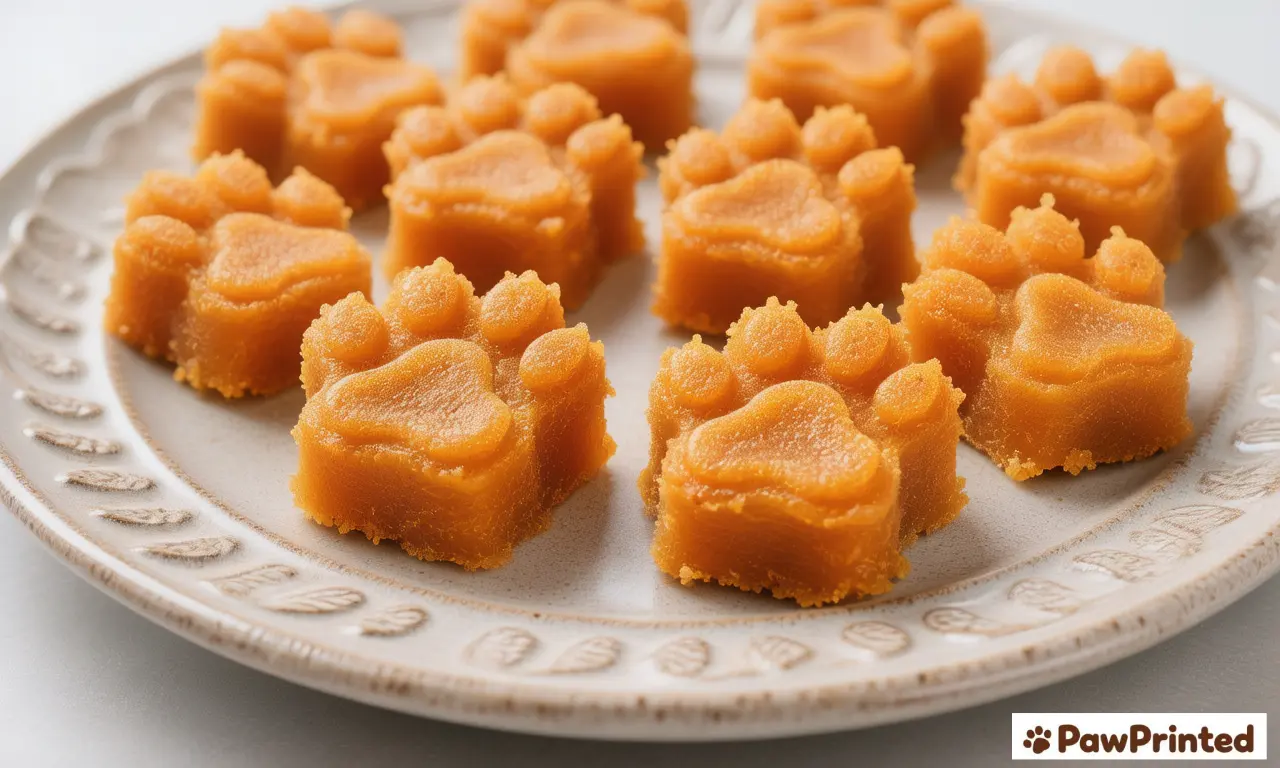
Turkey & Pumpkin Soft Digestive Bites
- – Mixing bowl
- Silicone spatula
- Small silicone molds or lined baking tray
- Cooked lean ground turkey finely crumbled
- Pumpkin puree or pumpkin powder mixed with warm water
- Oat flour or finely ground oat flakes
- A little extra warm water or low sodium broth as needed
- Cook and cool the lean ground turkey, then crumble it into very small, soft pieces.
- Stir the pumpkin puree and a splash of warm water or broth in a bowl until smooth.
- Fold the crumbled turkey and oat flour into the pumpkin mixture to form a soft, spoonable batter.
- Spoon the mixture into small molds or onto a lined tray, bake gently until just set, then cool completely before serving tiny portions.
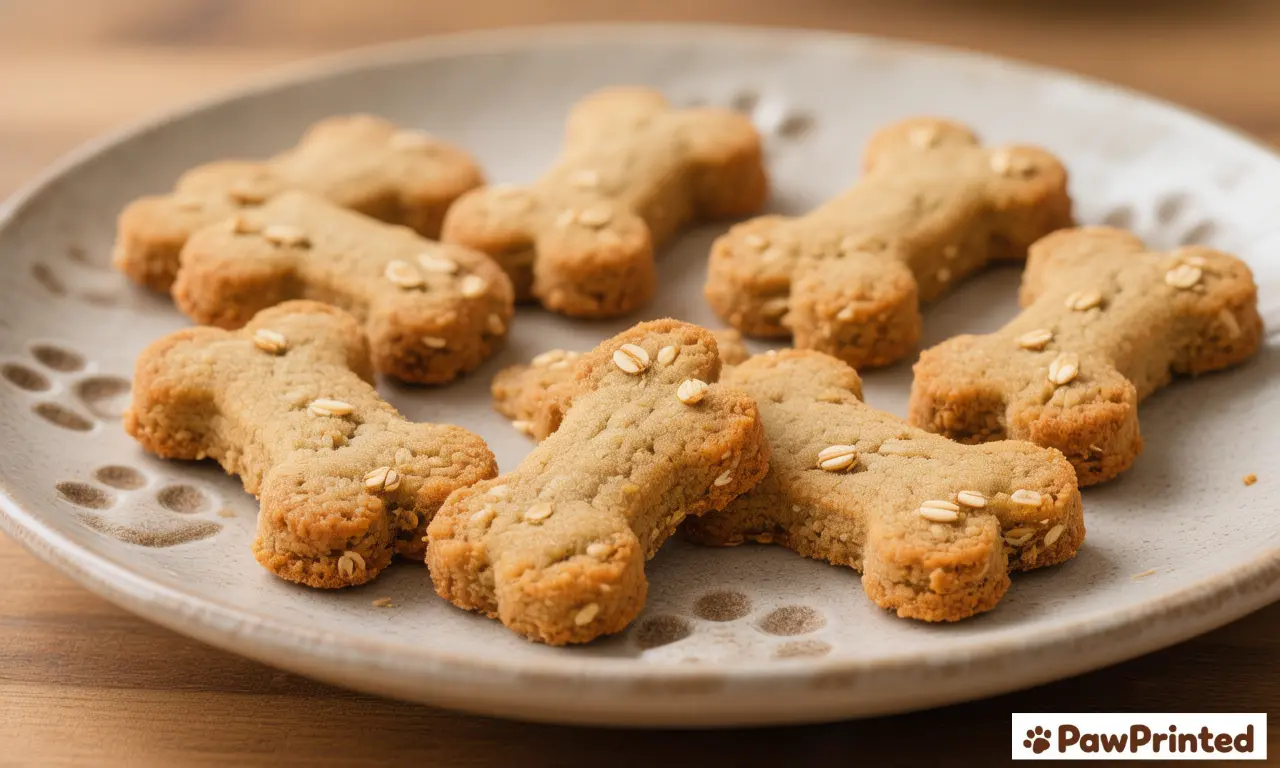
Pumpkin & Oat Gentle Digestive Cookies
- – Mixing bowl
- Silicone spatula
- Baking tray or shallow silicone molds
- Pumpkin puree or pumpkin powder mixed with warm water
- Organic oat flour
- A small amount of unsweetened applesauce
- Egg or a little extra pumpkin for binding
- Additional warm water as needed for a soft dough
- Whisk the pumpkin puree, applesauce, and a splash of warm water in a bowl until smooth and lump free.
- Stir in the organic oat flour gradually until you get a soft, slightly sticky dough that still holds shape on a spoon.
- Press small portions of dough onto a lined baking tray or into shallow molds, shaping them into low, soft discs.
- Bake at a moderate temperature until the edges are just set but the centers remain tender, then cool fully before offering tiny pieces.
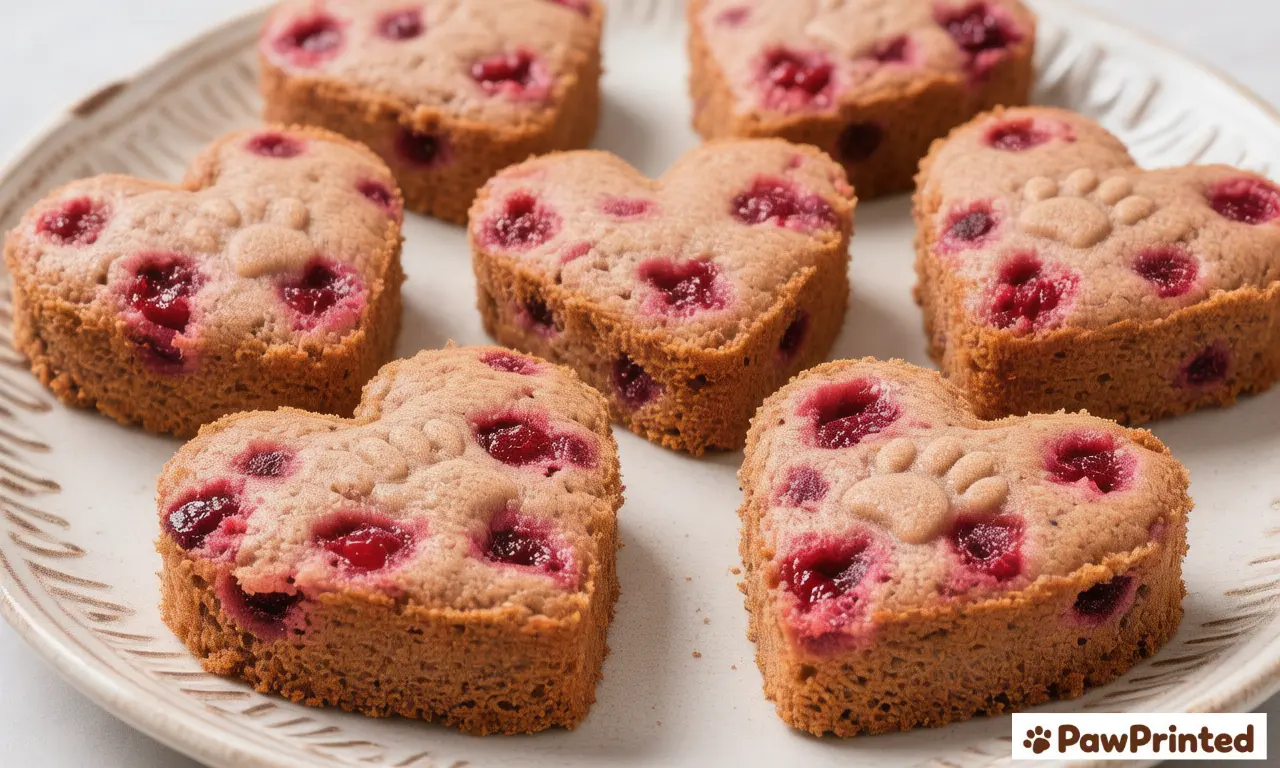
Turkey & Cranberry Gut-Soothing Cake Bites
- – Mixing bowl
- Silicone spatula
- Small holiday silicone molds
- Cooked lean ground turkey finely chopped
- Mashed potato or plain pumpkin puree
- Unsweetened cranberry puree or finely mashed cranberry
- Egg for binding
- Warm water or low sodium broth as needed
- Combine the lean ground turkey with mashed potato or pumpkin in a bowl until the mixture looks even and soft.
- Stir in the cranberry puree, then add the egg and mix until everything is loosely bound but still spoonable.
- Add a little warm water or broth if needed so the batter spreads easily into small molds without crumbling.
- Spoon into tiny silicone molds, bake until just firm to the touch, then cool completely and serve as very small cubes mixed into bland meals.
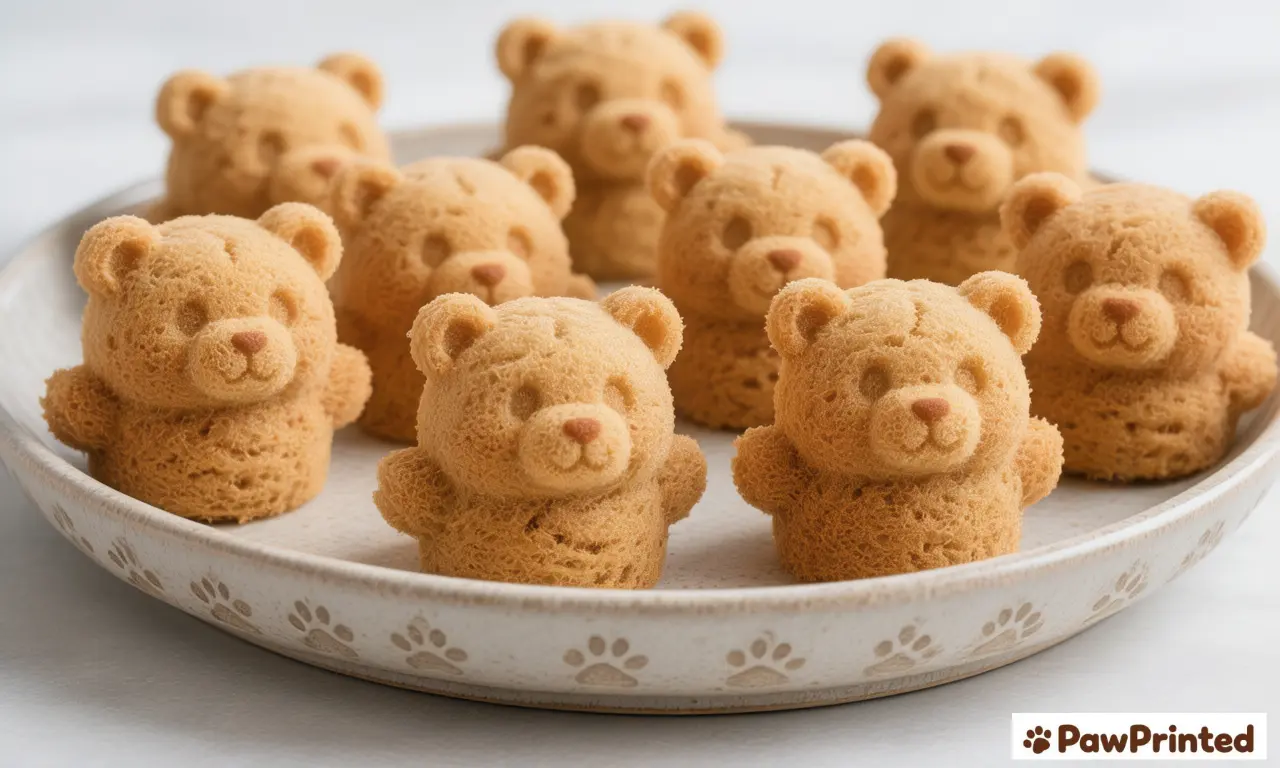
Apple & Pumpkin Fiber Mini Cakes
- – Mixing bowl
- Silicone spatula
- Mini muffin pan or small silicone molds
- Unsweetened apple puree
- Pumpkin puree or pumpkin powder mixed with warm water
- Organic oat flour
- A small amount of apple pectin powder
- Egg or extra puree for binding
- Stir the apple puree and pumpkin together in a bowl until the mixture is smooth and evenly combined.
- Sprinkle in the apple pectin powder and mix well, then fold in the oat flour until you get a thick but spoonable batter.
- Add egg or a little extra puree to keep the texture moist and cohesive without becoming dense or dry.
- Spoon into mini muffin cups or small molds, bake until softly set in the center, then cool fully before serving small sections.
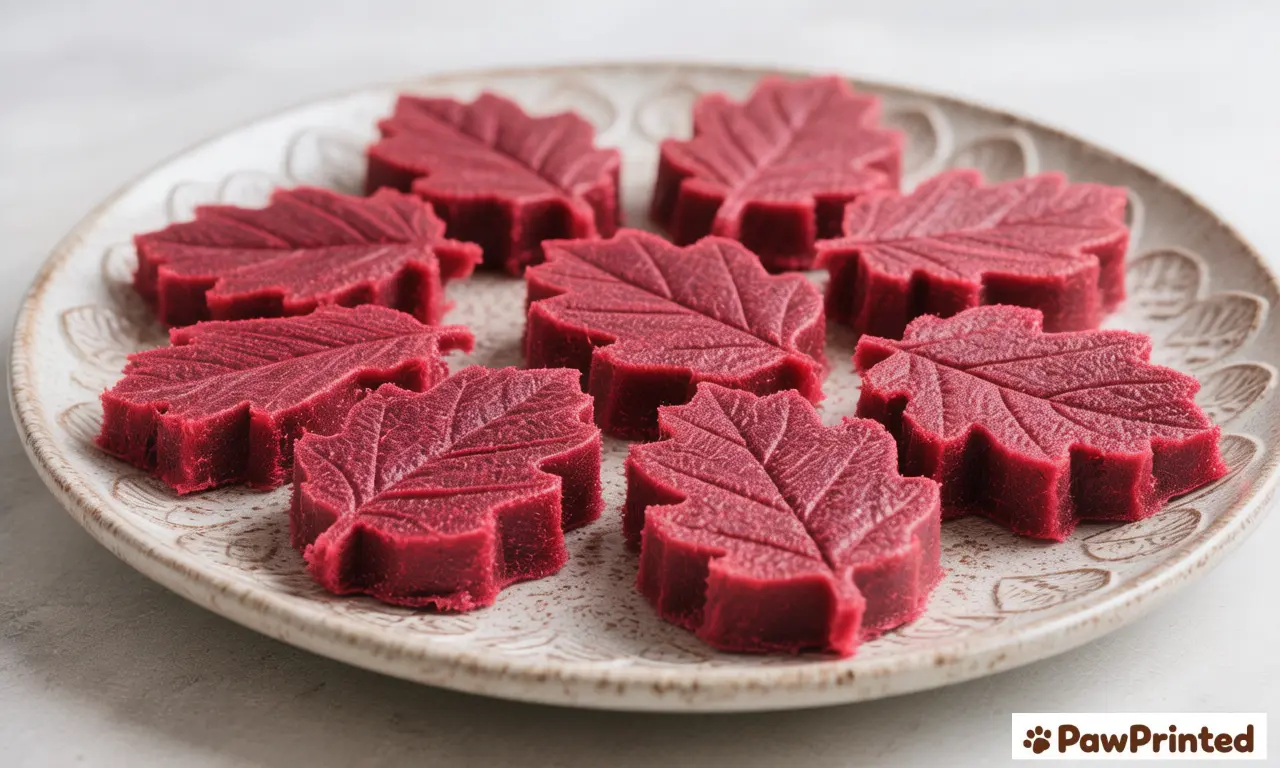
Pumpkin & Beetroot Red Digestive Soft Cubes
- – Mixing bowl
- Silicone spatula
- Small silicone cube mold
- Pumpkin puree or pumpkin powder mixed with warm water
- A small amount of beetroot powder
- Coconut flour or fine oat flour for light thickening
- A little banana mash or banana powder
- Warm water as needed for a pourable batter
- Whisk the pumpkin puree with a little warm water until the base looks smooth, then stir in the beetroot powder to create a soft red color.
- Fold in the coconut flour or oat flour gradually until the mixture thickens but can still be poured.
- Blend in a bit of banana mash or banana powder so the cubes have a mild, gentle sweetness without heavy sugar.
- Pour the batter into small silicone cube molds, bake or chill until set and bouncy, then serve one tiny cube at a time.
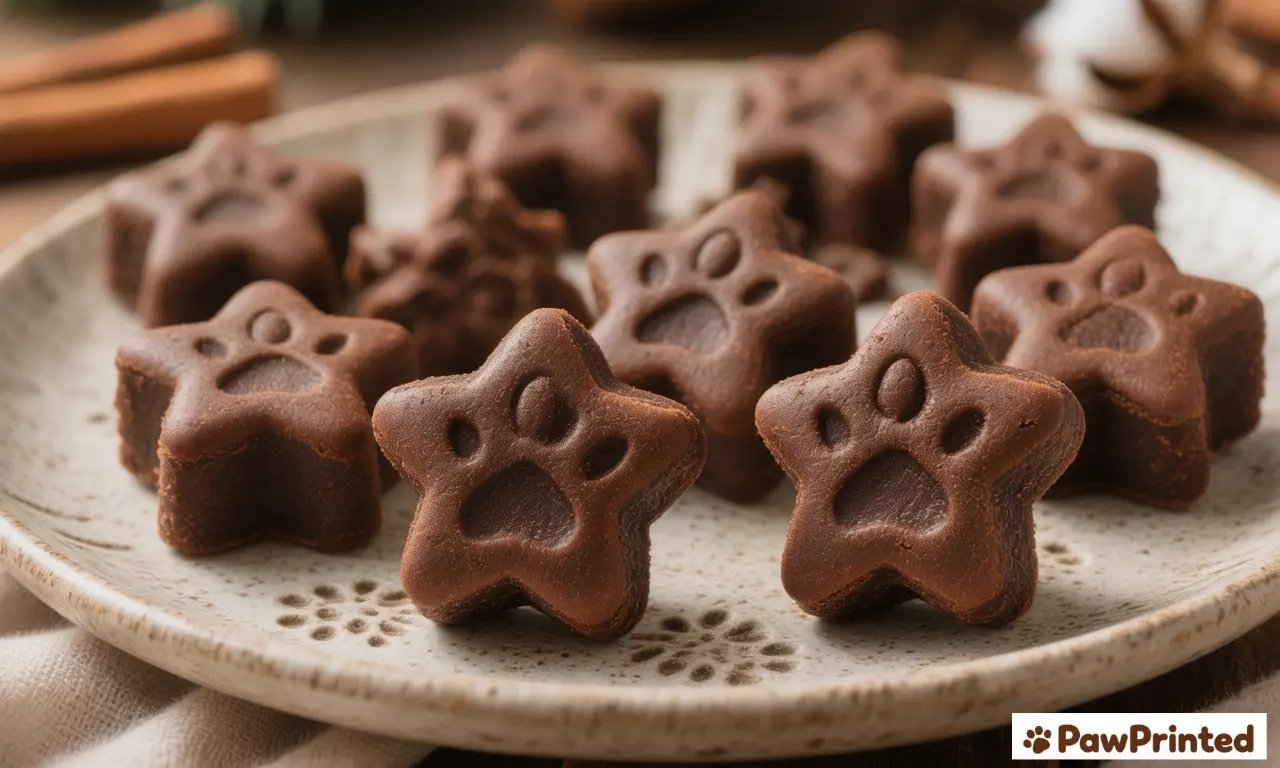
Banana & Ginger Easy Energy Treats
- – Mixing bowl
- Silicone spatula
- Lined baking tray
- Banana mash or banana powder mixed with warm water
- Oat flour or finely ground oats
- A very small amount of dog safe ginger powder
- Pumpkin puree or applesauce for extra moisture
- Mash the banana thoroughly or whisk banana powder with warm water until smooth and free of lumps.
- Stir in a little pumpkin puree or applesauce to keep the texture soft and moist rather than crumbly.
- Fold in the oat flour and a pinch of dog safe ginger powder, mixing until you get a soft dough that can be shaped with a spoon.
- Form small, flat pieces on a lined tray, bake at a low to moderate temperature until just set, then cool and break into tiny training size bites.
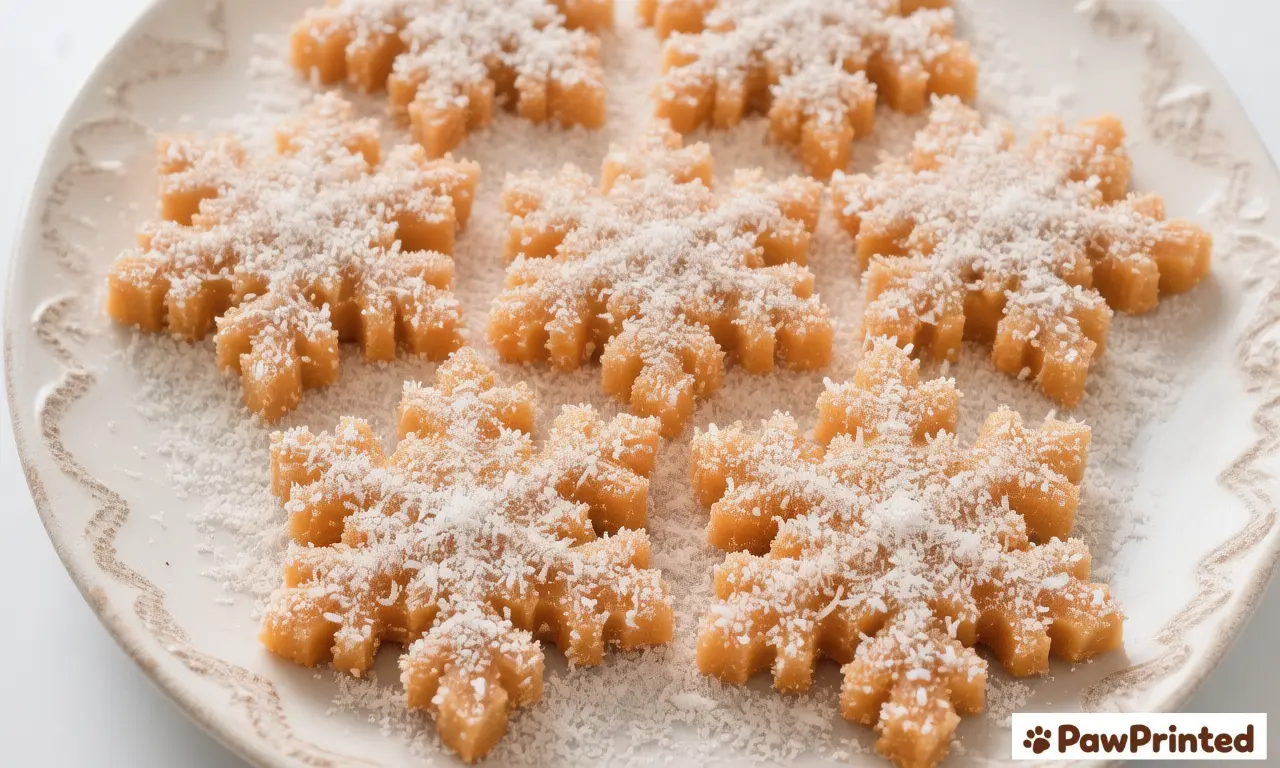
Sweet Potato & Coconut Snowflake Soft Treats
- – Mixing bowl
- Silicone spatula
- Snowflake holiday silicone molds
- Mash the cooked sweet potato until completely smooth then stir in a little warm water or broth to loosen the texture.
- Fold in the oat flour or coconut flour gradually until you have a thick but spoonable batter that holds shape in molds.
- Spoon the mixture into small snowflake silicone molds smoothing the tops gently with a spatula.
- Bake until the treats are just set but still soft inside let them cool fully, then sprinkle or press a few coconut flakes on top before serving.
- Mash the cooked sweet potato until completely smooth, then stir in a little warm water or broth to loosen the texture.
- Fold in the oat flour or coconut flour gradually until you have a thick but spoonable batter that holds shape in molds.
- Spoon the mixture into small snowflake silicone molds, smoothing the tops gently with a spatula.
- Bake until the treats are just set but still soft inside, let them cool fully, then sprinkle or press a few coconut flakes on top before serving.
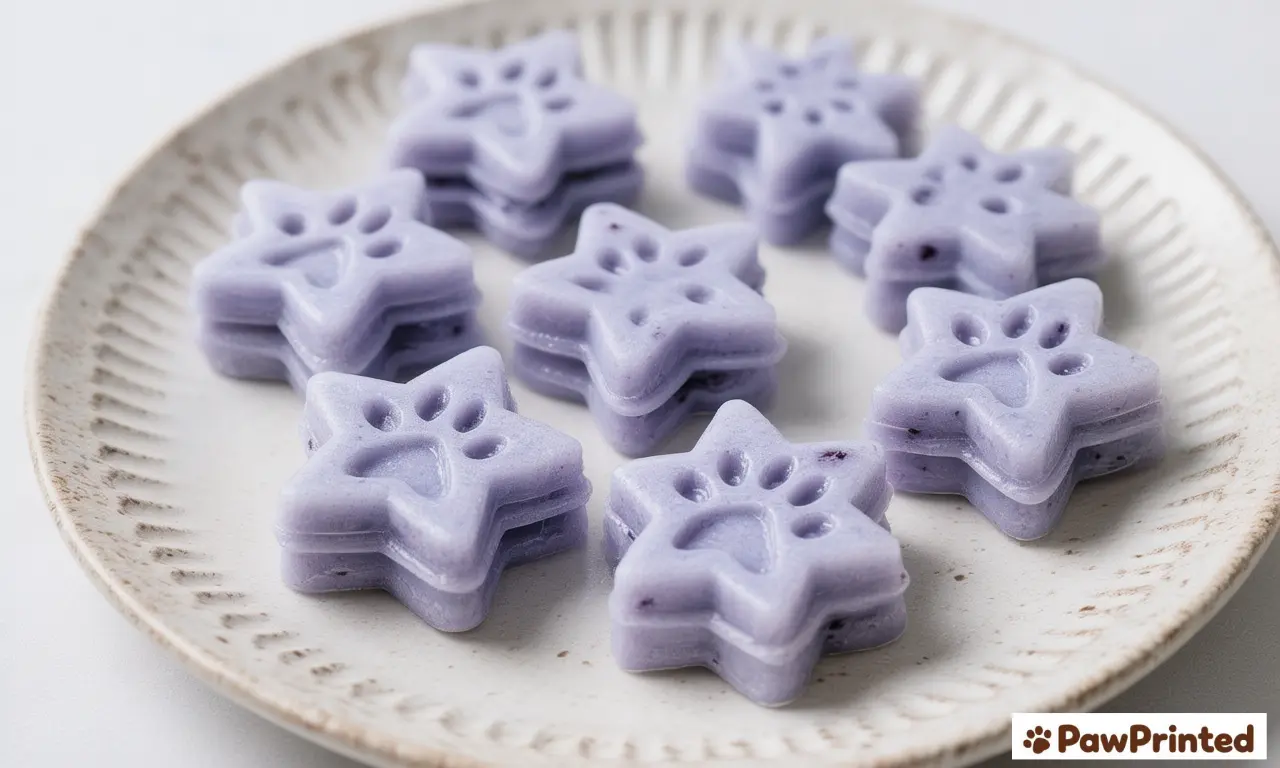
Blueberry & Yogurt Calm-Stomach Stars
- – Mixing bowl
- Silicone spatula
- Star silicone molds
- Plain Greek yogurt
- Goat milk powder with probiotics
- Blueberry puree or finely mashed blueberries
- Coconut flour for light thickening
- Warm water as needed to adjust texture
- Whisk the Greek yogurt and a small amount of goat milk powder together until the mixture looks silky and well combined.
- Stir in the blueberry puree until the color is even and the texture stays pourable rather than stiff.
- Sprinkle in a little coconut flour to give gentle structure, adding a splash of warm water if the mixture thickens too quickly.
- Pour into small star shaped molds and chill until firm, or bake very briefly for a slightly set texture, then serve as slow licking treats straight from the fridge.
Emma’s digestive notes from our kitchen
When Ethan has diarrhea, the whole kitchen slows down. I always start with a spoon of dehydrated pumpkin powder from Gourmanity because it melts into warm water in seconds and gives me gentle soluble fiber without opening a full can of puree. It is the one thing I can measure in tiny amounts and adjust day by day.
To keep every batch soft and soothing, I whisk in a little Australian Pet goat milk powder with probiotics. It turns simple mixtures into a silky, mild base that Ethan tolerates even when his stomach is touchy. For the main structure, I lean on Anthony’s organic oat flour because the fine texture keeps the treats soft instead of dense or crumbly.
When I need the batter to hold together without feeling heavy, I add a small sprinkle of Anthony’s apple pectin powder. It sets nicely in the fridge and lets me cut tiny, tidy cubes that are easy on his gut. And if his appetite is low, a pinch of MRM freeze dried banana powder adds just enough natural sweetness in the smell to make him walk back to the bowl.
For light protein support, I usually reach for the Northwest Naturals freeze dried turkey crumbles. They blend through the mix without big chunks and keep the fat level low, which matters a lot when his stool is loose. I pour most of these gentle batters into our reusable holiday silicone molds so each portion comes out as a tiny, cute shape he can finish easily.
And honestly, none of this works without my HOTEC silicone spatula set. Diarrhea friendly batters thicken fast, and these spatulas let me fold pumpkin and goat milk smoothly without losing moisture or overworking the mixture.
Together, these eight staples have become our quiet “recovery shelf.” On the days when Ethan’s stomach is fragile, having these powders, light proteins, molds, and tools within easy reach keeps the whole routine calm, predictable, and gently reassuring for both of us.
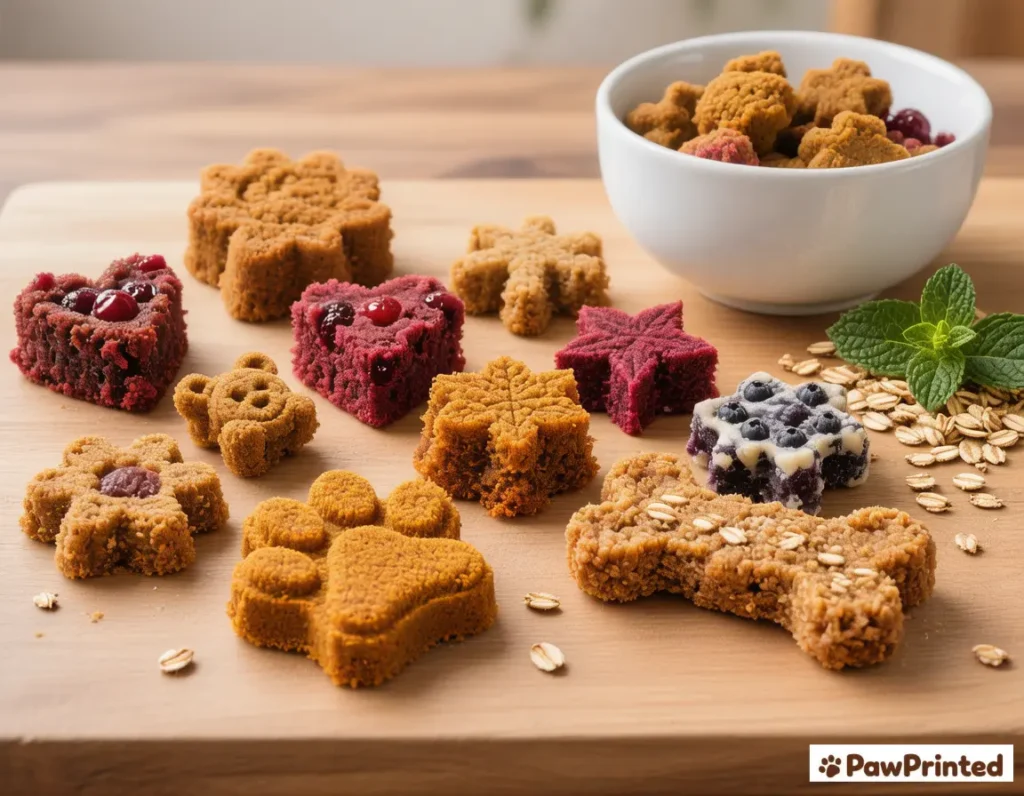
Key ingredients that actually help
Pumpkin for soluble fiber
Plain pumpkin is one of the most trusted helpers during digestive upsets. Its soluble fiber can absorb excess water in the gut and support more formed stools without locking things up completely. In these treats it appears as puree or fine pumpkin powder, so the texture stays smooth and easy to digest.
Gentle proteins like turkey
When diarrhea settles down a little, dogs still need protein to maintain muscle and strength. Lean turkey offers a softer, lower fat option than many red meats. In these recipes it is finely crumbled or used as freeze dried crumbles so it can be portioned in tiny, careful amounts.
Oats and sweet potato for steady energy
Oat flour and sweet potato provide slow, steady carbohydrates that are easier on the stomach than rich treats. Their natural fiber helps support stool consistency without sharp swings in blood sugar, which is especially important for tired or anxious dogs coming off a rough bout of diarrhea.
Probiotic goat milk and yogurt
A modest amount of probiotic goat milk powder or plain yogurt can help support a healthier gut microbiome. Used in small portions, these ingredients add moisture and a soothing mouthfeel. For more on this side of gut care, you can also read Best Dog Probiotics for Gut Health Guide .
Fruits with gentle fiber
Apples, blueberries, and banana show up as puree or powder rather than big chunks, so flavor spreads out without creating heavy pieces. Apple pectin and beetroot powder are used carefully to support stool texture and add natural color while keeping sugars in check.
How these treats support your dog daily
During diarrhea your dog’s gut lining is under stress, fluid balance is fragile, and appetite can be unpredictable. These treats are designed to slot into that sensitive window without overwhelming the system. Soluble fiber from pumpkin, oats, and apple pectin helps absorb extra water in the intestines, supporting better stool form while still allowing the body to clear whatever triggered the upset.
Gentle proteins like turkey and yogurt based mixtures allow you to reintroduce building blocks slowly, in tiny bites instead of full meals. This can be especially helpful when your vet recommends a bland diet but your dog is struggling with boredom or reduced appetite. Probiotic goat milk powder and cultured dairy add another layer by supporting a more balanced gut microbiome as things settle.
The goal is not to create “magic cure” snacks, but to give you a set of soft, practical options that match what a sensitive gut actually needs: low fat, limited ingredients, controlled portions, and calm textures. If you are also adjusting your main foods, High Fiber Dog Food Guide and Best Dog Food for Sensitive Stomach Guide can help you compare broader diet options.
Emma’s digestive notes from our kitchen
When Ethan has diarrhea, I do not stop treats completely, but I change the way I think about them. Instead of “rewards,” I treat them as small tools that help him feel normal again without overwhelming his stomach. Soft, cool textures and mild smells seem to calm him, so I lean on pumpkin, turkey, and yogurt based mixes more than crunchy biscuits or rich chews.
I also shrink everything. One mini snowflake or star can become three or four tiny bites that I spread through the day. That way Ethan still gets the feeling of being included whenever I walk into the kitchen, but his gut never has to deal with a large bolus of food at once. It is a slower, more patient kind of treating, and it has made a big difference in how smoothly he recovers.
The other shift for me was accepting that a “cute” shape is only useful if the ingredient list stays simple. Holiday molds and colors are fun, but I only lean into them when I know the recipe is still low fat, free from heavy dairy or chocolate, and built from the same gentle foods his main bowl uses on difficult days.
Vet review notes on treats for dogs with diarrhea
From a veterinary perspective, diarrhea is first a medical sign, not a flavor problem. Any dog with repeated loose stools, blood, vomiting, or visible discomfort needs a check in with a vet before new foods are added, even when those foods are homemade and gentle. Once serious causes are ruled out and a care plan is in place, carefully selected treats can fit into that plan as long as they stay modest and predictable.
The recipes in this collection avoid common troublemakers like excess fat, spicy seasoning, and heavy added sugars. They lean instead on soluble fiber sources, simple proteins, and small amounts of probiotic support. That said, even the best designed treat should not exceed around 5 to 10 percent of a recovering dog’s daily calories. Overdoing “safe” snacks can still prolong loose stools or mask a problem that needs more direct treatment.
If you ever notice your dog worsening after a new treat, pause the recipe and go back to your vet’s core recommendations. Keep a simple record of what you offered and when symptoms changed. This kind of quiet tracking usually tells us more than any single ingredient list and helps your vet decide whether to adjust food, add medications, or explore probiotics like the ones discussed in your broader Dog Probiotics Hub .
Vet summary card
For dogs with diarrhea, treats should act like soft, supportive side notes rather than starring roles. Focus on low fat, limited ingredient recipes built around pumpkin, gentle grains, and carefully chosen proteins, and offer them only in tiny portions. If loose stools persist beyond a day or two, or if there is any pain, blood, or lethargy, stop all treats and contact your veterinarian promptly to rule out infections, parasites, or more serious gut disease.
Emma x Vet conversation
Emma: When Ethan has diarrhea, I always feel guilty taking away his favorite snacks. Is it wrong to keep offering any kind of treat at all while we are managing it?
Vet: Not necessarily. The key is to change what “treat” means during that period. Soft, simple bites that match his bland diet can actually help with appetite and comfort, as long as they are very small and do not add extra fat or complex ingredients. Think of them as extensions of his recovery food instead of extras.
Emma: How do I know when a recipe is “too much” for that stage?
Vet: If it contains heavy dairy, cheese, butter, rich meat trimmings, or a long list of fruits and sweeteners, it is better saved for healthy days. During diarrhea, stick to a few familiar ingredients, offer one new treat at a time, and watch his stool and energy over the next 24 hours. Any clear setback is a signal to stop that recipe and let us reassess the bigger picture together.
Feeding notes for dogs with diarrhea
Even with gentle recipes, portion control is the rule that protects the gut while it heals. During active diarrhea phases, most dogs do best with small, frequent meals and very limited snacks. Offer one tiny piece of a new treat, then wait and observe stool, energy, and comfort before repeating. It is better to move slowly than to guess and overdo it because the batch looks harmless.
Temperature and texture matter, too. Many dogs find soft, slightly cool snacks easier to handle than hot, crunchy bites. Chilled yogurt based stars or very soft pumpkin cakes can encourage licking rather than gulping, which reduces the risk of further irritation. Always provide plenty of fresh water, and avoid combining these treats with rich chews or fatty table foods on the same day.
If your dog has a history of sensitive digestion, chronic disease, or is taking medication, check with your vet before introducing more than one new recipe from this list. Used thoughtfully alongside a stable main diet and, when appropriate, a probiotic plan such as the one described in Signs Your Dog Might Need Probiotics , these treats can become another gentle tool rather than a risk.
FAQ
Can homemade treats really help a dog with diarrhea?
Carefully designed homemade treats can support a dog with diarrhea, but they cannot replace proper veterinary care or a well planned main diet. When treats are low fat, limited in ingredients, and built around soluble fiber and gentle proteins, they may help stabilize stool texture and keep your dog more comfortable during recovery. The key is to treat them as small additions to a plan your vet already approves, not as a cure on their own.
Many dogs appreciate having something soft and tasty to look forward to while eating a bland diet, and that emotional comfort matters in real life. However, if you offer large portions, use rich ingredients, or experiment with too many recipes at once, you can easily prolong or worsen loose stools. If diarrhea lasts more than a day or two, or if your dog shows pain, blood, or lethargy, pause all treats and seek veterinary help before continuing.
How many digestive friendly treats can I give in a day?
For most dogs recovering from diarrhea, treats should make up no more than about 5 to 10 percent of their daily calories. That usually translates into very small pieces, even when the ingredient list looks gentle and simple. Spreading those pieces across the day, rather than offering them in one sitting, lets the gut handle small, steady inputs instead of a sudden load it may not be ready for.
Start with a single tiny portion of any new recipe and watch your dog’s stool, comfort level, and appetite over the next 24 hours before offering more. If everything holds steady or improves, you can keep that treat in the rotation at small amounts. If stools become looser again or other symptoms appear, stop that recipe immediately and return to your vet’s core feeding plan until things are back under control.
Is pumpkin always safe for dogs with diarrhea?
Plain pumpkin is often helpful for dogs with mild diarrhea, but it is not a one size fits all solution, and it is not safe to assume “more is better.” A modest amount of pumpkin can provide soluble fiber that absorbs extra water in the intestines and supports firmer stool. Too much can swing things the other way and contribute to softer stools or excess calories, especially in small dogs.
It is also important to use plain pumpkin puree or high quality pumpkin powder without added sugar, spices, or salt. Pumpkin pie filling and sweetened canned blends are not appropriate for dogs with gut issues. If your dog has diabetes, kidney disease, or a very sensitive digestive history, check with your vet about the right amount before making pumpkin based treats a regular part of their recovery plan.
Should I use probiotics with these diarrhea friendly treats?
Probiotics can be useful during and after diarrhea, but they work best when they are part of a structured plan rather than sprinkled in at random. Many vets recommend probiotic support to help rebalance the gut microbiome after infection, stress, or dietary mistakes. A modest amount of probiotic goat milk powder or a vet approved supplement, combined with a stable diet, can help the intestines settle more quickly in some dogs.
That said, not every dog needs the same strain or strength, and some may temporarily feel gassy when probiotics are introduced too fast. If you want to pair these treats with probiotic support, talk to your vet about timing, dose, and which product fits your dog’s health profile. Introduce only one new probiotic at a time and monitor stool, comfort, and appetite so you know whether it is helping or needs adjustment.
When should I stop all treats and call the vet instead?
You should stop all treats and contact your vet if your dog’s diarrhea lasts more than 24 to 48 hours, if you see blood, black tar like stool, repeated vomiting, marked pain, or any sign of weakness or dehydration. These are signals that something more serious than a simple food upset may be happening, and delaying care in those situations is risky. No homemade recipe, no matter how gentle, is appropriate when your dog is clearly unwell or declining.
It is also wise to call your vet quickly if your dog is very young, elderly, on chronic medication, or living with a condition such as kidney disease, diabetes, or pancreatitis. In those cases the margin for error is smaller and fluid loss matters more. Once your vet has evaluated the situation and given specific instructions, you can revisit gentle treats as part of a supervised plan rather than improvising while hoping the problem will pass on its own.
References — Authoritative Sources
- PetMD Editorial. “Diarrhea in Dogs: Causes and Treatment.” 2023. PetMD – Overview of common causes of canine diarrhea and standard treatment approaches.
- American Kennel Club. “Pumpkin for Dogs: Health Benefits and Feeding Tips.” 2022. AKC – Explains why pumpkin can help with stool quality and how to feed it safely.
- Tufts University Cummings School of Veterinary Medicine. “Feeding Dogs with Gastrointestinal Disease.” 2021. Tufts Vet Nutrition – Discusses diet strategies for dogs with chronic or acute digestive issues.
- Hill’s Pet Nutrition. “Probiotics for Dogs: How They Help Digestive Health.” 2020. Hill’s Pet – Reviews how probiotics may support dogs with diarrhea and sensitive stomachs.
- National Institutes of Health. “Dietary Fiber and the Human Gut Microbiome.” 2019. NIH PMC – Explores the effects of soluble fiber on gut ecology, with concepts applicable to canine nutrition.
- Frontiers in Veterinary Science. “Use of Synbiotics in Dogs with Acute Diarrhea.” 2020. Frontiers in Veterinary Science – Presents research on probiotic and prebiotic combinations for dogs experiencing acute diarrhea.
Explore more gentle gut guides
If you are still building a full plan around these treats, here are a few next steps that pair well with soft, digestive friendly snacks. Each guide opens in a new tab so you can keep this recipe collection handy.
Dog Food for Diarrhea Guide
Learn how to structure bland meals, when to add fiber, and which red flags mean it is time to call your vet rather than tweak food alone.
Sensitive Stomach Dog Food Guide
For dogs who seem to bounce between soft stools and picky eating, this guide walks through long term feeding strategies and food choices.
Dog Probiotics and Gut Health
Explore when probiotic support makes sense, how to spot signs your dog might benefit, and what to discuss with your vet before starting.
PawPrinted Affiliate Disclosure
PawPrinted may earn a small commission when you purchase through the links on this site.
There is no extra cost to you.
Every product we mention is selected based on safety, ingredient quality, and real use in Emma and Ethan’s daily routine.
We only recommend items that meet our independent standards for dog health, digestibility, and home cooking reliability.