When the air turns crisp, my kitchen smells like toast, honey, and a whisper of cinnamon. Ethan perks up the moment that cozy aroma shows up. I keep these cookies light, gently sweet, and winter-friendly so we can train without overdoing calories. If you’re new to homemade snacks, skim our
Homemade Dog Treats Guide for safe temps, storage, and portion basics before you bake.
Ingredient Spotlight – Why Honey & Cinnamon Work in Winter
Honey
Natural sweetness with a comforting aroma that makes small training cookies feel special. Use modestly to keep calories in check, and always choose pure honey.
Cinnamon (Ceylon preferred)
Warm spice note tied to seasonal baking. In tiny amounts it can be part of a cozy winter profile; keep dosage light and even for sensitive pups.
Oat Flour
Gentle, grain-inclusive base with soluble fiber for tidy texture and even drying.
Egg
Protein binder that helps the dough set into crisp, uniform shapes for consistent portions.
Omega Balance (Optional)
For winter joint comfort, I sometimes finish a serving with a tiny drizzle of
Iceland Pure Unscented Salmon Oil for Dogs to round out fatty acids without changing the bake.
Ingredients You’ll Need
Oat flour – 1 to 1 1/4 cups
Add gradually for a firm, non-sticky dough that holds edges.
Pure honey – 2 tbsp
Just enough for a gentle aroma and light sweetness.
Egg – 1
Provides structure so small cookies pop out cleanly.
Ceylon cinnamon – 1/4 to 1/2 tsp
Use lightly and mix evenly; keep it subtle.
Shaping tool (optional)
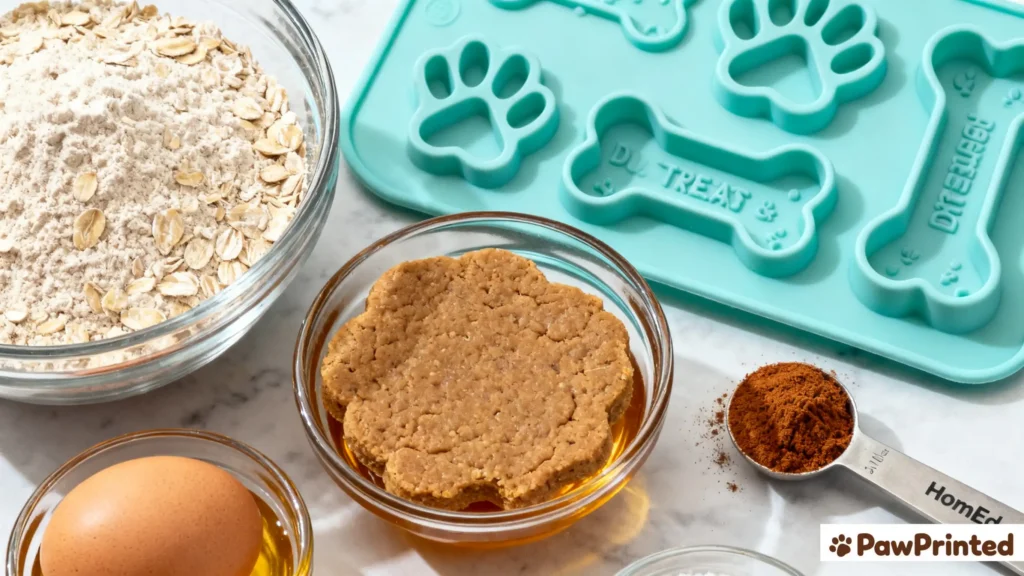
Press dough into the
homEdge Silicone Paw & Bone Dog Treat Mold for adorable, uniform mini cookies.
Accuracy helper (optional)
Honey is sticky – weighing is easier. See picks in
8 Best Scales & Measuring Tools for Homemade Dog Food.
Step-by-Step Cooking Guide
1) Set the tone
Preheat to 150–160°C (300–320°F). Line a baking sheet or use a reliable pan (see
8 Best Nonstick Pans for Cooking Homemade Dog Food) to keep edges crisp without sticking.
2) Mix dry
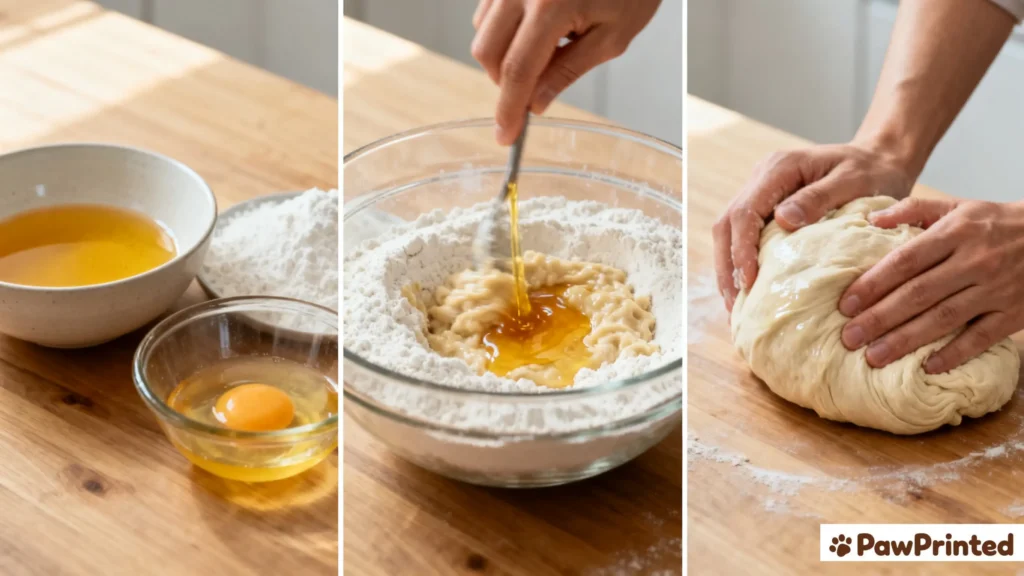
Whisk oat flour with cinnamon until the spice is evenly distributed. This prevents hot spots and keeps flavor balanced in tiny cookies.
3) Add wet
Stir in honey and egg. Add extra oat flour as needed until a firm, non-tacky dough forms. It should press cleanly and hold shape.
4) Shape neatly
Press into a silicone mini mold for uniform portions. I love the
paw-and-bone mold – fast to fill, fast to release.
5) Bake low and even
Bake 18–25 minutes, depending on size. Light color is perfect; honey browns quickly if overdone. Check doneness near the center with a slim thermometer from
6 Best Kitchen Thermometers for Homemade Dog Food.
6) Cool & store dry
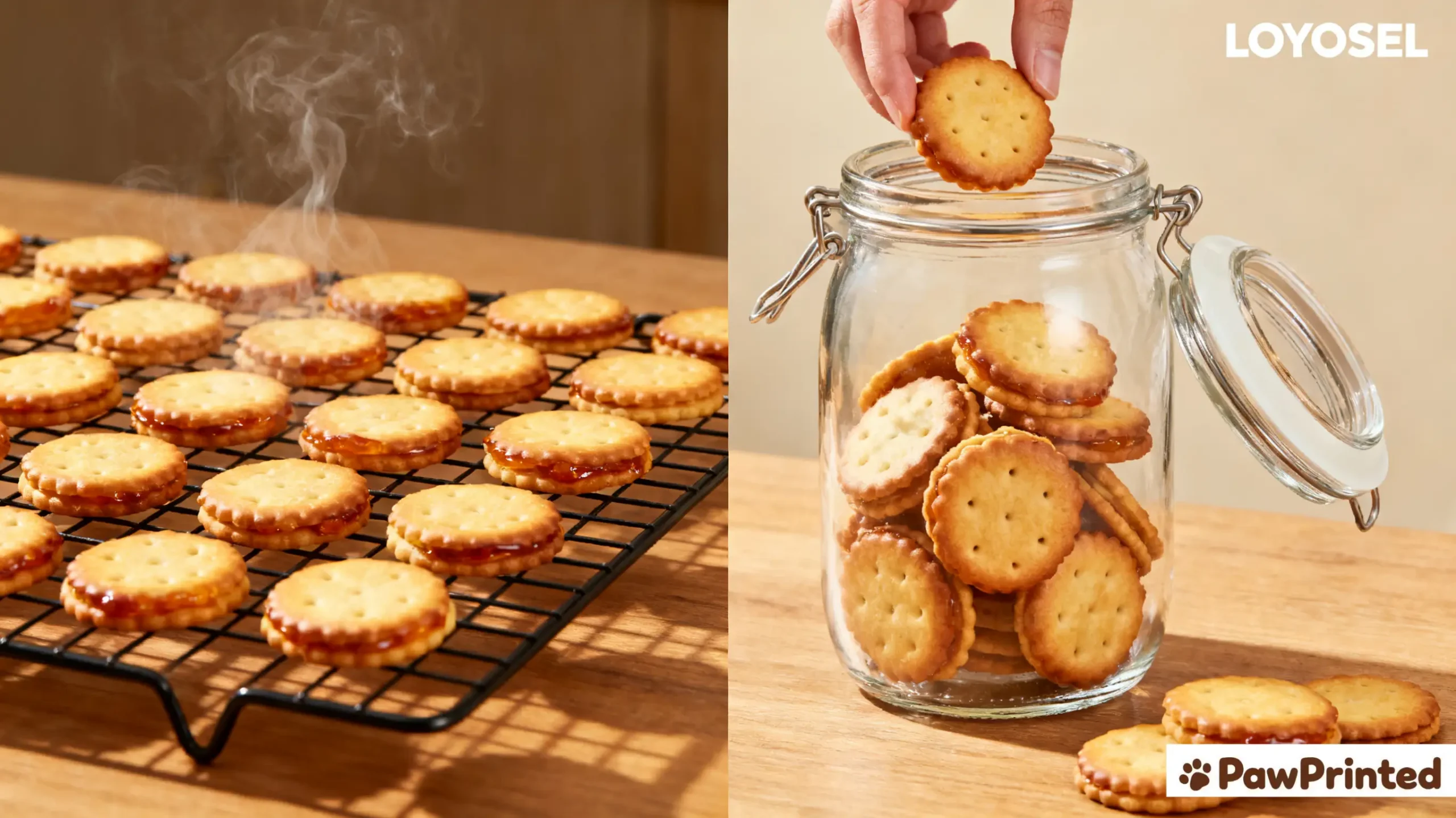
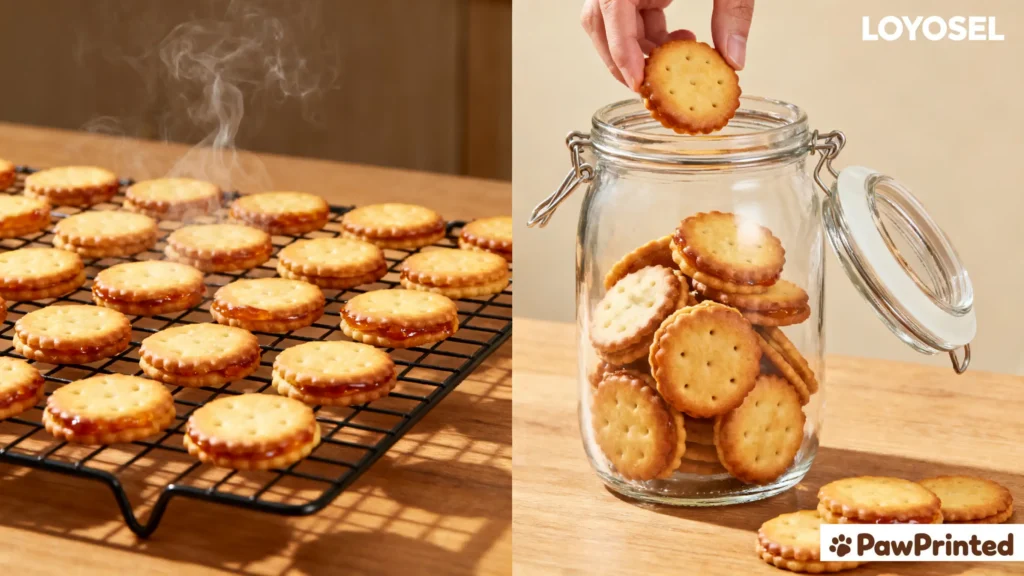
Cool fully on a rack, then store in an airtight jar such as the
LOYOSEL Dog Treat Container to protect crunch and aroma.
Honey & Cinnamon Dog Treats Recipe (Winter Cozy Cookies)
- Mixing bowl & spatula
- Baking sheet or nonstick pan
- Silicone paw-and-bone mold
- Cooling rack
- Airtight storage container
- Kitchen thermometer
- Measuring scale (8 Best Scales & Measuring Tools for Homemade Dog Food)
- 1 to 1 ¼ cups 120–150 g oat flour
- 2 tbsp pure honey
- 1 large egg
- ¼ –½ tsp Ceylon cinnamon avoid Cassia type
- 1 tsp olive oil optional
- Water as needed for dough consistency
- Optional finish
- Tiny drizzle of Iceland Pure Unscented Salmon Oil for Dogs for Omega-3 balance
- structions
- Preheat oven to 150–160 °C (300–320 °F). Line a sheet or use a nonstick pan (Best Nonstick Pans for Cooking Homemade Dog Food).
- Mix dry ingredients – Combine oat flour and cinnamon until evenly blended.
- Add wet ingredients – Stir in honey, egg, and olive oil. Add extra flour as needed to form a firm, non-sticky dough.
- Shape – Press into the homEdge Silicone Paw & Bone Dog Treat Mold or cut small coins. Uniform size ensures even baking.
- Bake slow & steady – 18–25 minutes until light golden. Check temperature with a thermometer (Best Kitchen Thermometers for Homemade Dog Food) to avoid over-browning the honey.
- Cool and store – Let cool completely on a rack. Store in an airtight jar like the LOYOSEL Dog Treat Container Airtight Storage.
• Texture control: Softer cookies – bake shorter (18 min). Crunchier ones – bake longer (25 min + 5 min rest in oven).
• Storage: Cool completely before sealing. Room temp 7–10 days; refrigerate 10 days; freeze 1–2 months.
• Joint routine: Pair a cookie with a daily PupGrade Joint Support Chew for extra anti-inflammatory benefit.
• Cozy moment: While cooling, Ethan relaxes on his FurHaven Thermo Snuggly Heated Dog Blanket – our winter ritual of warm paws and sweet air.
• Reminder: If you don’t want to cook daily, check our dry food picks — those were Ethan’s daily backups.
Nutritional Data & Vet Insights
Light & seasonal
Tiny bites with a cozy scent make winter training fun without heavy calories.
Balanced sweetness
Honey is used modestly for flavor; keep total daily energy in check, especially for small or senior dogs.
Gentle texture
Oat flour supports even drying and a crumb that works for most dogs.
Omega routine (optional)
For winter joints, pair a cookie with a daily
PupGrade Joint Support Chew; add a tiny drizzle of
salmon oil right before serving when desired.
Vet Tips & Variations
Keep spice subtle
Use Ceylon cinnamon lightly and mix thoroughly. Start tiny for sensitive pups and watch for GI changes over 48–72 hours.
Senior-friendly bake
Shorten the bake slightly for a softer cookie. Smaller shapes help with portion control.
Grain work-around
Swap oat flour for coconut or pea flour if grains are an issue; test a mini batch first.
Weight control
Stick to mini molds and count treats toward the 10% daily calories rule.
Introduce spice slowly, keep pieces small, and adjust for your dog’s size, age, and activity. Treats support routines but don’t replace complete meals.
Serving Ideas & Storage
I use these as winter training cookies or after-walk rewards. Cool fully, then seal in an airtight jar like the
LOYOSEL container so the honey aroma stays bright. Room temp: about 7–10 days if dry-baked; refrigerate up to 10 days; freeze up to 1–2 months. If you’re organizing the pantry, browse
10 Best Dog Food Storage Containers for tidy setups.
While trays cool, Ethan curls up on his
FurHaven Thermo Snuggly Heated Dog Blanket by the window – warm paws, warmer heart.
What Worked for Ethan
Shaping joy
The
paw-and-bone silicone mold makes adorable cookies that pop out fast.
Freshness routine
We cool completely, then store in the
LOYOSEL airtight container so crunch survives our whole week.
Winter balance
On stiffer days he gets a daily
joint chew and sometimes a tiny drizzle of
salmon oil before a cookie.
Cozy cooldown
While the last batch dries, he naps on his
heated blanket in a sun spot.
FAQ
Is cinnamon safe for dogs in homemade treats?
In tiny amounts and with the right type (Ceylon preferred), yes. Keep it subtle and mixed evenly so the flavor is gentle and your dog isn’t overwhelmed.
Cassia cinnamon contains more coumarin, so I favor Ceylon for treat recipes. Regardless of type, start low and watch for any GI changes. Avoid letting dogs inhale loose powder – it can irritate airways.
Tip: begin with 1/4 teaspoon per batch for small molds and adjust only if your dog tolerates it well.
Can dogs have honey in cookies?
In modest amounts for healthy adult dogs, yes. Honey offers aroma and light sweetness that help tiny cookies feel rewarding.
Use pure honey and keep portions small so daily calories stay on track. For puppies, diabetic dogs, or those on strict diets, check with your vet first. If a cookie ever feels tacky after storage, dry it briefly or discard.
Tip: weigh honey for accuracy so batches stay consistent.
What temperature and time work best for honey & cinnamon?
Low to moderate heat protects flavor and helps even drying. Aim for 150–160°C (300–320°F) for about 18–25 minutes.
Honey browns fast if the oven runs hot. Smaller shapes finish sooner. For extra crispness, switch the oven off and let trays rest 10–15 minutes with the door slightly ajar.
Tip: keep thickness and cavity size consistent for predictable results.
How should I store these cookies?
Cool completely, then keep them dry and airtight. If sealed while warm, condensation softens texture and shortens shelf life.
At room temperature, dry-baked pieces last about 7–10 days. Refrigeration gets you to roughly 10 days; freezing extends to 1–2 months. Discard cookies that smell sour, feel sticky, or show spots.
Tip: label jars or bags with the bake date so you rotate easily.
Are these cookies okay for grain-sensitive dogs?
They can be adapted. Swap oat flour for coconut or pea flour and test a mini batch first to gauge tolerance.
Introduce any new version slowly over 48–72 hours and watch stools, skin, and energy. If your dog has a history of strong reactions, ask your vet before changes.
Tip: keep cookies very small when testing new flours.
Wrapping It Up
A tiny cookie, a big cozy vibe – that’s our winter rhythm. If you’re stuck, start with gentle wet food, then move to steady dry picks. Tell me which shape your pup loved most this season.
Author & Vet Review Notes
Emma – Founder & Dog Mom: The scent alone makes training feel festive. Mini molds help me stay honest with portions on slower winter walks.
Reviewed by Dr. Lydia Harper, DVM: Subtle spice and small portions can suit many healthy dogs. Keep total calories controlled and avoid over-spicing; treats complement, not replace, balanced meals.
References — Authoritative Sources
- Cinnamon Use in Dogs (2024) – Veterinary context – Why tiny amounts and correct type matter for safety and tolerance.
- Honey in Canine Diets (2023) – Nutrition overview – When modest use fits into balanced feeding plans.
- Grains & Oat Flour in Dogs (2023) – AKC / Vet sources – Sensible grain use and fiber notes for treats.
- Portion Control & Weight Management (2024) – Tufts Vet Nutrition – Treat calories and joint comfort across winter.
- Baking Safety for Homemade Treats (2024) – PetMD – Temperature, storage, and spoilage checkpoints.
Explore More
More cozy bakes and winter-friendly snacks: