I never thought I’d be the kind of dog mom who meal-preps, but when Ethan’s stomach started reacting badly to store-bought kibble, I had to find a gentler option. Chicken and beef were too rich for him, leaving his coat dull and his appetite inconsistent. That’s when our vet suggested lamb — a soft, nutrient-dense protein that many sensitive dogs tolerate better.
This homemade lamb dog food recipe (quinoa & carrot, vet approved) became our quiet breakthrough. It’s simple enough for weekday prep, but nourishing enough to help Ethan regain his shine and energy. The combination of lean lamb, fluffy quinoa, and sweet carrot balances protein, fiber, and vitamins — making it ideal for dogs with mild allergies or sensitive digestion.
If you’re curious about how lamb compares to other proteins, take a look at our Is Lamb Good for Dogs? – What Vets Usually Say (Full Guide). It explains when lamb helps, when it doesn’t, and how to transition safely without upsetting your pup’s stomach.
Ingredient Spotlight — Why Lamb, Quinoa & Carrot Work So Well
Every ingredient in this recipe has a clear purpose — not just flavor. When I built this homemade lamb dog food recipe, I wanted something Ethan could digest easily while still getting complete nutrition. Lamb provides high-quality protein and natural iron, quinoa adds steady energy and essential amino acids, and carrots deliver vitamins for eye and skin health.
🥩 Lamb — Gentle, Iron-Rich Protein
Lamb is soft on digestion and rich in zinc and iron, which help maintain muscle tone and a healthy coat. Compared with chicken or beef, it’s less likely to trigger food sensitivities and keeps picky eaters engaged at mealtime.
🌾 Quinoa — Complete & Gluten-Free
This ancient grain gives slow-burning carbs and plant protein, supporting balanced blood sugar and energy. It’s easy on sensitive stomachs and works well as a low-allergen alternative to rice or oats.
🥕 Carrot — Fiber & Natural Sweetness
Carrots add gentle sweetness plus beta-carotene for skin and immune support. They also contribute fiber, helping stools stay firm and consistent — something every dog parent quietly appreciates.
If you’d like to learn more about why lamb performs so well as a base protein, our Lamb Dog Food Guide – Why It’s a Gentle Protein Choice walks through the nutritional science behind this combo. It’s a great reference before cooking your first batch at home.
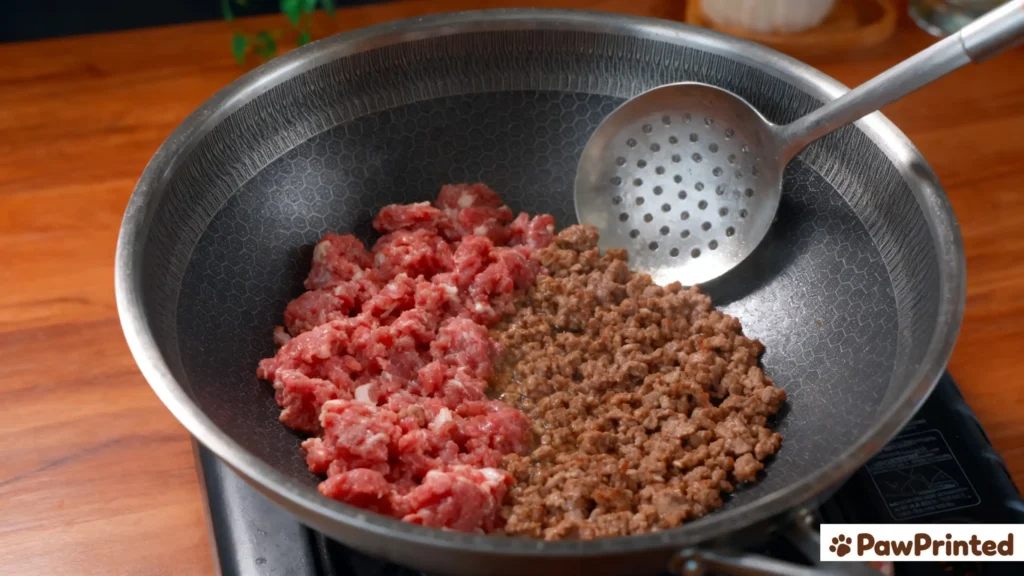
Ingredients You’ll Need
When I cook this homemade lamb dog food recipe, I focus on clean, whole ingredients with no added salt or seasoning. Everything here can be found in a regular grocery store or online through trusted dog-safe brands. The goal is to keep it simple, digestible, and balanced enough for daily feeding.
Lean Ground Lamb — 1 lb (450 g)
Choose grass-fed, low-fat lamb when possible. It gives a smoother texture and reduces excess grease. For quick prep days, I sometimes alternate with a ready-made formula like go/nutrisource-lamb-meal, which mimics homemade nutrition.
Cooked Quinoa — 1 cup
Rinse thoroughly before cooking to remove saponins that can cause bitterness. Quinoa gives light, fluffy texture and extra plant protein for complete amino acid balance.
Chopped Carrots — 1 cup
Dice finely or grate for better absorption. Carrots are high in fiber and beta-carotene, perfect for dogs with dull coats or mild allergy-related dryness.
Olive Oil — 1 tsp
Just a drizzle adds essential fatty acids and helps nutrient absorption. Avoid adding salt, garlic, or onions — they’re harmful to dogs even in small amounts.
Optional Supplements
A calcium source (like ground eggshell powder) keeps the recipe complete, and a vet-approved multivitamin ensures long-term balance. I use small prep trays such as go/hknmtt-freezer-mold to portion meals neatly after cooking.
For a deeper look at how to select dog-safe ingredients, the Limited Ingredient Lamb Dog Food Guide explains what to include — and what to avoid — when cooking for sensitive pups.
Step-by-Step Cooking Guide
This recipe is easy to follow and takes less than 40 minutes from start to finish. I cook everything in one pan to keep cleanup minimal. Each step is designed to preserve nutrients and flavor while staying safe for dogs with sensitive digestion.
Step 1 — Prep the Ingredients
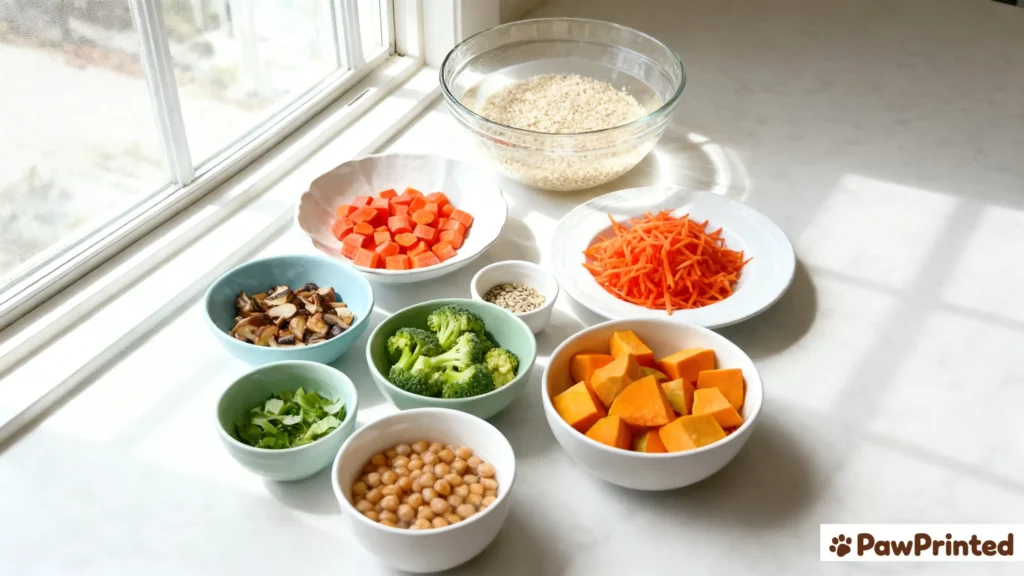
Rinse the quinoa thoroughly and soak it for 10 minutes to remove the natural coating that can irritate the stomach. Chop the carrots into small cubes or grate them for better absorption. I like keeping everything portioned in small prep bowls — it helps me move faster and prevents overcooking.
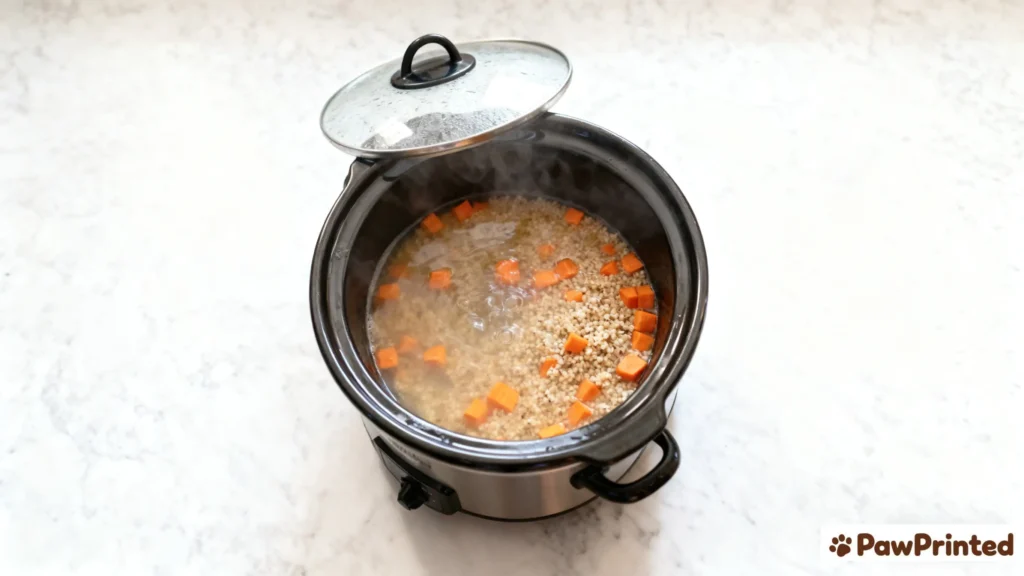
Step 2 — Brown the Lamb
In a nonstick skillet or pot, cook the lean ground lamb over medium heat until it’s no longer pink, stirring occasionally. Drain any excess fat and avoid salt or spices. If you prefer a milder, lower-fat variation, check our Lamb & Rice Dog Food Recipe (Sensitive Stomach Friendly) for a gentler version.
Step 3 — Simmer the Base
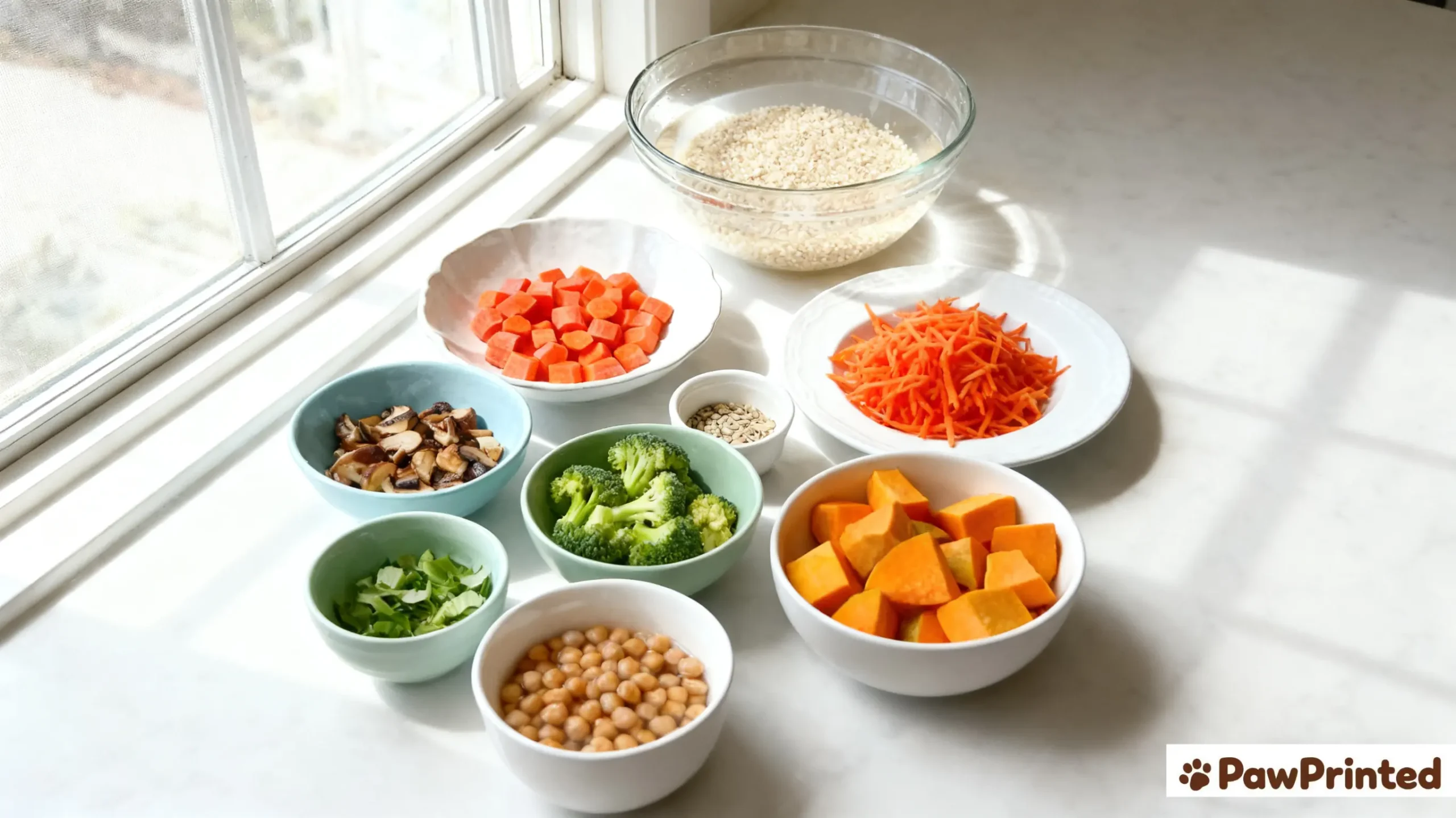
Add 2 cups of water and bring to a gentle simmer. Mix in the rinsed quinoa and chopped carrots, stirring to combine. Cook covered for 20 minutes until the quinoa turns fluffy and the carrots soften. Stir occasionally to prevent sticking and make sure the mix stays moist.
Step 4 — Add Healthy Fats
Once the mixture cools slightly, drizzle in olive oil to preserve nutrients and enhance flavor. This also helps with omega absorption and adds a light sheen to the food. You can mix in calcium powder or a vet-approved multivitamin at this point to round out nutrition.
Step 5 — Portion for Storage
Let the mixture cool completely, then transfer it into silicone freezer molds such as the HKNMTT Silicone Dog Food Freezer Mold. I usually prepare a week’s worth at once — the cubes pop out easily and make defrosting individual servings simple.
Step 6 — Serve & Observe
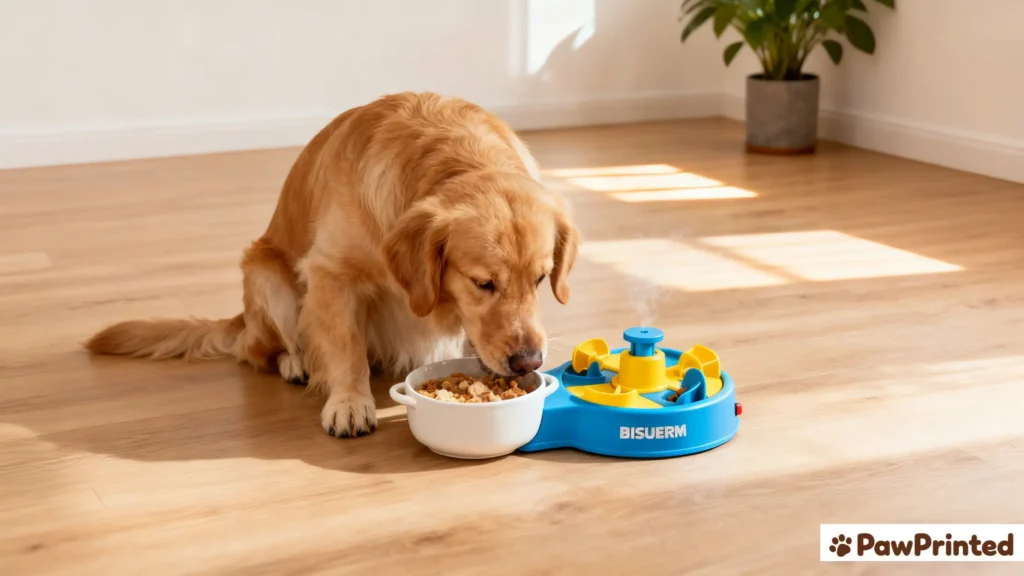
Thaw a portion overnight in the fridge and serve slightly warm. Observe your dog’s appetite and stool over a few days — gradual transitions work best. Ethan enjoys eating from his BSISUERM Adjustable Dog Treat Dispenser & Enrichment Toy during meals, which slows his eating and keeps digestion steady.
For a deeper understanding of why lamb works so well in gentle diets, read our Lamb Dog Food Guide — it covers the key nutritional benefits behind this protein choice.
Homemade Lamb Dog Food Recipe (Quinoa & Carrot, Vet Approved)
- Nonstick skillet or medium pot
- Mixing spoon and bowl
- HKNMTT Silicone Dog Food Freezer Mold (for easy meal portioning)
- BSISUERM Adjustable Dog Treat Dispenser & Enrichment Toy (optional slow-feeding tool)
- 1 lb 450 g lean ground lamb (grass-fed preferred)
- 1 cup cooked quinoa rinsed before cooking
- 1 cup finely chopped or grated carrots
- 1 tsp olive oil
- 1 tsp calcium supplement or ground eggshell powder
- 1 vet-approved multivitamin supplement
- Rinse & Prep – Rinse quinoa thoroughly and soak for 10 minutes to remove bitterness. Finely chop or grate carrots for better texture and absorption.
- Cook the Lamb – In a nonstick skillet, brown the ground lamb over medium heat until no longer pink. Drain excess fat and avoid adding any salt or seasoning.
- Simmer the Base – Add 2 cups of water, quinoa, and carrots to the pot. Simmer covered for 20 minutes until the quinoa becomes fluffy and carrots are tender.
- Add Healthy Fats & Supplements – Cool slightly, then mix in olive oil, calcium powder, and a multivitamin to round out nutrition.
- Portion & Freeze – Once fully cooled, spoon the mix into silicone trays (such as HKNMTT Silicone Dog Food Freezer Mold) and freeze.
- Serve & Observe – Thaw portions overnight in the fridge and serve slightly warm. Observe your dog’s digestion and adjust portions gradually.
For days when you can’t cook, try NutriSource Adult Lamb Meal & Rice Formula Dog Food — it’s balanced, gentle, and Ethan’s favorite backup option.
Introduce the recipe gradually (25% homemade + 75% old diet) to ensure smooth transition.
Nutritional Data & Vet Insights
One of the reasons I love this homemade lamb dog food recipe is that it naturally balances protein, fiber, and healthy fats without any fillers or preservatives. Ethan’s vet confirmed that this formula meets the daily needs of most adult dogs when paired with a calcium source and a multivitamin. Here’s what makes each nutrient shine:
Protein — Repair & Strength
Lamb provides complete, high-quality amino acids that repair muscle tissue and keep energy steady throughout the day. It’s easier on digestion than chicken for many dogs with sensitivities.
Healthy Fats — Skin & Coat Support
Olive oil and lamb fat provide omega fatty acids that improve skin elasticity and add natural shine to the coat. They also make the food more palatable for picky eaters like Ethan.
Fiber — Gut Health & Satiety
Carrots contribute soluble fiber that helps regulate bowel movements and maintain consistent stool texture. It keeps Ethan satisfied without overfeeding or bloating.
Iron & Zinc — Immune Strength
Lamb’s natural iron and zinc content boost red blood cell production and immune defense. Vets often recommend lamb-based diets for dogs recovering from illness or weight loss.
Carbohydrates — Energy & Balance
Quinoa acts as a slow-release carb, providing stable energy without heavy starch. It supports active dogs and those that need a light but complete diet.
Moisture — Hydration from Food
The simmering method naturally traps water in the mix, keeping the meal moist and helping hydration. For picky drinkers, this makes a noticeable difference in overall wellbeing.
If you’re curious how lamb stacks up nutritionally against other proteins, our Lamb vs Chicken Dog Food Guide – Which One Should You Pick? compares digestibility, fat levels, and nutrient density based on real vet data.
Always check with your vet before making permanent dietary changes — every dog’s metabolism and nutrient absorption are unique. Ethan’s success came from gradual testing and regular check-ins with our clinic nutritionist.
Vet Tips & Variations
Before I settled on this exact homemade lamb dog food recipe, our vet helped me fine-tune a few adjustments to fit Ethan’s age, energy level, and digestion. Lamb is a rich, highly bioavailable protein, but the balance of fat, calcium, and vitamins makes all the difference for long-term health. Here’s what our vet recommends for different needs:
🐾 Sensitive Stomach Dogs
Stick to lean lamb cuts and avoid excess oil or dairy. For pups with mild diarrhea or loose stools, blend half lamb with a mild carb like rice. Our Lamb & Rice Dog Food Recipe is a great gentle variation that helps stabilize digestion without losing nutrients.
⚖️ Weight Management
Use a lower fat ratio — trim visible fat before cooking and avoid adding oils. Substitute half of the lamb with cooked lentils or pumpkin puree to create a lighter meal. On busy days, you can rotate with a balanced dry option like NutriSource Adult Lamb Meal & Rice Formula Dog Food, which mirrors this recipe’s nutrient balance without extra calories.
🌾 Allergy-Prone Dogs
Lamb is often considered a “novel protein,” meaning fewer dogs are allergic to it. Keep the ingredient list short — lamb, quinoa, carrot, and olive oil are usually safe. For comparison, our Limited Ingredient Lamb Dog Food Guide shows how commercial formulas handle allergy-safe profiles.
👴 Senior or Low-Activity Dogs
Older dogs benefit from moderate protein and higher moisture. Serve smaller portions more frequently and ensure soft texture by adding extra water or broth. For easy rotation, try a pasture-raised grain-free formula like Open Farm Pasture-Raised Lamb Dog Food — it’s gentle, clean, and highly digestible.
🐕 Active or Working Dogs
Increase lamb content slightly for higher protein and iron levels. Add small amounts of boiled egg or sardine once a week for natural taurine. This version boosts recovery after exercise and helps maintain lean muscle mass without overloading the stomach.
Always introduce changes gradually — even mild recipes like this one can cause temporary stool variation if switched too quickly. Mix 25% new food into the old diet every 2–3 days until your dog fully adapts.
Serving Ideas & Storage
Once your homemade lamb dog food cools, it’s time to portion, store, and serve it safely. I prefer prepping in weekly batches — it saves time, prevents spoilage, and keeps every meal fresh. This recipe freezes beautifully and reheats quickly for stress-free feeding.
🧊 Portion & Freeze
After cooling completely, spoon the mix into silicone trays such as the HKNMTT Silicone Dog Food Freezer Mold. Once frozen, pop out individual cubes and store them in an airtight container. Each cube equals one small meal — perfect for dogs under 20 lbs or as a topper for larger breeds.
🔥 Thaw & Serve Warm
Thaw the frozen cubes overnight in the fridge, then warm slightly before serving. Dogs generally prefer meals close to room temperature; it helps with aroma and digestion. If you like adding crunch, mix with a few pieces of NutriSource Adult Lamb Meal & Rice Dog Food — Ethan’s favorite combo for texture.
🍽️ Mealtime Enrichment
Turn dinner into playtime by stuffing part of the mixture into an BSISUERM Adjustable Dog Treat Dispenser & Enrichment Toy. It slows down fast eaters and keeps dogs mentally engaged while they eat — a great way to avoid bloating and boredom.
🥕 Rotation & Variety
For long-term feeding, alternate this recipe with other gentle proteins. Our Lamb & Sweet Potato Dog Food Recipe offers a grain-free variation rich in antioxidants, while the Lamb & Rice Recipe works well for sensitive stomachs.
Store cooked portions in the fridge for up to three days or freeze for up to a month. Always label containers with the prep date, and avoid refreezing thawed meals to keep nutrients intact. If you need a reliable ready-made option for travel, I recommend Open Farm Pasture-Raised Lamb Dog Food (Grain-Free) — it keeps Ethan steady even when we’re away from home.
Tip: Keep one portion out while freezing the rest — serving slightly warm lamb helps picky dogs eat more willingly and digest more comfortably.
What Worked for Ethan
When I first started feeding Ethan this homemade lamb dog food recipe, I treated it as a short trial — but it quickly became his favorite meal. Within two weeks, his digestion steadied, his coat softened, and his enthusiasm at mealtime returned. Here’s what really made the difference for us:
🥩 Consistent Protein Source
Switching fully to lamb gave Ethan’s stomach the calm reset it needed. I keep things simple: lean ground lamb, quinoa, and carrots — that’s it. For travel days or quick backups, I use NutriSource Adult Lamb Meal & Rice Formula Dog Food, which stays close to our homemade balance without causing bloating.
🧊 Smarter Meal Prep
Prepping once a week keeps me sane. I portion meals into the HKNMTT Silicone Dog Food Freezer Mold so I can pop out single servings each morning. It saves time and keeps the texture perfect — no soggy or overcooked spots.
🍽️ Slow Feeding for Better Digestion
Ethan used to gulp his food, which led to hiccups and mild bloating. Now he eats from his BSISUERM Adjustable Dog Treat Dispenser & Enrichment Toy. It slows him down and keeps him happily occupied for several minutes — like a puzzle he’s proud to solve.
🐾 Reward & Rotation
For variety, I sometimes sprinkle a spoonful of ZIWI Peak Air-Dried Lamb Dog Food as a topper. It adds crunch and boosts aroma — Ethan loves it. When we’re away from home, the Open Farm Pasture-Raised Lamb Dog Food serves as our dependable grain-free backup.
This balance between homemade and high-quality commercial options keeps Ethan’s diet consistent no matter where we are. If you want to see which lamb-based products passed our vet’s checks, visit our Best Lamb Dog Food Guide (Updated 2025) — it lists every product we’ve tested, including what we actually use at home.
If you don’t want to cook daily, check our dry food picks — those were Ethan’s daily backups.
FAQ — Homemade Lamb Dog Food Recipe
1. Is homemade lamb dog food safe for daily feeding?
Yes, if it’s nutritionally balanced. Lamb is a complete protein that’s gentle on digestion, and when paired with quinoa and carrots, it forms a stable diet for most dogs. However, long-term feeding requires proper calcium, zinc, and vitamin D supplementation to avoid deficiencies. Always confirm your recipe plan with your vet or a canine nutritionist before making it your dog’s only meal source.
2. How long can I store homemade lamb dog food?
Freshly cooked food can be refrigerated for up to 3 days or frozen for a month. Always portion before freezing and thaw gradually in the fridge to maintain texture and nutrients. Avoid refreezing thawed meals, as it can degrade flavor and cause bacterial growth. Label containers with the prep date and discard anything left out at room temperature for more than 2 hours.
3. Can I use rice instead of quinoa?
Absolutely. Rice is often easier to digest for dogs with highly sensitive stomachs. White rice gives quick energy, while brown rice adds fiber and helps regulate stool quality. If your pup has frequent soft stools, try starting with rice, then gradually reintroduce quinoa for better long-term nutrition and amino acid balance once digestion stabilizes.
4. Should I add supplements to this recipe?
Yes. A calcium source (such as eggshell powder or vet-approved supplement) and a multivitamin are essential to make this diet complete. Without them, even the freshest homemade food can lack critical minerals over time. Ask your vet for dosage recommendations based on your dog’s weight and activity level — small adjustments can make big differences in health and longevity.
5. How do I transition my dog from commercial food to homemade?
Gradually. Mix 25% homemade food with 75% of your current diet for the first 2–3 days, then increase the new food ratio by 25% every two days. Watch for changes in stool, appetite, and energy levels. If your dog shows any discomfort, pause or reduce the homemade portion temporarily. Patience ensures a smooth, stress-free transition for both of you.
Wrapping It Up
Cooking this homemade lamb dog food recipe taught me something simple but powerful — dogs thrive when we slow down and feed them with intention. Ethan’s transformation wasn’t just about the food itself; it was about consistency, gentle ingredients, and paying attention to how his body responded. With every batch, I’ve learned that homemade doesn’t have to be complicated — just balanced, clean, and made with care.
If your dog is new to lamb, start small and keep notes on their appetite, energy, and coat quality. Most pups adjust beautifully after a week or two, especially when the transition is slow and calm. Once you find the balance that works, you’ll notice subtle changes — brighter eyes, smoother digestion, and that eager tail wag before every meal.
And if there are days you just can’t cook, that’s okay too. Ethan and I rely on a few trustworthy backups like NutriSource Adult Lamb Meal & Rice Formula Dog Food or the Open Farm Pasture-Raised Lamb Dog Food — both vet-approved and perfect for maintaining balance between homemade and ready-to-serve days.
If you don’t want to cook daily, check our dry food picks — those were Ethan’s daily backups.
Author & Vet Review Box
Reviewed by Emma (Founder, PawPrinted) & Dr. Noah (Veterinary Consultant)
Emma says: “This recipe came from trial and patience. When Ethan struggled with store-bought food, lamb became our answer — gentle, nourishing, and simple to prepare. I wanted something any dog parent could cook on a Sunday afternoon without stress or fancy equipment. Seeing Ethan’s coat shine again reminded me that real food really can make a difference.”
Dr. Noah adds: “Homemade diets can work beautifully when they’re balanced. This lamb recipe hits the right nutritional range for most healthy adult dogs. I advise keeping an eye on portion size and using proper supplements for calcium and micronutrients. Rotating proteins like lamb and turkey is a smart long-term strategy to support immune resilience and digestive variety.”
Together, we believe the key to a successful homemade diet isn’t perfection — it’s observation, moderation, and consistency. Small changes, when done with care, can bring big improvements in your dog’s health and happiness.
References — Authoritative Sources
The nutritional insights and recommendations in this recipe are supported by the following reputable veterinary and nutrition sources:
- PetMD (2024) — Is Lamb Good for Dogs? Benefits, Risks, and Feeding Tips
Covers lamb’s protein structure, digestibility, and how it supports coat health and sensitive digestion. - American Kennel Club (2023) — Dog Food Protein Sources Explained
Explains the pros and cons of different proteins including lamb, and how amino acid profiles affect canine metabolism. - Tufts University Cummings School of Veterinary Medicine (2023) — Lamb vs. Chicken Protein for Dogs
A clinical comparison of digestibility, fat absorption, and allergy rates between lamb and poultry-based diets. - Hill’s Pet Nutrition (2024) — Benefits of Lamb in Dog Food
Discusses how lamb contributes to muscle repair, skin recovery, and overall digestive comfort in adult dogs. - Frontiers in Veterinary Science (2022) — Digestibility of Animal Proteins in Dog Diets
Peer-reviewed study comparing the absorption rates of animal-based proteins across different canine diets. - AAFCO (2025) — Understanding Pet Food Labels
Defines “complete and balanced” nutrient standards for pet foods and how homemade recipes can meet them with supplements.
Explore More
Keep exploring gentle, vet-approved recipes and guides to help your dog thrive with balanced, homemade meals.
If you don’t want to cook daily, check our dry food picks — those were Ethan’s daily backups.