The first time I baked a cake for Ethan, I treated it like a human dessert—sweet, fluffy, and picture-perfect. Ten minutes after the candles, he was licking his paws and looking a little queasy. That moment sent me down the rabbit hole of what a homemade dog cake should actually be: simple ingredients, safe proportions, and a texture dogs enjoy without tummy drama.
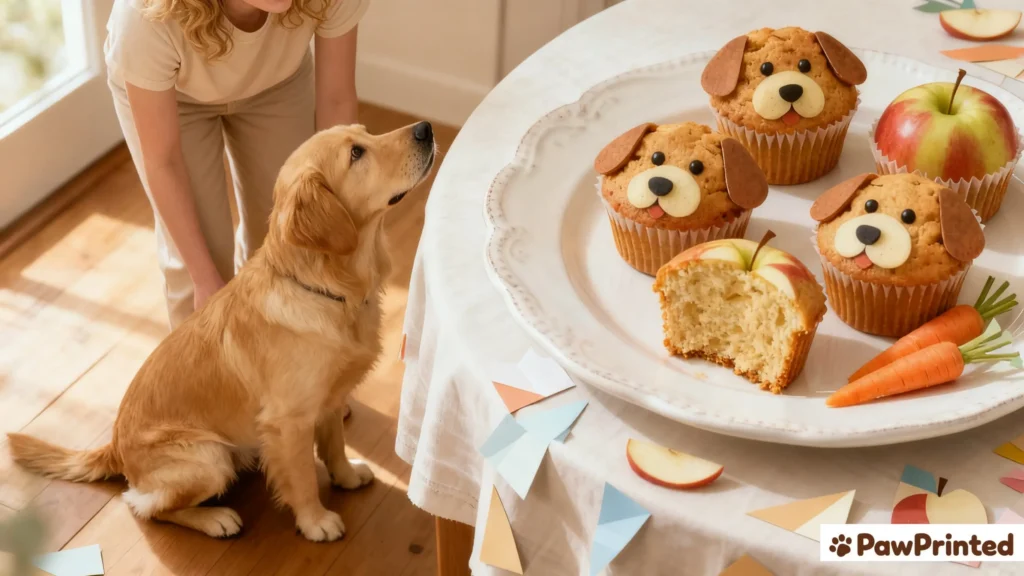
My reset started with a gentle base like our Peanut Butter & Pumpkin Dog Birthday Cake —moist, lightly sweet from real produce, and easy to digest. From there I learned when to go mini with bakes (hello, Apple & Carrot Cupcakes ) and how to keep portions sane so celebrations stay fun, not heavy.
If you’re short on time or still testing the waters, some mixes can help—just read labels closely. Our review in Dog Cake Mix – Is It Worth Buying? explains what to look for so your first homemade attempt feels confident and safe.
Why Homemade Dog Cake Is Worth the Effort
Most dog owners bake their first cake out of love — birthdays, gotcha days, or just because those eyes deserve something special. But beyond the celebration, a homemade dog cake gives you control that store-bought treats never can. You know every ingredient that goes in, where it comes from, and how it affects your pup’s body.
Commercial “dog cakes” often include additives, hydrogenated fats, and refined flours meant for texture and shelf life, not digestion. By baking at home, you can skip the mystery mix and replace it with fresh, whole ingredients your dog’s stomach recognizes. It’s also a great way to avoid allergens if your pup is sensitive to wheat, soy, or dairy.
And homemade doesn’t mean complicated. Most safe recipes use just five to six ingredients — like oats, pumpkin, banana, or unsweetened peanut butter. Once you’ve mastered one version, such as our Healthy Dog Cake Recipe (Banana & Oats) , you’ll see how easy it is to adapt for every celebration.
The real secret? Dogs care less about “frosting perfection” and more about the smell and texture. Keep it natural, soft, and moist — it’s healthier, easier, and still feels like love baked in.
Safe Ingredients Every Owner Should Know
Baking a homemade dog cake starts with choosing ingredients that are safe, gentle, and easy to digest. The goal isn’t to copy human desserts, but to create something that smells and feels like comfort — made from simple, natural foods that your dog’s body actually benefits from.
Pumpkin Purée
Pumpkin is a superstar for dog digestion. It adds moisture, fiber, and a light sweetness without sugar. Perfect as a base ingredient, especially for dogs with sensitive stomachs or mild allergies.
Oats or Oat Flour
A gentle, whole-grain option that supports gut health and steady energy. It replaces wheat flour beautifully in cakes while staying light on the digestive system.
Banana
Adds natural sweetness, potassium, and texture — a great way to avoid refined sugar or dairy. Works wonderfully in our Banana & Oats Healthy Dog Cake base.
Unsweetened Peanut Butter
A dog favorite that brings flavor and healthy fats. Always choose xylitol-free peanut butter and use small amounts to avoid excess calories.
Avoid chocolate, grapes, raisins, onions, garlic, and anything with artificial sweeteners — especially xylitol. These are toxic to dogs, even in small amounts. Stick with clean, limited-ingredient choices your vet would approve.
Essential Equipment & Prep (Make First Bakes Easy)
You don’t need a pro kitchen to bake a great homemade dog cake. A few right-sized tools and simple prep will keep texture even, bake times predictable, and cleanup quick — especially for first attempts or small celebrations.
Pan Size & Portions
Use one 6-inch round pan or a 12-cup muffin tin for minis. Smaller cakes bake more evenly and help you control portions. Minis are perfect for practice and freezing.
Line & Grease
Line pans with parchment circles and lightly grease the sides. This prevents tearing and keeps moisture in — especially with pumpkin or banana batters.
Batter Consistency
Aim for a thick, spoonable batter (not pourable). If it’s too stiff, add a splash of water or low-sodium broth; if too loose, fold in a little oat or coconut flour.
Oven & Doneness
Bake at moderate heat (325–350°F / 160–175°C). Done when the center springs back lightly and a toothpick comes out with a few moist crumbs (not wet batter).
New to baking for your pup? Start mini to reduce risk and learn timings — our Apple & Carrot Dog Cupcake Recipe is a friendly first step with easy portions and quick cooling.
Common Mistakes When Making Homemade Dog Cakes
Even with the best intentions, first-time bakers often hit the same snags when making a homemade dog cake. These aren’t dealbreakers — just lessons that turn “too dense” or “too dry” into soft, tail-wagging perfection next time.
Too Much Flour, Not Enough Moisture
Coconut and oat flours absorb more liquid than expected. If your cake feels dry or crumbly, increase wet ingredients slightly — banana, pumpkin, or water — to restore balance.
Using Human Frosting
Avoid sugar-heavy or dairy frostings. Use plain mashed banana, yogurt (if tolerated), or pumpkin as a safe, natural topping. Dogs prefer scent over sweetness.
Overbaking
Many dog cakes use no oil or butter, so they dry faster. Always check 5 minutes early; cakes continue firming as they cool. Moisture keeps flavor and texture appealing to pups.
Ignoring Allergies or Sensitivities
Always know your dog’s history. If they show reactions to chicken, eggs, or wheat, try grain-free or hypoallergenic options like in our Dog Cake Mix – Is It Worth Buying? guide for gentle alternatives.
Most “mistakes” in dog baking come from overcomplicating. Keep it simple, bake small batches, and note what your pup actually loves — that’s your best recipe.
Benefits of Homemade Dog Cakes
Baking a homemade dog cake isn’t just about saving money or showing love — it’s a step toward better nutrition and long-term health. You decide the ingredients, the freshness, and how much indulgence is right for your pup. Here’s why homemade often beats store-bought in every category that matters.
1. Ingredient Transparency
No hidden fillers, no additives, no confusing labels. You see exactly what goes in. Whether it’s fresh pumpkin, oats, or peanut butter, you control every scoop and spoonful.
2. Better Digestion
Dogs digest whole foods more efficiently than processed mixes. Homemade cakes avoid gums, soy, and heavy starches that often trigger bloating or itching.
3. Adaptable for Allergies
With homemade recipes, you can easily swap ingredients to suit your dog’s sensitivities. For guidance, explore Dog Cake for Allergies – Can Dogs Really Enjoy It? for safe substitutions that won’t sacrifice flavor.
4. Emotional Connection
When you bake for your dog, they feel it — literally. The smell, the routine, the reward all build positive reinforcement. For many pups, it’s not just food; it’s family time in edible form.
Want a healthy balance between celebration and wellness? Check our Best Healthy Dog Cake (Vet Recommended Picks) for options that combine clean nutrition with festive fun.
Notes
A homemade dog cake is only as good as the care behind it. Keep it simple, fresh, and portioned. A handful of wholesome ingredients — banana, oats, pumpkin, or coconut flour — are enough to create something safe and satisfying. Avoid overcomplicating or chasing bakery-level presentation; dogs appreciate aroma and texture over looks.
Always remember that even homemade treats are extras, not daily meals. If your dog has food sensitivities, try removing one potential irritant at a time. Substituting wheat for oat flour or skipping eggs can make a world of difference, as shown in our Dog Cake for Allergies guide.
And if baking isn’t something you can do every week, that’s perfectly fine. Store-bought options can still fit a healthy routine when chosen carefully — our Best Dog Birthday Cake Mix roundup lists gentle, high-quality picks tested by Ethan himself.
If you don’t want to cook daily, check our dry food picks — those were Ethan’s daily backups.

Wrapping It Up
Baking a homemade dog cake isn’t about perfection — it’s about intention. Whether you’re celebrating a birthday, milestone, or just a random Wednesday, the love and thought you put into that batter mean more to your dog than anything store-bought ever could. Simplicity, safety, and joy are what make it special.
Start with easy recipes, experiment with safe ingredients, and learn from each bake. Over time, you’ll discover which textures, aromas, and flavors your dog enjoys most — and that’s when your kitchen officially becomes their favorite place in the world.
Frequently Asked Questions
Not safely. Many ingredients used in human cakes—like sugar, butter, milk, chocolate, and artificial sweeteners—are unsuitable or toxic for dogs. Instead, use natural binders and sweeteners such as banana, applesauce, pumpkin, or peanut butter (xylitol-free). Cakes made with oat or coconut flour provide better digestion and lower calorie density, making them perfect for small celebrations.
The best way is to rely on clean, whole ingredients—no sugar or heavy oils. Use oat or rice flour for gentle digestion, and replace oil or butter with mashed banana or pumpkin purée. Keep portions small and limit add-ons like frosting or yogurt. For inspiration, see our Healthy Dog Cake Recipe (Banana & Oats) for a light, vet-approved version.
Avoid chocolate, grapes, raisins, onions, garlic, nutmeg, xylitol, and anything containing artificial sweeteners. These can be harmful or even fatal to dogs. High-fat dairy and sugary toppings can also upset their stomach. When in doubt, choose dog-safe ingredients like pumpkin, carrots, or oats instead of processed flours and sugars.
Yes, but store properly. Homemade dog cakes keep for up to 3 days in the refrigerator or up to 2 months frozen. Wrap individual portions in parchment and thaw naturally before serving. Avoid frosting until the day of serving to maintain moisture and texture. This keeps flavor and safety intact for every celebration.
Treat homemade cake like a special occasion dessert—once or twice a month at most. Even healthy cakes add extra calories. For dogs on restricted diets, balance it with lighter meals or extra activity that day. The goal is celebration without excess, not guilt afterward.
Author & Vet Review Notes
“The first cake I ever made for Ethan was messy, uneven, and slightly overbaked — but he loved it anyway. That’s when I realized perfection doesn’t matter. Dogs feel the care behind every recipe. Now, our kitchen smells like peanut butter and oats every time a birthday rolls around, and I’ve learned that homemade dog cakes are really about connection — not decoration.”
— Emma, Founder & Dog Mom
“From a veterinary nutrition standpoint, homemade dog cakes are safe and rewarding — when done right. Keep recipes low in sugar, avoid harmful ingredients, and maintain portion control. Baking for your dog builds awareness of what they’re eating, which strengthens long-term health management. A cake made with oats, pumpkin, and eggs can be both celebratory and nutritionally sound.”
— Dr. Lydia Harper, DVM, Veterinary Nutrition Specialist
Emma and Dr. Harper agree: mindful ingredients and balanced portions make homemade dog cakes both joyful and beneficial. Baking with your dog in mind — not just for aesthetics — turns each treat into an act of genuine care and understanding.
References — Authoritative Sources
-
1. PetMD (2024) — “Homemade Dog Treats and Cakes: Safe Ingredients Explained.”
PetMD Breaks down which common baking ingredients are safe for dogs, including recommended alternatives to flour, sugar, and dairy. -
2. American Kennel Club (AKC, 2023) — “How to Bake a Dog Cake Safely.”
AKC Offers veterinarian-reviewed baking tips, safety guidelines, and ingredient do’s and don’ts for first-time dog cake bakers. -
3. Tufts University Cummings School of Veterinary Medicine (2023) — “Homemade Diets for Dogs: Benefits and Risks.”
Tufts Vet Nutrition Discusses how to balance homemade recipes safely, emphasizing the importance of limited-ingredient formulations. -
4. Hill’s Pet Nutrition (2024) — “Understanding Safe Homemade Dog Food Ingredients.”
Hill’s Pet Nutrition Provides veterinary guidance on safe ingredient substitutions and the nutritional value of whole-food components. -
5. Dogs Trust (2023) — “Dog-Friendly Cake Recipes and Celebration Treats.”
Dogs Trust Explains how to celebrate responsibly with low-fat, dog-safe bakes and portion control suggestions for various dog sizes. -
6. Frontiers in Veterinary Science (2022) — “Home-Prepared Diets for Dogs: Safety and Nutritional Balance.”
Frontiers in Veterinary Science Reviews current research on homemade diets, highlighting ingredient safety and the role of veterinary supervision in formulation.
These trusted veterinary and academic references reinforce PawPrinted’s commitment to accuracy, transparency, and evidence-based pet nutrition. Each article supports the safe, joyful practice of baking homemade dog cakes with both love and science in mind.