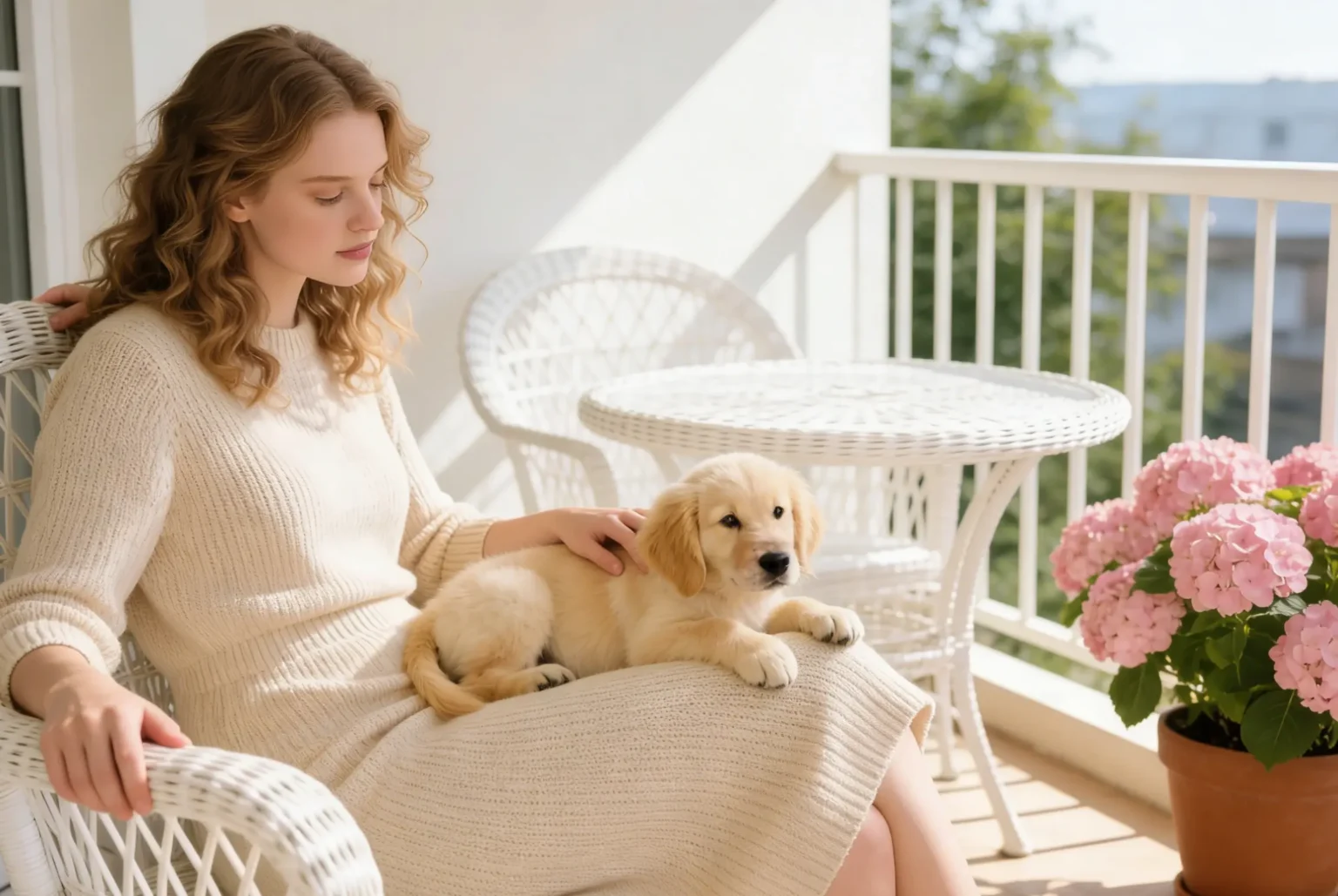
Ethan has always loved birthdays — or maybe just the cakes that came with them. Last year, though, something felt off. After enjoying a slice of his usual peanut butter dog cake, he started scratching his ears and licking his paws more than usual. The vet mentioned it might be a mild food sensitivity — possibly from the wheat flour we had always used.
That’s when I started wondering whether a grain free dog cake could make a difference. I swapped out the flour for coconut and chickpea blends, skipped the oats, and kept the natural moisture from pumpkin and banana. The result? Ethan devoured it — and this time, no itching, no discomfort, just a happy, wagging tail.
That small change sparked a bigger question: Is a grain free dog cake truly better for allergies, or was it just luck? To find out, I dug deeper into the science, the ingredients, and the myths — and what I learned might help other pet parents make the same choice for their own pups. If your dog has shown signs of sensitivity, start with our Dog Cake for Allergies – Can Dogs Really Enjoy It? for ingredient swaps and gentle baking ideas.
What “Grain Free” Really Means in Dog Cakes
The phrase “grain free” sounds simple, but in the dog food world, it can mean very different things. In essence, a grain-free dog cake contains no traditional cereal grains — no wheat, corn, oats, barley, or rice. Instead, it uses alternative flours like coconut, chickpea, tapioca, or even almond meal to create texture and structure without triggering common sensitivities.
It’s important to note that “grain free” is not the same as “gluten free.” Gluten is a specific protein found in wheat and certain grains, while grain-free simply removes grains altogether. Some dogs tolerate small amounts of gluten but react poorly to corn or oats — so understanding your pup’s unique sensitivity is key. A grain-free recipe doesn’t automatically mean healthier; it’s all about how clean and balanced the replacement ingredients are.
Most grain free dog cakes focus on single-source carbohydrates — like sweet potatoes, pumpkin purée, or bananas — which are naturally rich in fiber and easy to digest. These ingredients keep the cake moist, flavorful, and gentle on the stomach while avoiding common allergens. That’s why many pet owners turn to grain-free baking as a safe middle ground between indulgence and nutrition.
Why Grain-Free Dog Cakes Appeal to Owners
More pet parents are embracing grain-free dog cakes because they reflect the same clean-label trends shaping human food. We’ve become more aware of what goes into our meals — and that mindfulness naturally extends to what we bake for our dogs. Choosing a grain-free mix often feels like choosing simplicity: fewer fillers, fewer question marks, and more recognizable ingredients.
For dogs with sensitive digestion, even small amounts of grain can cause discomfort. That’s why a grain-free approach has become a go-to option for owners seeking peace of mind. It’s not about avoiding grains at all costs — it’s about reducing exposure to potential irritants while giving dogs something that still tastes like a celebration. In many households, it’s as much about comfort as it is about health.
There’s also the emotional connection. Baking something from scratch — using ingredients you can pronounce — brings a sense of care that no store-bought treat can match. It’s a way to celebrate your dog’s milestones with intention, not just convenience. That’s why even owners of non-allergic dogs sometimes choose grain-free recipes — for the same reason we choose organic produce or whole-food snacks for ourselves.
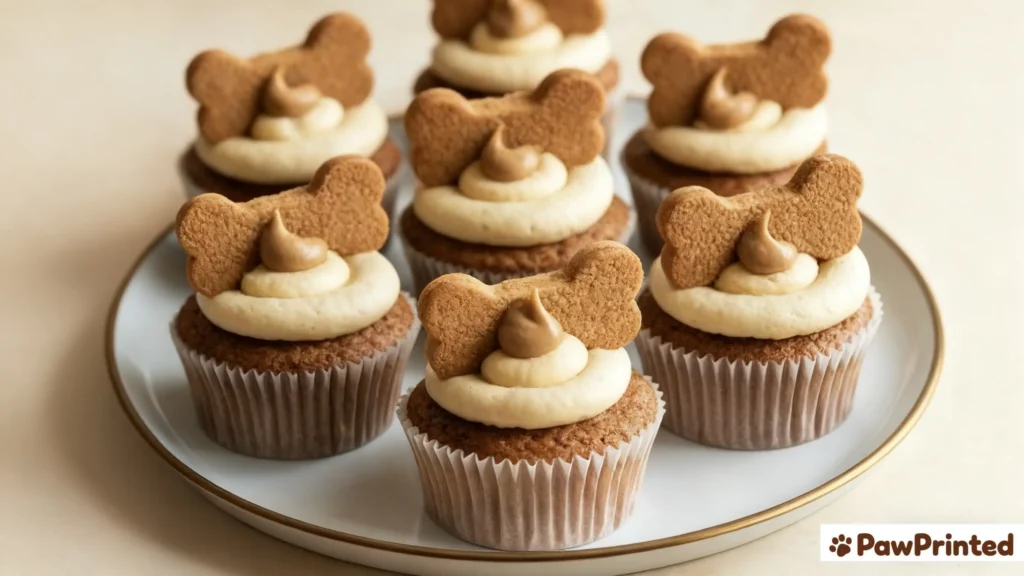
Ingredient Spotlight — Safe Grain Alternatives
If you’re moving toward grain free dog cakes, knowing what to use instead of wheat or oats makes all the difference. The goal isn’t to remove nutrition — it’s to replace grains with natural, digestible ingredients that still hold texture, flavor, and balance. Below are some of the safest and most nourishing flour alternatives you can try at home.
Coconut Flour
Light, aromatic, and rich in fiber, coconut flour helps firm up the batter while keeping it gentle on digestion. It’s naturally gluten free and adds a mild sweetness that dogs love.
Chickpea Flour
A protein-packed, low-glycemic option that holds moisture well. It gives cakes a satisfying texture and boosts satiety for active pups.
Tapioca Flour
Known for its elasticity, tapioca helps bind ingredients and prevent crumbling. It’s a neutral-tasting choice perfect for dogs with multiple sensitivities.
Sweet Potato or Pumpkin Purée
Naturally sweet, colorful, and full of vitamins A and C — these purées add fiber and moisture while improving gut health. They’re ideal for dogs with mild allergies or picky appetites.
Want to see how these ingredients work in a simple bake? Try our Healthy Dog Cake Recipe (Banana & Oats) — you can easily make it grain free by swapping oat flour for coconut or chickpea flour. It’s an easy way to test your pup’s reaction before going fully grain free.
The Benefits of Going Grain Free
For dogs with food sensitivities, a well-designed grain free dog cake can feel lighter on digestion while keeping celebration fun. The key gains come from cleaner ingredient lists and gentler carbohydrate sources that support skin, coat, and tummy comfort.
Lower Allergen Exposure
Removing common grains (wheat, corn, barley, oats, rice) may reduce triggers for pups prone to itching, ear irritation, or paw licking.
Gentler Digestion
Alternatives like coconut or chickpea flour and moisture-rich pumpkin/banana create a soft crumb that’s easier on sensitive stomachs.
Cleaner Labels
Grain-free bakes naturally steer you toward simple, whole-food ingredients with fewer fillers and sweeteners.
Skin & Coat Support
Many grain-free recipes lean on antioxidant- and fiber-rich add-ins (pumpkin, sweet potato, blueberries) that complement everyday nutrition.
Want a smaller, portion-smart celebration? See why cupcakes make sense in Dog Cupcakes – Why They’re Perfect for Small Celebrations and adapt the same gentle, grain-free swaps.
Limitations & Common Misunderstandings
While grain free dog cakes can help some pups, they’re not a one-size-fits-all solution. Many owners switch to grain free thinking it’s automatically healthier — but in reality, it’s about matching the diet to your dog’s individual needs. Here are a few important facts to keep in mind before going all-in.
Myth 1 — All Dogs Need Grain Free
Most dogs digest cooked grains just fine. Grain-free diets are helpful mainly for dogs with specific sensitivities or allergy symptoms — not every pup requires it.
Myth 2 — Grain Free Means Low Carb
Many grain-free flours like chickpea or tapioca are still carbohydrate-rich. Going grain free doesn’t automatically make a cake lower in calories or sugar.
Myth 3 — It’s Always Healthier
A poor-quality grain-free mix can still be packed with preservatives or flavor enhancers. Focus on whole ingredients and natural binders, not just the “grain free” label.
Myth 4 — Reactions Stop Instantly
Skin or digestive improvements can take weeks to appear. Always track your dog’s progress after introducing a new recipe and consult your vet before making major changes.
If convenience is what you’re after, explore our Dog Cake Mix – Is It Worth Buying? for trusted pre-made options. It explains how to choose safe, grain-free mixes that keep the celebration simple and worry-free.
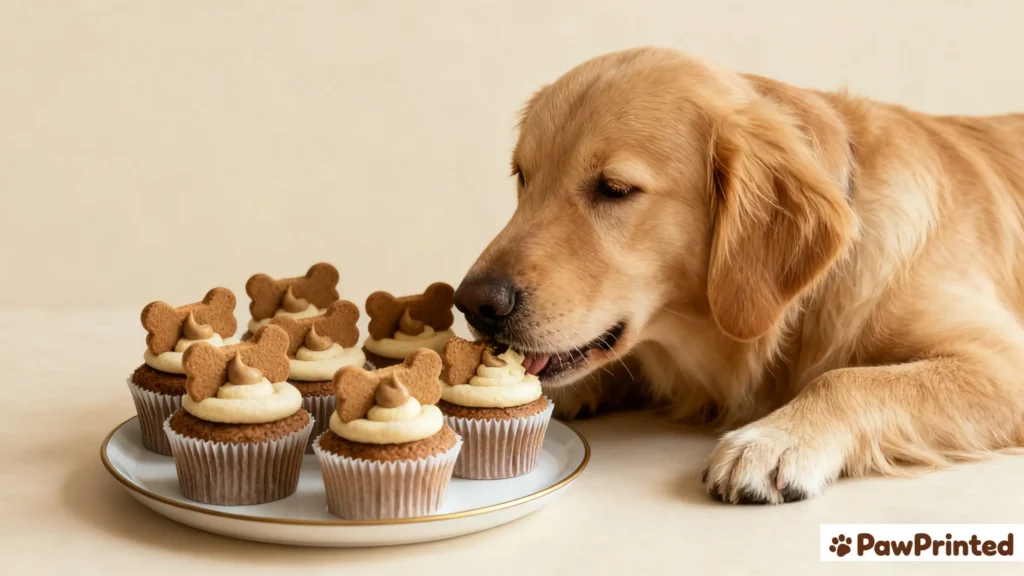
Vet Insights — When to Try Grain-Free
Switching to a grain free dog cake can be helpful — but timing and reasoning matter. Veterinarians recommend introducing grain-free options only when there’s clear evidence of food sensitivity, rather than as a general wellness trend. Here’s what most vets suggest before making the switch.
When to Consider It
If your dog shows recurring symptoms — like itchy skin, frequent ear infections, loose stool, or excessive paw licking — a short-term grain-free trial (around six weeks) can help isolate potential triggers.
How to Transition Safely
Gradually mix the new grain-free recipe with the old food over 5–7 days. Rapid switches can stress digestion and skew your results when tracking allergy symptoms.
Watch for Substitutions
Some grain-free mixes add pea or lentil proteins, which may not suit every dog. Always check ingredient lists and avoid products with excessive starch or sweeteners.
Recheck with Your Vet
If symptoms improve on grain-free diets, review the results with your veterinarian. They can recommend whether to maintain it long term or rotate back to balanced whole grains.
Need a gentle starting point? Try adapting our Dog Birthday Cake Recipe (Peanut Butter & Pumpkin) into a grain-free version — it’s vet-approved and naturally mild on sensitive stomachs.
Homemade vs Store-Bought Grain-Free Cakes
When deciding between homemade and store-bought grain free dog cakes, it often comes down to control versus convenience. Both options can be healthy and delicious — but knowing what each brings to the table helps you pick what’s best for your pup and your schedule.
Homemade Grain-Free Cakes
You get full control over ingredients and can easily tailor the recipe for allergies or preferences. Homemade cakes tend to have fewer additives and more whole foods. They’re perfect for pups with sensitive digestion or limited diets.
Store-Bought Grain-Free Cakes
These are quick, consistent, and ideal for last-minute celebrations. Look for simple ingredient lists, natural sweeteners, and labels that specify “no artificial flavor or color.” Good brands balance taste with nutrition, making them safe for occasional treats.
Nutrition Differences
Homemade options can be richer in natural fiber and antioxidants, while store-bought mixes often include fortified vitamins to maintain shelf stability. Both can be part of a balanced diet if used thoughtfully.
Best for Allergic Dogs
Homemade recipes give you the flexibility to eliminate problem ingredients entirely, while store-bought versions may still contain trace allergens. Always review the label carefully before serving.
Want to explore trusted options? Check out our Best Grain Free Dog Cake (Gluten-Free Options) for brands that balance safety, taste, and allergy-friendly ingredients — tested and approved by Ethan himself.
Notes
Grain free dog cakes aren’t about following a trend — they’re about understanding your dog’s specific needs. For Ethan, removing wheat and oats wasn’t just a diet choice; it was a comfort upgrade that eased his skin and digestion. But every pup is different. Some do great with gentle whole grains, while others thrive without them.
If you’re experimenting with grain-free baking for the first time, start small. Try swapping just one ingredient at a time, and monitor your dog’s skin, stool, and energy levels for two weeks. Keeping a simple food journal helps you spot improvements — or reactions — clearly.
And remember: baking for your dog should stay fun, not stressful. Whether you go grain free or not, your pup values the care behind the cake far more than the flour inside it.
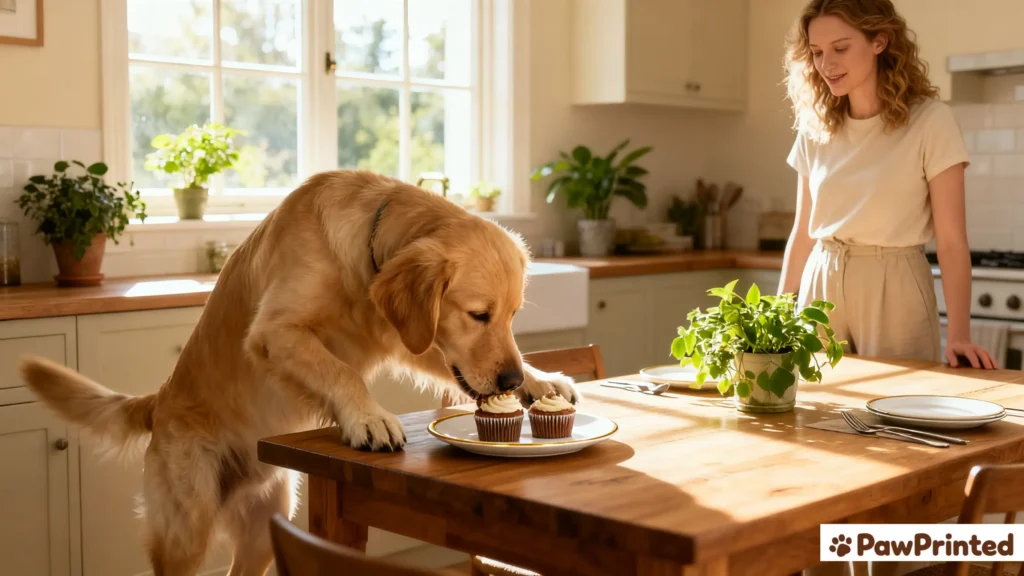
Wrapping It Up
Going grain free can make a world of difference for sensitive or allergy-prone dogs — but it’s not a universal fix. The goal isn’t to eliminate grains blindly, but to focus on simple, nourishing ingredients that make your dog’s treats both enjoyable and safe. Whether you bake at home or buy a ready-made mix, balance and observation are what truly matter.
For Ethan, a grain-free cake means fewer itches and more happy tail wags — a reminder that a thoughtful approach always beats quick assumptions. If your dog struggles with mild sensitivities, start small, take notes, and celebrate every win (even crumb-sized ones).
If you don’t want to bake every week, check our dry food picks — those were Ethan’s daily backups.
Frequently Asked Questions
In many cases, yes. Removing common grains like wheat, corn, and barley can reduce reactions in dogs with food sensitivities. However, not all allergies stem from grains — proteins or additives can also cause flare-ups. A grain-free cake made with coconut or chickpea flour is often gentler on digestion and skin, but owners should track their dog’s symptoms and consult a vet before long-term changes.
Not necessarily. Most dogs digest cooked grains perfectly fine, and removing them may not offer extra benefits. Grain-free diets are best for dogs showing clear allergic symptoms such as chronic itching, ear infections, or bloating. If your dog is healthy and active, you can still use grain-free recipes occasionally, but there’s no need to make it a strict rule.
Coconut flour, chickpea flour, and tapioca flour are great low-irritant substitutes. They hold moisture, are naturally gluten free, and support gentle digestion. Sweet potato or pumpkin purée can also add fiber and vitamins while keeping the cake soft and aromatic. Always introduce new ingredients gradually and watch for changes in stool or skin.
Not if balanced properly. The main concern with grain-free diets is over-reliance on certain legumes or starches, which can crowd out other nutrients. When baking, combine high-quality protein (like eggs or salmon) with fiber-rich vegetables and avoid excessive sweeteners. Occasional treats won’t harm balance, but full diets should always be reviewed by a vet.
Watch for consistent patterns — itching after meals, ear redness, digestive upset, or excessive paw licking. Try a controlled six-week elimination test using grain-free meals, then reintroduce grains one at a time. If symptoms return, your pup might benefit from staying grain free. Always discuss your findings with your vet before making it permanent.
Author & Vet Review Notes
“Ethan’s skin was the first to tell me something wasn’t right — a bit of redness around his ears and endless paw licking. When we swapped our usual flour for coconut and chickpea, the change was clear: calmer skin, brighter eyes, and that familiar post-snack nap. For us, going grain free wasn’t a diet fad — it was a gentle reset.”
— Emma, Founder & Dog Mom
“Grain-free diets are often misunderstood. They’re not inherently superior, but they can make a difference for dogs with true sensitivities. The key is balance — ensuring enough protein, fiber, and micronutrients without leaning too heavily on starches. For allergic pups, a short-term grain-free trial can provide valuable insight before making permanent changes.”
— Dr. Lydia Harper, DVM, Veterinary Nutrition Consultant
Both Emma and Dr. Harper emphasize the same principle: observe your dog, not the label. A grain free dog cake can be a great choice when used thoughtfully, paired with clean ingredients and close observation. Whether you bake at home or buy ready-made, balance and moderation remain the best recipe for long-term health.
References — Authoritative Sources
- 1. PetMD (2024) — “Grain-Free Diets: What Dog Owners Should Know.” PetMD Explains how grain-free formulas may help dogs with true sensitivities but are not universally required.
- 2. American Kennel Club (AKC, 2023) — “Are Grain-Free Dog Foods Safe?” AKC Summarizes recent FDA research and provides guidance for pet parents considering grain-free options.
- 3. Tufts University Cummings School of Veterinary Medicine (2023) — “Understanding Grain-Free Diets in Dogs.” Tufts Vet Nutrition Discusses nutrient balance challenges and how to avoid common pitfalls in homemade grain-free diets.
- 4. Hill’s Pet Nutrition (2024) — “Do Dogs Need Grains in Their Diet?” Hill’s Pet Nutrition Explores the role of grains in providing fiber, vitamins, and energy, and when it’s appropriate to remove them.
- 5. U.S. Food & Drug Administration (FDA, 2023) — “FDA Investigation into Grain-Free Diets and DCM.” FDA Reviews ongoing studies about diet-related heart conditions and how to assess risk in grain-free foods.
- 6. Frontiers in Veterinary Science (2022) — “Dietary Sensitivities in Companion Dogs.” Frontiers Provides peer-reviewed evidence on the prevalence of dietary allergies and the effectiveness of grain elimination trials.
These sources were selected to ensure scientific accuracy and transparency. Each reference aligns with PawPrinted’s E-E-A-T principles — emphasizing verified veterinary research and balanced perspectives on grain-free nutrition, allergies, and homemade baking safety.