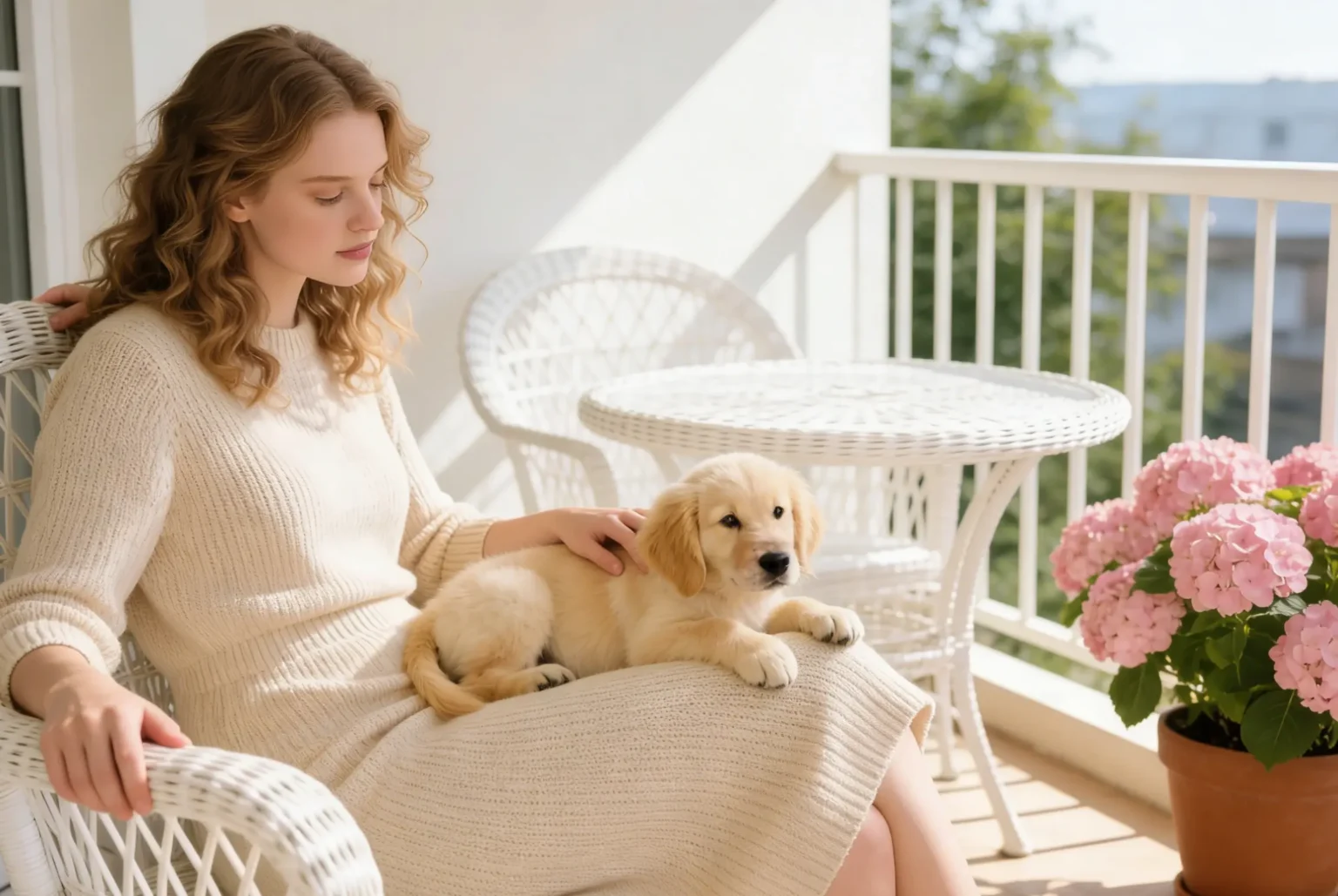
A dog birthday cake isn’t just for photos — it’s a way to make your pup feel seen, loved, and part of the family celebration.
Our story
When Ethan turned four, I decided to bake him a small peanut butter and pumpkin cake. It started as a simple idea for fun — but the way he wagged his tail, stared at the cake, and waited for his cue made me realize something deeper. This wasn’t just a treat; it was a moment of joy, routine, and connection that dogs understand more than we think.
That day changed how I saw “dog birthday cakes.” It wasn’t about decoration or sugar — it was about celebrating our bond through food, safely and lovingly. If you’ve never tried one, you can start with a gentle, vet-approved recipe like this Dog Birthday Cake Recipe (Peanut Butter & Pumpkin) .
Why It Matters
Key takeaway: Dogs feel connection through ritual just like humans.
Celebrating a dog’s birthday may sound lighthearted, but it’s a small act with emotional weight. Dogs thrive on consistency, attention, and affection — and special moments like birthdays reinforce those bonds. When you take time to bake or present a cake, you’re not spoiling your pup; you’re telling them, “You’re part of the family.”
Beyond the joy, these celebrations can support training and confidence, especially for rescue dogs or anxious pups. A calm, happy environment during a “cake moment” helps them associate human rituals with comfort and trust. The goal isn’t to humanize your dog, but to celebrate safely and meaningfully.
What Makes It Different from Regular Treats
Key takeaway: Dog birthday cakes use gentle, natural ingredients instead of sugar or frosting.
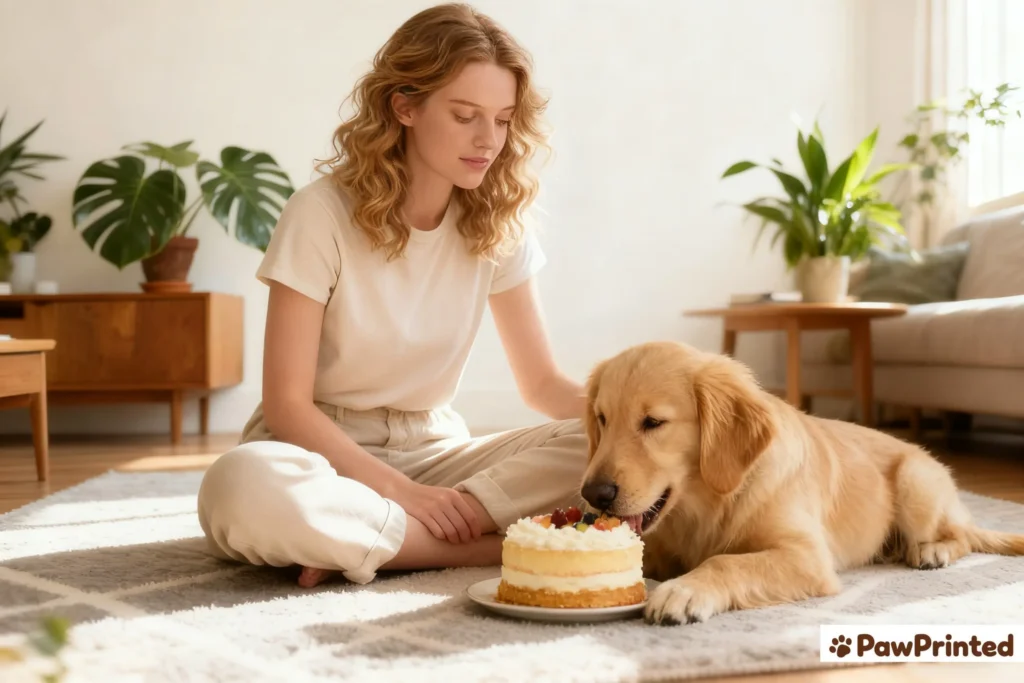
A dog-friendly cake is designed for health, not for looks. While human cakes rely on sugar, butter, and chocolate, dog cakes use gentle, vet-approved ingredients like oat flour, mashed banana, pure pumpkin, and unsalted peanut butter. These provide fiber, nutrients, and a safe flavor dogs actually love.
What truly sets a dog birthday cake apart is intention: it’s made to include your pup in family traditions without risking their health. It’s not about indulgence — it’s about shared joy and mindful care.
Typical Human Cake
- High sugar and dairy content
- Often includes chocolate or artificial sweeteners
- Can cause digestive distress in dogs
Dog-Friendly Birthday Cake
- Uses oat or rice flour instead of wheat
- Sweetened naturally with banana or pumpkin
- Gentle on digestion, suitable for most pups
For sensitive or allergic pups, check our Dog Cake for Allergies and Grain-Free Dog Cake Recipe (Coconut & Sweet Potato) for gentle alternatives.
Safe & Unsafe Ingredients
Key takeaway: Fewer ingredients mean more safety — simplicity keeps your pup’s tummy happy.
Not all ingredients used in human baking are safe for dogs. Some, like chocolate and xylitol, can be life-threatening even in small amounts. A dog birthday cake should always rely on gentle, natural components that are easy to digest and free from harmful additives. When in doubt, it’s best to keep the recipe short, natural, and vet-approved.
✅ Safe Ingredients
- Oat flour or brown rice flour as a mild, digestible base
- Mashed banana or pumpkin puree for natural sweetness
- Unsalted peanut butter (no xylitol)
- Greek yogurt or mashed sweet potato as frosting substitute
🚫 Ingredients to Avoid
- Chocolate, cocoa powder, or anything containing caffeine
- Xylitol, artificial sweeteners, or high-sugar frosting
- Raisins, grapes, and macadamia nuts
- Butter-heavy or dairy-rich batters that cause stomach upset
Always read ingredient labels carefully — even “pet-safe” products can hide sugars or oils your dog doesn’t need. If your pup has allergies, consult your vet before testing new recipes.
For owners managing sensitive stomachs or food allergies, you can also explore our Homemade Dog Cake Guide for ingredient swaps and gentle baking tips.
Frequently Asked Questions
1. Can dogs safely eat birthday cake?
Yes — but only if it’s made specifically for dogs. Pet-friendly cakes avoid harmful ingredients like chocolate, xylitol, and heavy frosting. Instead, they use oat flour, banana, and pumpkin for natural sweetness and easy digestion. Always treat a birthday cake as an occasional snack, not a full meal, to keep your pup healthy and happy.
2. What ingredients should I avoid when baking for my dog?
Avoid toxic foods such as chocolate, raisins, grapes, macadamia nuts, and anything containing xylitol. These can be dangerous even in small quantities. Also steer clear of heavy buttercreams or sugary frostings that upset digestion. Stick with safe ingredients like oat flour, pumpkin puree, or unsalted peanut butter.
3. How much dog birthday cake is safe to serve?
For most medium-sized dogs, one or two small slices — about two fingers wide — is plenty. Even natural cakes are calorie-dense, so portion control matters. Offer it after a regular meal and refrigerate leftovers for up to two days.
4. Are store-bought dog cakes healthy?
Many are, especially those from trusted pet bakeries or brands that use oat or coconut flour and yogurt-based frostings. Always check for “xylitol-free” and “made with dog-safe ingredients” labels before buying. When in doubt, consult your vet or try a homemade version.
5. Can puppies or senior dogs have birthday cake?
Yes, but with adjustments. Puppies need soft, simple textures such as oat flour and yogurt bases. Senior dogs benefit from low-fat, high-fiber cakes using banana or sweet potato. Keep portions tiny and skip crunchy decorations to make them easier to chew and digest.
6. How can I make my dog’s birthday celebration special?
Keep it stress-free and focused on your dog’s comfort. Play gentle music, prepare a small cake, and add safe decorations like blueberries or carrot shavings. Capture a few photos and enjoy the moment together — simplicity always wins.
DIY vs Store-Bought — Which Is Better?
Key takeaway: Homemade cakes build connection; store-bought cakes save time — both can be healthy when chosen wisely.
Deciding whether to bake your own dog birthday cake or buy one depends on time, confidence, and your pup’s needs. Homemade versions let you control ingredients, reduce additives, and enjoy a heartwarming bonding activity in the kitchen. It’s a creative moment that deepens trust and ensures your cake fits your dog’s diet perfectly.
Store-bought cakes, on the other hand, offer convenience and reliability — ideal for busy pet parents or last-minute celebrations. Many modern pet bakeries and online brands now produce vet-formulated, preservative-free cakes that use coconut or oat flour bases and safe frostings made from yogurt or potato purée.
Homemade Cakes
- Full control over ingredients and portion size
- Strengthens emotional bond with your dog
- Fun and rewarding DIY experience
- Requires time, preparation, and baking tools
Store-Bought Cakes
- Quick, convenient, and ready to serve
- Vet-approved formulas from reputable brands
- Perfect for owners with tight schedules
- Must read labels carefully to avoid unsafe additives
Both paths can be healthy and joyful choices — what matters is the quality of ingredients and portion control. Whether you mix batter by hand or unwrap a ready-made cake, the celebration remains a way to show your dog love and attention in the safest possible way.
Common Mistakes & Quick Fixes
Key takeaway: Most baking errors come from thinking like a human — not a dog.
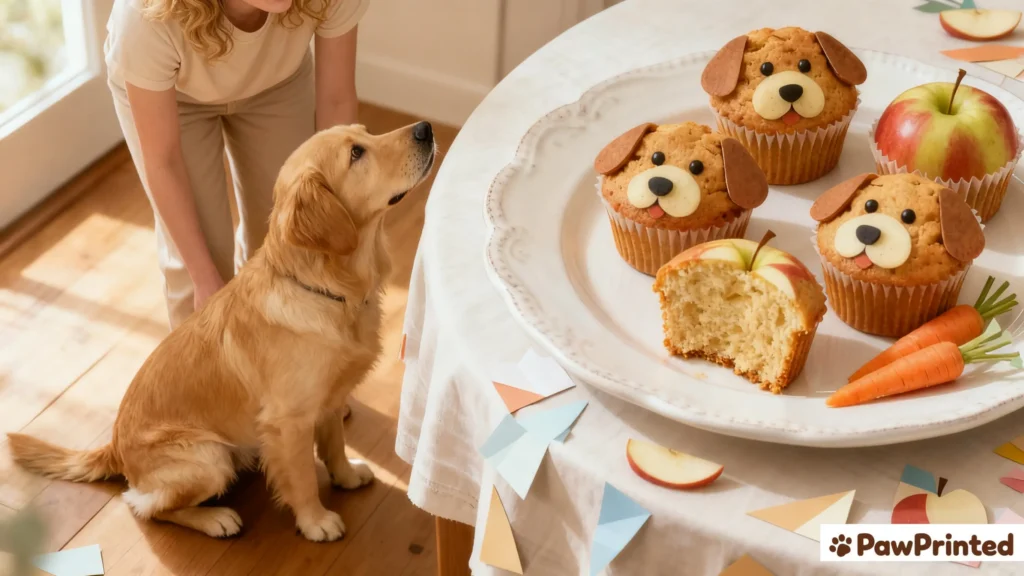
Even with the best intentions, it’s easy to make small mistakes when baking for your pup. From using human ingredients to serving too much at once, these oversights can turn a celebration into a stomach ache. Here are the most common issues dog parents face — and how to fix them quickly.
1. Using Human Frosting
Many human frostings contain sugar, butter, or chocolate, which are unsafe for dogs. Replace them with Greek yogurt or smooth mashed sweet potato for a creamy, dog-safe finish. You’ll still get a photo-worthy look without upsetting your pup’s digestion.
2. Oversized Portions
A large slice may seem generous, but even healthy cakes can be calorie-heavy. Cut the serving down to a small wedge or bite-sized pieces. This keeps your pup’s calorie intake balanced while still letting them enjoy the moment.
3. Forgetting Allergies
Dogs can be sensitive to wheat, dairy, or certain proteins. Always review ingredient labels or opt for limited-ingredient recipes. Oat flour, coconut flour, and pumpkin are great allergy-friendly staples for most pups.
4. Skipping Cooling Time
Freshly baked cakes hold residual heat and steam — serving them too early can irritate your dog’s stomach. Let the cake cool completely for at least 30 minutes before frosting or serving. Patience makes it safer and tastier for your pup.
Keep celebrations simple, safe, and slow — your dog cares more about time with you than decorations or frosting. A little planning keeps their birthday full of joy and free of tummy troubles.
Learn more about allergy-friendly dog cakes .
Celebration Ideas — Make It Special
Key takeaway: The best celebrations are simple, safe, and full of love.
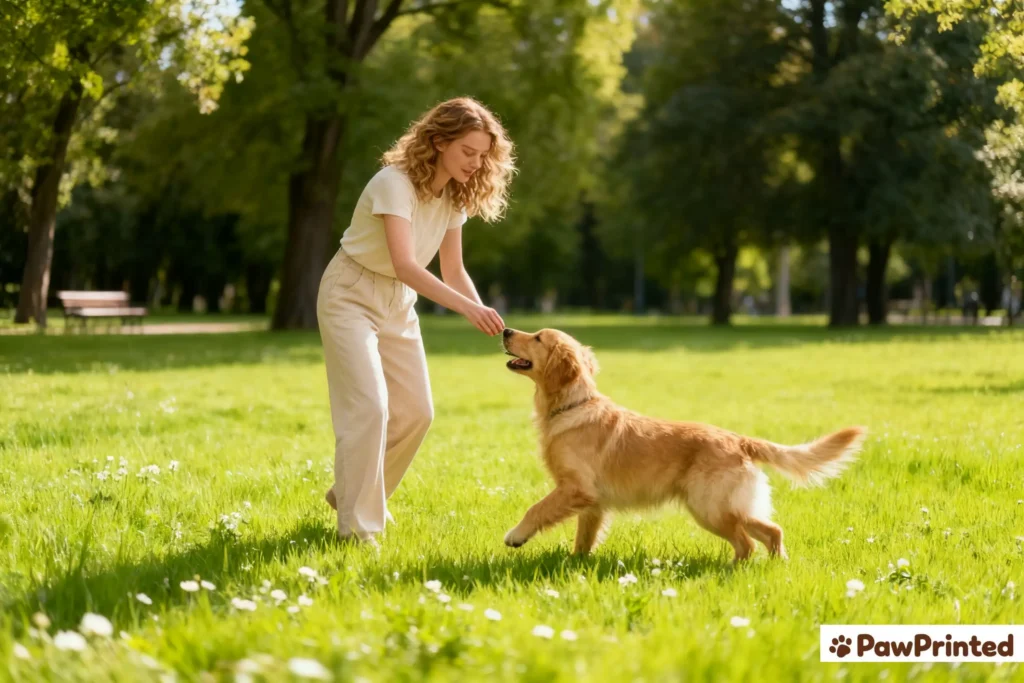
You don’t need fancy decorations or a professional pet party setup to make your dog’s birthday memorable. What your pup values most is your attention and presence. Focus on creating a calm, joyful space where they can enjoy their dog birthday cake without stress.
🎂 Capture the Moment
Take photos while your pup explores the cake — the natural curiosity makes for the most authentic memories. Use natural daylight, a simple wooden background, and keep your dog relaxed and happy. Forget perfection; focus on emotion.
🎁 Add a Personal Touch
Decorate the cake with safe, colorful toppings such as blueberries, shredded carrots, or tiny bone-shaped treats. These add a festive look while staying gentle on digestion. Skip candles with flames — an LED version keeps things safe and cute.
🎉 Keep It Dog-Centered
Let your pup set the pace. Avoid loud music or crowds if they feel anxious, and consider celebrating outdoors for more freedom. Include simple games or a new toy reward after the cake moment for extra joy.
📸 Share the Joy
Post your favorite photo to social media and tag @PawPrintedPet. We love seeing how you celebrate your furry friend’s special day! Sharing positive examples also helps other dog parents plan safe, loving parties.
A birthday celebration doesn’t need to be extravagant — a quiet kitchen, a small cake, and genuine affection are enough to make your dog’s day unforgettable.
Notes
Wrapping It Up
Celebrating your dog’s birthday isn’t about extravagance — it’s about joy, connection, and love. Whether you bake a homemade dog birthday cake or pick up a store-bought option, what truly matters is that shared moment of happiness. Keep it simple, stay safe with ingredients, and let your pup enjoy every tail-wagging bite.
Remember, small gestures create big memories. Even a single cupcake, a gentle song, or a cozy kitchen photo can make your dog’s day feel special. Here’s to celebrating love — one paw print at a time.
References — Authoritative Sources
- “Safe Ingredients for Homemade Dog Treats.” PetMD (2024) — Explains which human foods are toxic to dogs and how to substitute safe baking ingredients. Read on PetMD
- “Can Dogs Eat Cake? Here’s What to Know.” American Kennel Club (AKC, 2023) — Details on cake safety and better treat alternatives. View AKC Article
- “Homemade Dog Treats & Nutritional Tips.” Tufts Cummings Veterinary Nutrition Center (2022) — Vet-reviewed recommendations for safe baking and treat frequency. See Tufts Vet Guide
- “Human Foods That Are Dangerous for Dogs.” U.S. FDA (2024) — Official list of foods toxic to pets, including chocolate and xylitol. FDA Consumer Update
- “Nutritional Considerations for Senior Dogs.” Hill’s Pet Nutrition (2023) — Discusses age-appropriate nutrition and safe treat limits. Read Hill’s Guide
- “Celebrating Your Dog Safely.” ASPCA Animal Poison Control Center (2024) — Safety checklist for parties and edible decorations. ASPCA Checklist