Homemade dog treats are simple, budget-friendly, and a great way to control ingredients. This guide walks you through the smart basics—what to use, what to avoid, how much to feed, and where to start if your goal is healthy, low-calorie, training-friendly, or allergy-aware. When you’re ready to bake or freeze, you’ll also find quick paths to our most popular starter recipes and focused tutorials.
Why Make Treats at Home?
- Ingredient clarity: You pick the protein, carbs, and fats—no fillers you don’t want.
- Easy tailoring: Scale calories for weight control, choose softer textures for puppies/seniors, or go single-protein for sensitive dogs.
- Training convenience: Cut to pea-size, freeze for later, and keep flavor consistent so your dog stays motivated.
- Budget control: Pantry staples often beat store prices—especially for high-value training bites.
New to DIY? Start with one of our 5-ingredient, print-ready tutorials and build confidence. For a fast overview of the whole recipe collection, explore Vet-Approved Dog Treat Recipes (8 Easy Snacks).
What Owners Should Know First
- Keep treats to ~10% of daily calories. For training days you can stretch to 15% if you balance meals the same day.
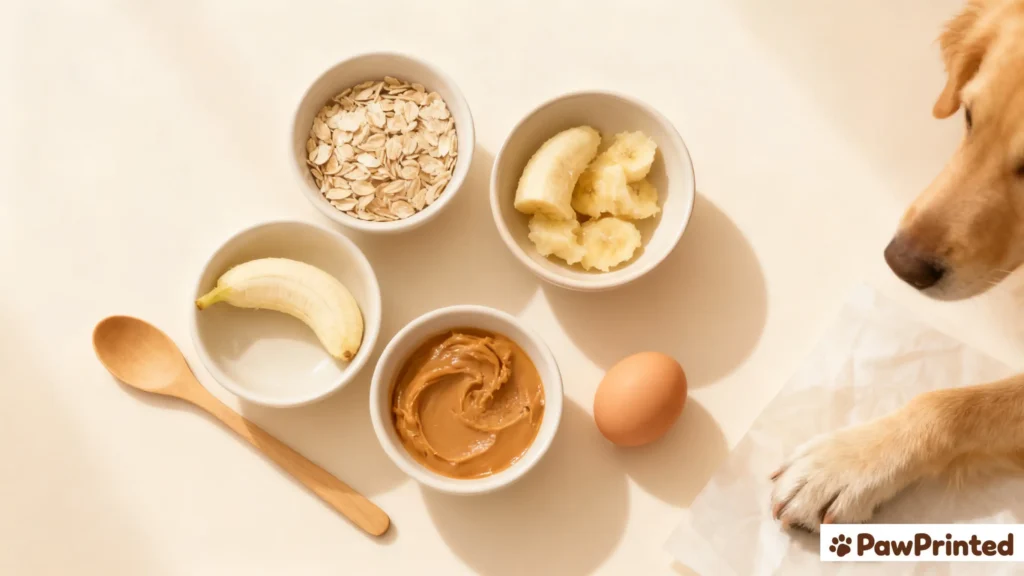
- Prefer whole foods you recognize. Lean meats, eggs, pumpkin, banana, oat or rice flours, plain Greek yogurt, blueberries, carrots.
- Skip risky add-ins. No chocolate, xylitol, raisins, grapes, macadamia nuts, excess salt, or added onion/garlic powders.
- Texture matches purpose. Soft and tiny for training; crunchy or chewy for enrichment; cool and gentle for summertime or teething.
- Plan storage before you bake. Most baked treats last 3–5 days sealed at room temp, 7–10 days refrigerated, and 1–2 months frozen.
Pantry Staples & Smart Swaps
| Goal | Best Bases | Easy Swaps |
|---|---|---|
| Everyday “healthy” | Pumpkin purée, oat flour, eggs | Banana or sweet potato instead of pumpkin |
| Low-calorie / weight | Egg whites, pumpkin, carrots | Zucchini, applesauce (unsweetened) |
| Training (high value) | Chicken, salmon, yogurt | Turkey, beef, sardines (rinse), cheese crumbs |
| Allergy-aware | Single protein + simple carb | Duck or salmon + rice or oat; avoid mixed flavors |
Looking for a simple, vet-style starter dough? Try our 5-ingredient base in Homemade Dog Treats (Peanut Butter & Oats, Vet Approved), then adjust shapes and add-ins for your dog’s needs.
Safety Rules (Worth Posting on Your Fridge)
- Measure, don’t guess. Teaspoons of oil, tablespoons of nut butter—small mis-measures add calories fast.
- Use parchment or silicone molds. Prevents scorching and helps portion control for training-size bites. Our freezer-friendly tutorial: Frozen Dog Treats (Yogurt & Blueberries).
- Cool fully before storing. Residual heat = condensation = stale treats.
- Introduce new proteins slowly. If your dog has a history of sensitivities, start with a single protein recipe (see Hypoallergenic Dog Treats – Are They Worth It?).
Choose Your Goal → Start Here
Whether you’re baking for health, training focus, allergies, or just for fun, the best place to start depends on your pup’s daily routine. Each path below links to a full tutorial and a companion info guide so you can mix, match, and build your own treat plan with confidence.
🥕 Healthy Everyday Treats
Perfect for balanced diets and gentle digestion. These treats use pumpkin, coconut, and oats for steady energy without heavy fats. Start with Pumpkin & Coconut Treats — they’re simple, naturally sweet, and great for most adult dogs. For store options, browse Best Healthy Dog Treats (Top Rated Picks).
⚖️ Weight Control & Low-Calorie
Best for dogs managing extra pounds or with reduced activity levels. Focus on fiber-rich veggies and lean proteins. Try Apple & Carrots for a crisp, low-fat bake, then explore our full guide Low Calorie Dog Treats – Can They Help with Weight Control? for more portion tips.
🎯 Training & High-Value Rewards
Small, soft, and irresistible — these are your “focus bites.” Ideal for obedience, recall, or puppy reinforcement sessions. Start with Cheese & Chicken Bites and read our behavioral breakdown in Training Dog Treats – What Actually Works Best?. For store-ready versions, see Best Training Dog Treats (Fast Reward Options).
🌿 Allergy & Sensitive Skin Support
If your pup struggles with itching, licking, or tummy flare-ups, focus on single-protein + simple carb combos. Start with Duck & Rice Treats (Vet Approved). For comparison, read Hypoallergenic Dog Treats – Are They Worth It? or explore Grain Free Dog Treats – Are They Better for Allergies?.
🦷 Dental & Fresh Breath
Mint and parsley aren’t just for humans — they naturally freshen your dog’s breath and support oral health. Start with Parsley & Mint Treats, then alternate with crunchy chews for texture balance. You can also explore Best Dental Dog Treats for store-friendly choices.
🍗 Homemade Meal-Prep Sticks
For busy owners who prefer batch cooking — try nutrient-packed sticks that double as quick snacks or toppers. Start with Chicken & Broccoli Dog Treat Sticks, rich in lean protein and fiber. These are freezer-friendly and perfect for multi-dog households or travel prep.
Tip from Emma: “Start with one treat type that fits your dog’s current goal — whether that’s weight, focus, or allergy care. Once it becomes routine, rotate a new flavor every few weeks to keep your pup curious and motivated.”
How Much Is “Too Much”? A Simple Treat Budget
Quick rule: Keep treats near 10% of daily calories. Example: a 20 lb (9 kg) dog needs roughly 600–700 kcal/day—budget 60–70 kcal for treats. Training day? Borrow calories back from dinner by reducing a small portion of kibble or topper.
Need naturally lower-cal options? Compare methods and starter ideas in Low Calorie Dog Treats – Can They Help with Weight Control? or jump straight to the tutorial Apple & Carrots.
Storage & Shelf Life
- Room temp (sealed): 3–5 days for baked, 1 day for dairy-based.
- Fridge: 7–10 days for baked; 3–4 days for yogurt/cheese fillings.
- Freezer: 1–2 months. Use labels with date + flavor.
For hot weather or teething pups, switch to no-bake molds and try our Frozen Yogurt & Blueberries.
Quick Homemade Options to Try First
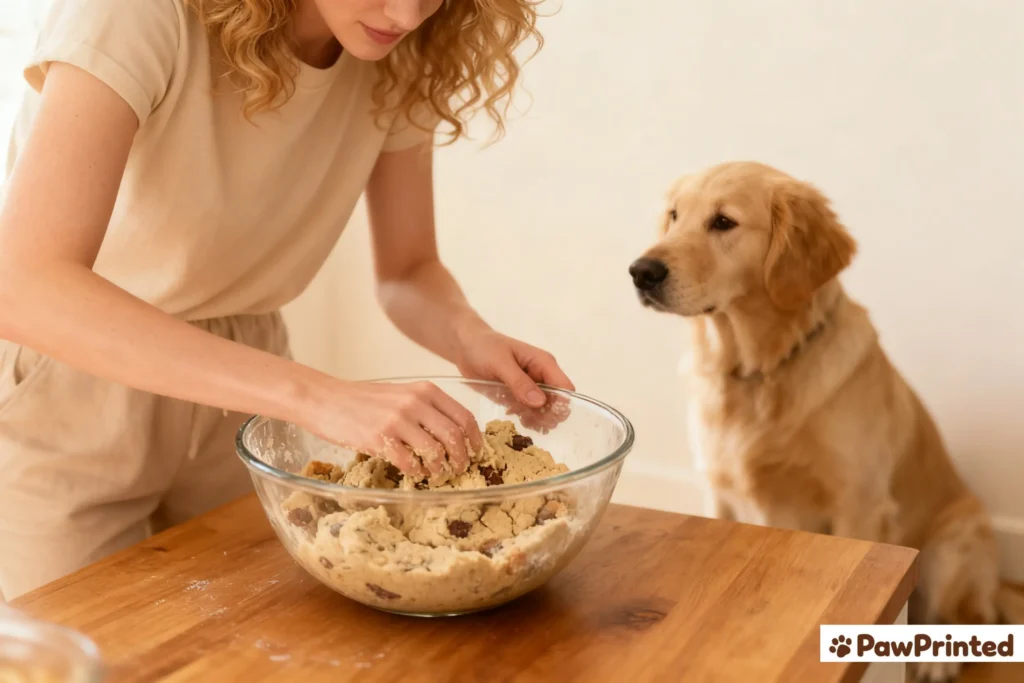
If you’re new to baking for your dog, start simple. These quick, 5-ingredient recipes use pantry staples, bake in under 30 minutes, and deliver a healthy balance of flavor and function — no special gear required.
- Pumpkin & Coconut Treats: A naturally sweet, fiber-rich snack that supports digestion and shiny coats. Great for beginners and perfect for Sunday prep days.
- Peanut Butter & Oats Bites: Soft, chewy, and high in protein — a classic “starter recipe” loved by trainers and dogs alike. It’s the easiest way to test baking times and shapes.
- Apple & Carrots Low-Cal Bakes: Light, crisp, and full of natural sweetness. Ideal for weight-conscious pups or summer snack swaps when heavy treats feel too rich.
Once you’ve tried one or two, you can explore mix-ins like banana, parsley, or a drizzle of salmon oil for extra nutrition. For allergy-friendly swaps, check Duck & Rice Treats — gentle, vet-approved, and surprisingly easy to make.
Emma’s Tip: “Start small — just one tray. You’ll learn how your oven, ingredients, and your dog’s taste all work together. And once your pup starts waiting by the oven door, you’ll know you’ve nailed it!”
Puppies vs. Adults: What Changes?
Just like kids and adults eat differently, dogs also need treats that match their life stage. From texture and calorie density to purpose (teething vs. training), the best choice depends on your dog’s age, activity level, and even personality. Here’s how to fine-tune your approach for every stage.
- Puppies (8–20 weeks): Focus on soft, gentle textures that support teething gums and avoid choking hazards. Frozen or refrigerated treats — like Yogurt & Blueberries — can calm inflammation and introduce flavor variety. Keep pieces tiny, and offer only 2–3 per short session.
- Adolescents (5–12 months): This is the learning phase — use small, high-reward bites during obedience or leash training. Cheese- or chicken-based treats work best for focus. Try Cheese & Chicken Bites to pair flavor with motivation.
- Adults (1–7 years): Keep calories in check and choose treats that support coat health and dental hygiene. Rotate between crunchy and chewy textures. For a gentle daily pick, see Pumpkin & Coconut Treats — perfect for digestion and skin balance.
- Seniors (7+ years): Opt for soft, moist treats that are easy to chew. Limit rich ingredients like peanut butter or cheese and focus on nutrient density. Steamed veggie blends or oat-based bakes are great options. If your senior has dental wear, switch occasionally to Low Calorie Apple & Carrots for fiber and hydration support.
Emma’s Note: “Ethan’s treat preferences completely changed after his puppy months — he went from frozen yogurt bites to warm baked ones by his first birthday. Keep an open mind, test small batches, and let your pup’s reaction guide you!”
FAQ
Are homemade dog treats healthier than store-bought?
Usually yes — homemade treats let you skip fillers, artificial colors, and high-sugar coatings that often appear in commercial biscuits. You can balance protein, fiber, and fats to match your dog’s lifestyle or weight goal. Just remember that DIY treats are snacks, not complete meals, so pair them with a balanced daily diet. For busy weeks, alternate with trusted store-bought healthy treats to stay consistent.
Which flour is safest for sensitive stomachs?
Oat flour and white rice flour are the top gentle bases for homemade treats — they’re easy to digest, gluten-free, and low in allergens. Avoid whole wheat if your dog tends to have itchy skin or digestive flare-ups. You can also mix in a bit of pumpkin or sweet potato purée for fiber and binding. If you’re managing a sensitive pup, check our guide on hypoallergenic dog treats for more safe combinations.
How can I make my homemade dog treats last longer?
Bake treats until they’re firm and dry on the edges to reduce moisture. Once fully cooled, store them in airtight jars or silicone-sealed containers. For soft bites, refrigerate for up to 10 days or freeze for up to two months. Label batches with the flavor and bake date to stay organized. You can also make freezer-friendly snacks like Frozen Yogurt & Blueberries for longer storage and variety.
Can I use peanut butter in dog treats?
Yes, peanut butter is safe when it’s 100% natural — meaning no added sugar, salt, or xylitol (which is toxic to dogs). It adds protein and flavor that motivates even picky eaters. Stick to small portions since it’s calorie-dense: usually one teaspoon per small batch is enough. Our Peanut Butter & Oats Recipe shows an ideal ratio that keeps it both tasty and balanced.
What’s the easiest first recipe for beginners?
Start with soft, 5-ingredient recipes that don’t require special tools — like pumpkin, banana, or oat-based bites. They’re quick to mix, forgiving if overbaked, and freeze beautifully. For first-timers, we recommend Pumpkin & Coconut Treats or Peanut Butter & Oats. Once you master the basics, you can experiment with protein-rich add-ins like chicken or salmon flakes.
Notes
Looking for a one-page list you can print and stick on your fridge? Open the 8-Recipe Collection and choose any “Print Recipe” option inside the tutorials.
Explore More Homemade Treat Ideas
Ready to try your next batch? These PawPrinted favorites are perfect for experimenting with new textures, flavors, and training-friendly shapes.
Wrapping It Up (With a Wag)
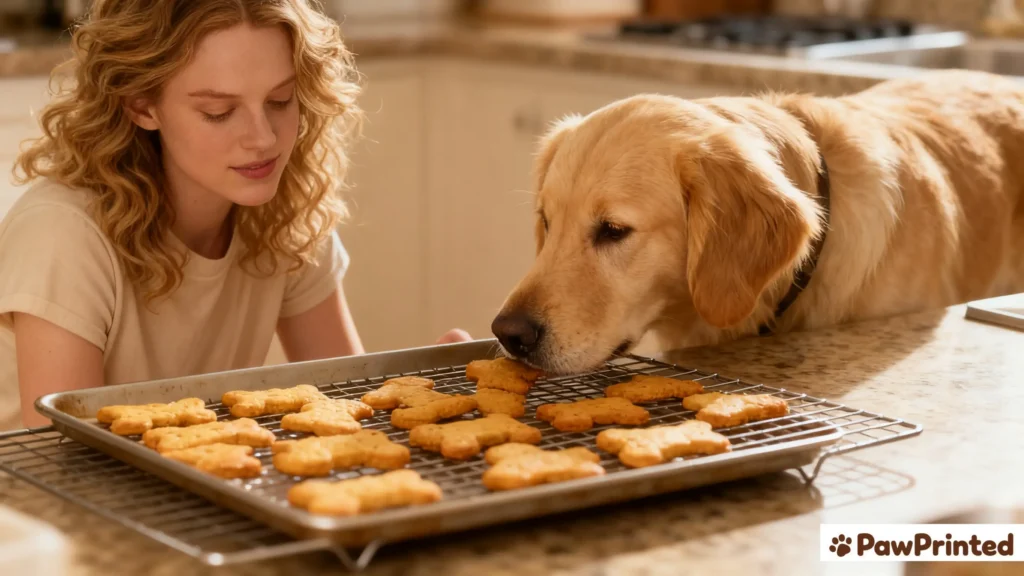
Every treat you bake is more than a snack — it’s a tiny act of care that builds trust, joy, and health. Whether you’re shaping little bones or freezing yogurt drops, the moments your pup waits by the counter are the ones they remember most.
Keep your recipes simple, your ingredients clean, and your dog curious. Once you find what makes their tail thump hardest, jot it down — you’ve just created a family favorite. Ethan still perks up every time he hears a baking tray slide out of the oven!
If you discovered a recipe your dog loves, share it or pin it to remember for next time. Your small kitchen experiments help other pet parents feed with love, too. 🐾