Healthy treats are more than “low calorie.” They help you train well, keep weight in check, and support long-term health. When Emma switched Ethan from sugary snacks to simple, real-food bites, his energy and tummy both improved. If you prefer to make your own, our starter overview in Homemade Dog Treats Guide walks through ingredients, tools, and storage in plain English.
What Makes a Dog Treat “Healthy”
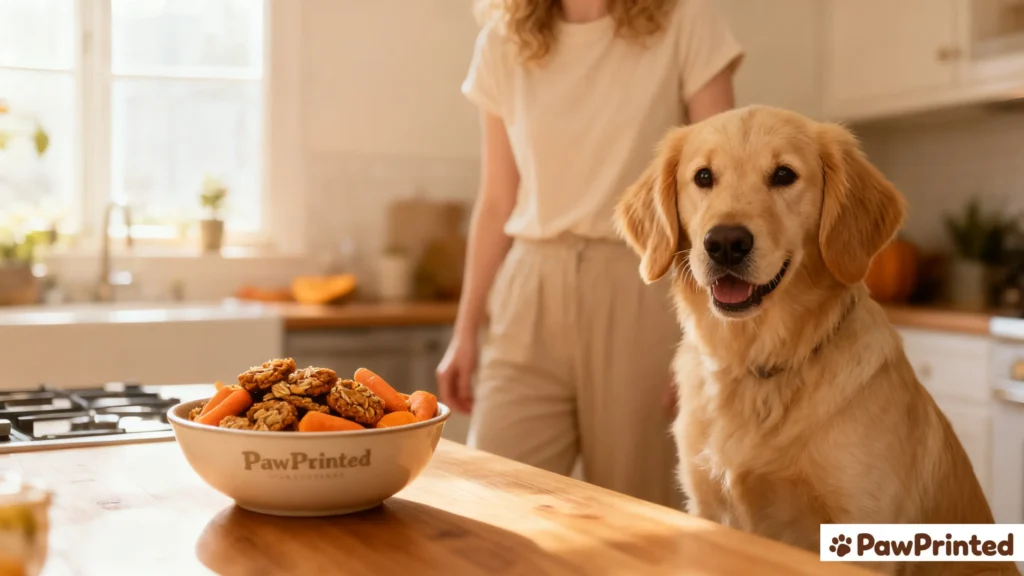
- Real ingredients first. Look for whole foods (pumpkin, oats, eggs, fish) instead of fillers and added sugar. See how we use produce in Low Calorie Dog Treats Recipe (Apple & Carrots).
- Short labels you can read. Avoid artificial colors, excess salt, and corn syrup.
- Right macro balance. For most dogs, moderate protein + gentle carbs + fiber works best.
- Digestive friendliness. Limited-ingredient or grain-free only when it truly fits your dog; learn the trade-offs in Grain Free Dog Treats Recipe (Salmon & Sweet Potato).
- Portion control. Treats should stay under 10% of daily calories.
Vet-Approved Ingredients You Can Trust
| Ingredient | Why It’s Healthy | Try It In |
|---|---|---|
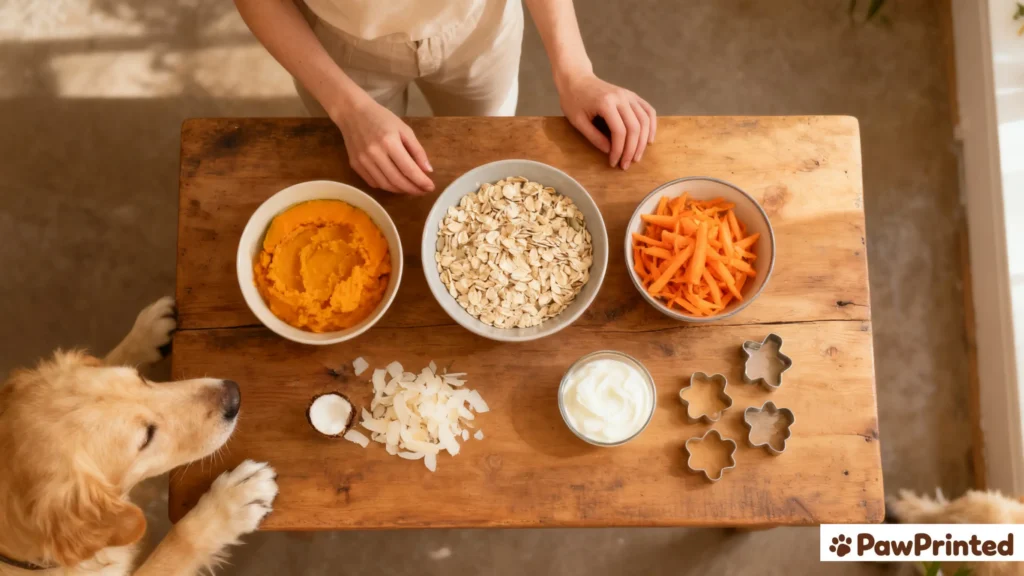
| Pumpkin | Fiber supports digestion and stool quality. | Healthy Dog Treats Recipe (Pumpkin & Coconut) |
| Sweet Potato | Low-fat energy, rich in beta-carotene. | Grain Free Dog Treats (Salmon & Sweet Potato) |
| Oats | Gentle carbohydrates for steady energy. | Peanut Butter & Oats (Vet Approved) |
| Parsley & Mint | Fresh-breath herbs when used in small, dog-safe amounts. | Dental Dog Treats (Parsley & Mint) |
| Yogurt (plain) | Calcium and probiotics; choose unsweetened. | Frozen Dog Treats (Yogurt & Blueberries) |
Common Mistakes to Avoid
- Equating “grain-free” with “healthier.” It can help in specific cases, but it is not automatically better. Review pros and cons in our grain-free recipe notes.
- Using human snacks as dog treats. Many contain salt, sweeteners, or xylitol which is dangerous to dogs.
- Oversizing rewards. Keep pieces small; focus on fast timing, not big bites. For practice, see the sizing tips inside Training Dog Treats (Cheese & Chicken Bites).
- Ignoring total daily calories. Track treat volume; you can swap to lower-calorie options such as Apple & Carrot bites.
Match Treats to Your Dog
- Small dogs: Tiny, quick-chew pieces to avoid overfeeding. Try Low Calorie Apple & Carrots.
- Large dogs: Higher-protein options and firm textures that don’t crumble instantly. Consider salmon or turkey-based bakes (see Salmon & Sweet Potato).
- Puppies: Softer textures and very small rewards; keep training sessions short.
- Training days: Use tiny, high-value pieces for fast repetitions: Cheese & Chicken Bites.
Homemade vs Store-Bought
| Type | Pros | Cons |
|---|---|---|
| Homemade | Full control over ingredients; fresh; great for sensitive dogs. | Time to prep; shorter storage; needs planning. |
| Store-Bought | Convenient; shelf-stable; portioned. | Some have additives; quality varies by brand. |
If you prefer trusted packaged options that meet similar standards, browse our research in Best Healthy Dog Treats (Top Rated Picks).
How to Use Healthy Treats Wisely
Healthy treats can do more than reward your dog — they can shape behavior, support bonding, and even improve nutrition when used correctly. The key is consistency and portion control. Whether you’re teaching manners or managing weight, treats should complement your dog’s daily meals, not replace them.
- 1. Follow the 10% rule. Keep treats under 10% of your dog’s daily calorie intake. This helps maintain a healthy weight while still giving room for fun rewards.
- 2. Prioritize timing over size. A quick, small reward right after the correct action works far better than a big delayed bite. Training is about precision, not portion size.
- 3. Choose purpose-based treats. Use crunchy textures for dental health and soft bites for fast-paced training sessions. For example, Cheese & Chicken Bites make excellent rapid rewards.
- 4. Rotate flavors for motivation. Dogs can get bored, too. Switching between Pumpkin & Coconut and Yogurt & Blueberries keeps things exciting without extra calories.
- 5. Adjust meals on training days. If your pup gets more treats during obedience or agility practice, slightly reduce the main meal portion to keep overall intake balanced.
- 6. Observe and adapt. Every dog reacts differently to treats. Watch for changes in stool, energy, or appetite — these signs tell you whether the reward plan fits your dog’s needs.
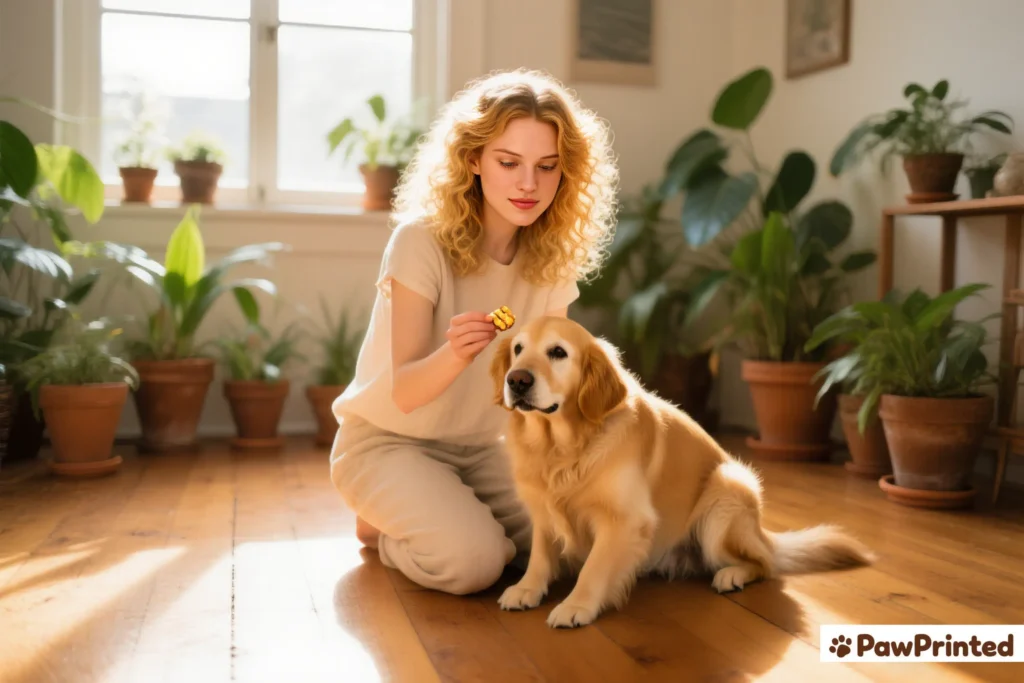
Using treats mindfully builds better habits and a stronger bond. Emma often says, “It’s not the snack — it’s the moment.” When your dog connects the treat with calm praise and your happy tone, that’s when training really sticks.
Quick Links to Try
- Healthy Dog Treats Recipe (Pumpkin & Coconut)
- Low Calorie Dog Treats Recipe (Apple & Carrots)
- Dental Dog Treats Recipe (Parsley & Mint)
- Frozen Dog Treats Recipe (Yogurt & Blueberries)
FAQ
What are the healthiest dog treats?
The healthiest dog treats are made from whole ingredients like pumpkin, oats, sweet potato, and plain yogurt. These foods deliver fiber, natural antioxidants, and slow-releasing energy. Avoid treats with artificial colors, sugar, or preservatives—your dog doesn’t need them for flavor or fun. If you’re unsure, start with simple Pumpkin & Coconut Bites and monitor your pup’s response for a week.
Can dogs have yogurt or peanut butter?
Yes, both yogurt and peanut butter can be safe in moderation. Plain unsweetened yogurt provides calcium and gut-friendly probiotics, while natural peanut butter adds healthy fats and protein. The key is choosing products without xylitol or added sugar. A small spoonful can be mixed into homemade treats or used as a training filler inside a toy.
How many treats can I give each day?
Keep treats to no more than 10% of your dog’s daily calories. Too many can cause weight gain, even with healthy recipes. Break large biscuits into smaller pieces and use them as frequent mini rewards. On training days, slightly reduce your pup’s main meal so total intake stays balanced and digestion smooth.
Are carrots and sweet potatoes good for dogs?
Absolutely. Carrots and sweet potatoes are nutrient-rich, low-fat, and easy to digest. They’re packed with beta-carotene for eye health and gentle fiber for gut support. Steam or bake them lightly before adding to treats like our Apple & Carrot Bites—this keeps nutrients intact while making chewing safer for all ages.
Is grain-free always better?
Not necessarily. Grain-free treats suit dogs with allergies or sensitivities, but they aren’t automatically healthier. Many healthy grains like oats or brown rice support digestion and steady energy. Focus on quality protein and limited additives instead of eliminating grains completely—balance is the real secret to better nutrition.
Final Thoughts
Healthy treats make training smoother and daily life calmer. Start small, keep portions tiny, and reward the quiet choices you want to see again. If you try a recipe from this page, leave a comment and tell us how your dog liked it — we read every note.