Over the past two years, Ethan has taste-tested more homemade treats than I ever planned to make — crunchy ones, soft ones, allergy-friendly batches, cooling summer bites, and even minty breath snacks he pretends not to like. The result? Dozens of good recipes scattered across different posts.
If your dog needs low-calorie rewards, has a sensitive stomach, prefers grain-free options, or simply loves tiny training bites, finding the right recipe shouldn’t require jumping between pages. So I organized every treat we’ve made into six clear categories, each with six full tutorials, simple guidance and vet-aligned notes.
Whether you’re a total beginner or someone who cooks treats weekly, this guide is here to help you choose the right starting point quickly — and keep your dog happily motivated along the way.
How To Use This Guide
Think of this page as your “treat control center.” Instead of scrolling through dozens of recipes, you can jump straight into the category that actually matches your dog’s needs. Each collection includes six full tutorials, step-by-step photos, helpful kitchen tools and vet-friendly notes Ethan and I gathered while testing these in our kitchen.
- Step 1 – Pick the category that fits your dog. Weight control? Go low calorie. Sensitive tummy? Choose hypoallergenic. Hot weather? Frozen treats. Easy.
- Step 2 – Open the collection card. Every card pulls together six full recipes plus portion tips, what to watch and a couple of optional tools we genuinely use.
- Step 3 – Start with one recipe. No need to make all 36 — just pick one your dog will enjoy this week. Ethan always starts with the one that smells the strongest. Typical.
- Step 4 – Mix homemade + store-bought smartly. If you’re short on time, each collection also links to vet-recommended ready-made treat options. Use them as backups, not replacements.
- Step 5 – Bookmark this guide. You’ll come back often — especially when your pup’s mood, season or health focus changes.
Six Major Homemade Dog Treat Categories
Each category below includes a full collection of 6 homemade dog treat recipes, complete with step-by-step tutorials, recommended tools, and vet-aligned insights. Choose the collection that matches your dog’s needs — weight control, allergies, grain-free preferences, training rewards, cooling summer snacks, or dental freshness.
A collection built for dogs needing lighter reward options — apples, carrots, oats, pumpkin and lean proteins. Great for frequent treating without extra calories.
Quick Overview
- 6 low-calorie homemade treat recipes
- Light fruits and veggies as base ingredients
- Soft and crunchy options for all breeds
Why It Works
- Lighter recipes help support healthy weight goals
- Low-cal treats fit easily into daily training
- Whole-food ingredients improve digestibility
Things To Watch
- Always count treats into daily calorie limits
- Adjust size for toy, medium, and large breeds
- Introduce slowly and monitor stools
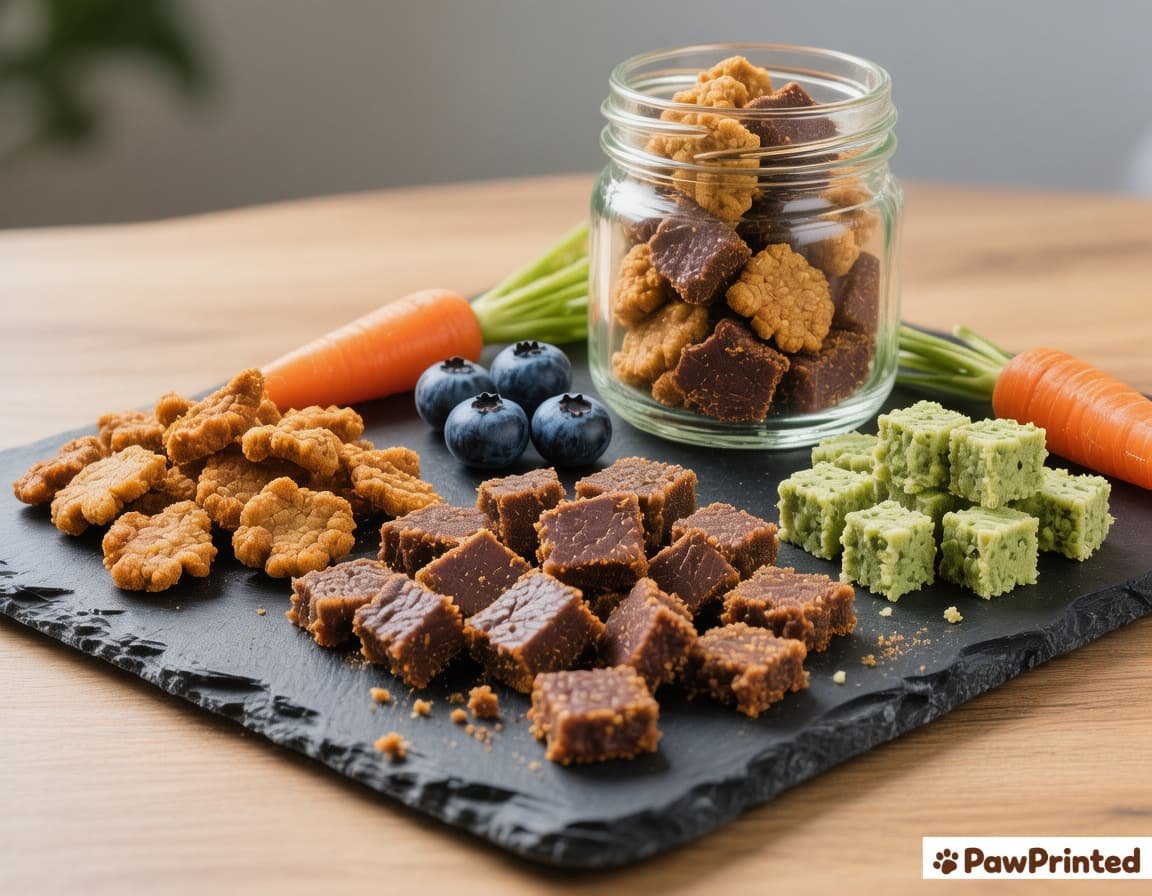
Allergy-friendly recipes built around duck, turkey, venison, white fish and gentle carbs — perfect for sensitive stomachs and itchy skin dogs.
Quick Overview
- 6 allergy-friendly dog treat recipes
- Single-protein selections for sensitive dogs
- Rice, quinoa and pea flour as gentle binders
Why It Works
- Reduces risk of food-triggered reactions
- Supports predictable digestion
- Vet-friendly ingredient lists
Things To Watch
- Introduce one protein at a time
- Keep a feeding diary for sensitive dogs
- Consult your vet for long-term symptoms
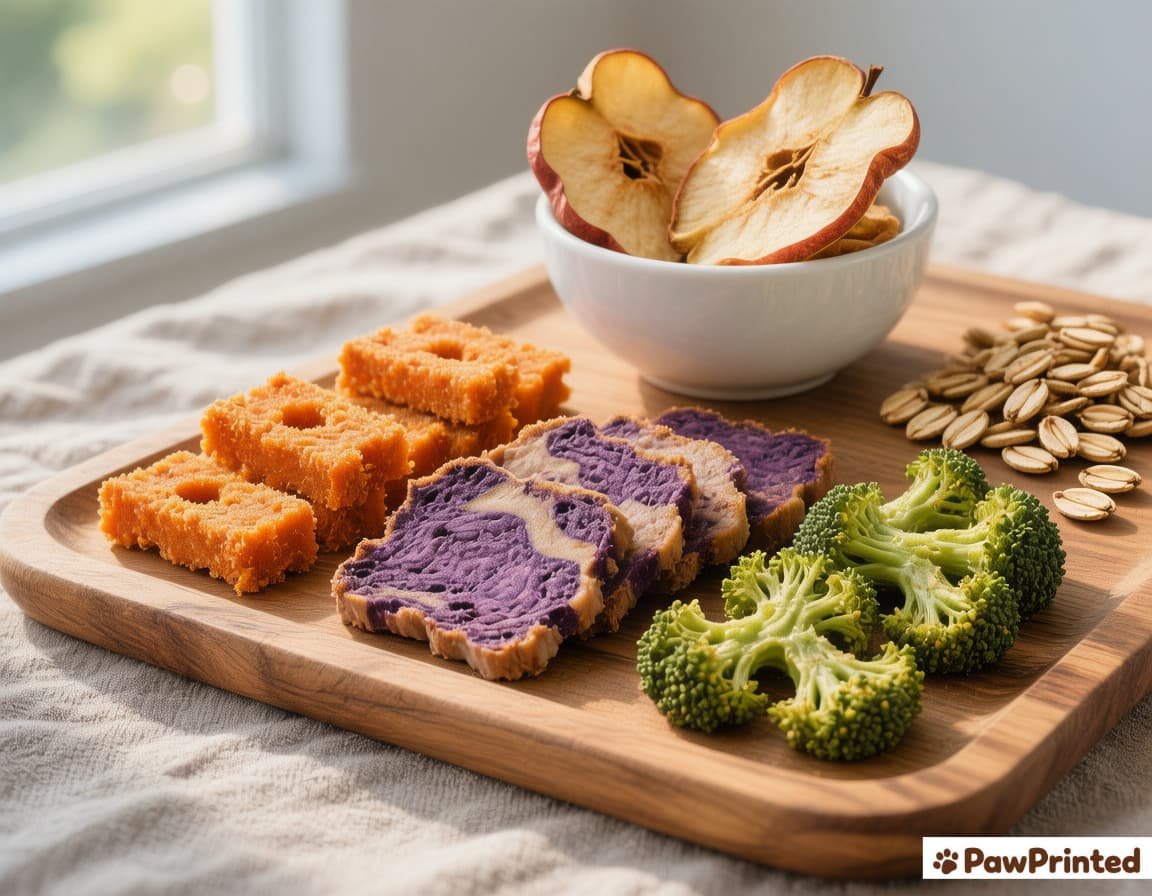
Wheat-free and soy-free homemade treat recipes ideal for itchy skin dogs, sensitive digestion, or pups on grain-free diets.
Quick Overview
- 6 grain-free homemade treat recipes
- Sweet potato, peas, carrots as natural binders
- High-protein blends for active dogs
Why It Works
- Easier for some dogs to digest than wheat-based biscuits
- Soft texture options for senior dogs
- Great for dogs on grain-free kibble
Things To Watch
- Not every dog needs grain-free — consult your vet
- Portion control still matters
- Introduce new recipes one by one
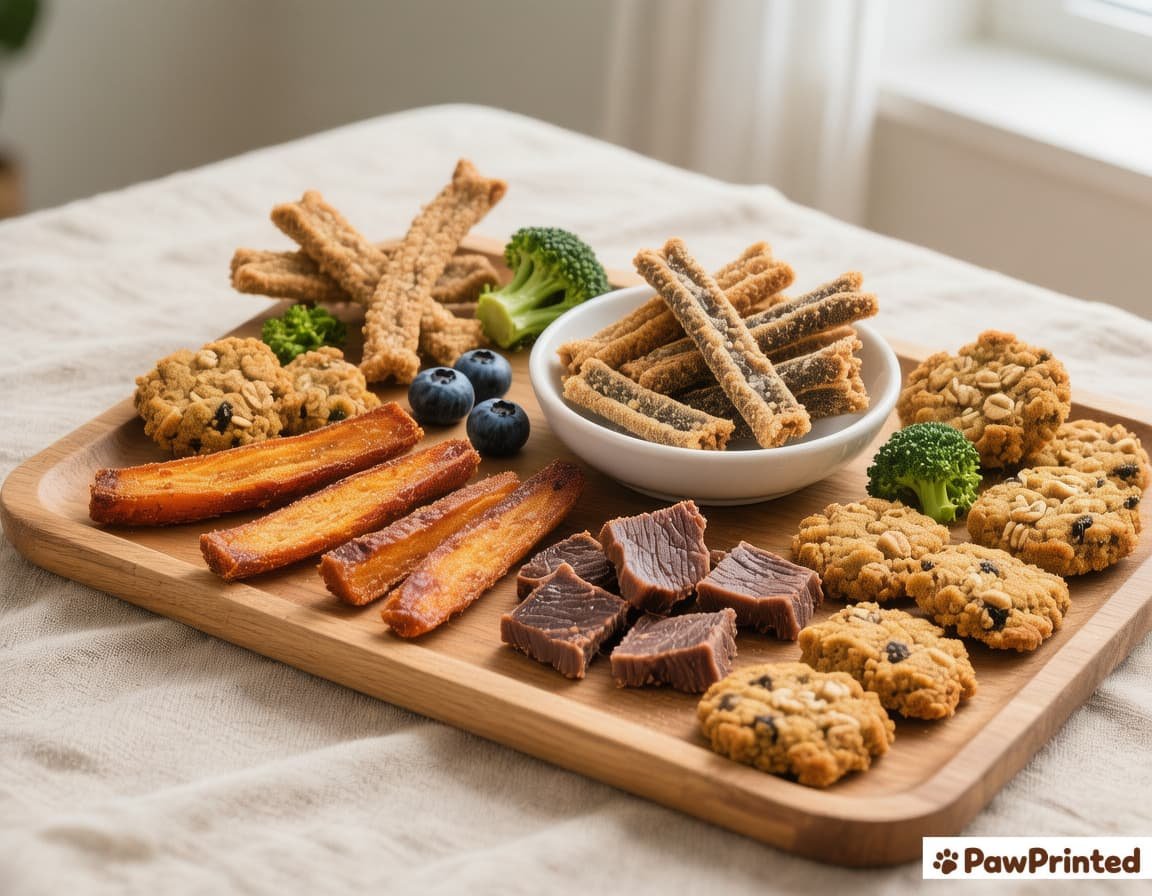
A set of tiny, high-value treat recipes perfect for obedience sessions, recall work and puppy training.
Quick Overview
- 6 bite-sized recipes for fast-paced training
- Soft textures for quick chewing
- Chicken, cheese, salmon and pumpkin bases
Why It Works
- Tiny pieces allow frequent rewarding
- High-value flavors improve focus
- Homemade treats reduce fillers and additives
Things To Watch
- Training treats still count toward calories
- Use a pouch or airtight cup during sessions
- Mix lower-cal treats if weight increases

Summer-friendly frozen snacks built from yogurt, blueberries, broth and gentle proteins — refreshing and hydrating.
Quick Overview
- 6 frozen treat recipes
- Fruit purees, yogurt and broth bases
- Perfect for hot days and post-walk cooling
Why It Works
- Cold snacks help cool mild heat stress
- Hydrating ingredients support summer wellness
- Easy portion control with freezer molds
Things To Watch
- Use lactose-free yogurt for sensitive dogs
- Offer slowly to avoid stomach discomfort
- Always supervise dogs that gulp frozen items

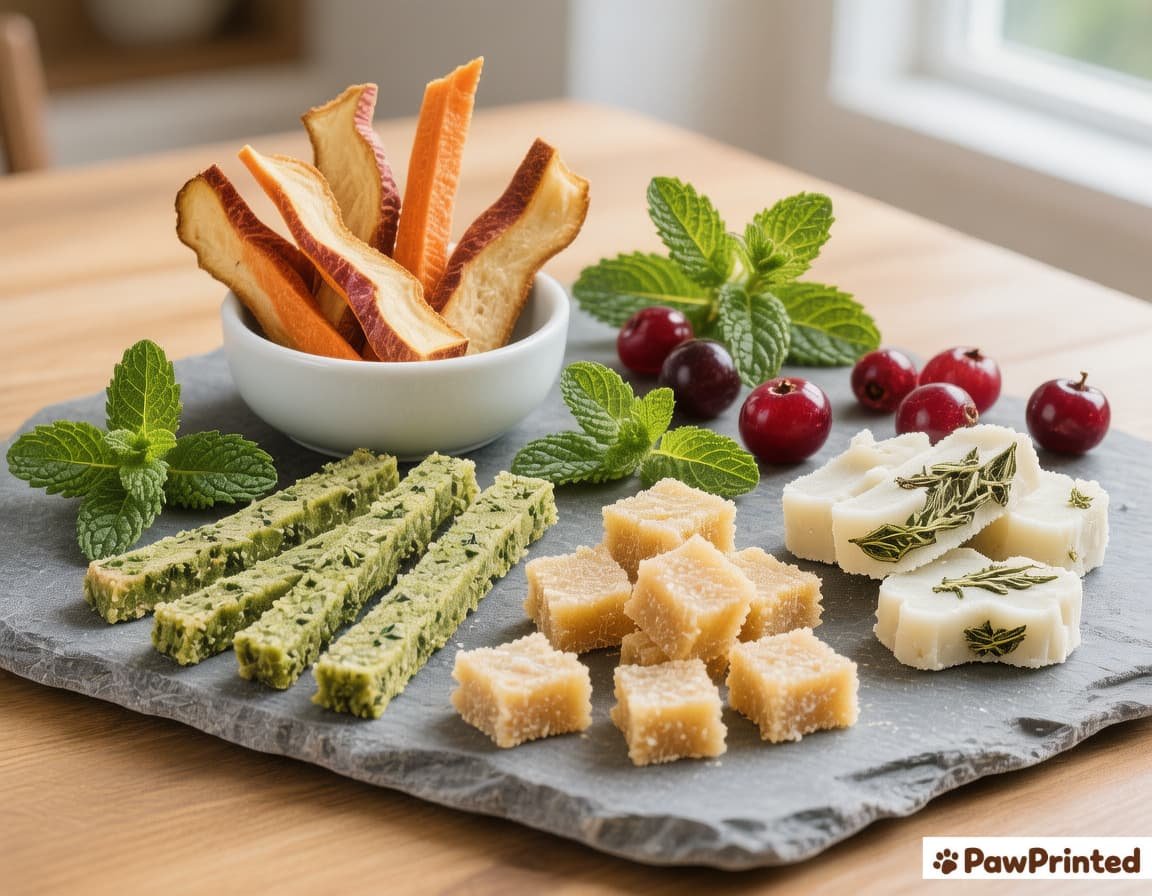
Breath-freshening treats made with parsley, mint, sweet potato and coconut oil, designed to support daily dental routines.
Quick Overview
- 6 dental-style treat recipes
- Herbal breath-freshening ingredients
- Chewing textures to encourage scraping
Why It Works
- Parsley & mint naturally freshen breath
- Chewing helps remove soft debris
- Homemade recipes avoid added sugars
Things To Watch
- Dental treats do not replace brushing
- Watch for gulping; supervise chewing
- Consult vet for severe tartar
Which Homemade Dog Treat Category Should You Start With
A simple way to decide is to match the category to the one thing you want to improve first. If the scale has been creeping up, start with the low calorie collection and keep your regular treats as occasional extras. If your dog has a long allergy history or frequent stomach upsets, the hypoallergenic collection is usually the safest first stop. Active dogs that do well on grain free food often enjoy the grain free treats as a natural extension of their current diet.
For families in the middle of training plans, the training treats collection gives you tiny, high value bites that work well in short sessions without overfeeding. Frozen treats make the most sense as a summer or warm weather add on rather than a daily habit. Dental treats are most helpful when you already brush or at least use routine dental checks, and you want one more gentle way to keep chewing and breath on your side.
Vet Tips & Variations
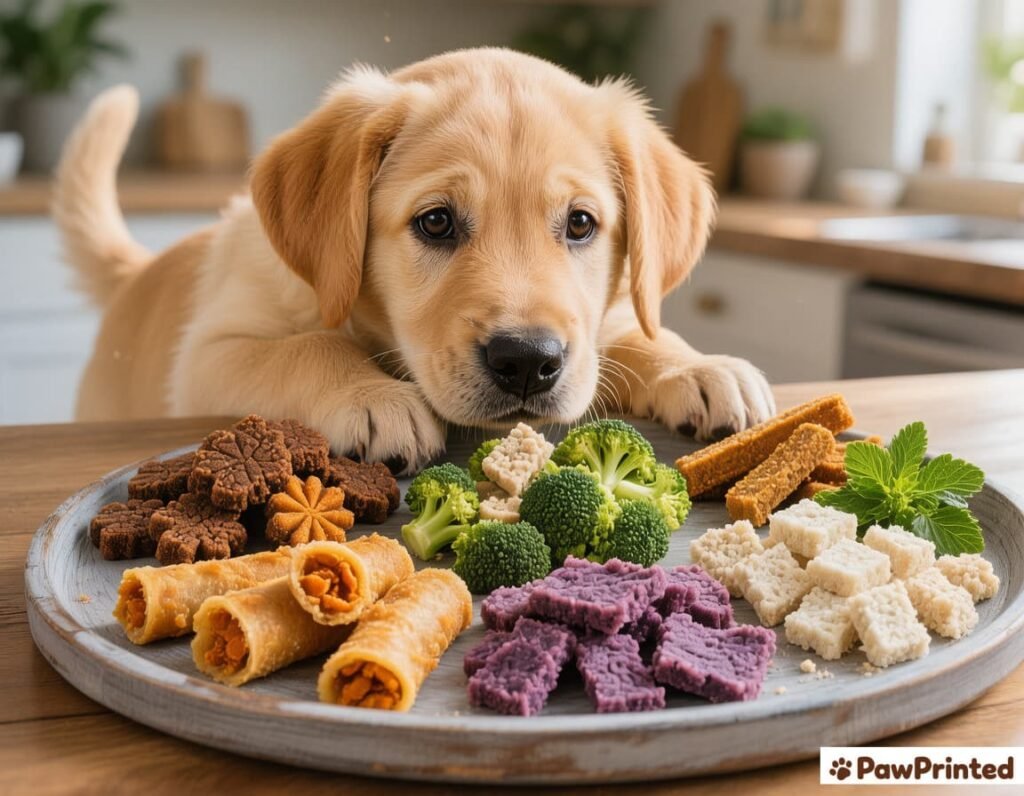
Before you dive into the full set of 36 recipes, here are a few vet-aligned suggestions and simple variations that can help you adjust treats for your dog’s age, digestion, allergies and daily routine. These are small changes that often make a big difference in how well your dog tolerates homemade snacks.
Adjust Portions For Activity Level
Many dogs do well with treats, but portion size should match their activity level. Active pups can handle slightly more; indoor or senior dogs may need half-portions to stay within their daily calorie budget.
Swap Ingredients Within The Same Category
If your dog doesn’t tolerate chicken, swap it with turkey in training treats. For hypoallergenic recipes, duck, venison and white fish are usually gentle substitutes with similar results.
Start Slow With New Treat Textures
Crunchy biscuits, soft bites and frozen snacks all digest differently. Introduce one texture at a time, especially for pups with sensitive stomachs, and watch stool quality for the next 24 hours.
Use Smaller Pieces For Training
Training sessions can accidentally overload dogs with calories. Cutting treats into tiny pieces helps maintain focus without exceeding your dog’s daily energy needs.
Vet Note: If your dog has chronic allergies, digestive upsets or dental concerns, stick to one treat category for two to three weeks before rotating. Consistency helps you identify what truly works.
Top Recommended Dog Treat Guides To Read Next
If you’re the kind of dog parent who loves exploring “just one more helpful page,” these guides are the ones I always point people to. They pair perfectly with homemade treats — whether you’re trying to balance calories, understand ingredients a bit better, or simply want a shortlist of reliable ready-made options. Start with the one that matches your dog’s current goal.
- Best Dog Treats Guide (Updated 2025) — A curated list of store-bought treats Ethan actually eats, ranked by quality, ingredients and vet input.
- Dog Nutrition Guide — A friendly, vet-aligned breakdown of what nutrients matter most in treats and daily meals.
- Dog Weight Management 101 — The go-to guide if you want treats without guilt. Portion charts, activity tips and daily calorie logic included.
Explore More — Dog Treats & Everyday Health Guides
If you’re in the mood to go a little deeper — or you simply want to support your dog’s health beyond homemade treats — these guides are the ones that pair naturally with what you’ve just read. Think of them as the “side quests” that make everyday care easier, calmer and a bit more fun for both of you.
- Dog Dental Care Basics — A simple daily routine to keep breath fresh and reduce plaque (yes, even if brushing is a battle).
- Dog Probiotics Guide — Helpful if your pup has a sensitive stomach or you’re introducing new treat ingredients.
- Dog Summer Health Care — Perfect companion to frozen treats: hydration, overheating signs and easy cooling tips.
- Seasonal Dog Care Guide — How to adjust walks, treats and grooming as weather changes (Ethan’s least favorite: winter baths).
- Dog Weight Management 101 — Ideal for pups using our low-calorie treat collection. Includes calorie charts and portion math.
- Dog Nutrition Guide — A friendly, vet-aligned explainer on ingredients, macros and what “balanced” actually means.

FAQ – Homemade Dog Treat Collections
Are homemade dog treats healthier than store bought treats?
Homemade dog treats are not automatically healthier, but they can be a better choice when you pay attention to ingredients, portion size and balance. When you bake at home you decide how much fat, salt and flavoring goes into each batch, and you can leave out added sugars, artificial colors or unnecessary fillers that show up in some commercial treats. The key is to treat homemade snacks as part of the daily calorie budget, not an endless extra on top of full meals. If you keep recipes simple, focus on whole food ingredients and adjust treat size to your dog’s body weight, homemade options can support a steady weight and clearer ingredient lists.
How many homemade treats can my dog safely eat in a day?
A common guideline is that treats, whether homemade or store bought, should make up no more than about ten percent of your dog’s daily calories. That means a small dog might only need a few tiny bites per day, while a large working dog can handle more. The safest approach is to decide on a daily treat allowance, break recipes into bite size pieces and spread them across the day instead of giving them all at once. If you notice weight creeping up, soft stool or slower energy after you add new treats, that is a sign to cut portions, make pieces smaller or reduce the number of training rewards until your dog’s body settles again.
What ingredients should I avoid when making homemade dog treats?
Some ingredients that people use in baking are not safe for dogs and should be avoided completely in homemade treats. These include chocolate, xylitol, raisins, grapes, alcohol, excessive salt, garlic and large amounts of onion. It is also best to skip artificial sweeteners and heavy added sugars, because they do not support long term health or dental care. If your dog has allergies or a sensitive stomach, you may also need to avoid specific proteins or grains your vet has already flagged. When in doubt, keep recipes simple, use vet familiar ingredients such as lean meats, pumpkin, carrots and oats, and always introduce new flavors slowly.
Can puppies eat homemade dog treats from these collections?
Many of the treats in these collections can be adapted for puppies, but it is important to use extra caution with portion size, ingredient choice and frequency. Puppies have smaller stomachs and are still building balanced growth, so treats should stay very small and truly occasional, not a steady snack between meals. Focus on simple recipes made from puppy safe ingredients like lean meats, pumpkin or carrot and avoid very hard textures that could damage baby teeth. Always check with your vet before feeding homemade treats to very young or medically fragile puppies, and watch their stool, energy and appetite closely when you introduce anything new.
How should I store homemade dog treats to keep them safe and fresh?
Storage depends on the moisture level of the recipe, but the goal is always to prevent mold, off smells and texture changes. Crunchy baked treats that are fully dried can often be kept in an airtight container at room temperature for several days, away from heat and direct sun. Softer or meat heavy treats usually do better in the refrigerator in small, well sealed containers and should be used within a few days. Frozen treats belong in the freezer and can be portioned out as needed. If you ever notice changes in smell, color or texture, it is safer to discard the batch and prepare a fresh one rather than risk an upset stomach.
Wrapping It Up – Pick One Collection And Start Small
It can feel overwhelming to see 36 recipes laid out in front of you, but your dog only needs you to start with one category and a single batch. Choose the collection that solves the biggest problem on your mind right now, whether that is weight, allergies, training or simply keeping your dog cooler in summer. Bookmark this page so you can come back when you are ready to explore a new set of treats, and do not hesitate to adjust portion sizes or swap ingredients after talking with your vet.
If you find yourself short on time or energy, it is completely fine to lean on a mix of homemade recipes and the best store bought options you trust. The important part is that your dog stays happy, steady in weight and excited every time they hear you reach for the treat jar. When you are ready for the next idea, Ethan and the rest of the PawPrinted team will be here with another collection to try.